Mexico, Aztec (Mexica) 1325–1521 CE
Volcanic stone
Height 9 3/4” (24.8 cm), Width 6” (15.2 cm)
Provenance: Collected in Mexico in the 1950s by Keith Bell, Professor Emeritus of Geology, University of Ottawa. Acquired prior to the 1972 UNESCO Convention on the Means of Prohibiting and Preventing the Illicit Import, Export and Transfer of Ownership of Cultural Property. Old museum accession number on underside.
Cihuateotl, meaning “divine woman” in Nahuatl, was one of a group of deities in the Aztec pantheon representing women who died in childbirth and elevated to warrior status in the afterlife. Figures of this type were produced throughout the Late Postclassic period and associated with temples and ritual deposits. The frontally oriented composition and formal posture reflect canonical conventions of Aztec stone carving.
The figure is carved from dense volcanic stone, widely used in the Valley of Mexico for its durability and availability. Surface detail including the facial features and body contours is rendered with restrained geometric precision consistent with the period. An old museum accession number on the underside indicates prior institutional handling.
We ship free anywhere in the world, fully insured, packed by hand.
Mexico, Aztec (Mexica) 1325–1521 CE
Volcanic stone
Height 9 3/4” (24.8 cm), Width 6” (15.2 cm)
Provenance: Collected in Mexico in the 1950s by Keith Bell, Professor Emeritus of Geology, University of Ottawa. Acquired prior to the 1972 UNESCO Convention on the Means of Prohibiting and Preventing the Illicit Import, Export and Transfer of Ownership of Cultural Property. Old museum accession number on underside.
Cihuateotl, meaning “divine woman” in Nahuatl, was one of a group of deities in the Aztec pantheon representing women who died in childbirth and elevated to warrior status in the afterlife. Figures of this type were produced throughout the Late Postclassic period and associated with temples and ritual deposits. The frontally oriented composition and formal posture reflect canonical conventions of Aztec stone carving.
The figure is carved from dense volcanic stone, widely used in the Valley of Mexico for its durability and availability. Surface detail including the facial features and body contours is rendered with restrained geometric precision consistent with the period. An old museum accession number on the underside indicates prior institutional handling.
We ship free anywhere in the world, fully insured, packed by hand.


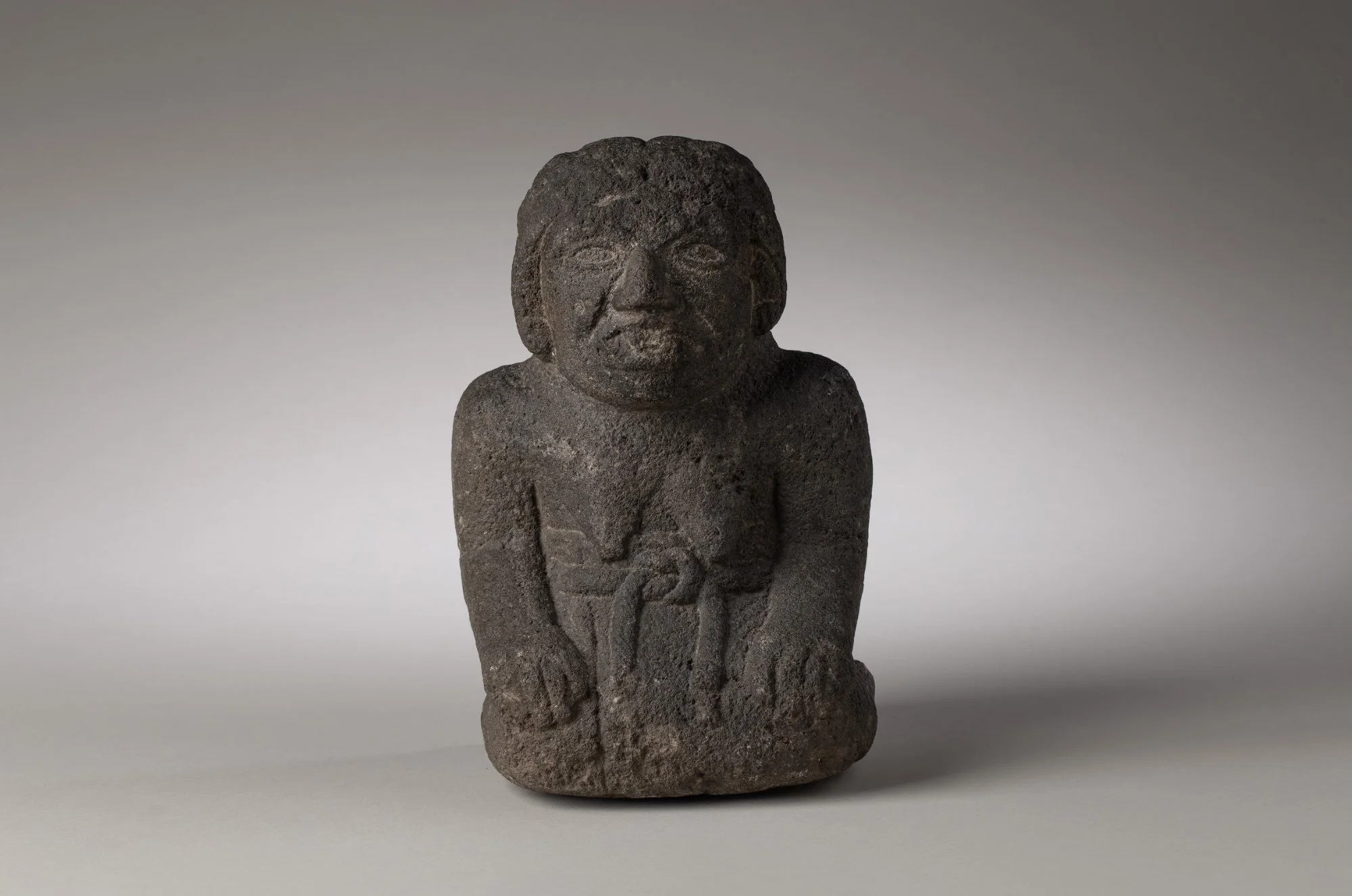 Image 1 of 6
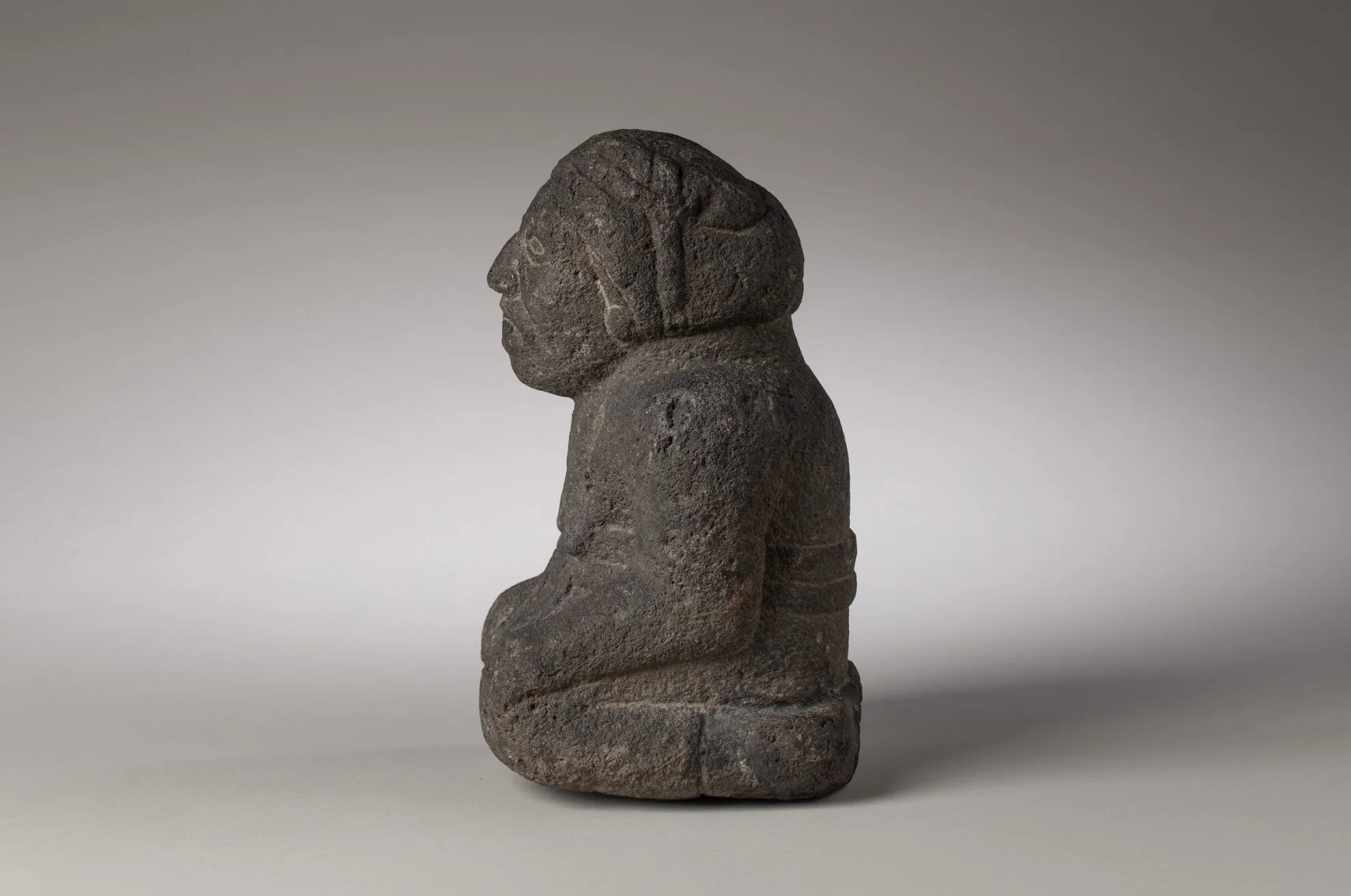 Image 2 of 6
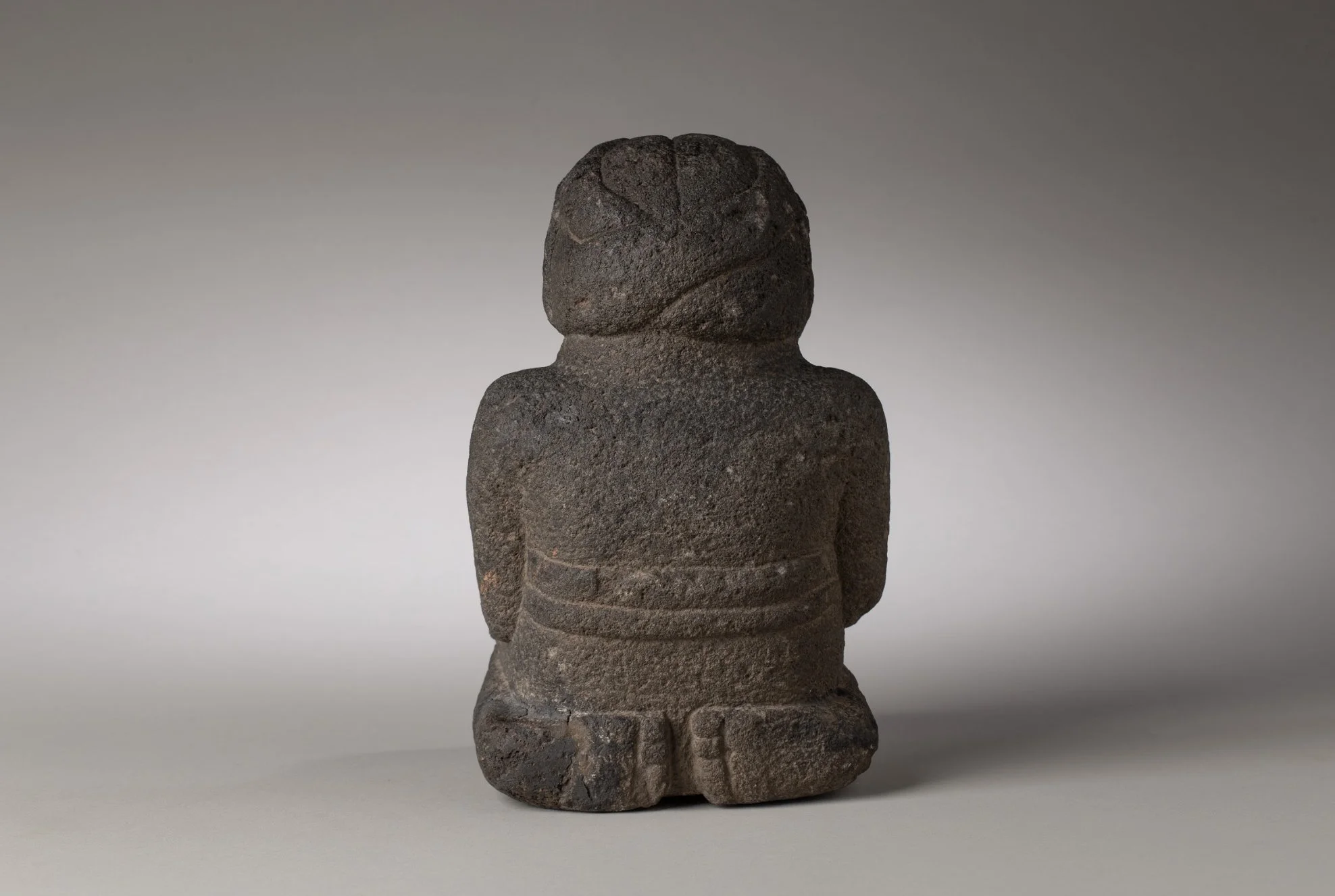 Image 3 of 6
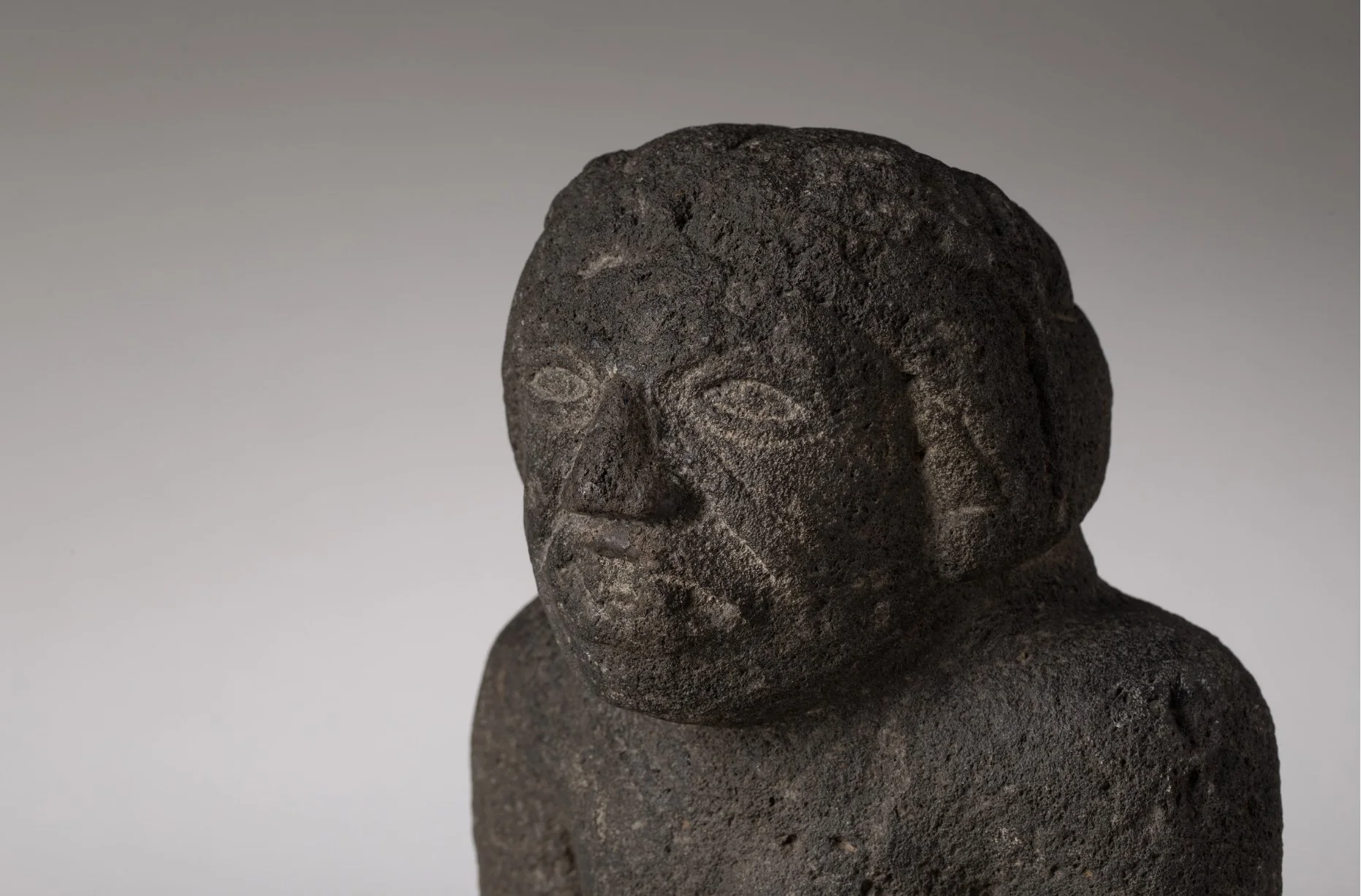 Image 4 of 6
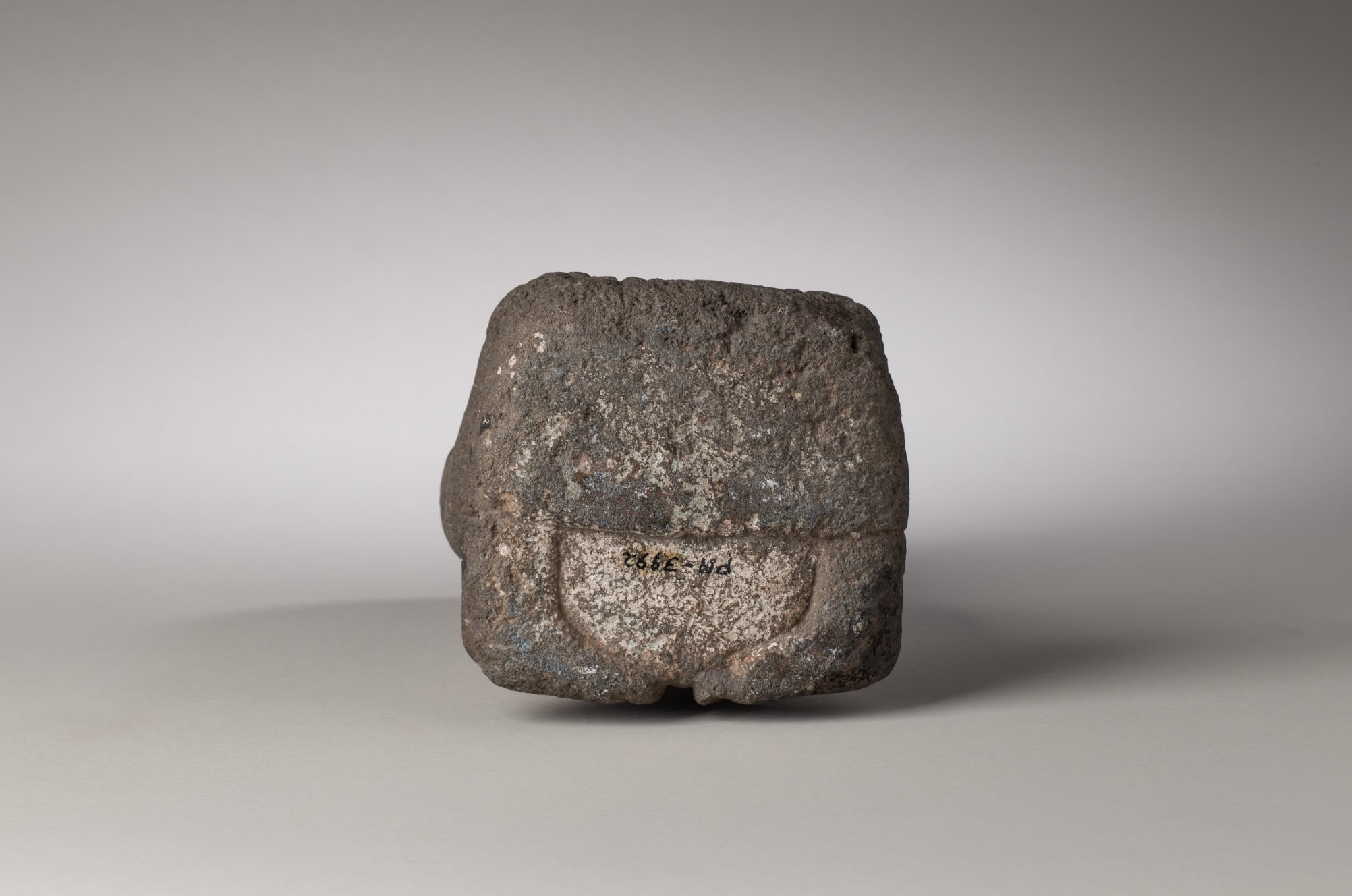 Image 5 of 6
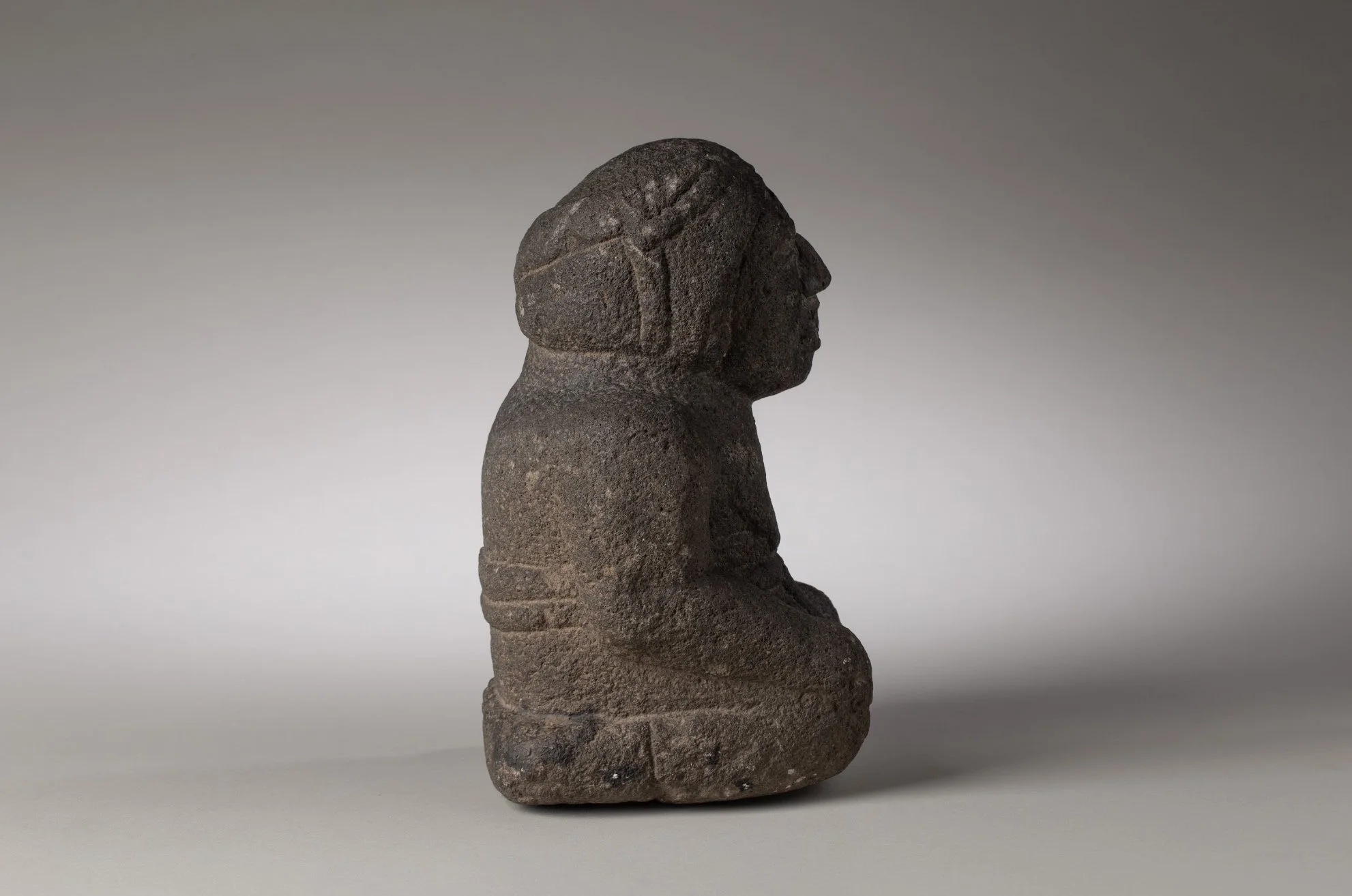 Image 6 of 6