Mexican, 1960
Tropical hardwood, bone or shell inlay
3 1/2 x 9 1/2 inches (8.9 x 24.1 cm)
Provenance: William Spratling, Taxco, Mexico
The case is carved from a single block of dense figured hardwood, the outer walls left rough with the bark texture and natural edge of the timber intact while the interior is hollowed and finished smooth to hold the tiles in two rows. A separate lid of the same wood lifts off, its outer face carrying the same bark surface so the closed set reads as an unworked length of trunk. The dominoes themselves are cut from a darker wood with the pips inlaid as small pale discs, and the contrast between the raw exterior and the precise interior fitting is the whole point of the design.
Don Shoemaker, 1919 to 1990, was an American born designer who settled in Morelia, Michoacán, in the 1940s and worked in Mexico for the rest of his life. He produced furniture and objects in Mexican tropical hardwoods including cocobolo, rosewood, and granadillo, first under his own workshop and later through Señal S.A., and became one of the defining figures of Mexican modernist design. His sling chairs, sculptural stools, and smaller carved objects are held in design collections and have been widely exhibited and reissued.
William Spratling, 1900 to 1967, was an American architect and designer who settled in Taxco in 1929 and established the silver workshop that revived silversmithing in the town and trained a generation of Mexican silversmiths. His designs drew on Pre-Columbian sources and are held in the Metropolitan Museum of Art and the Museo Franz Mayer, and his workshop marks are closely studied by collectors.
We ship free anywhere in the world, fully insured, packed by hand.
Mexican, 1960
Tropical hardwood, bone or shell inlay
3 1/2 x 9 1/2 inches (8.9 x 24.1 cm)
Provenance: William Spratling, Taxco, Mexico
The case is carved from a single block of dense figured hardwood, the outer walls left rough with the bark texture and natural edge of the timber intact while the interior is hollowed and finished smooth to hold the tiles in two rows. A separate lid of the same wood lifts off, its outer face carrying the same bark surface so the closed set reads as an unworked length of trunk. The dominoes themselves are cut from a darker wood with the pips inlaid as small pale discs, and the contrast between the raw exterior and the precise interior fitting is the whole point of the design.
Don Shoemaker, 1919 to 1990, was an American born designer who settled in Morelia, Michoacán, in the 1940s and worked in Mexico for the rest of his life. He produced furniture and objects in Mexican tropical hardwoods including cocobolo, rosewood, and granadillo, first under his own workshop and later through Señal S.A., and became one of the defining figures of Mexican modernist design. His sling chairs, sculptural stools, and smaller carved objects are held in design collections and have been widely exhibited and reissued.
William Spratling, 1900 to 1967, was an American architect and designer who settled in Taxco in 1929 and established the silver workshop that revived silversmithing in the town and trained a generation of Mexican silversmiths. His designs drew on Pre-Columbian sources and are held in the Metropolitan Museum of Art and the Museo Franz Mayer, and his workshop marks are closely studied by collectors.
We ship free anywhere in the world, fully insured, packed by hand.


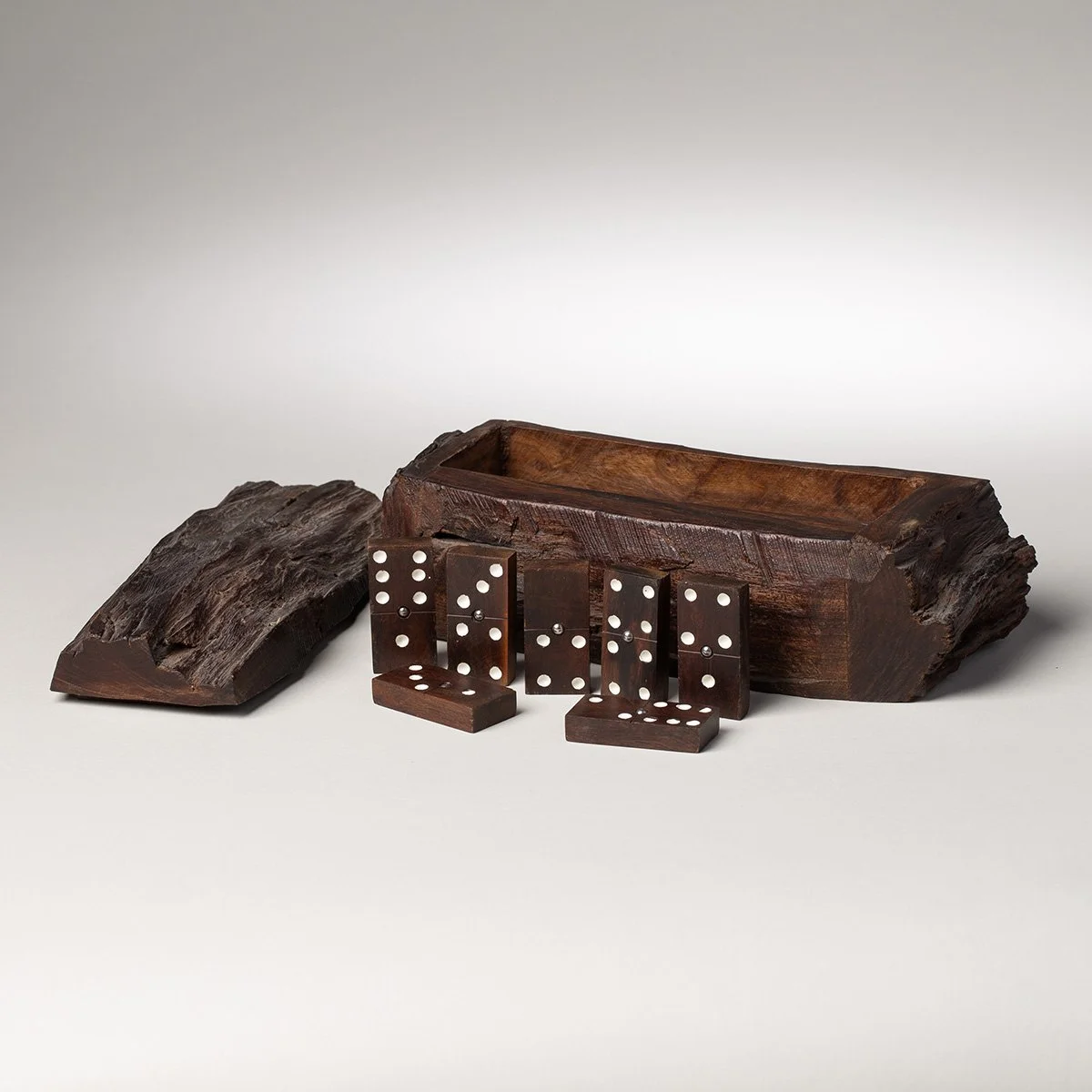 Image 1 of 8
 Image 2 of 8
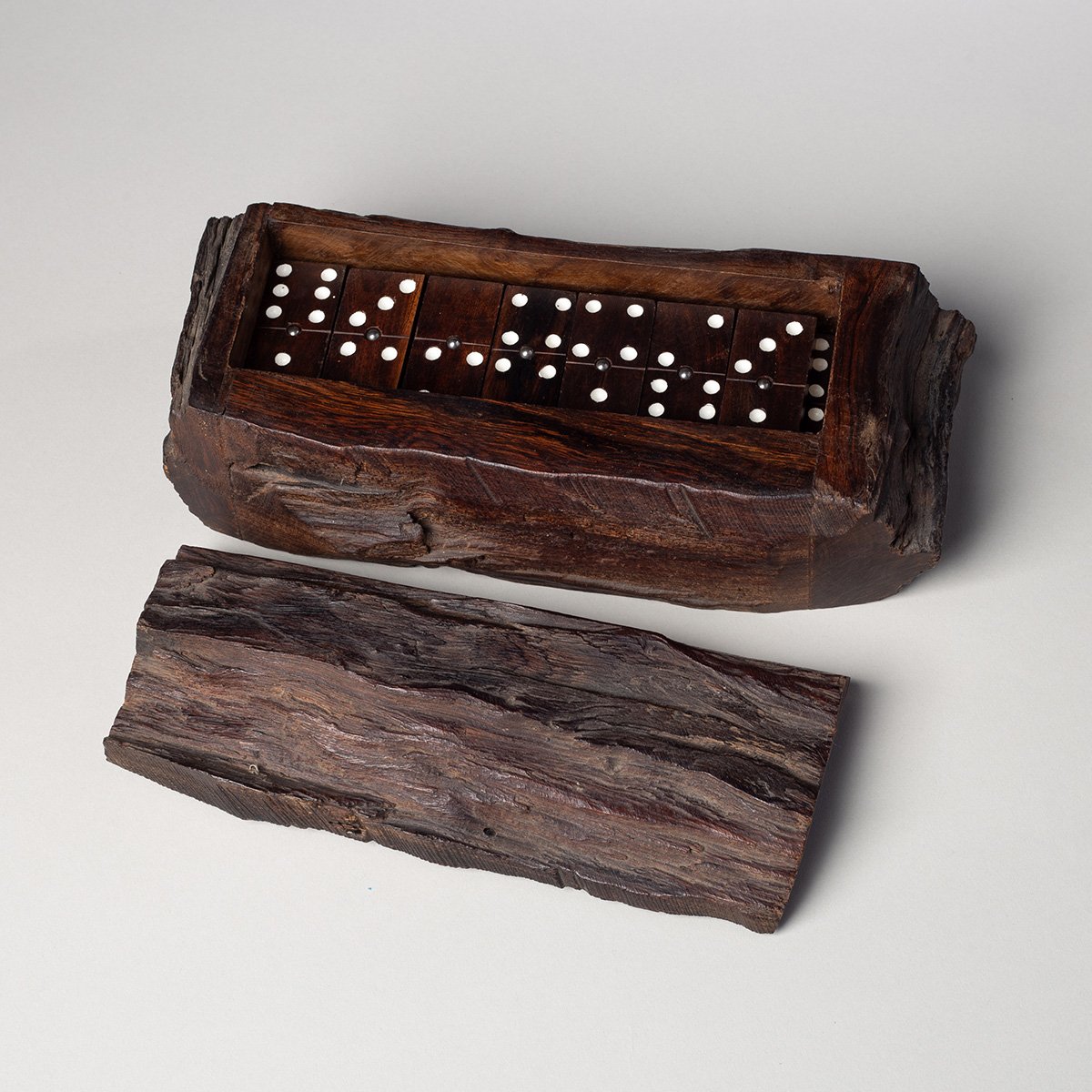 Image 3 of 8
 Image 4 of 8
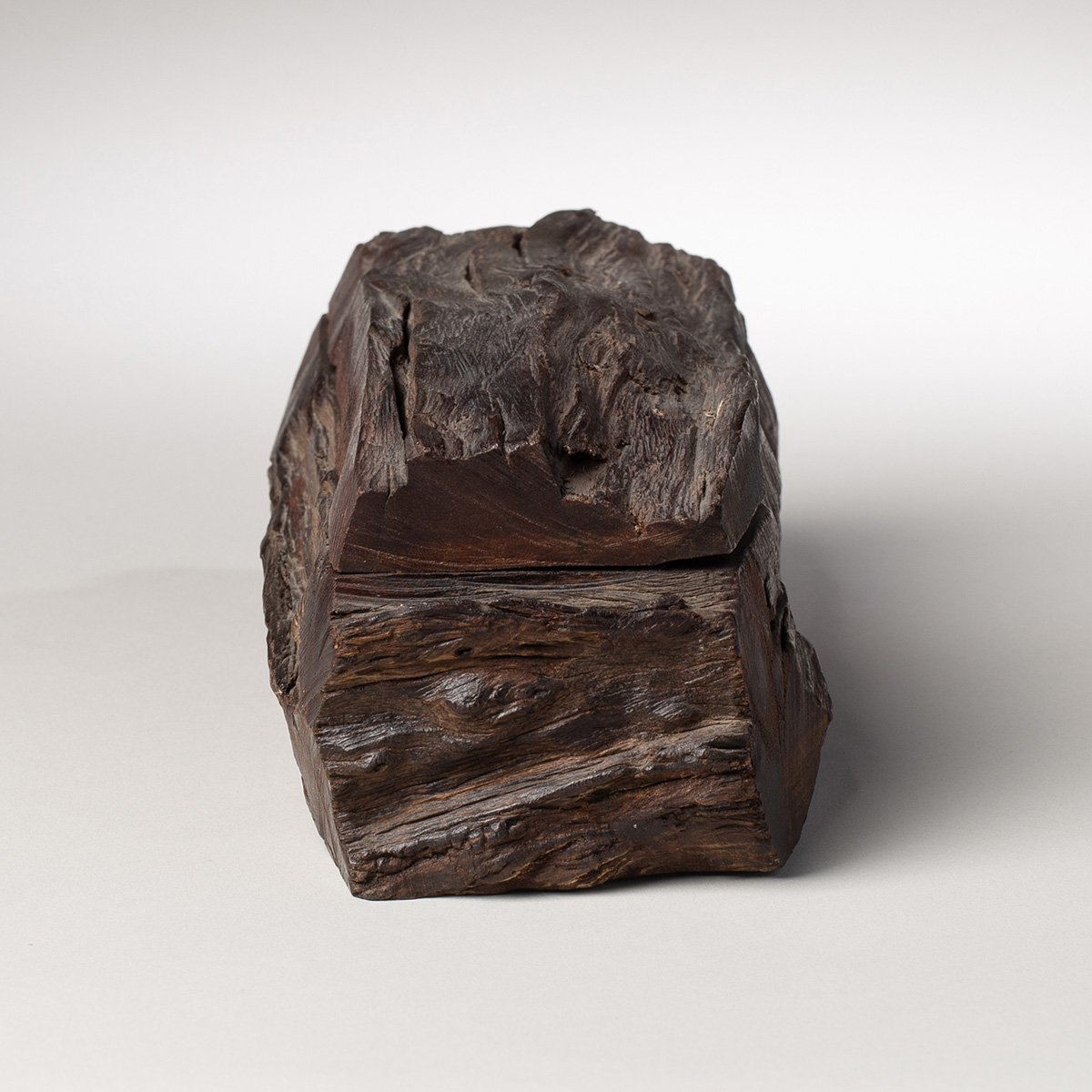 Image 5 of 8
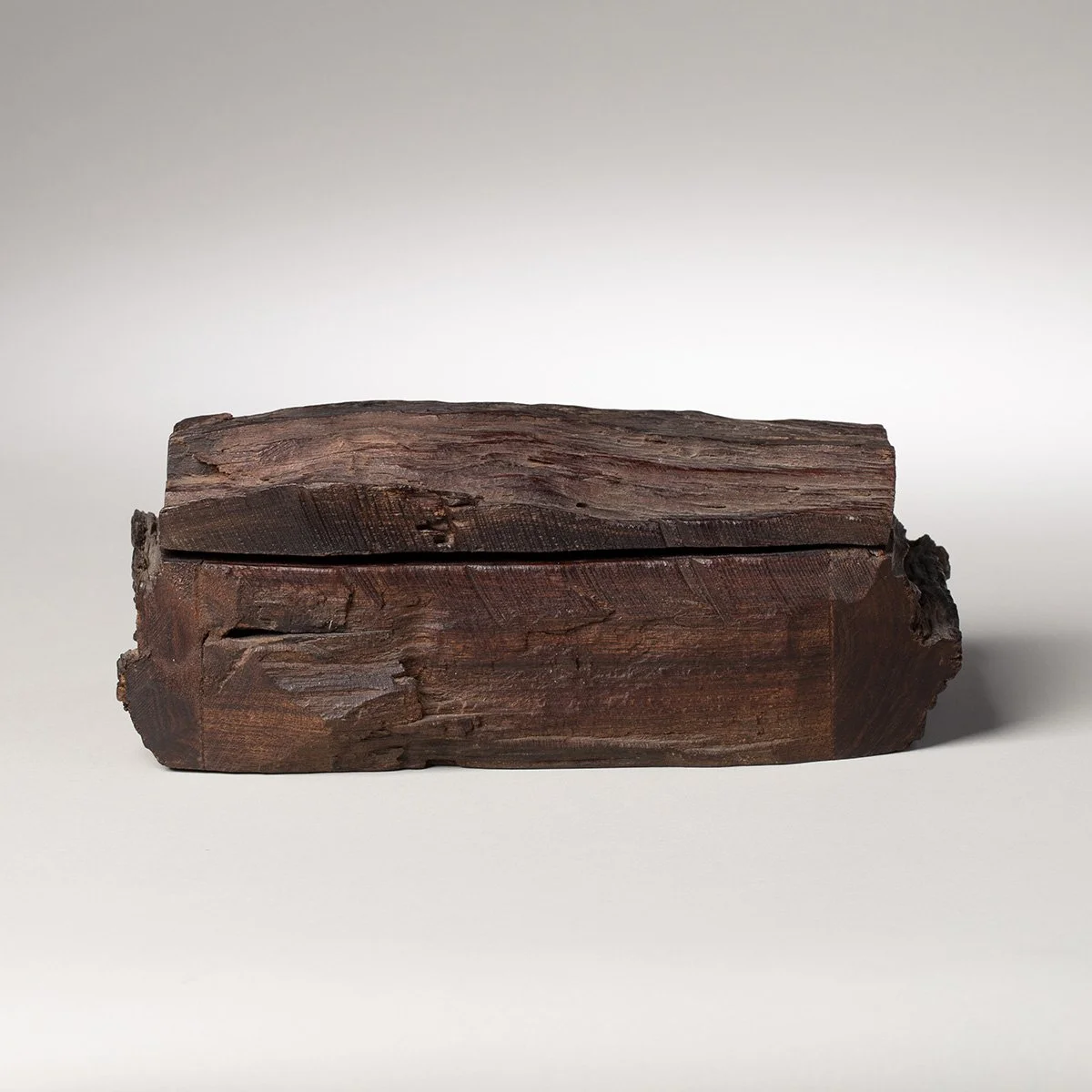 Image 6 of 8
 Image 7 of 8
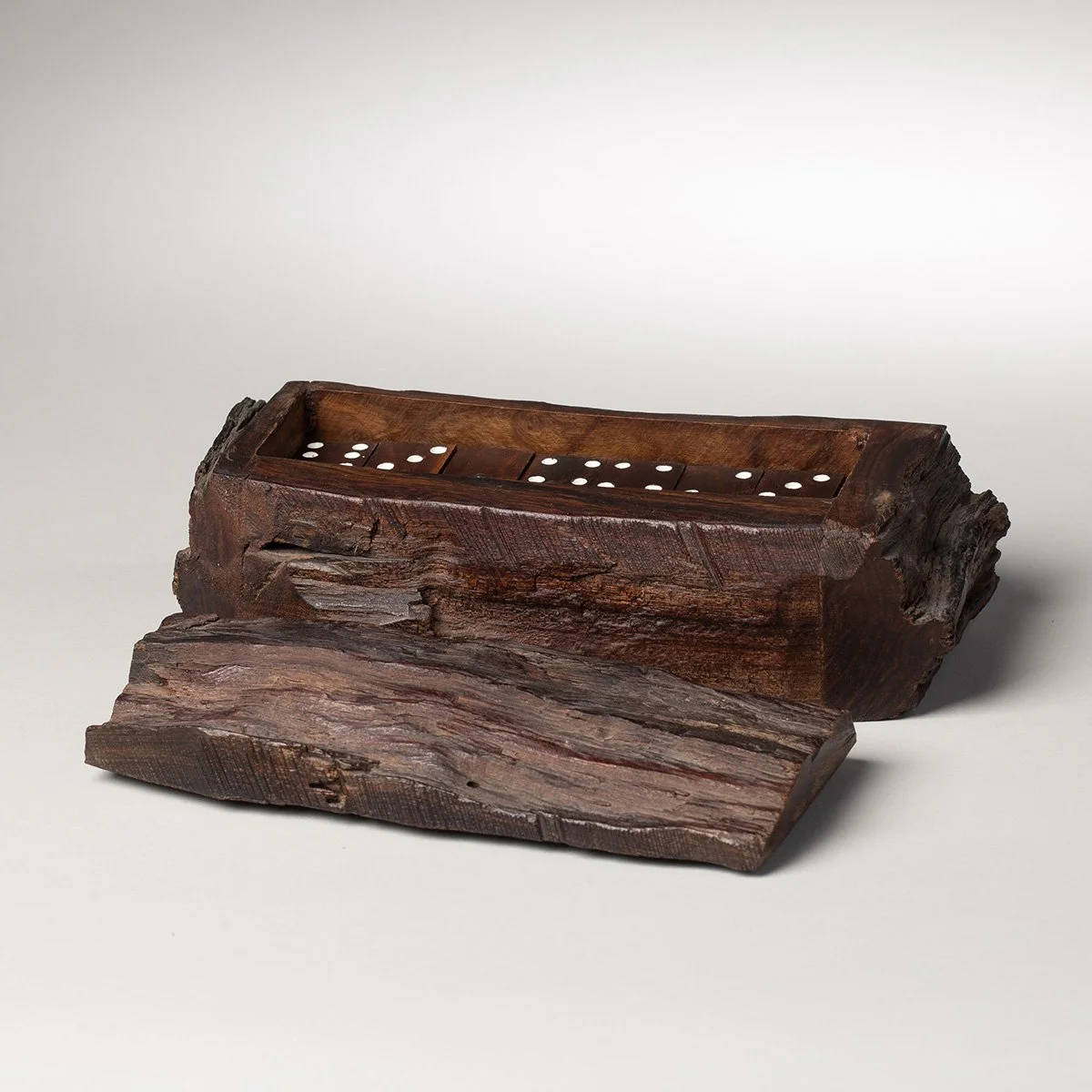 Image 8 of 8