Papua New Guinea / Schouten Islands, Coastal Sepik Region / Wogeo People
19th century; field collected in 1936
Wood, traces of ocher pigments
Dimensions: Height 19.25 in (49 cm)
Field collected in New Guinea’s Murik region in 1936 by Louis Pierre Ledoux; by descent to Joan Ledoux until 2015; Australian private collection
A 19th century lewa ceremonial mask from the Schouten Islands, associated with Wogeo ritual life in the coastal Sepik region of Papua New Guinea. Lewa masks appeared in ceremonial contexts connected to village spirits, food distribution, social prohibitions, and the walage ceremony, where masked dancers made spirit presence visible to the community. Worn as the central element of an elaborate costume with shell, feathers, fiber, and a conical headdress, the mask formed part of a wider ceremonial performance involving movement, sound, and village ritual authority.
This example has a deeply carved face, domed forehead, pronounced brow, almond-shaped eyes, and a distinctive spiral nose ornament modeled after shell nose ornaments worn by high-ranking men. The pierced collar around the upper edge would have helped secure costume attachments, while the hollowed interior preserves evidence of its functional use as a danced mask rather than a purely sculptural object. Traces of ocher pigment and the darkened surface add to its visual depth, while the 1936 Ledoux field-collection history gives the work a strong early provenance.
We ship free anywhere in the world, fully insured, packed by hand.
Papua New Guinea / Schouten Islands, Coastal Sepik Region / Wogeo People
19th century; field collected in 1936
Wood, traces of ocher pigments
Dimensions: Height 19.25 in (49 cm)
Field collected in New Guinea’s Murik region in 1936 by Louis Pierre Ledoux; by descent to Joan Ledoux until 2015; Australian private collection
A 19th century lewa ceremonial mask from the Schouten Islands, associated with Wogeo ritual life in the coastal Sepik region of Papua New Guinea. Lewa masks appeared in ceremonial contexts connected to village spirits, food distribution, social prohibitions, and the walage ceremony, where masked dancers made spirit presence visible to the community. Worn as the central element of an elaborate costume with shell, feathers, fiber, and a conical headdress, the mask formed part of a wider ceremonial performance involving movement, sound, and village ritual authority.
This example has a deeply carved face, domed forehead, pronounced brow, almond-shaped eyes, and a distinctive spiral nose ornament modeled after shell nose ornaments worn by high-ranking men. The pierced collar around the upper edge would have helped secure costume attachments, while the hollowed interior preserves evidence of its functional use as a danced mask rather than a purely sculptural object. Traces of ocher pigment and the darkened surface add to its visual depth, while the 1936 Ledoux field-collection history gives the work a strong early provenance.
We ship free anywhere in the world, fully insured, packed by hand.


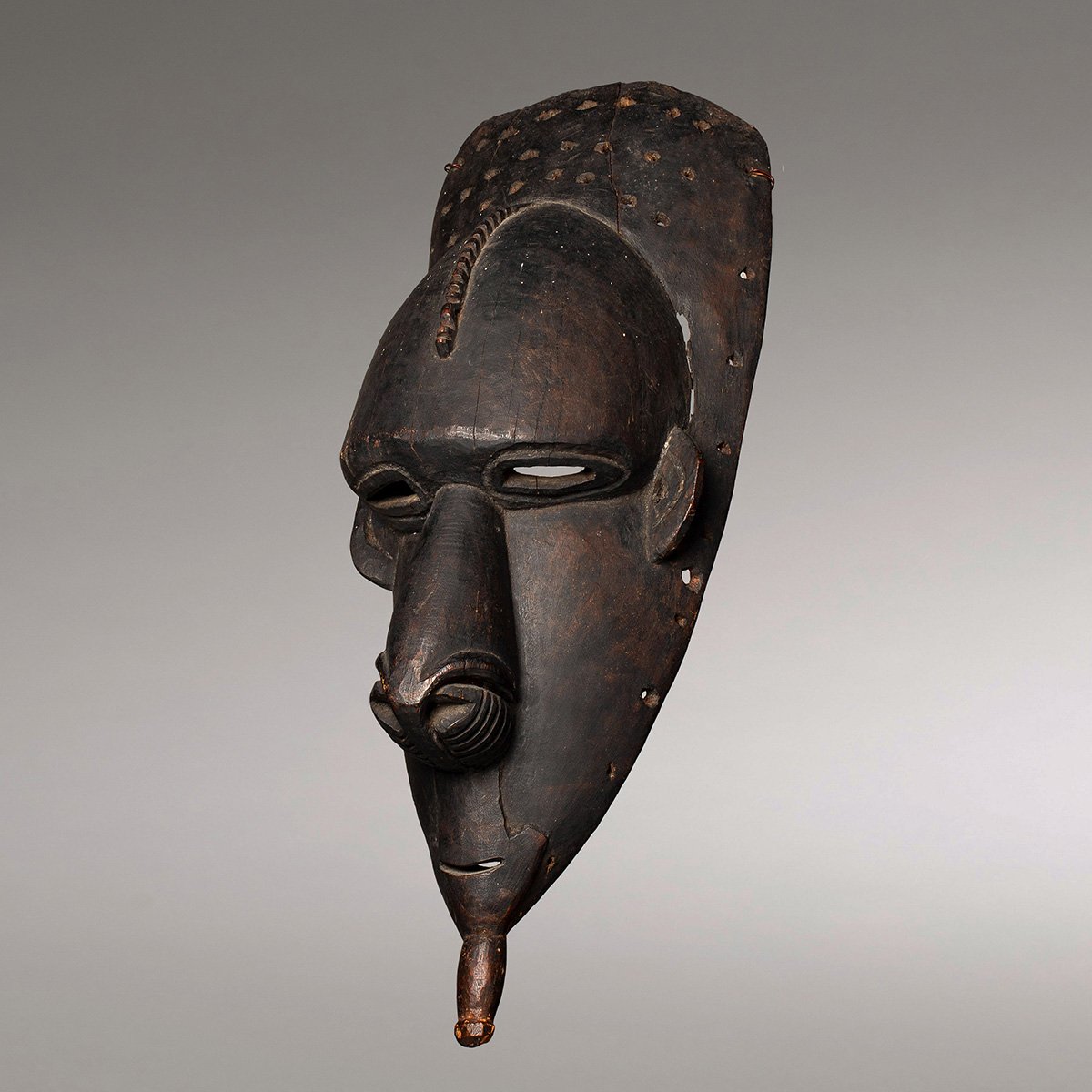 Image 1 of 9
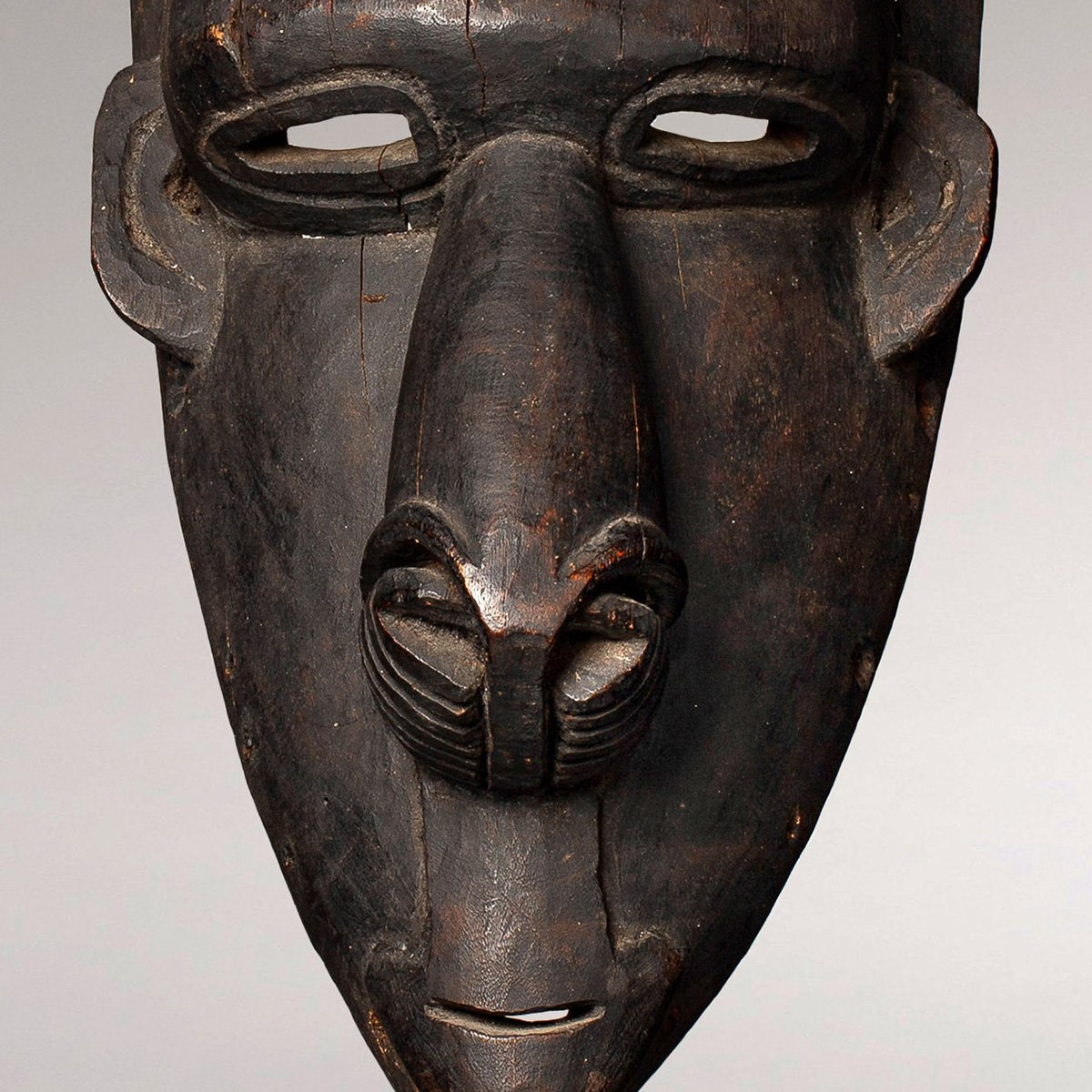 Image 2 of 9
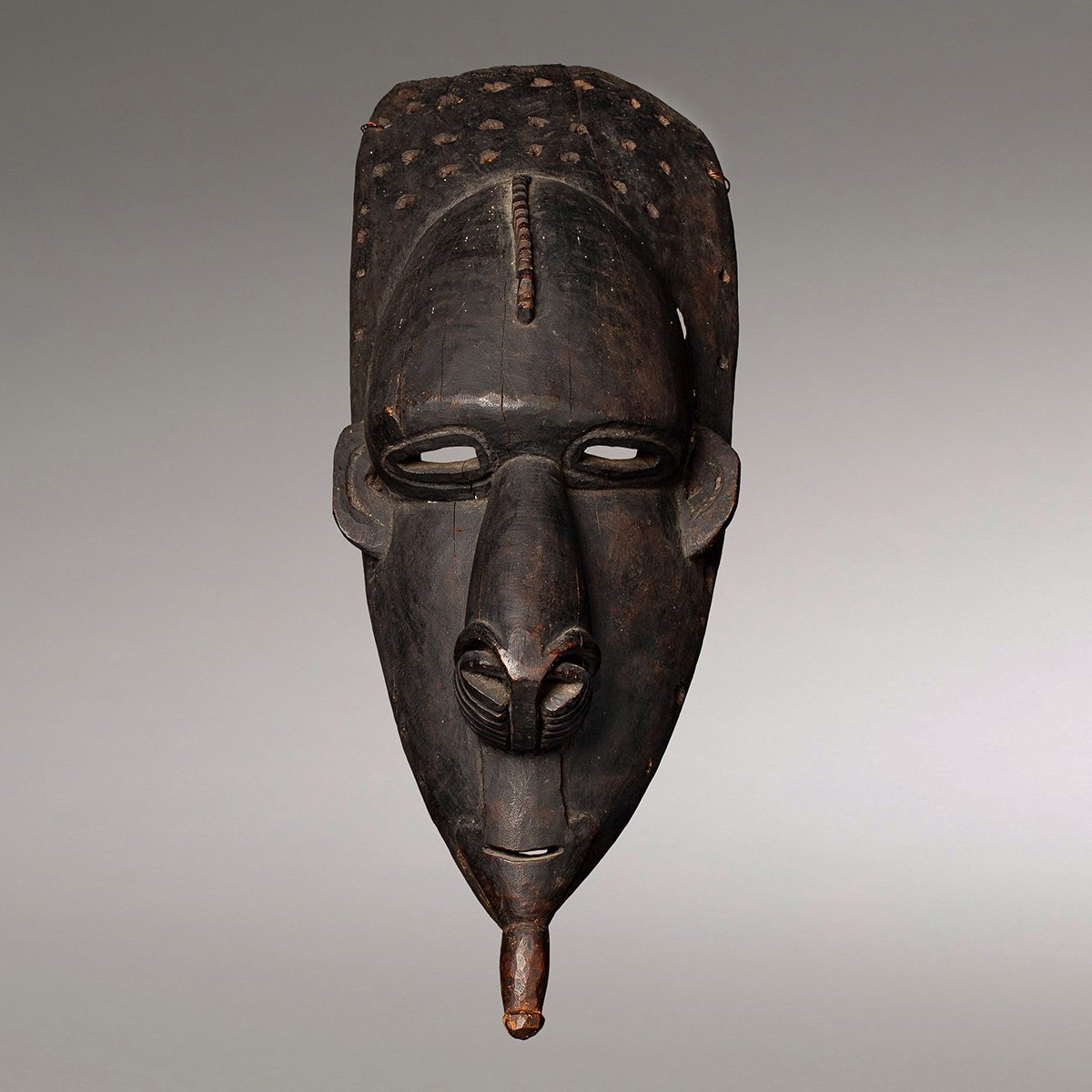 Image 3 of 9
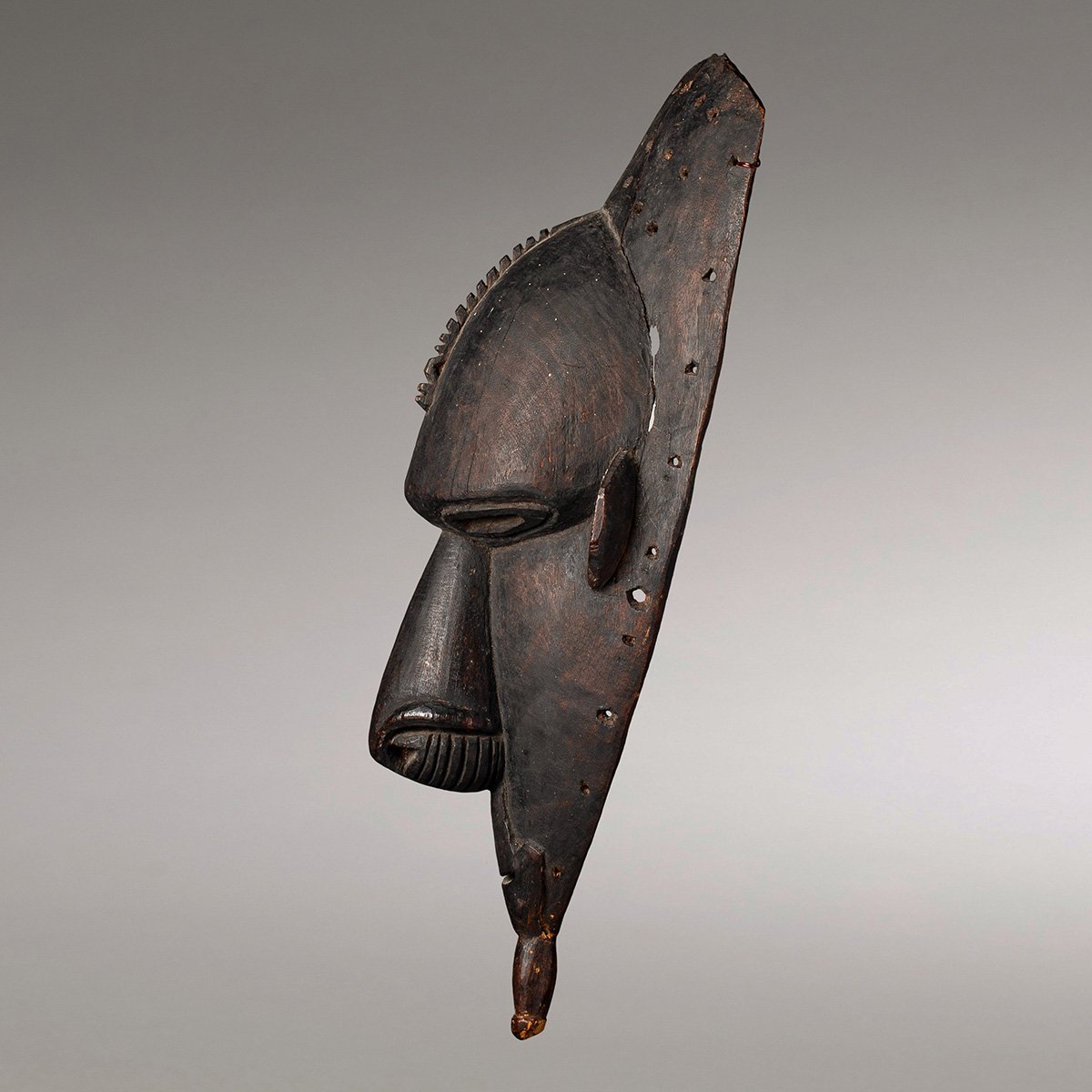 Image 4 of 9
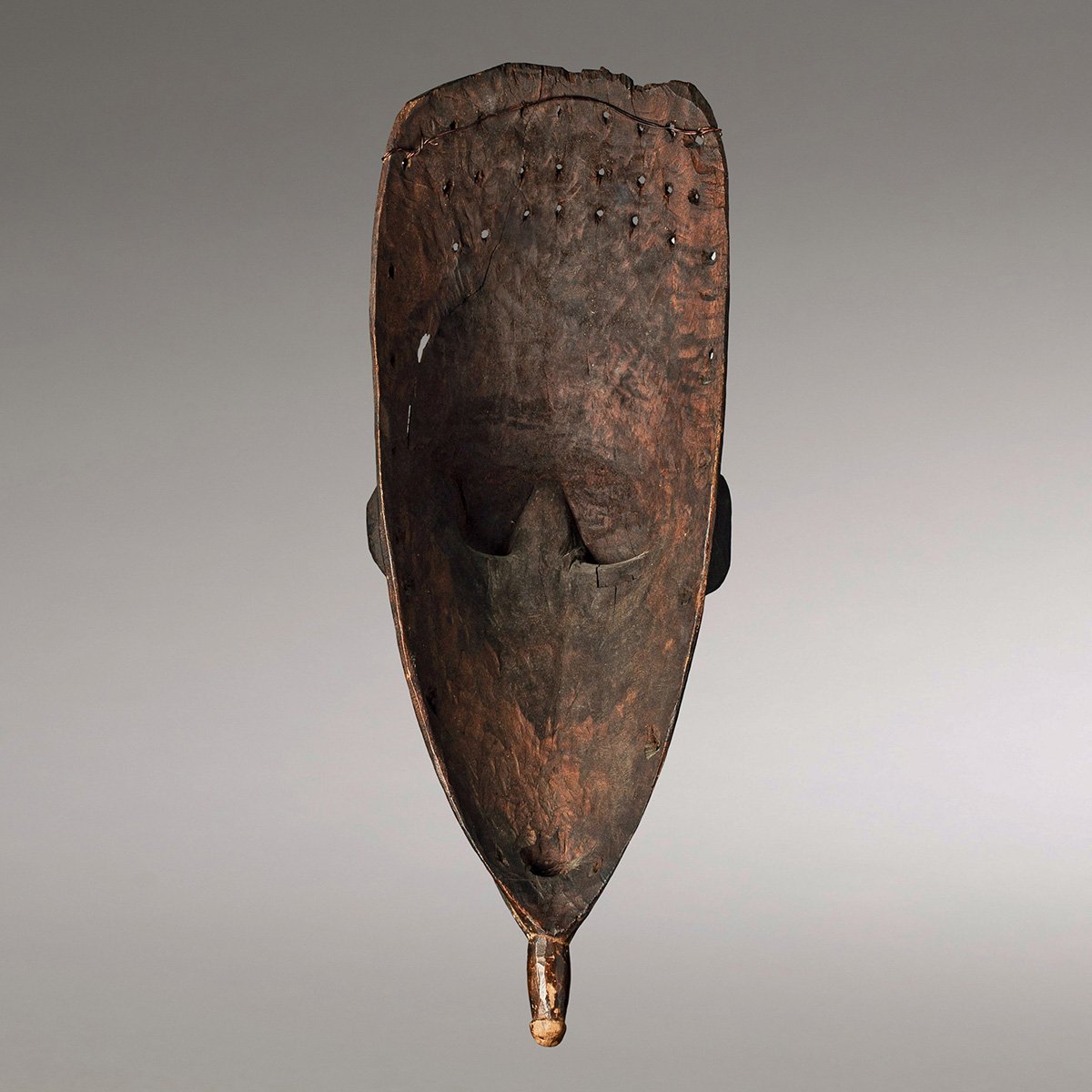 Image 5 of 9
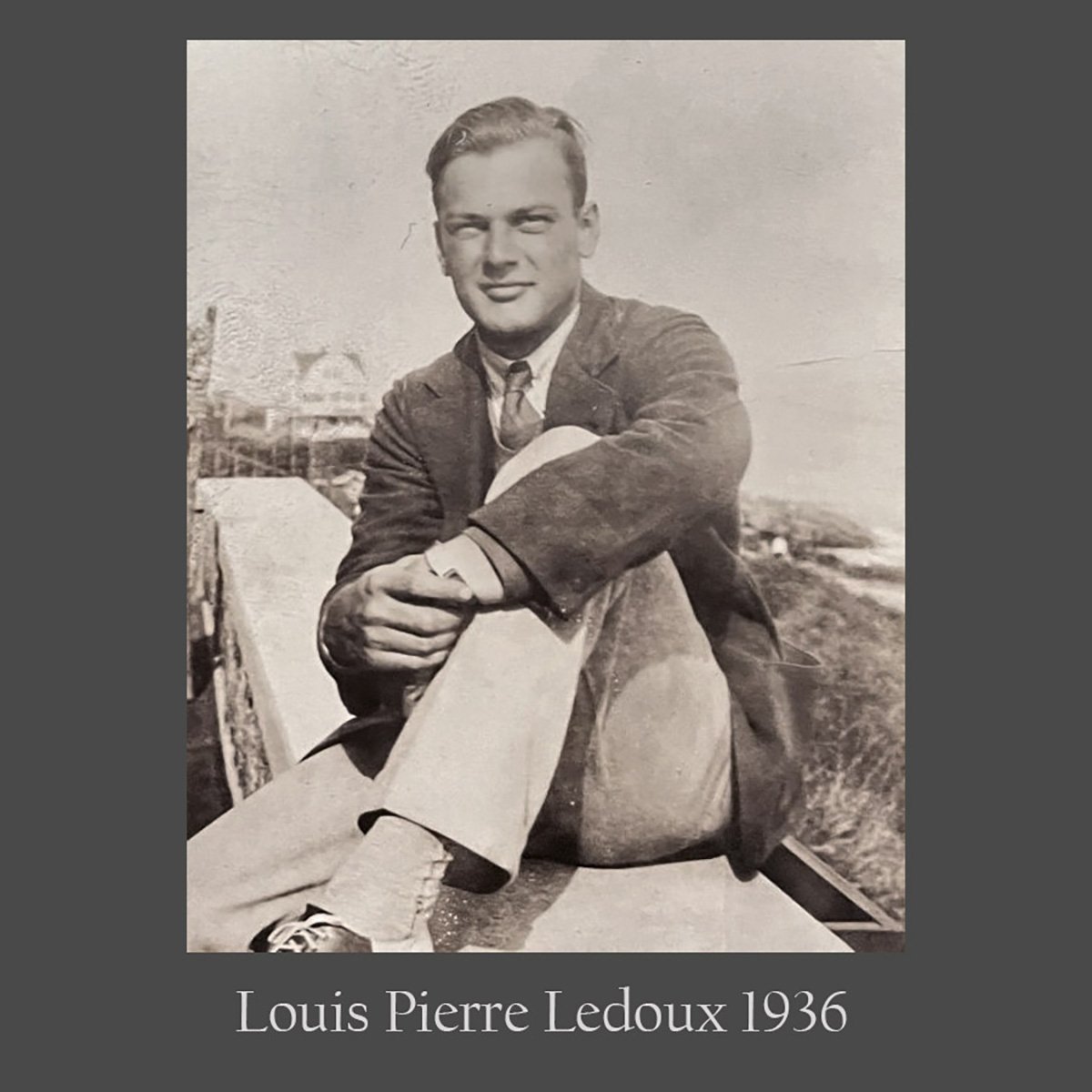 Image 6 of 9
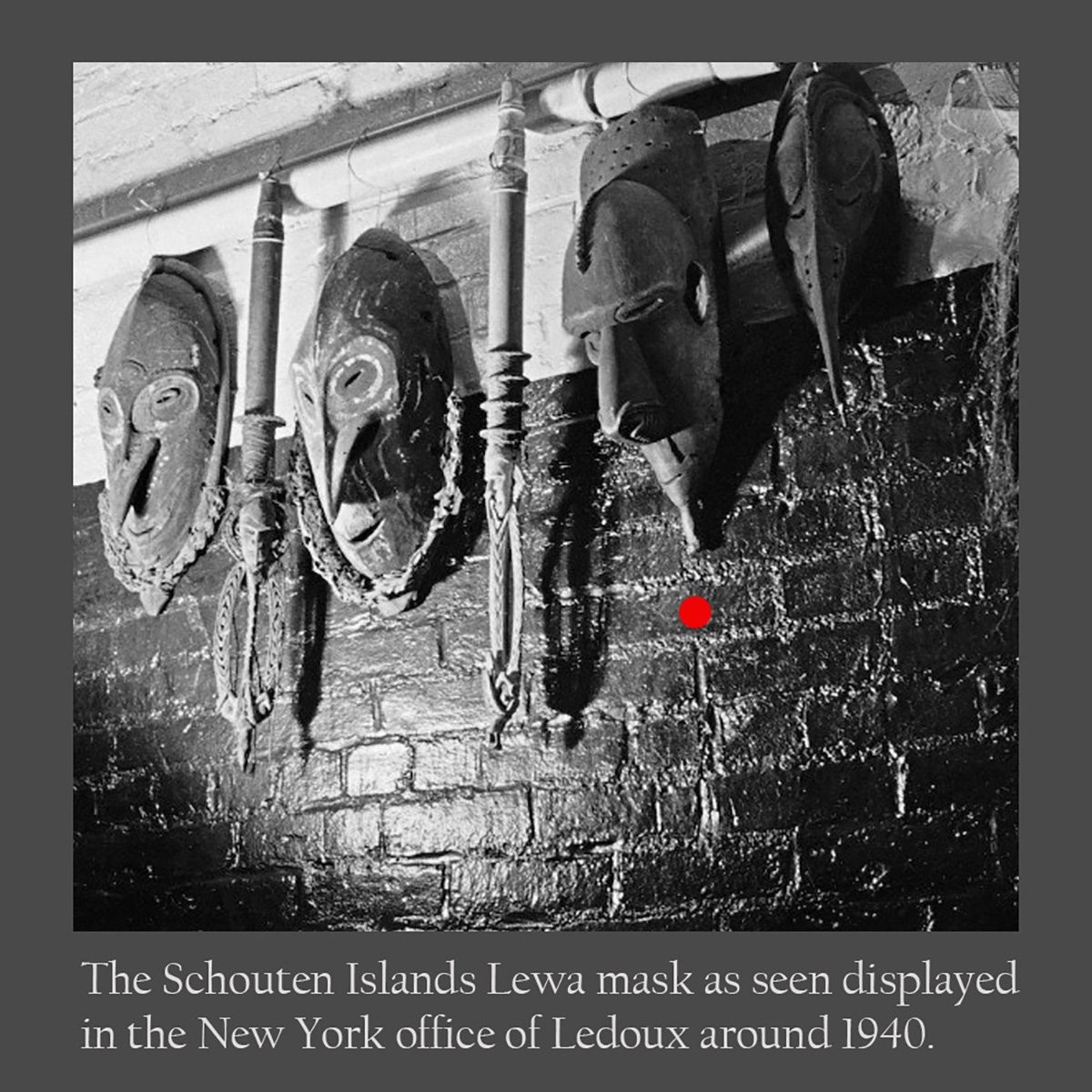 Image 7 of 9
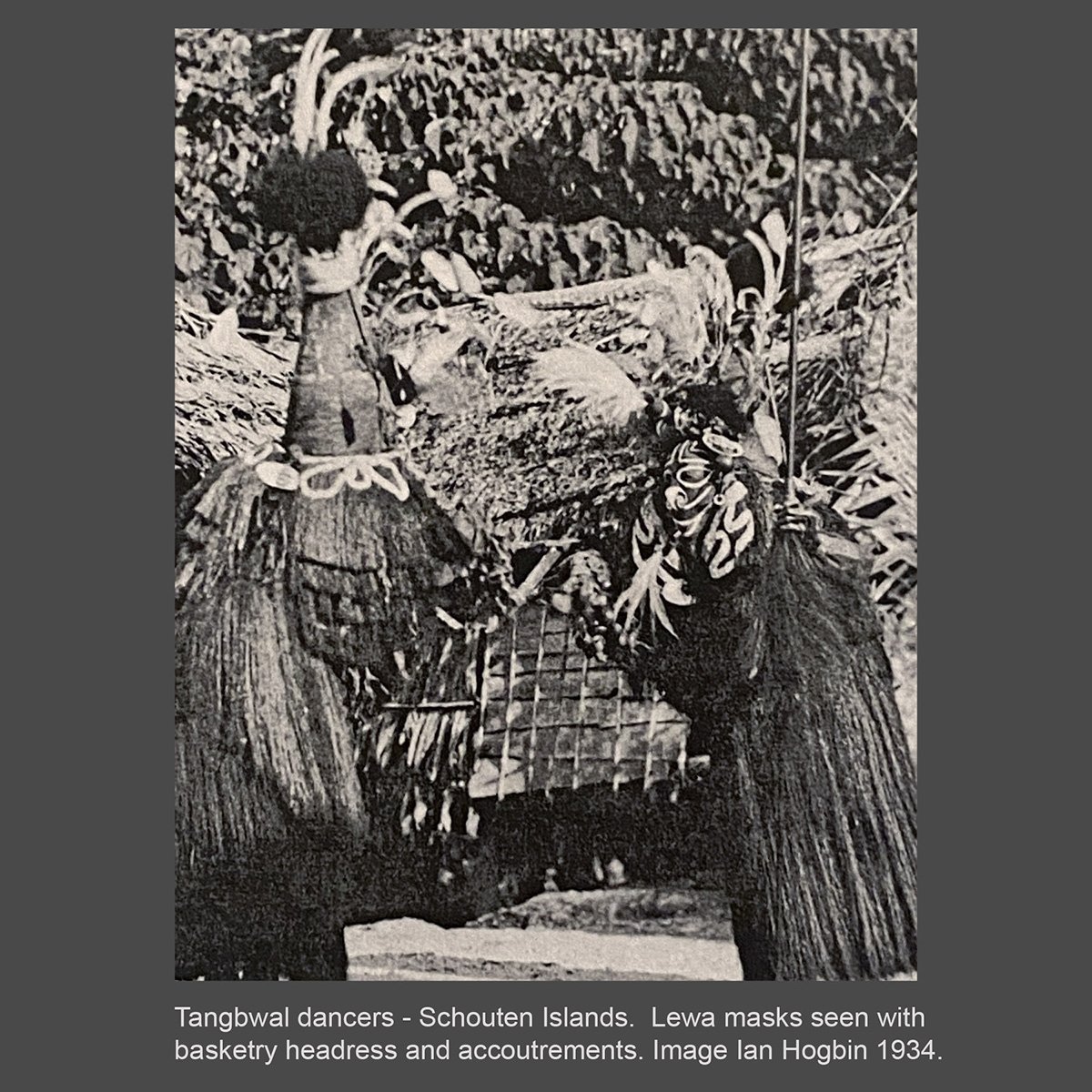 Image 8 of 9
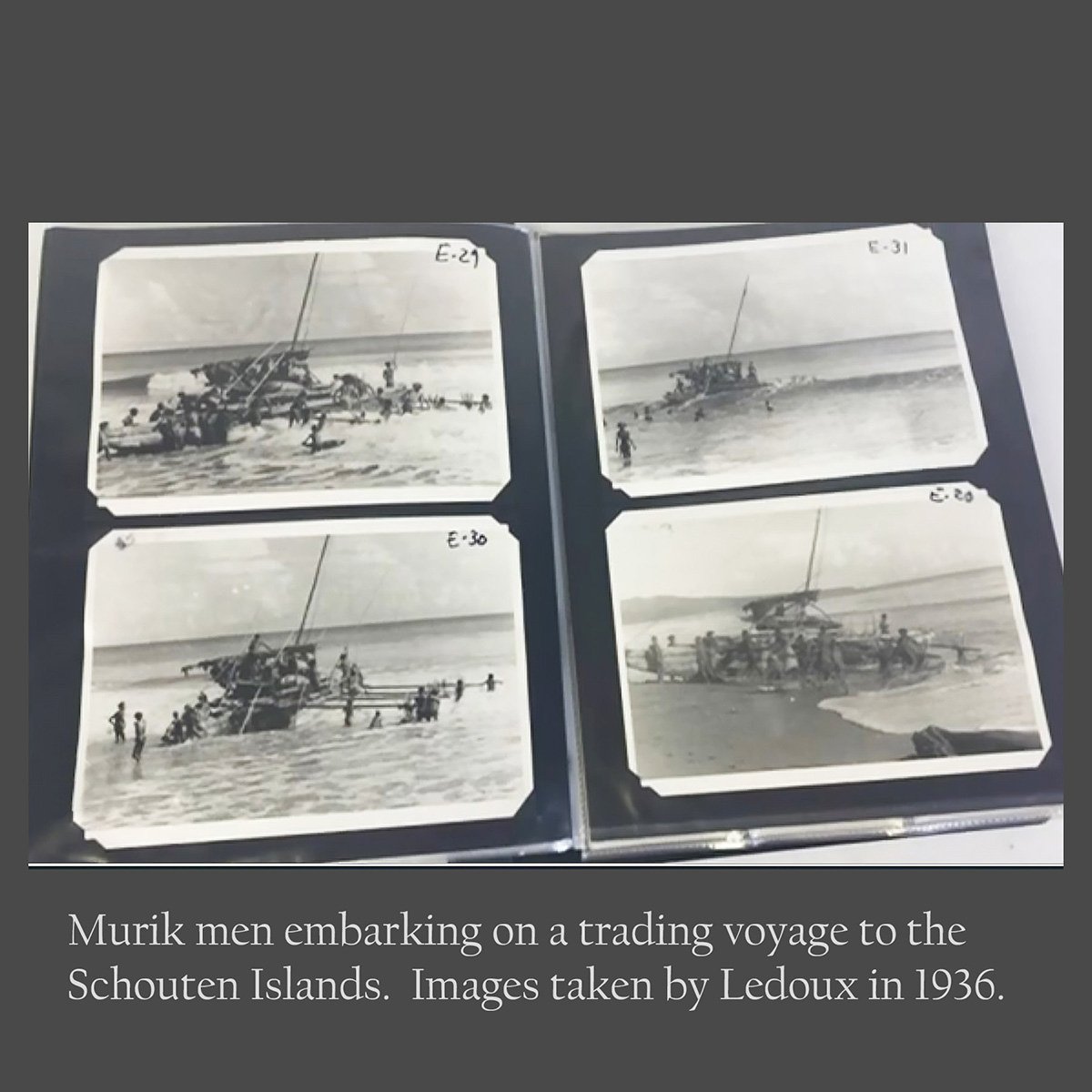 Image 9 of 9