Peru
200 BC - 600 AD
Height: 3 1/8 in Length: 5 in (7.93 x 12.7 cm)
Provenance: Tony Berlant, Santa Monica CA
Recuay pottery represented a significant innovation in Andean ceramics. The finest wares were a creamy white that resulted from the use of iron-poor clays known today as kaolinite. This type of clay is less plastic and requires higher firing temperatures than others. As a result, finely made works, such as this outstanding frog, were the product of both skilled artisans and improved firing technologies, including the use of specialized kilns. Not all Recuay ceramics were made of kaolinite, however. Many were made from more common iron-rich clays (the type that produces red wares) and white slip (a very liquid clay) that was applied before firing, creating white surfaces with a diverse range of tones.
We ship free anywhere in the world, fully insured and packed by hand.


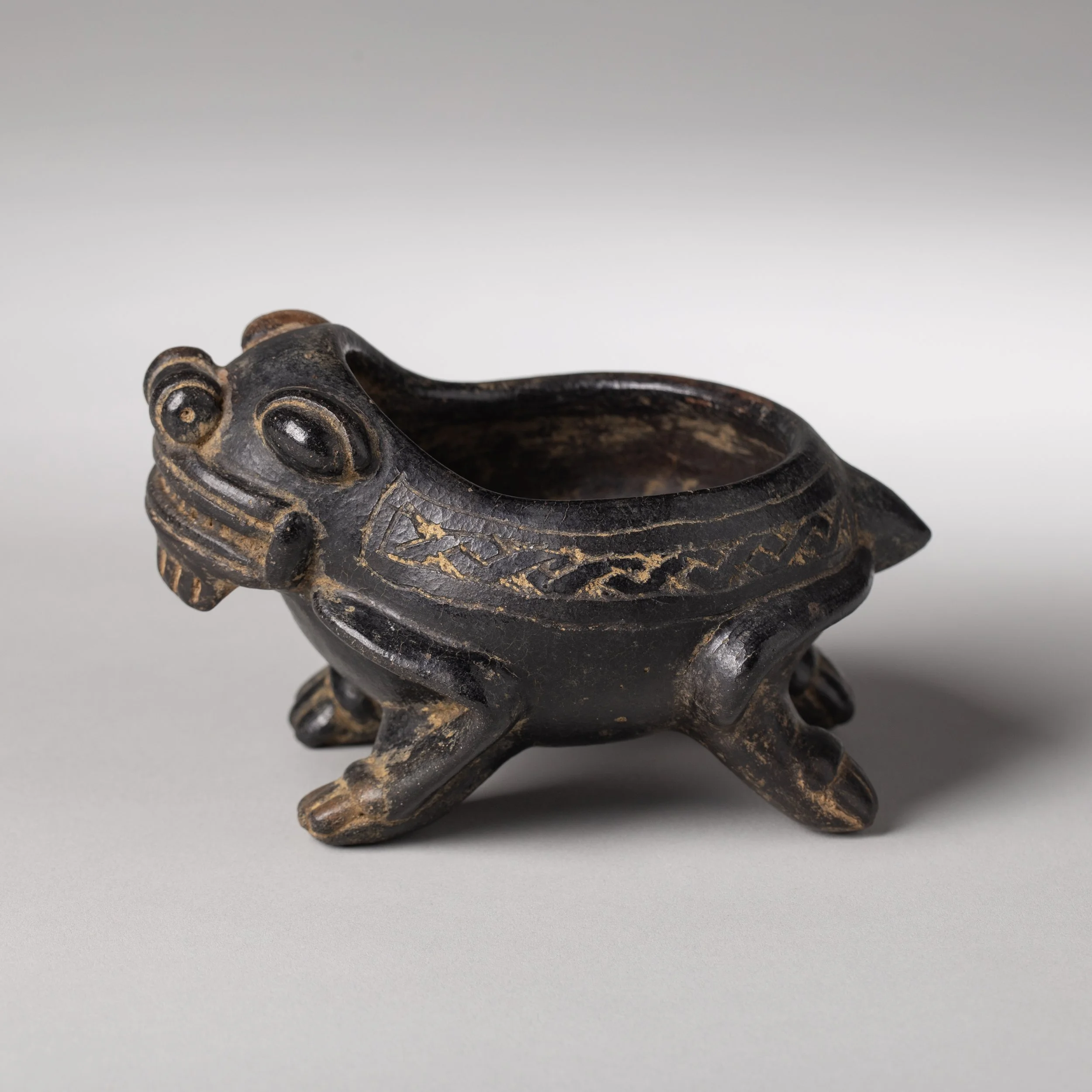 Image 1 of 8
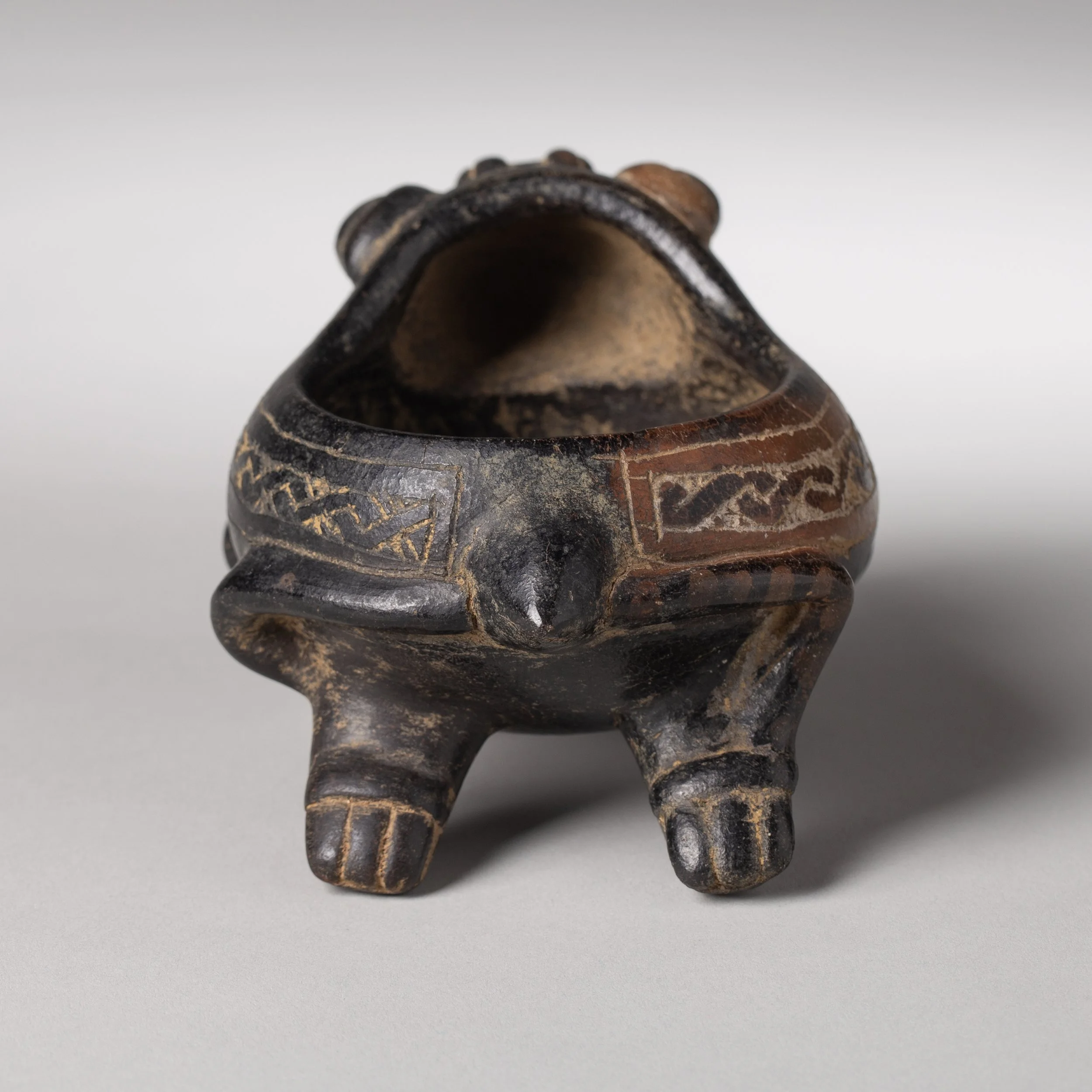 Image 2 of 8
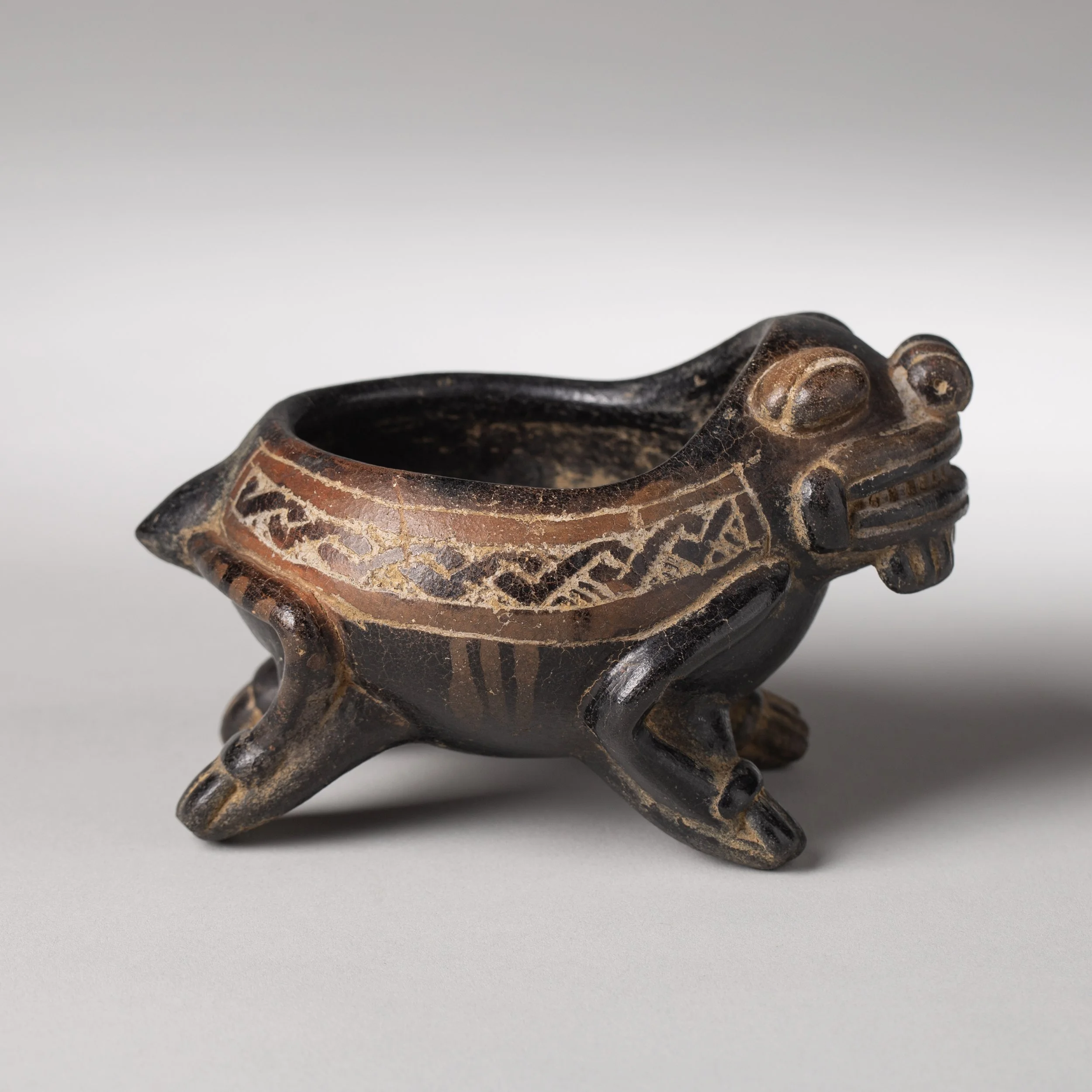 Image 3 of 8
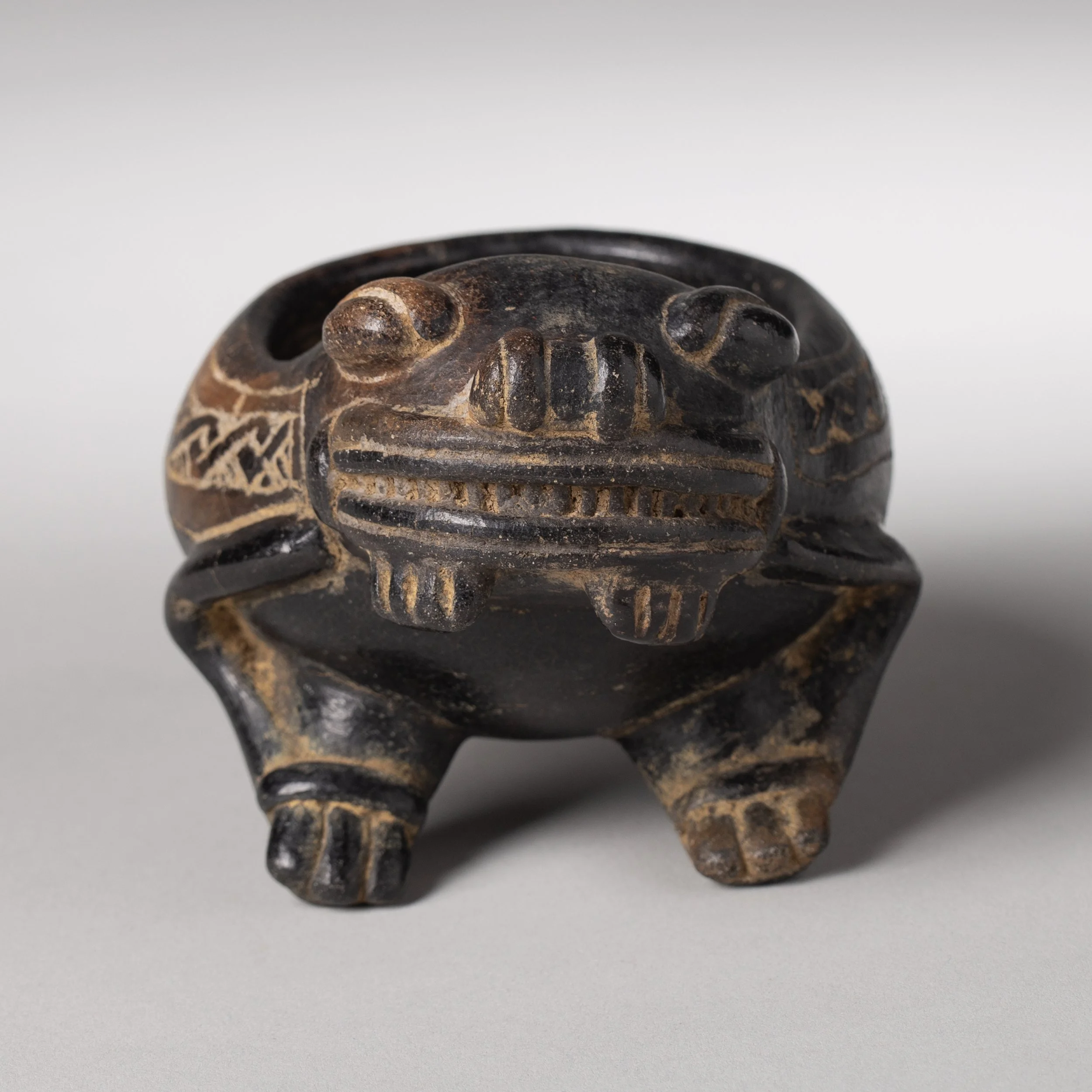 Image 4 of 8
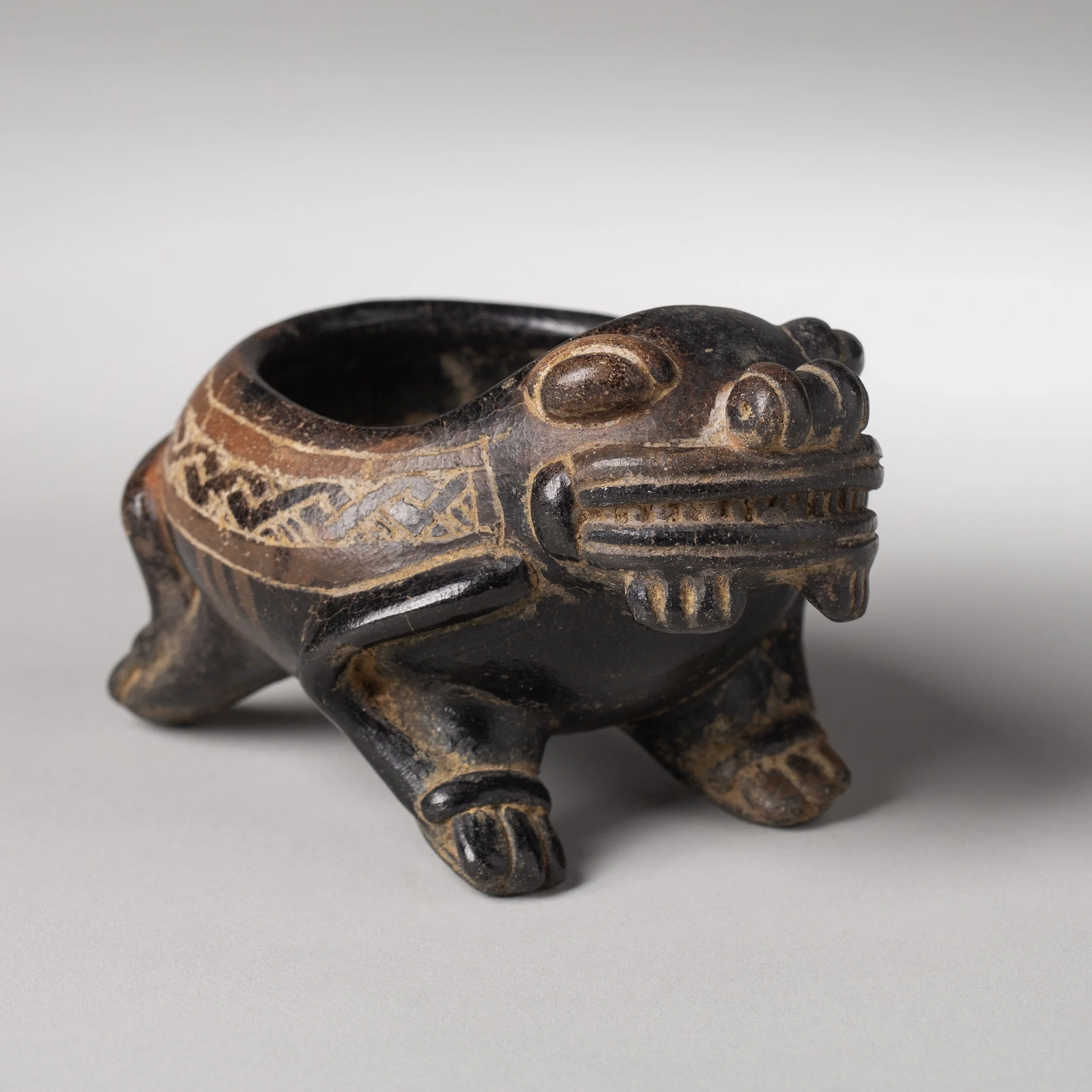 Image 5 of 8
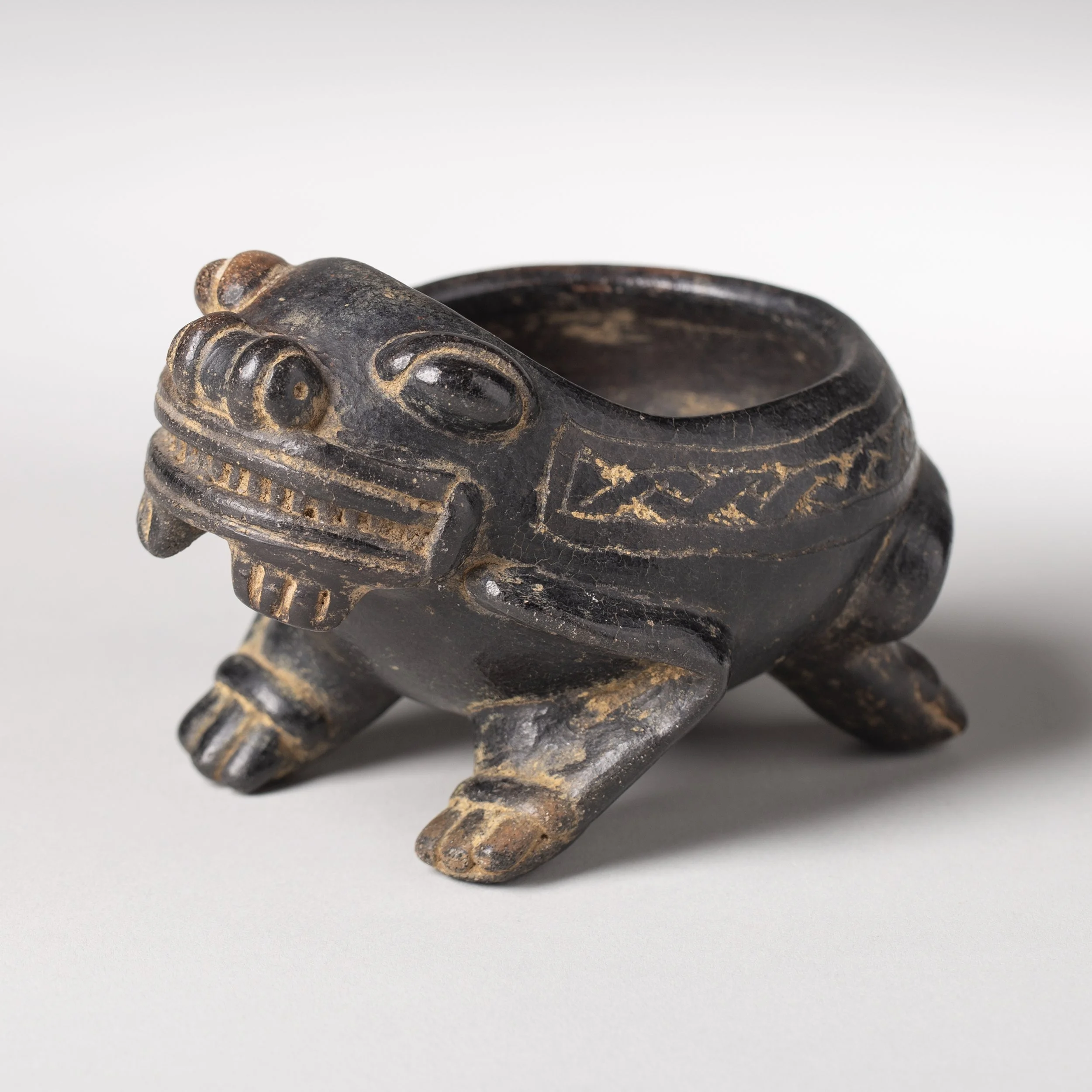 Image 6 of 8
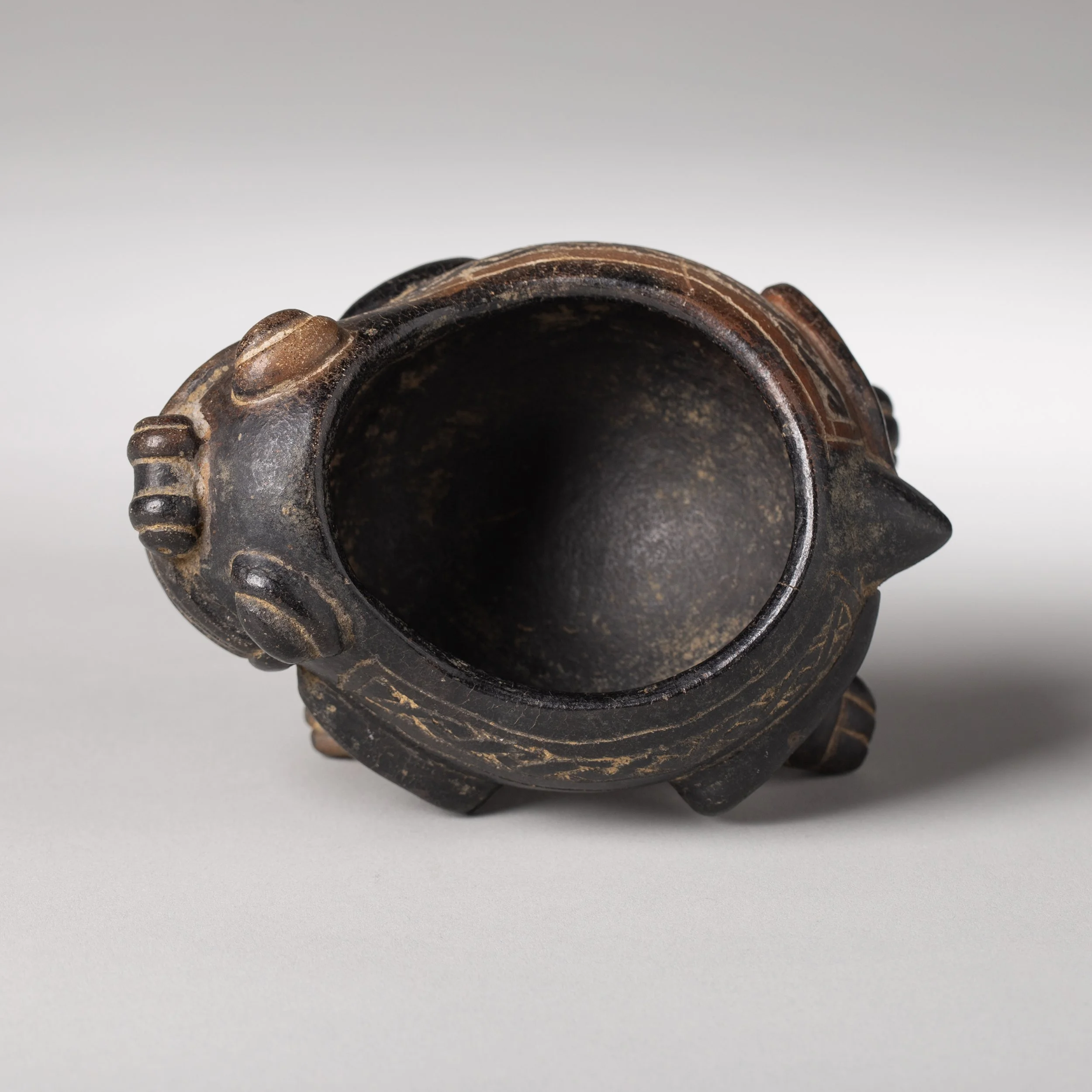 Image 7 of 8
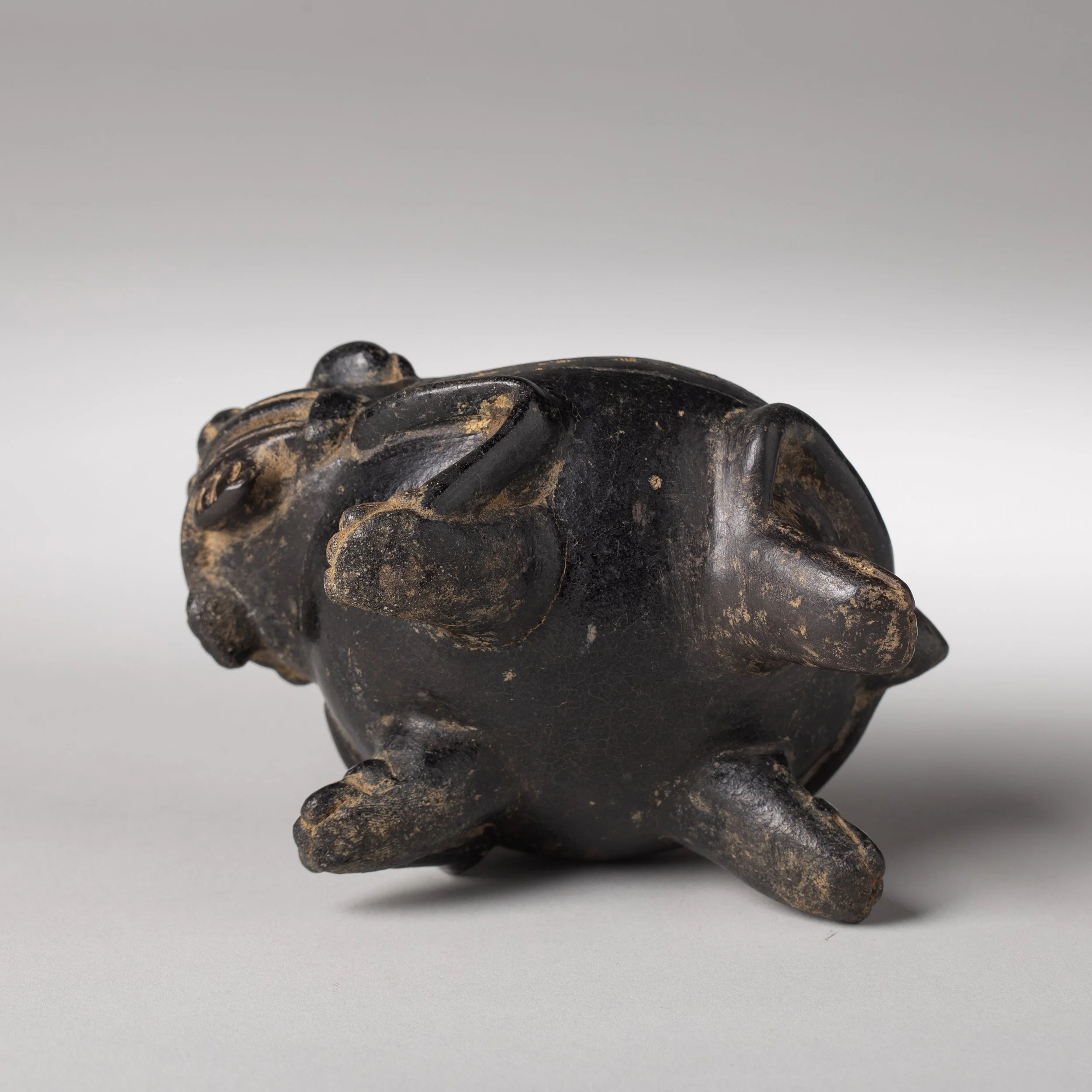 Image 8 of 8