Australian Aboriginal
Early to mid-19th century
Hardwood
Lengths: 27 1/2 to 30 1/4 in (70 to 77 cm)
Provenance: English private collection
This group of five Australian Aboriginal fighting clubs includes examples associated with Victoria, New South Wales, the Yarra River region, and the Hunter Valley. Aboriginal wooden clubs, often known by names such as waddy, nulla-nulla, lil-lil, or regional terms, were made from dense hardwoods and used in combat, defense, and formalized dispute resolution. The group includes serrated, pointed, flattened, and paddle-like forms, showing the regional variety of Australian Aboriginal weapon forms.
The clubs are carved with incised geometric, serrated, and pictographic designs, including chevrons, tooth motifs, rectangular bands, and a turtle-like figure on one flattened head. One club bears an old painted inscription referring to Prospect, New South Wales, and the date July 14, 1862, giving the group a specific historical reference point. As a collected group, these clubs show both functional design and the visual language used to mark identity, place, and cultural meaning within Australian Aboriginal material culture.
The group is especially strong because each club represents a distinct form, surface treatment, and regional association. Together they allow comparison between fighting, parrying, and ceremonial weapon types rather than presenting a single isolated example. The English private collection provenance further supports the group’s position as a serious collecting object within Oceanic and Australian Aboriginal material culture.
We ship free anywhere in the world, fully insured, packed by hand.
Australian Aboriginal
Early to mid-19th century
Hardwood
Lengths: 27 1/2 to 30 1/4 in (70 to 77 cm)
Provenance: English private collection
This group of five Australian Aboriginal fighting clubs includes examples associated with Victoria, New South Wales, the Yarra River region, and the Hunter Valley. Aboriginal wooden clubs, often known by names such as waddy, nulla-nulla, lil-lil, or regional terms, were made from dense hardwoods and used in combat, defense, and formalized dispute resolution. The group includes serrated, pointed, flattened, and paddle-like forms, showing the regional variety of Australian Aboriginal weapon forms.
The clubs are carved with incised geometric, serrated, and pictographic designs, including chevrons, tooth motifs, rectangular bands, and a turtle-like figure on one flattened head. One club bears an old painted inscription referring to Prospect, New South Wales, and the date July 14, 1862, giving the group a specific historical reference point. As a collected group, these clubs show both functional design and the visual language used to mark identity, place, and cultural meaning within Australian Aboriginal material culture.
The group is especially strong because each club represents a distinct form, surface treatment, and regional association. Together they allow comparison between fighting, parrying, and ceremonial weapon types rather than presenting a single isolated example. The English private collection provenance further supports the group’s position as a serious collecting object within Oceanic and Australian Aboriginal material culture.
We ship free anywhere in the world, fully insured, packed by hand.


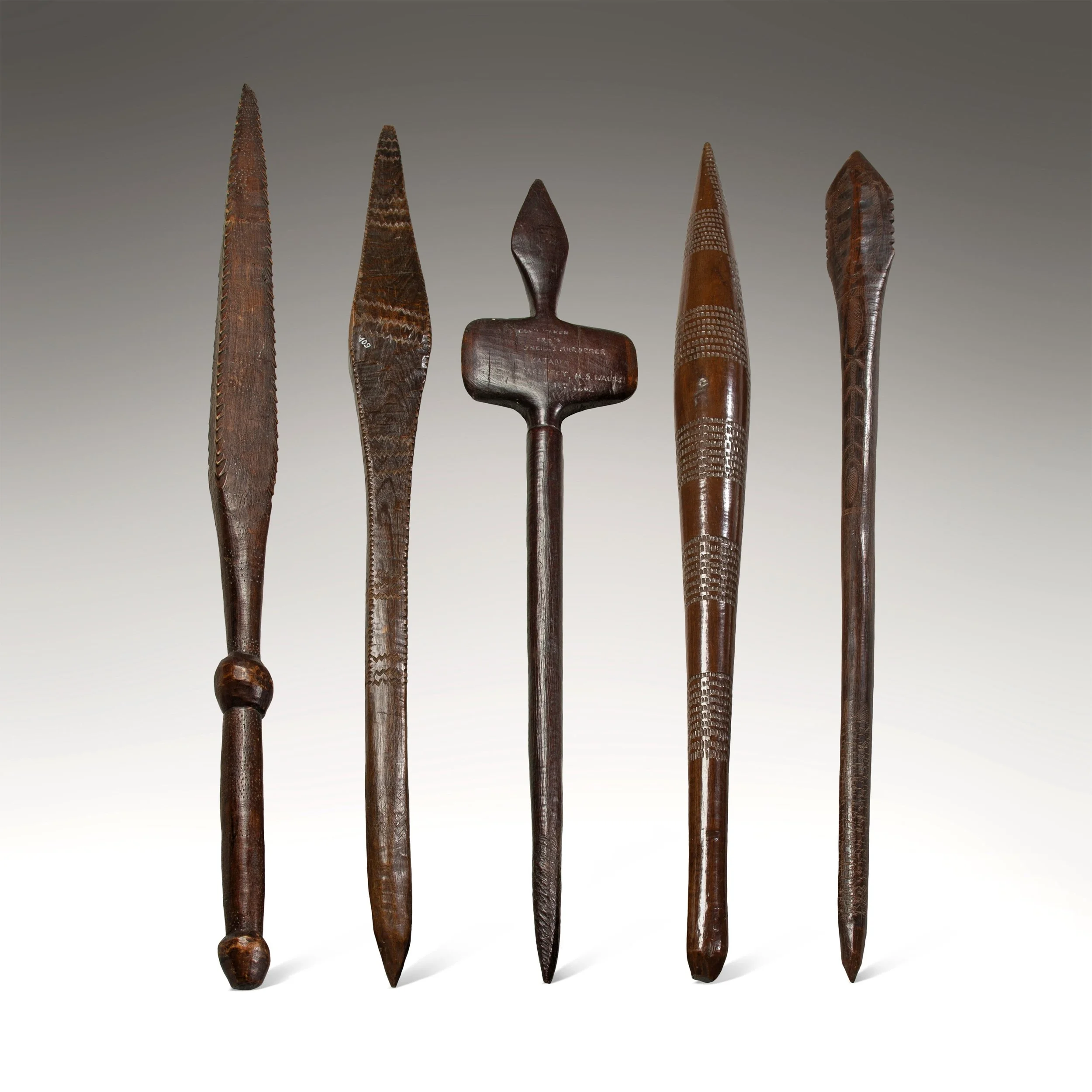 Image 1 of 9
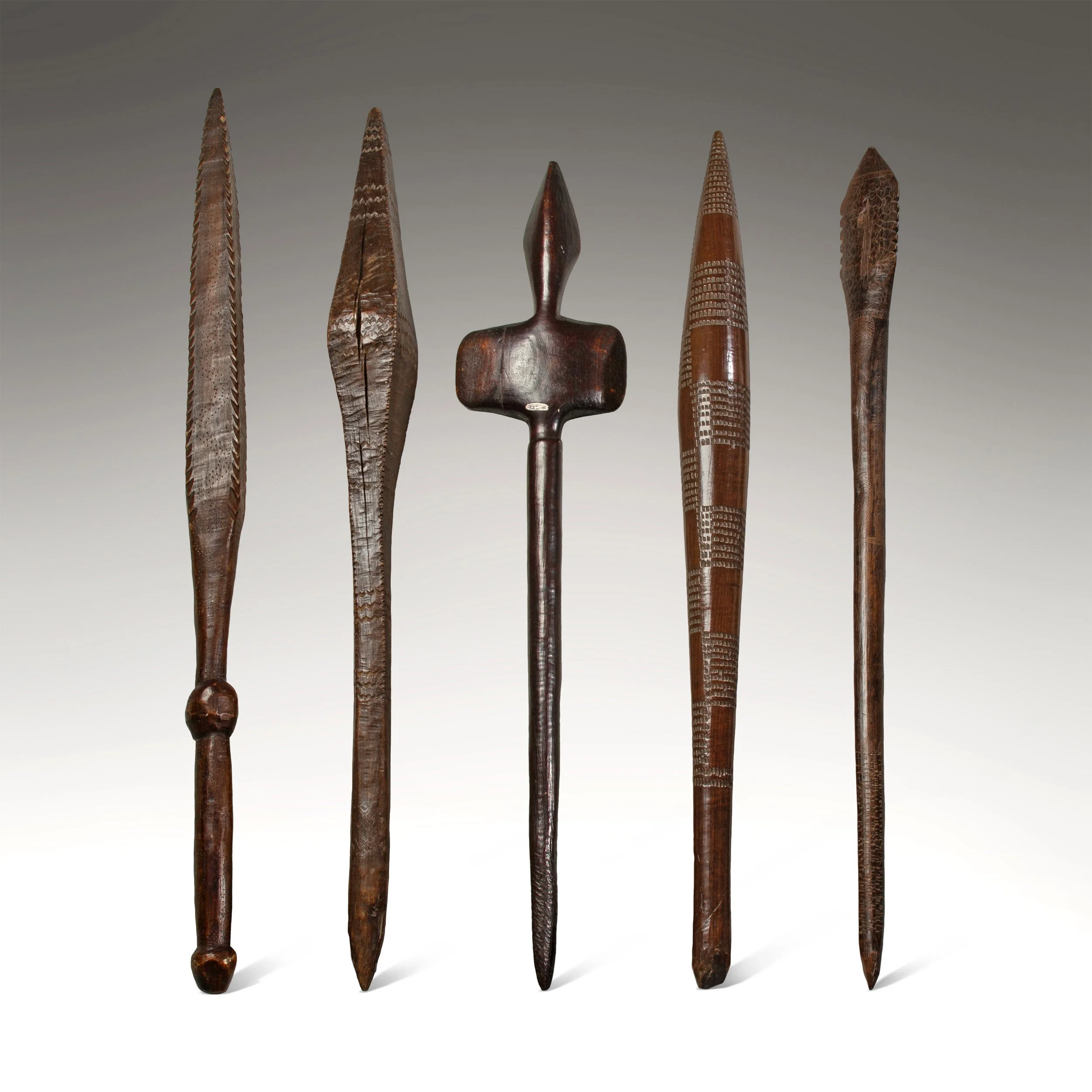 Image 2 of 9
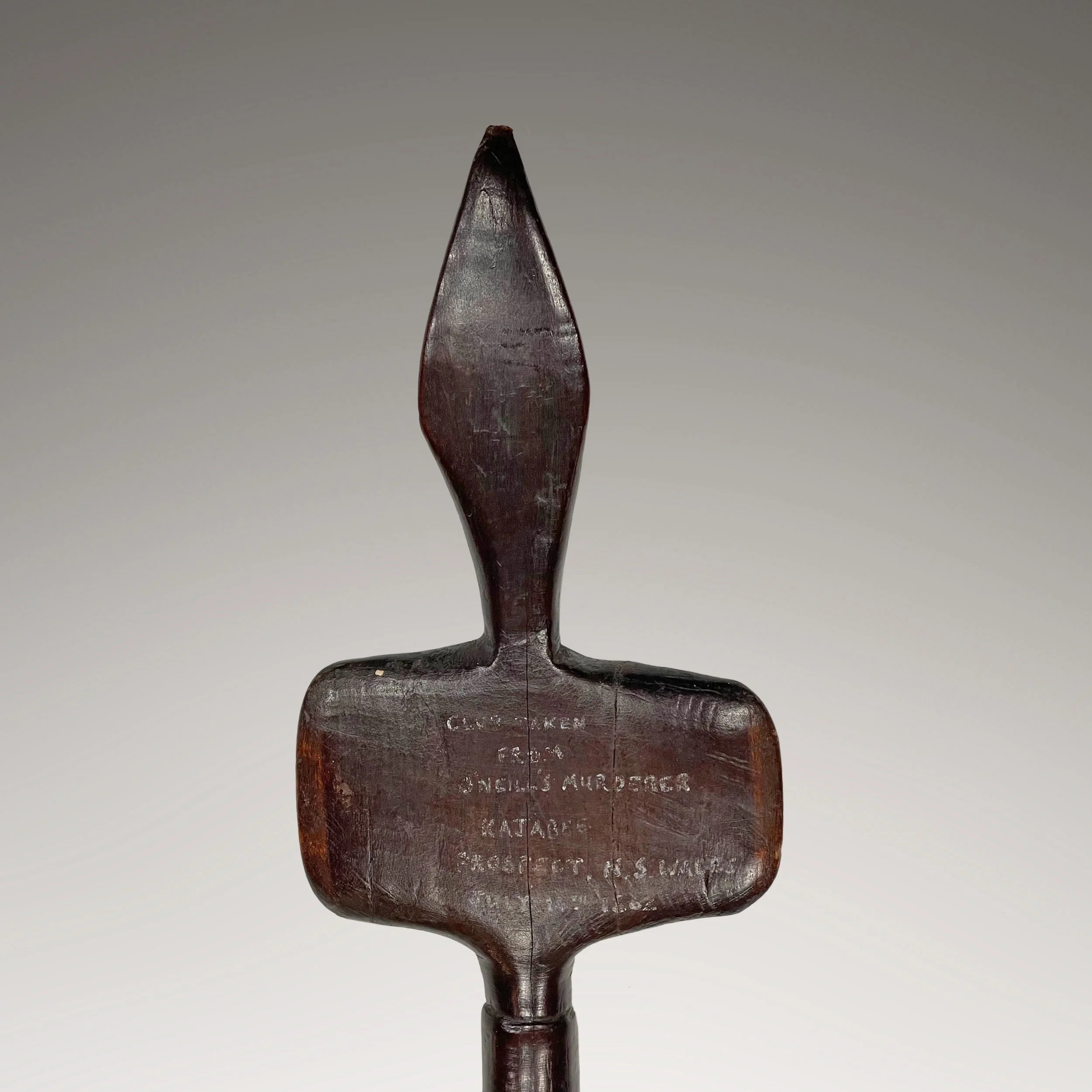 Image 3 of 9
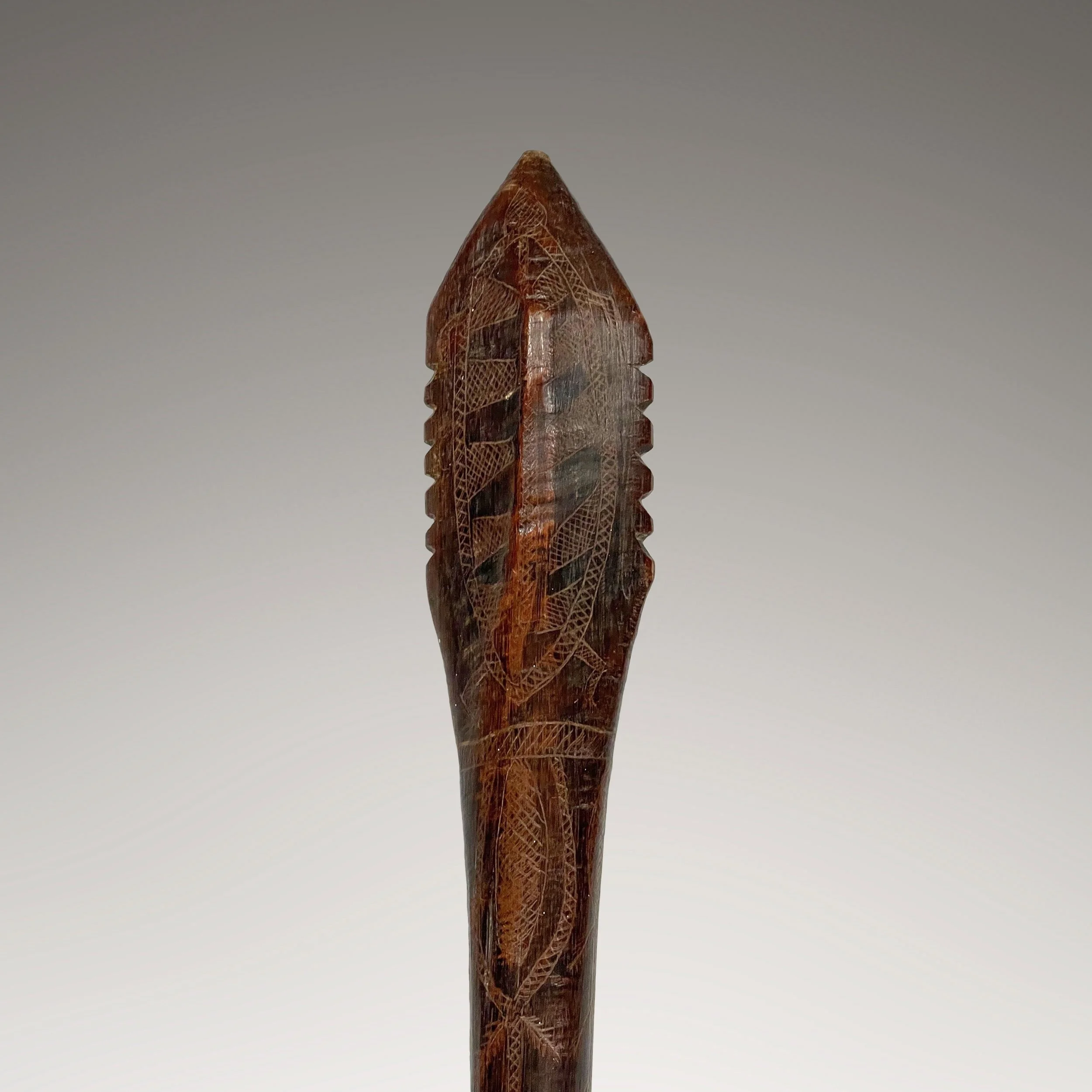 Image 4 of 9
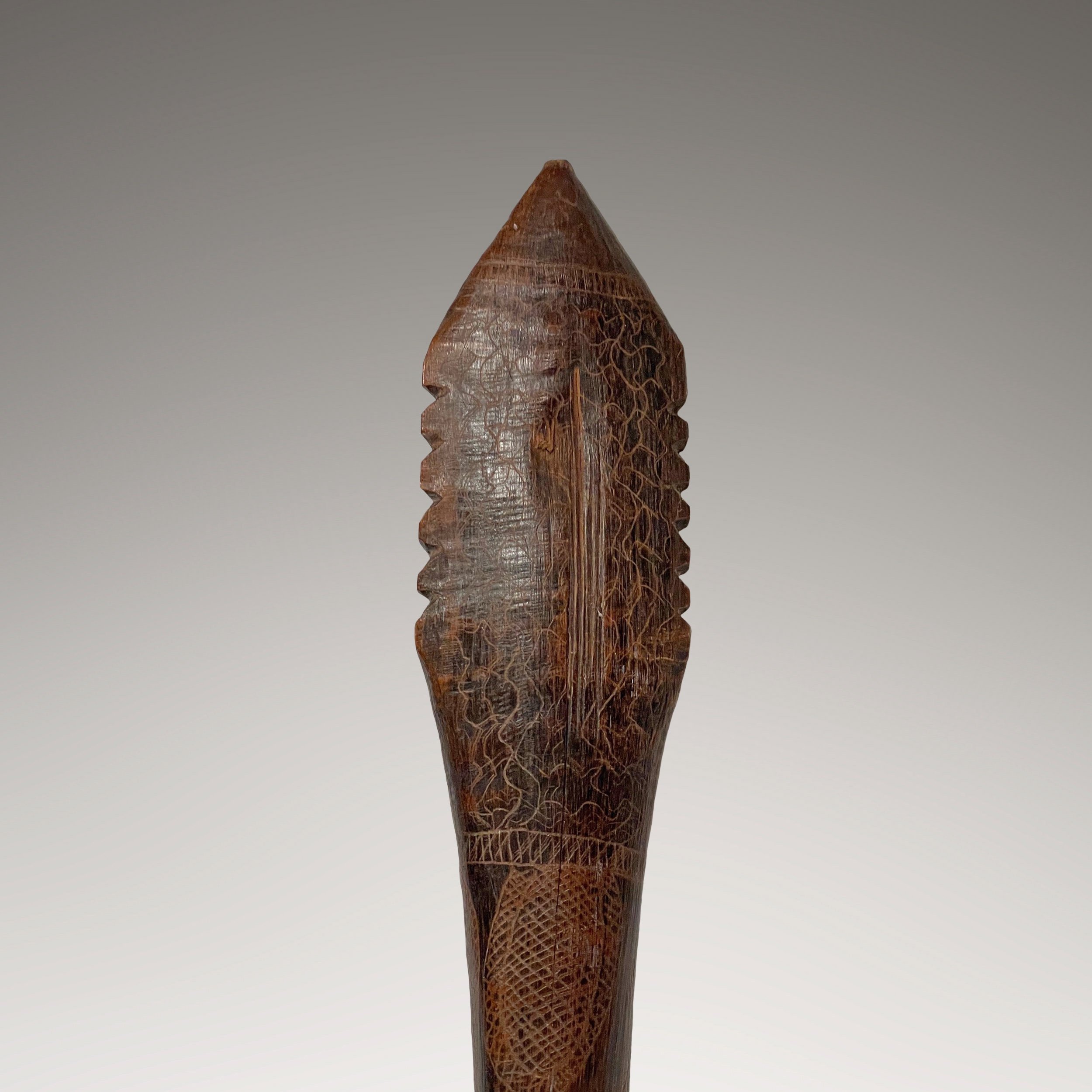 Image 5 of 9
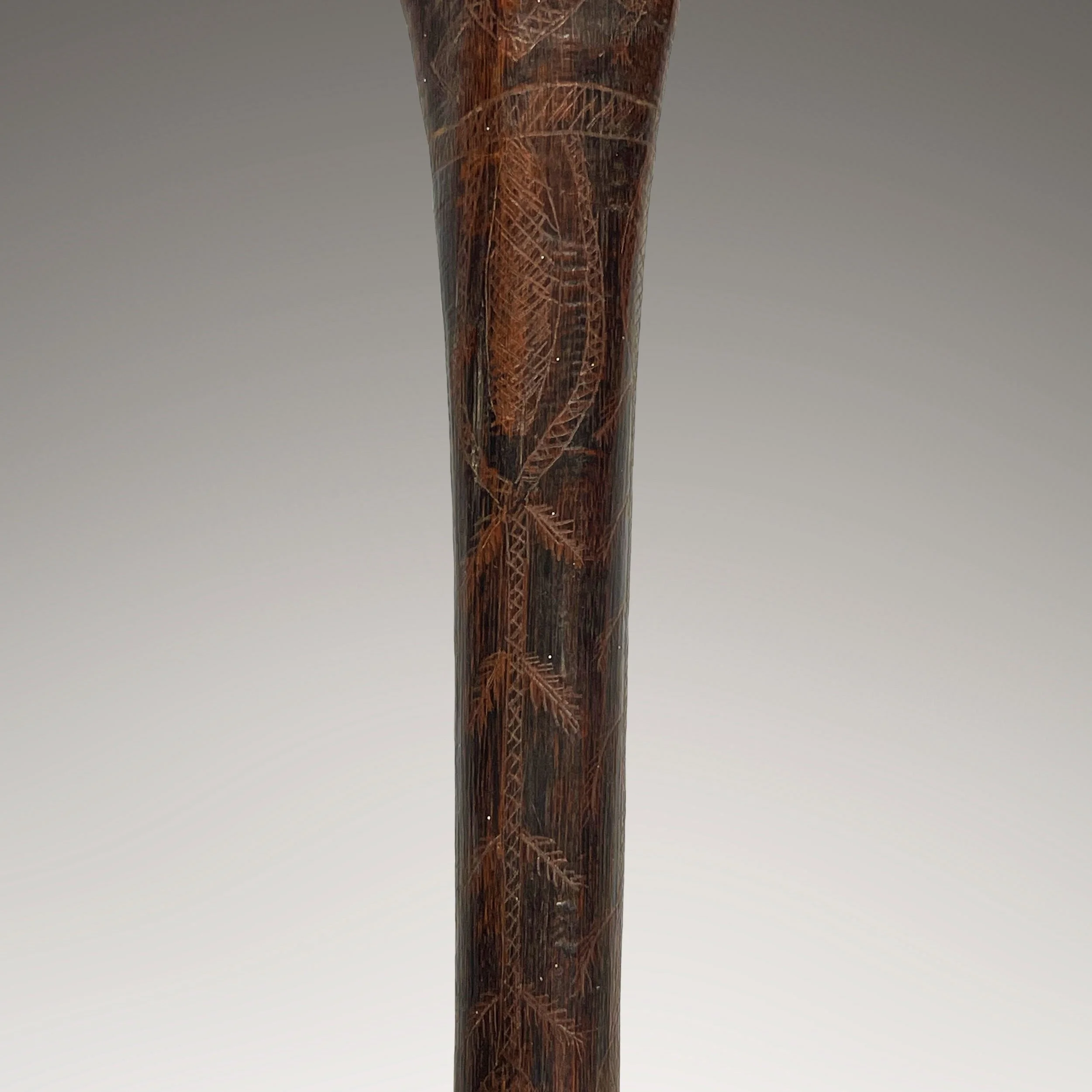 Image 6 of 9
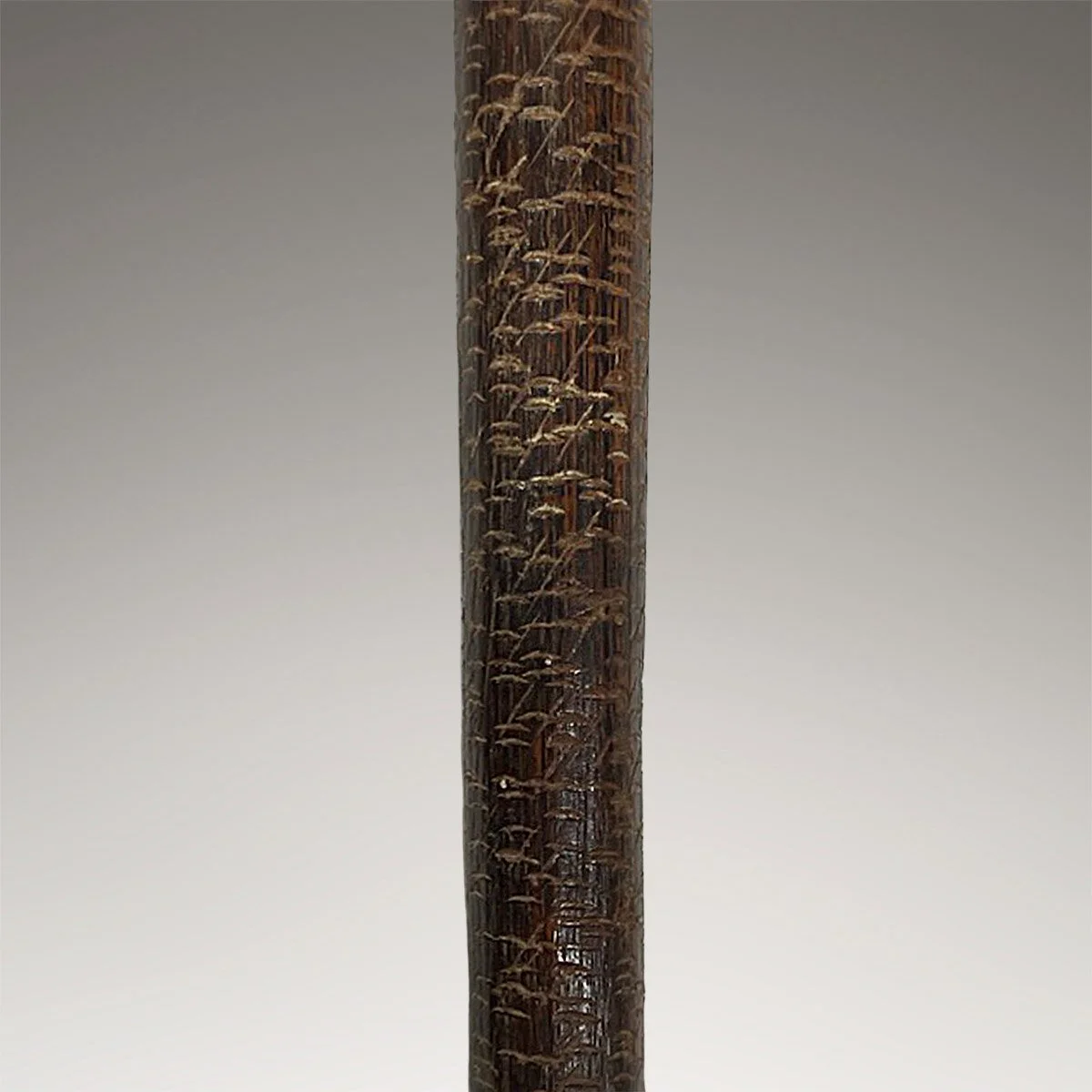 Image 7 of 9
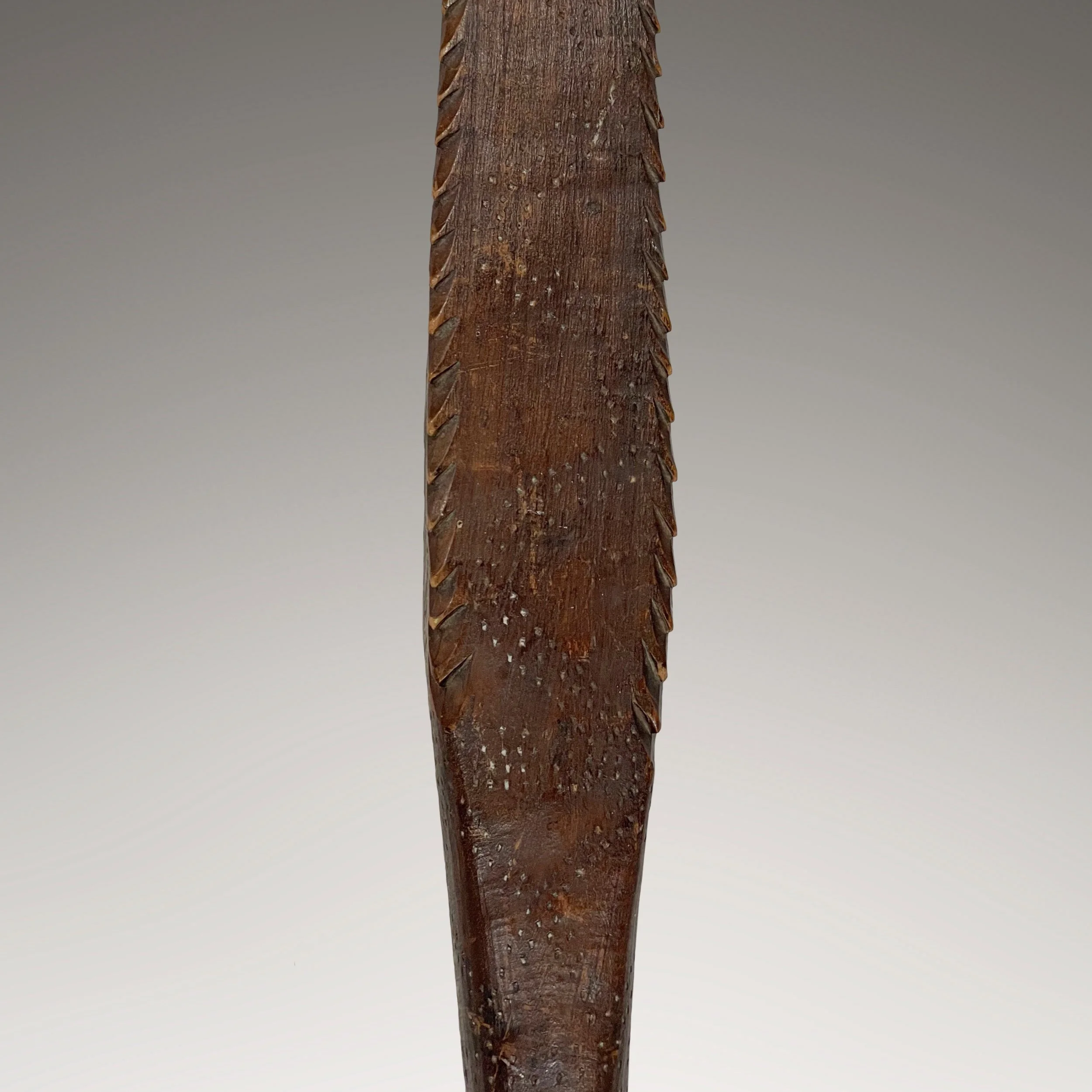 Image 8 of 9
 Image 9 of 9