Himalayan Kapala Skull Cup, Sikkim, Webster 1897
Sikkim, Northern India
19th century or before
Human skull
Height 4 in (10.2 cm), Width 5.25 in (13.3 cm), Depth 7 in (17.8 cm)
Provenance: Webster collection, acquired October 1897
With old label: "Cup made from a human skull from Sikim, Northern India. Used by the Mendicant Llama priests. BT. of Webster. Oct. 1897. P."
The kapala, or skull cup, is one of the most significant ritual objects in Tibetan Buddhist and Hindu Tantric practice, made from the calvarium of a human skull and used by advanced practitioners in ceremonies involving offerings to wrathful deities. This example comes from Sikkim, the Himalayan kingdom on the border of Tibet and northern India that served as a major conduit for Tibetan Buddhist practice and material culture into the subcontinent. The old Webster collection label, recording acquisition in October 1897, places the provenance of this piece within the earliest period of serious Western engagement with Himalayan ritual material.
Skull cups of this type were used specifically by mendicant lama priests, as the original label notes, practitioners who operated outside the monastic system and engaged directly with the more esoteric dimensions of Vajrayana practice. The kapala represents the impermanence of the physical body and the transformation of ordinary substances into offerings worthy of the highest tantric deities. This example, with its documented nineteenth century Western provenance and original label intact, is an unusually well-provenanced piece of Himalayan ritual material.
We ship free anywhere in the world, fully insured, packed by hand.
Himalayan Kapala Skull Cup, Sikkim, Webster 1897
Sikkim, Northern India
19th century or before
Human skull
Height 4 in (10.2 cm), Width 5.25 in (13.3 cm), Depth 7 in (17.8 cm)
Provenance: Webster collection, acquired October 1897
With old label: "Cup made from a human skull from Sikim, Northern India. Used by the Mendicant Llama priests. BT. of Webster. Oct. 1897. P."
The kapala, or skull cup, is one of the most significant ritual objects in Tibetan Buddhist and Hindu Tantric practice, made from the calvarium of a human skull and used by advanced practitioners in ceremonies involving offerings to wrathful deities. This example comes from Sikkim, the Himalayan kingdom on the border of Tibet and northern India that served as a major conduit for Tibetan Buddhist practice and material culture into the subcontinent. The old Webster collection label, recording acquisition in October 1897, places the provenance of this piece within the earliest period of serious Western engagement with Himalayan ritual material.
Skull cups of this type were used specifically by mendicant lama priests, as the original label notes, practitioners who operated outside the monastic system and engaged directly with the more esoteric dimensions of Vajrayana practice. The kapala represents the impermanence of the physical body and the transformation of ordinary substances into offerings worthy of the highest tantric deities. This example, with its documented nineteenth century Western provenance and original label intact, is an unusually well-provenanced piece of Himalayan ritual material.
We ship free anywhere in the world, fully insured, packed by hand.


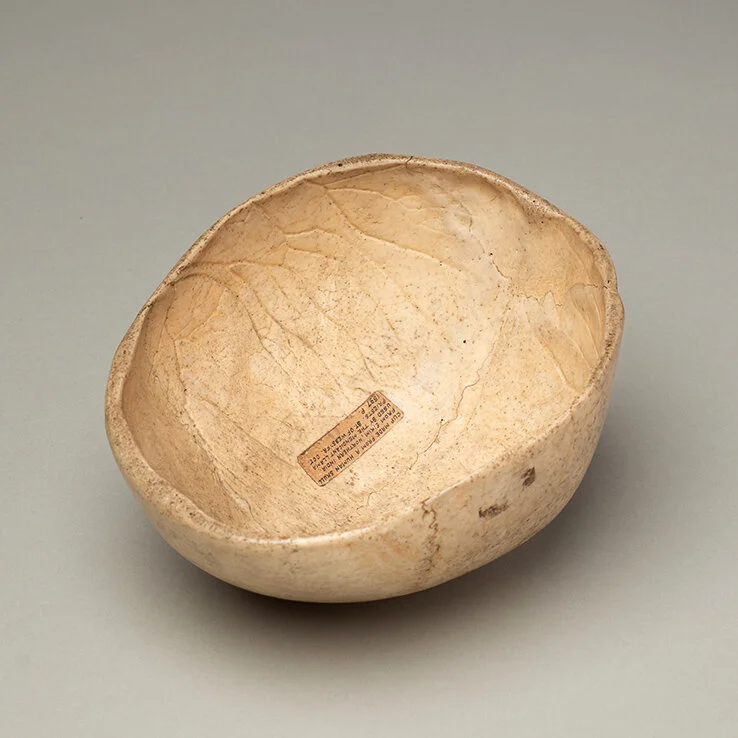 Image 1 of 8
 Image 2 of 8
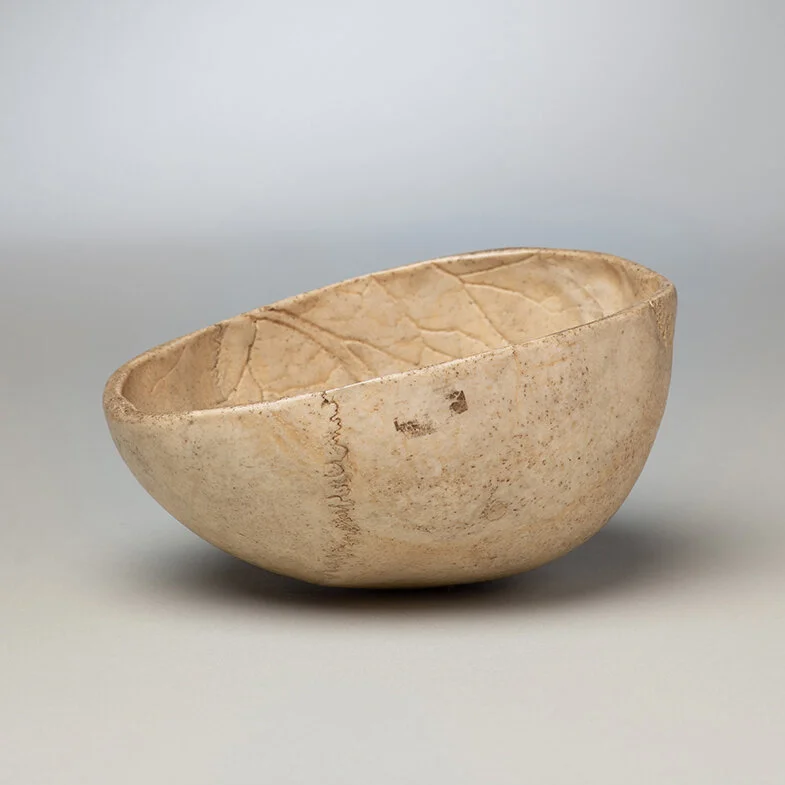 Image 3 of 8
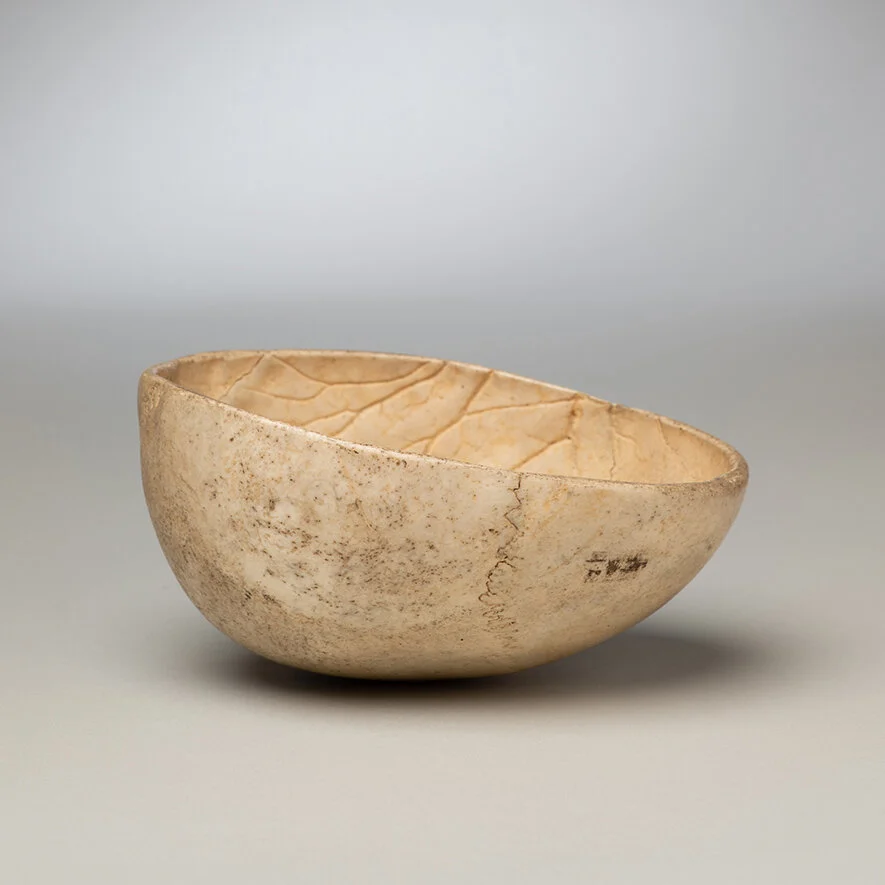 Image 4 of 8
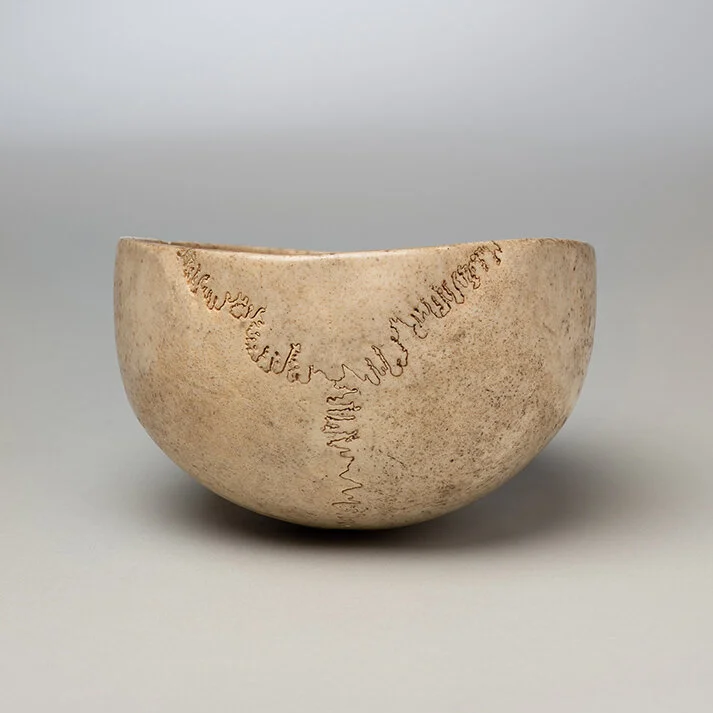 Image 5 of 8
 Image 6 of 8
 Image 7 of 8
 Image 8 of 8