Hopi, Southwest
1870s
Ingot silver, jet, turquoise, spiny oyster shell, leather
Silver height 2 1/2" (6.4 cm); width 3 1/2" (8.9 cm)
Provenance: Fred Boschan, Philadelphia, Pennsylvania
This Hopi bow guard, or ketoh, dates to the 1870s and is worked in early ingot silver with inset jet, turquoise, and spiny oyster shell. Bow guards were worn at the wrist to protect against the recoil of the bowstring when releasing an arrow, and in this example the protective function is joined with a mask-like face design that connects the object to ceremonial identity and visual authority. The use of ingot silver places the piece within an early period of Native Southwestern silverwork, before commercial sheet silver became widely available.
The silver face is framed by dark leather and detailed with radiating stampwork, rectangular eyes, and a central shell-set mouth. The combination of silver, shell, turquoise, and jet reflects the visual language of Hopi adornment and the technical command of early Hopi silversmiths working with hand-processed ingot metal. The mask imagery gives the bow guard meaning beyond its practical use, connecting personal protection with the ceremonial life of the wearer.
Ketoh are among the earliest forms of Native Southwestern silver jewelry, with Hopi and Navajo examples from the 1870s representing the foundational period of the tradition before outside influence and commercial materials altered production. Examples from this decade with documented provenance and intact inlay are encountered with decreasing frequency as early 19th century Southwestern silver has moved steadily into institutional collections. The Fred Boschan provenance places this piece within a Philadelphia private collection with a documented history of Southwestern material.
We ship free anywhere in the world, fully insured, packed by hand.
INQUIRE HERE
Hopi, Southwest
1870s
Ingot silver, jet, turquoise, spiny oyster shell, leather
Silver height 2 1/2" (6.4 cm); width 3 1/2" (8.9 cm)
Provenance: Fred Boschan, Philadelphia, Pennsylvania
This Hopi bow guard, or ketoh, dates to the 1870s and is worked in early ingot silver with inset jet, turquoise, and spiny oyster shell. Bow guards were worn at the wrist to protect against the recoil of the bowstring when releasing an arrow, and in this example the protective function is joined with a mask-like face design that connects the object to ceremonial identity and visual authority. The use of ingot silver places the piece within an early period of Native Southwestern silverwork, before commercial sheet silver became widely available.
The silver face is framed by dark leather and detailed with radiating stampwork, rectangular eyes, and a central shell-set mouth. The combination of silver, shell, turquoise, and jet reflects the visual language of Hopi adornment and the technical command of early Hopi silversmiths working with hand-processed ingot metal. The mask imagery gives the bow guard meaning beyond its practical use, connecting personal protection with the ceremonial life of the wearer.
Ketoh are among the earliest forms of Native Southwestern silver jewelry, with Hopi and Navajo examples from the 1870s representing the foundational period of the tradition before outside influence and commercial materials altered production. Examples from this decade with documented provenance and intact inlay are encountered with decreasing frequency as early 19th century Southwestern silver has moved steadily into institutional collections. The Fred Boschan provenance places this piece within a Philadelphia private collection with a documented history of Southwestern material.
We ship free anywhere in the world, fully insured, packed by hand.
INQUIRE HERE


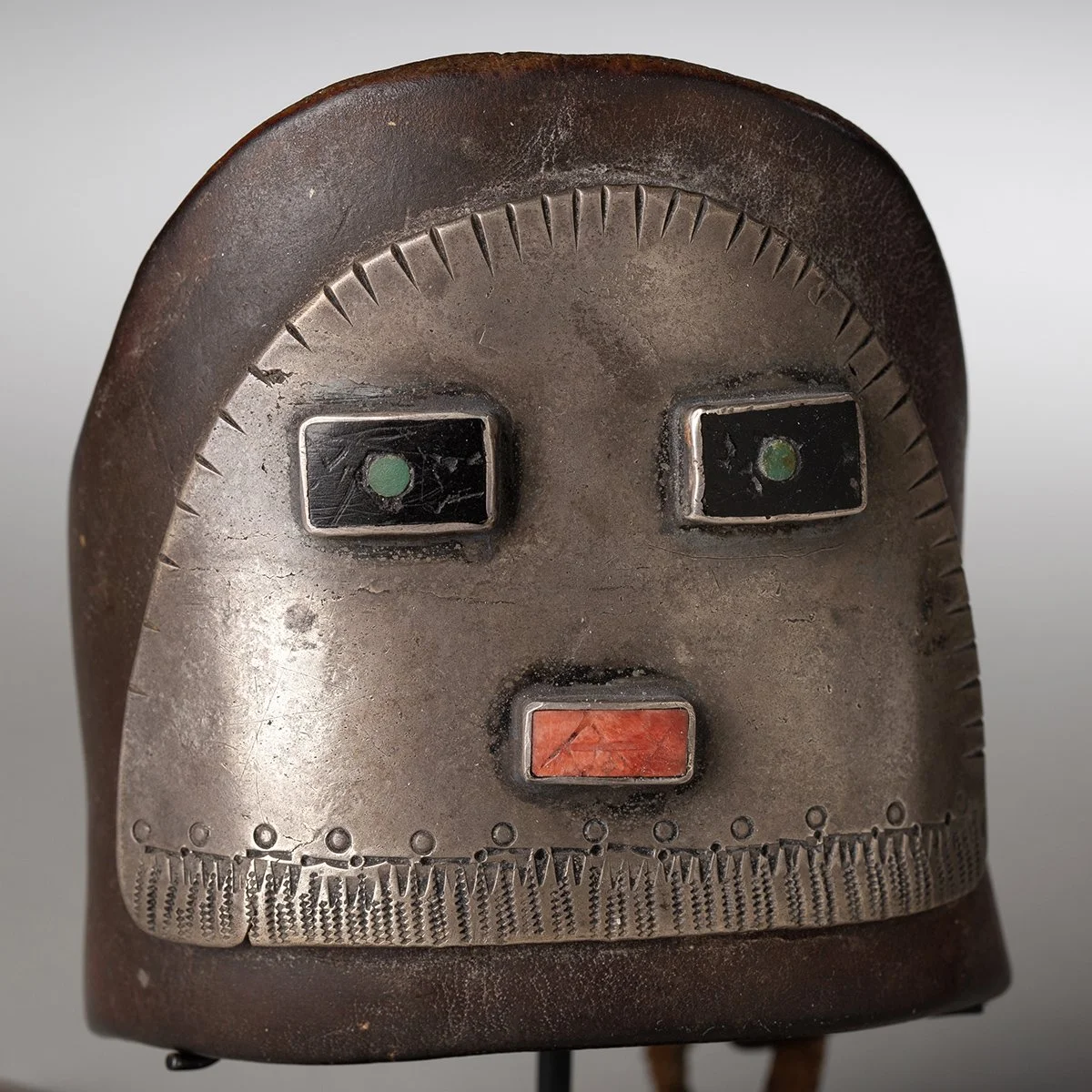 Image 1 of 7
 Image 2 of 7
 Image 3 of 7
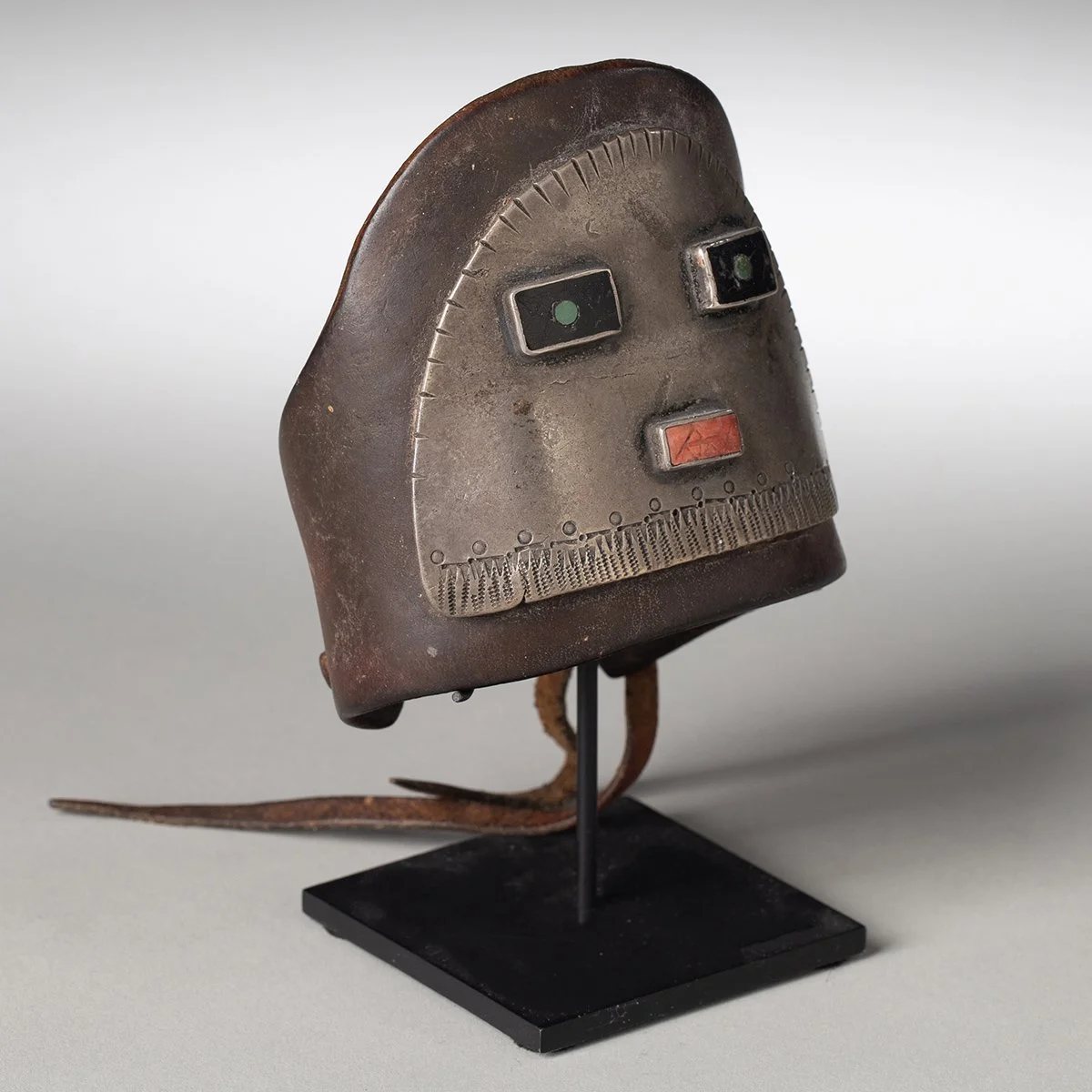 Image 4 of 7
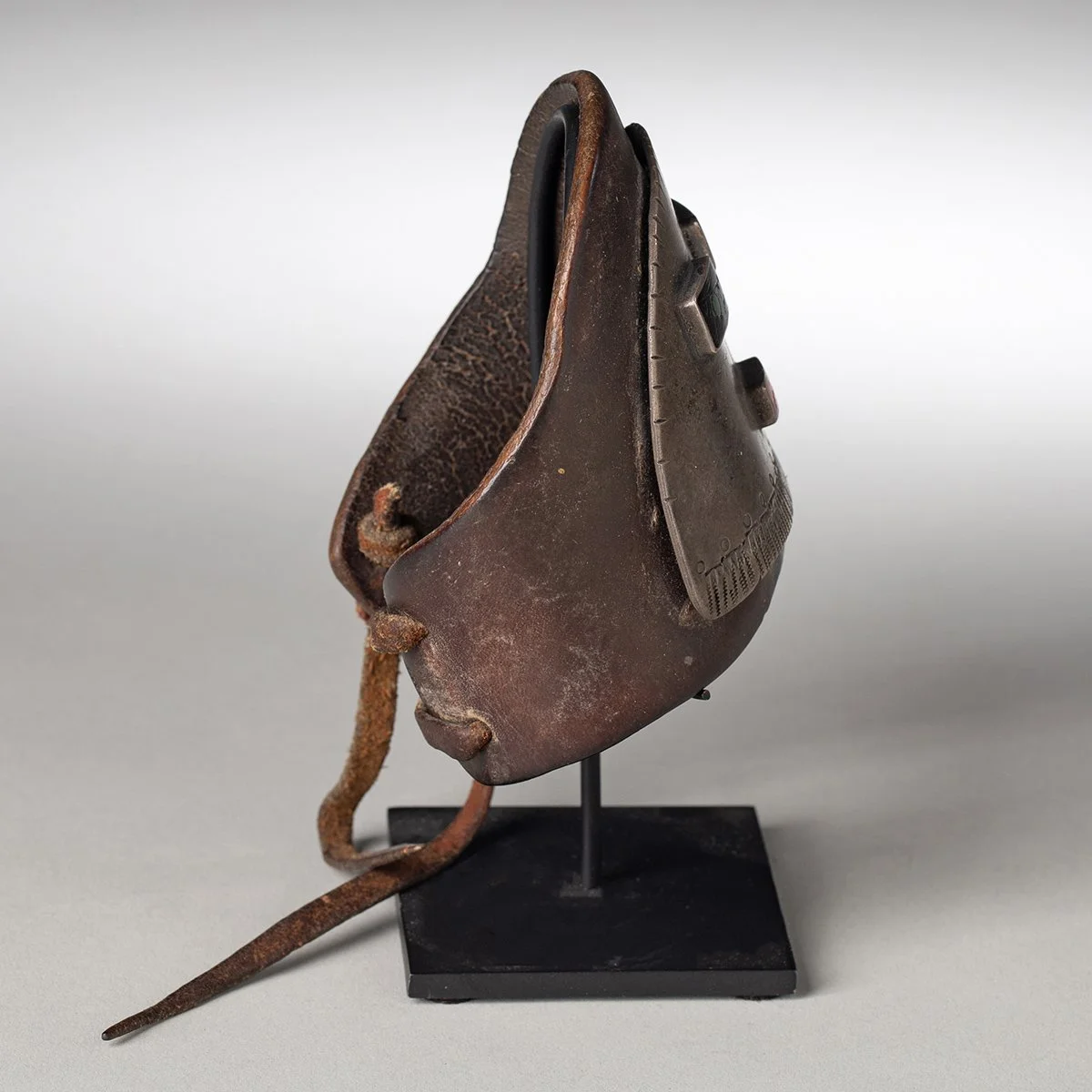 Image 5 of 7
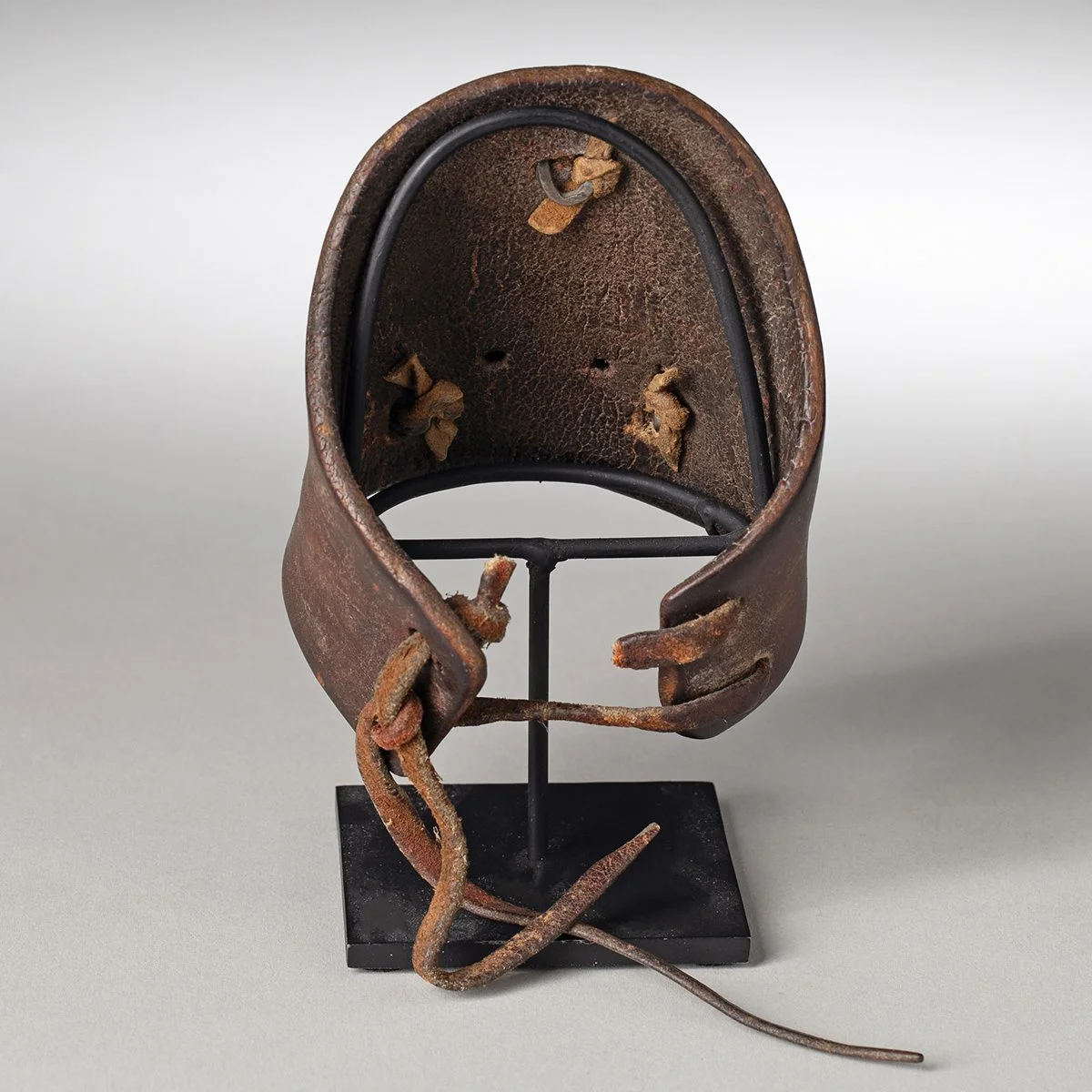 Image 6 of 7
 Image 7 of 7