Northern Great Plains
Circa 1820-30
Width: 43 inches (109 cm) Height: 26.5 inches (67.25 cm)
Brain tanned antelope hide, ermine skins, human hair, porcupine quills, pony beads, native pigments, sinew
Provenance: Niagara Falls Museum - Ontario, Canada / Billie Jamieson – Toronto, Canada
Assiniboine war shirts of the early 19th century were regarded as much more than an item of clothing. They represented courage, leadership, spiritual beliefs, and the cultural identity of the Assiniboine people of the Northern Great Plains. During the period around 1820–1830, the Assiniboine, also known as the Nakoda, occupied territories extending across present day Montana, North Dakota, and southern Canada. Their lives centered on family, community, horses, buffalo hunting, and extensive trading relationships. An elaborately decorated war shirt embodied these traditions while communicating the accomplishments and responsibilities of the individual who wore it.
War shirts were traditionally fashioned from carefully prepared animal hides, including deer, elk, or antelope. These materials provided durability and flexibility while also connecting the garment to the natural environment. The careful preparation and decoration of such a garment required extraordinary skill and patience. Skilled native women were often tasked with producing the elaborate quillwork and other decorative elements, their craftsmanship transforming available materials into an object of beauty, and personal distinction. Before glass beads became available through trade, dyed porcupine quills were an important decorative material. Quills could be flattened, colored, and arranged into carefully executed geometric patterns. These decorations were not simply ornamental. Colors, designs, and symbols could express spiritual relationships, personal experiences, or community traditions. By the early 1820s, European trade goods were beginning to be incorporated into Assiniboine culture. The combination of traditional materials and imported beads demonstrated the ability of Assiniboine artists to adapt new materials while maintaining their own artistic traditions.
Another significant feature of many Plains war shirts was the attachment of human and horsehair along the sleeves and other parts of the garment. These long strands created a dramatic appearance and often carried important symbolic meanings. Although human hair has sometimes been attributed to trophies taken from enemies, locks of hair could also be contributed by relatives and supporters. In these cases, the hair represented the wearer's relationship with the community and his responsibility to protect and provide for others, thus communicating not only his personal bravery but also the obligations that accompanied leadership.
The Assiniboine war shirt presented here is remarkable both for its exceptionally early date of manufacture and its use of brain tanned antelope hide and sinew thread. The garment is adorned with a pair of dyed porcupine quill medallions, commonly considered representations of forces of nature, such as the sun or powerful winds. It has also been suggested that the designs on medallions, such as those seen on this shirt and others from this region, may represent the wings of a Thunderbird, a sacred being for many Northern Plains tribes. Forming the perimeter of the medallions are three rows of blue and white pony beads. Below the medallions are found an enigmatic array of faintly painted circular motifs, the precise meaning of which is unknown to us today. The shoulders of the war shirt are also adorned with a rectangular band of finely executed quillwork and beadwork from which are attached ermine skins and tassels of human hair.
Surviving Assiniboine war shirts from the early nineteenth century are rare and historically significant, and the war shirt presented here offers us evidence of exceptional indigenous artistry during a period for which relatively few original garments survive. Intriguingly, this war shirt was once part of the collections of the renown Niagara Fallas Museum in Ontario, Canada. Founded in 1827 by Thomas Barnett, it was Canada's oldest museum and a quintessential 19th-century cabinet of curiosities. Located near the spectacular waterfall, it offered visitors an eclectic and fascinating mix of natural history, indigenous artifacts, and global oddities. Providing a blend of genuine scientific curiosity and P.T. Barnum-style showmanship, the museum became a staple of the 19th-century Niagara Falls experience, embodying the era's obsession with collecting, cataloging, and marveling at the wonders of the natural and ancient world.
We ship free anywhere in the world, fully insured and packed by hand.


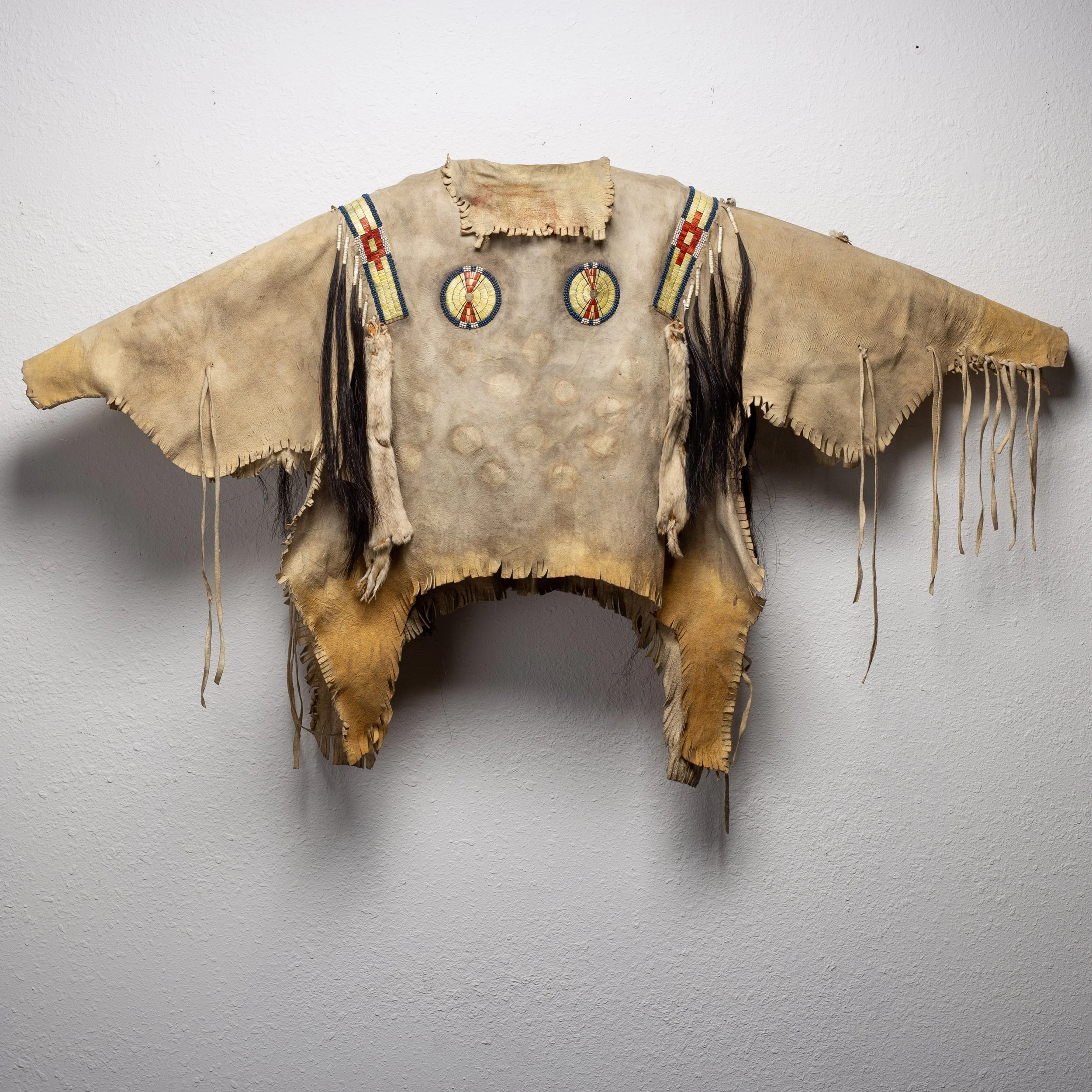 Image 1 of 7
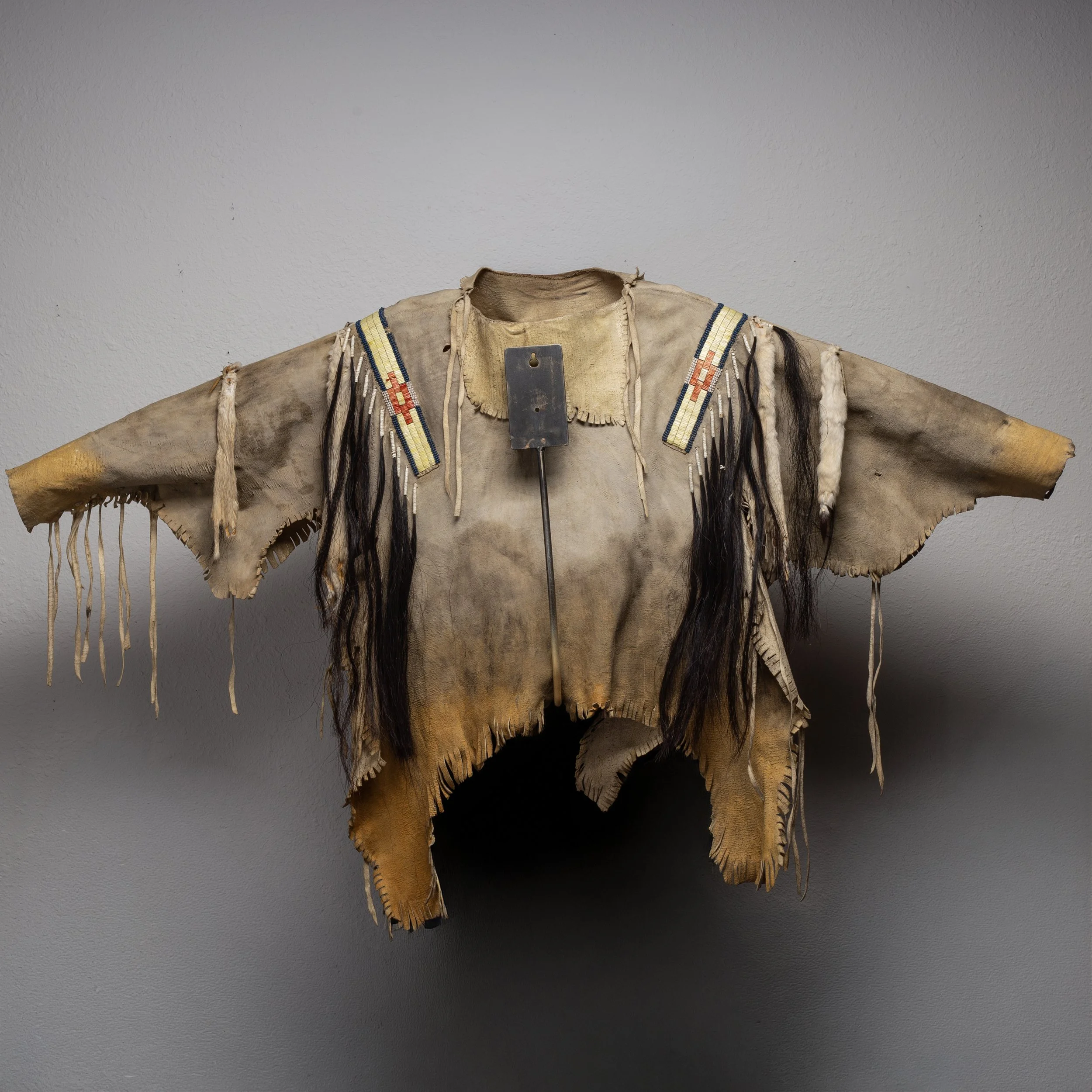 Image 2 of 7
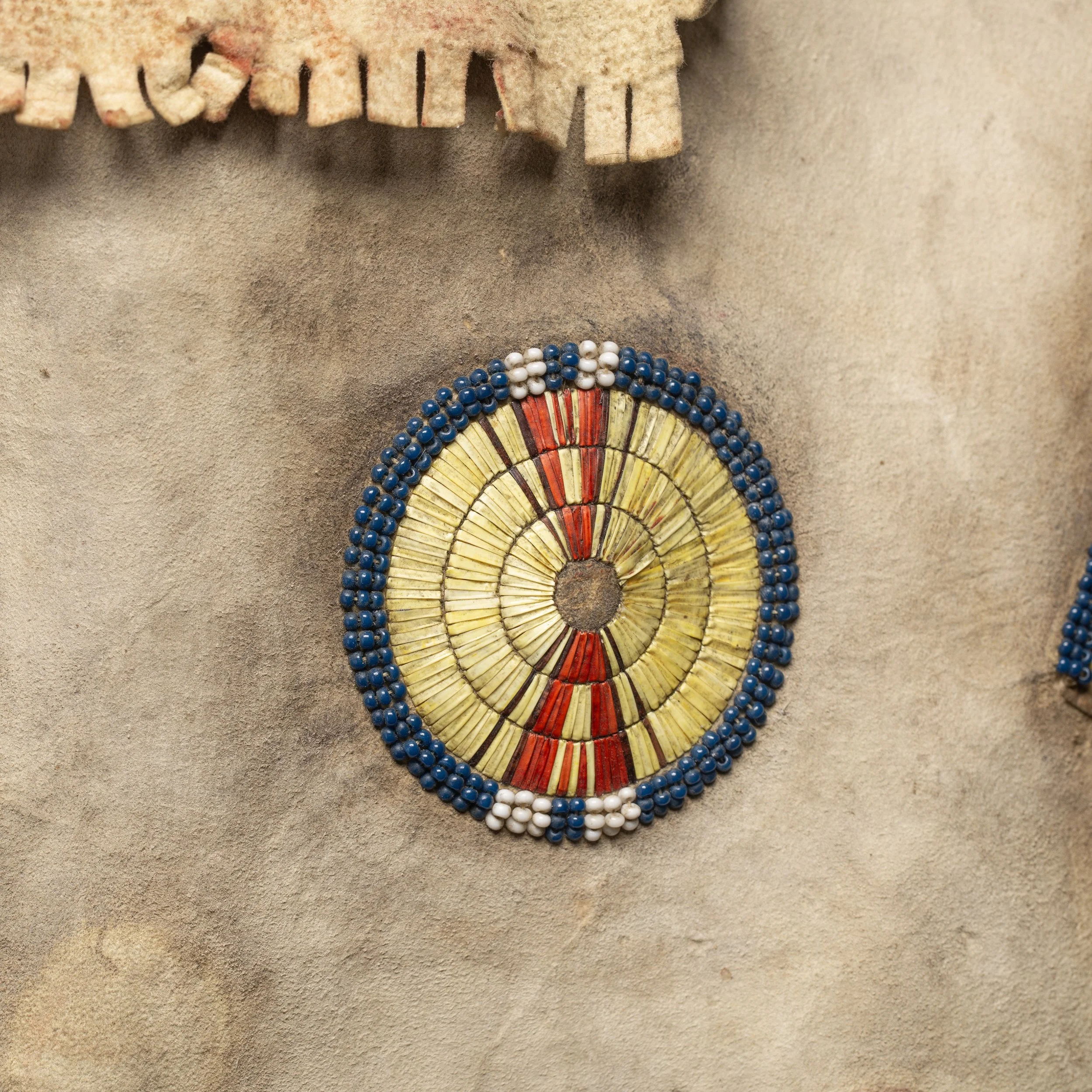 Image 3 of 7
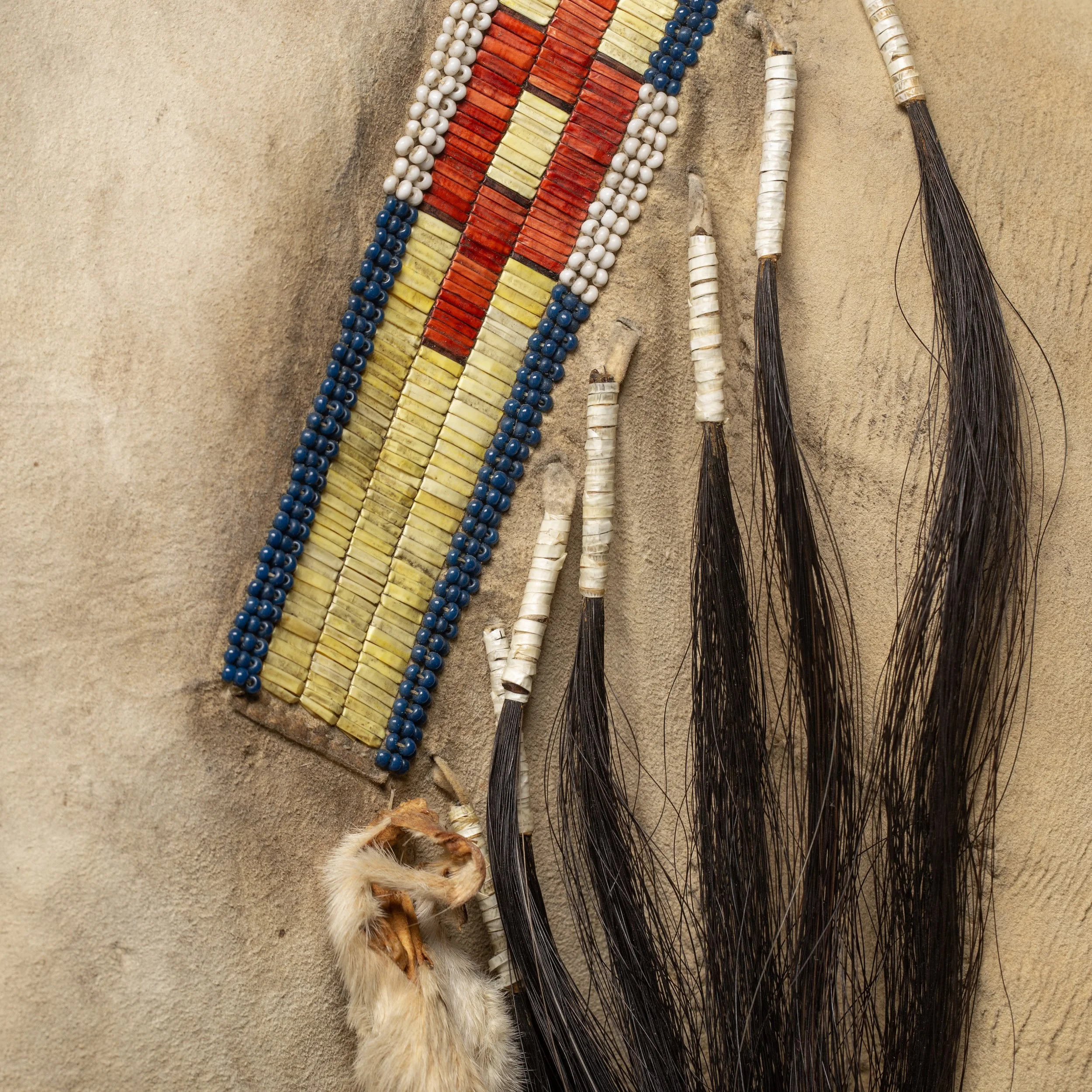 Image 4 of 7
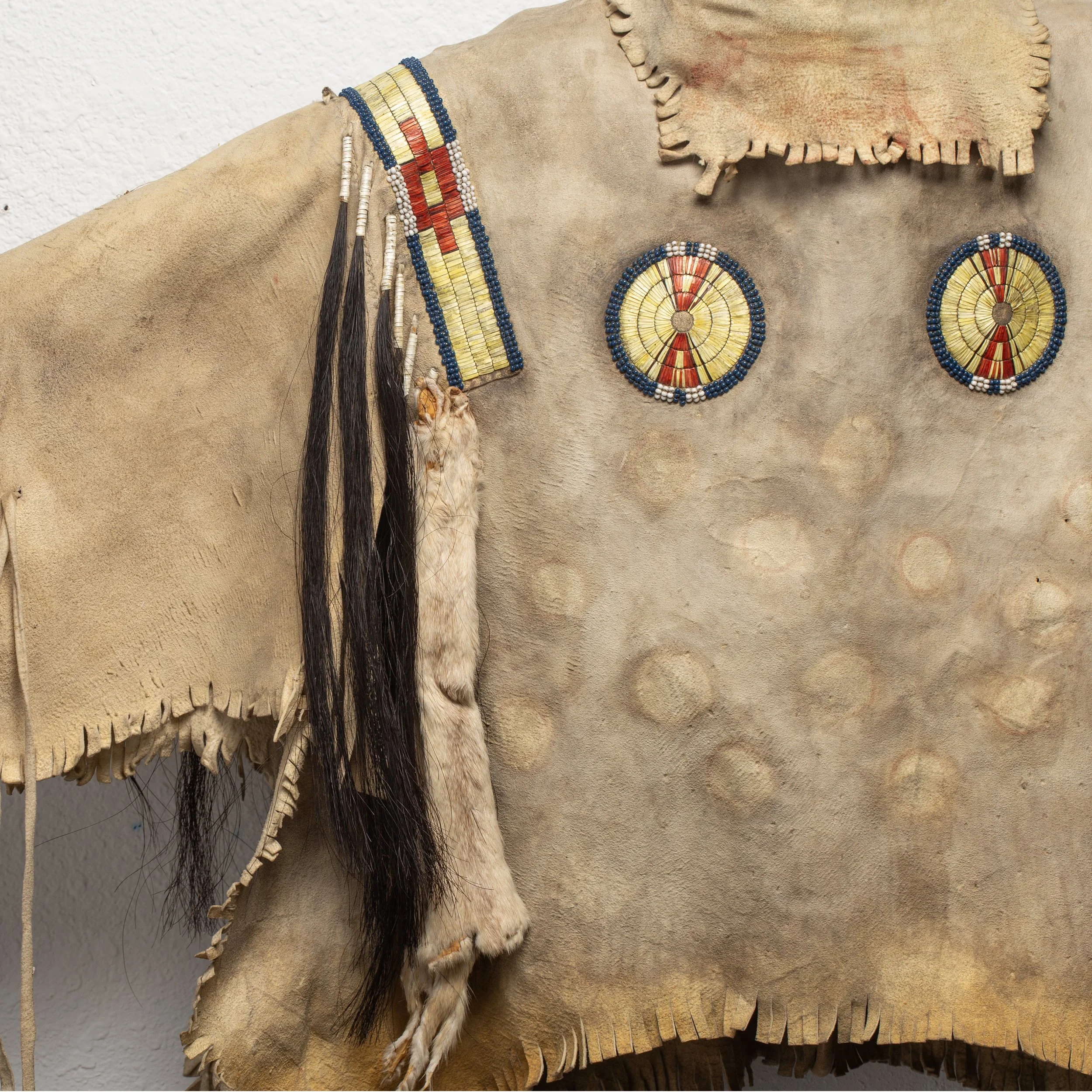 Image 5 of 7
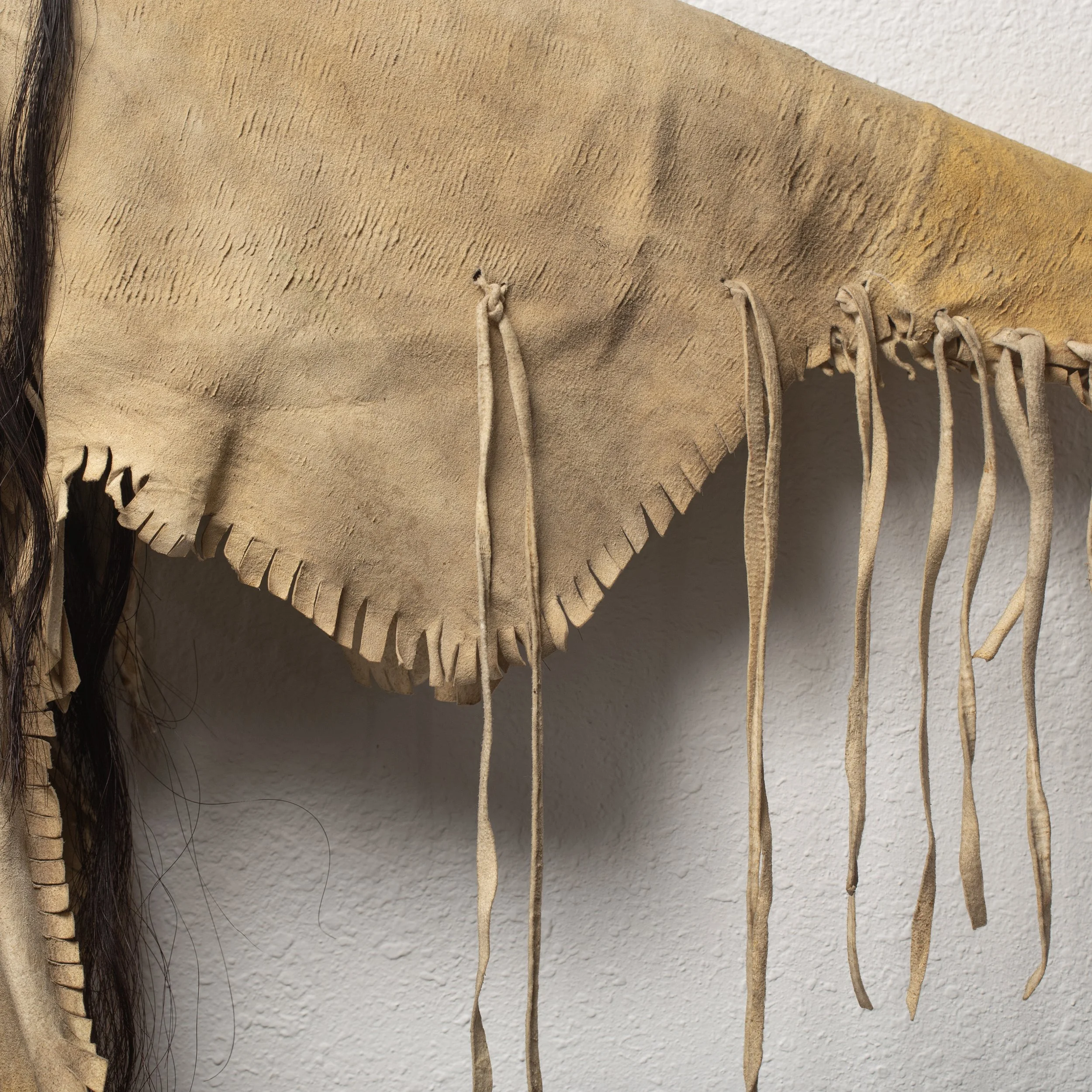 Image 6 of 7
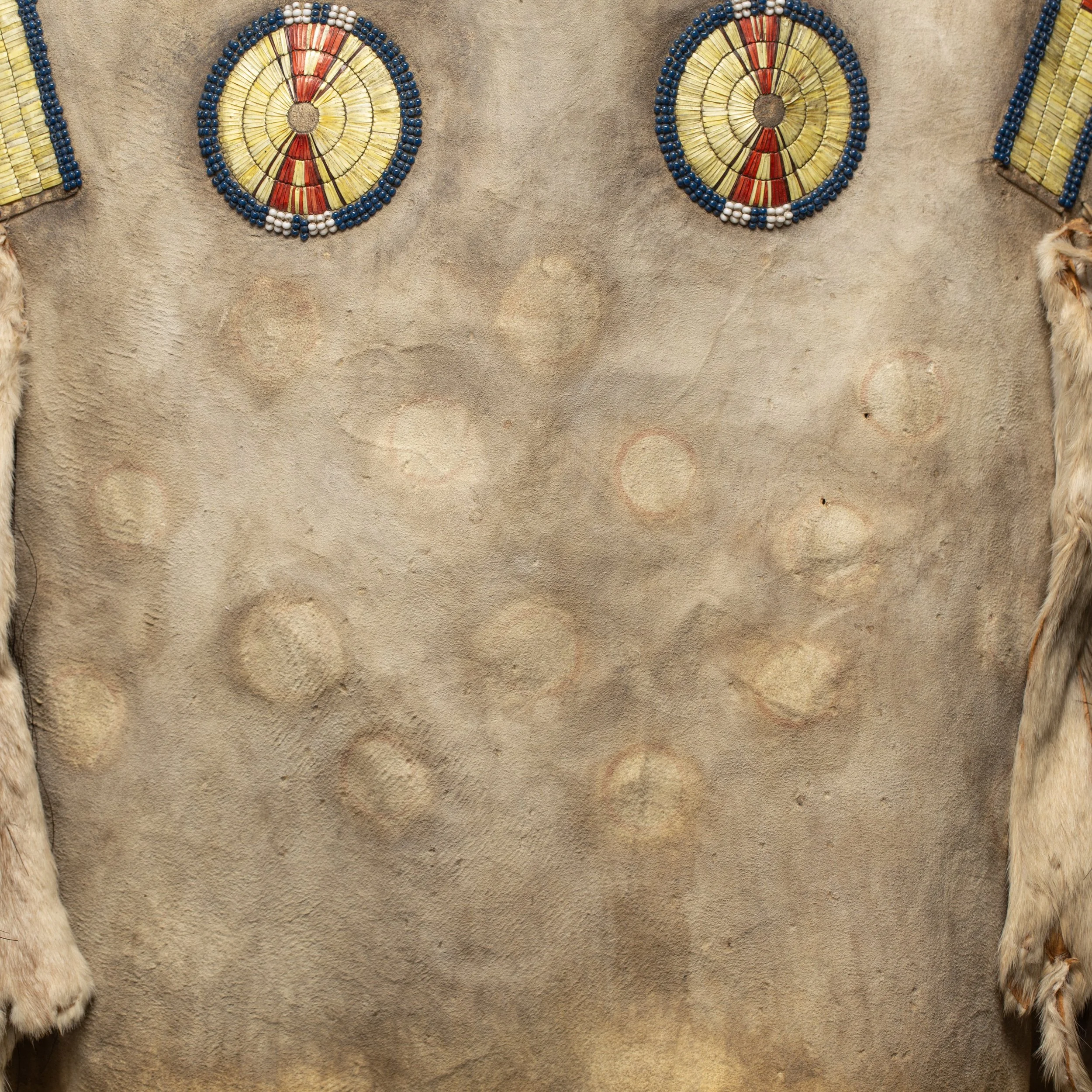 Image 7 of 7