

 Image 1 of 4
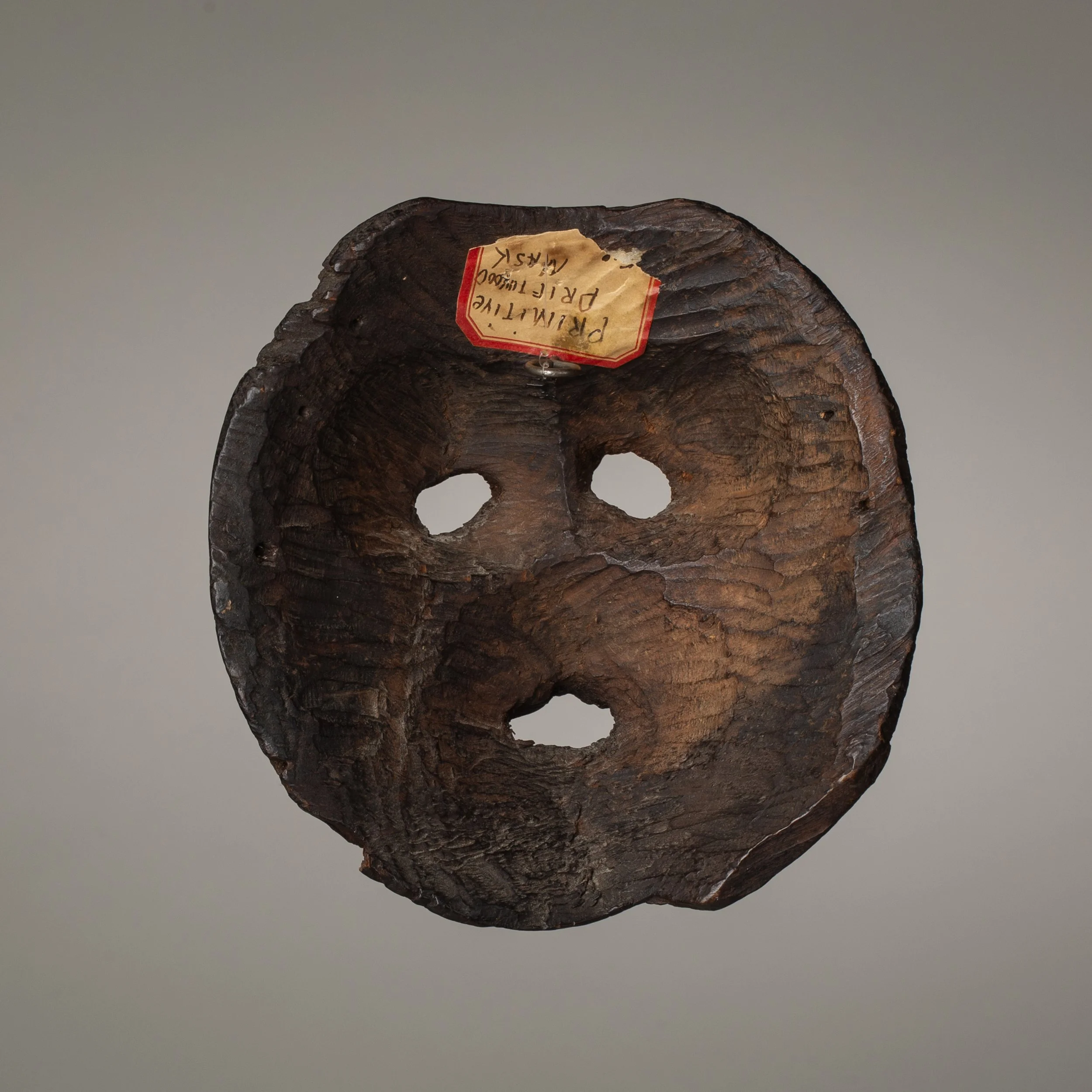 Image 2 of 4
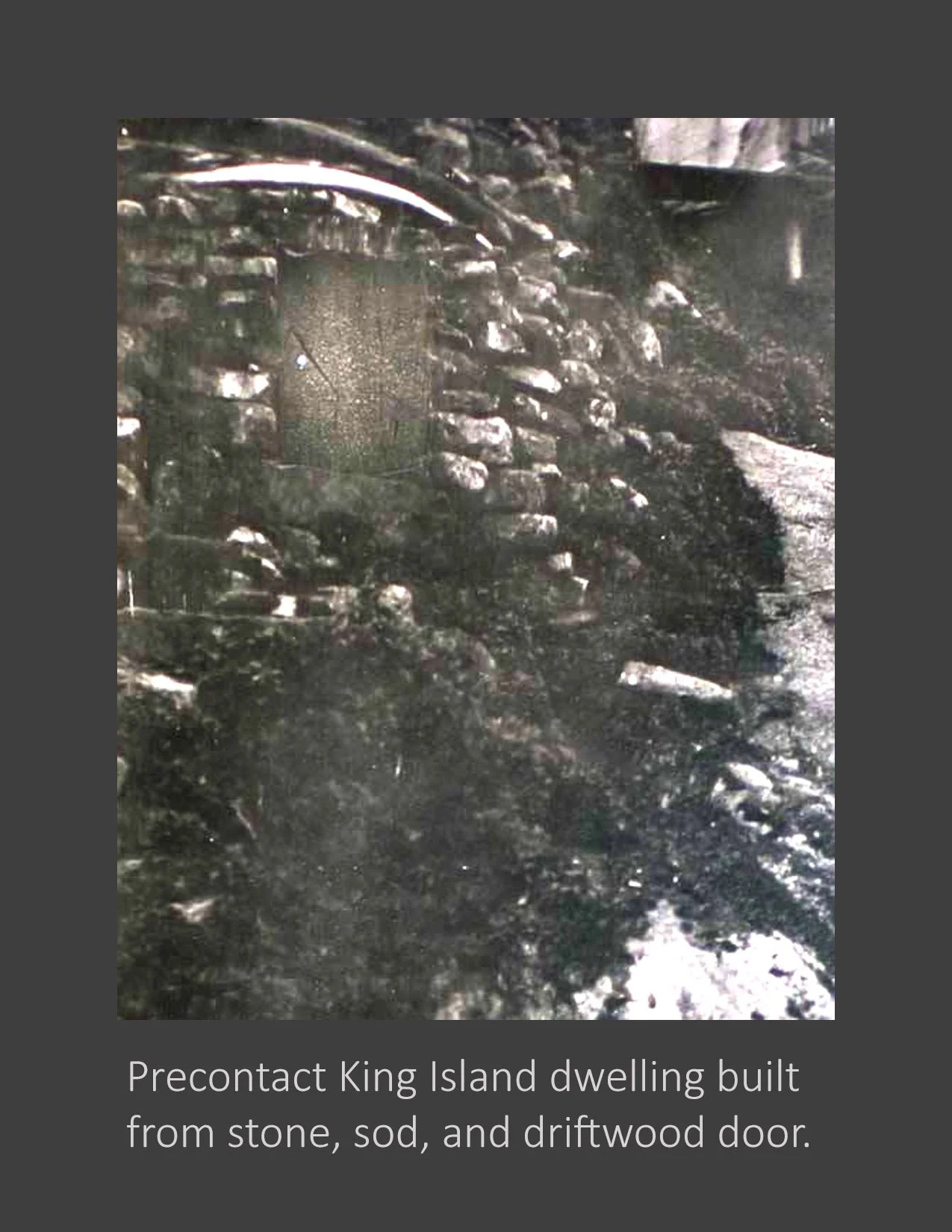 Image 3 of 4
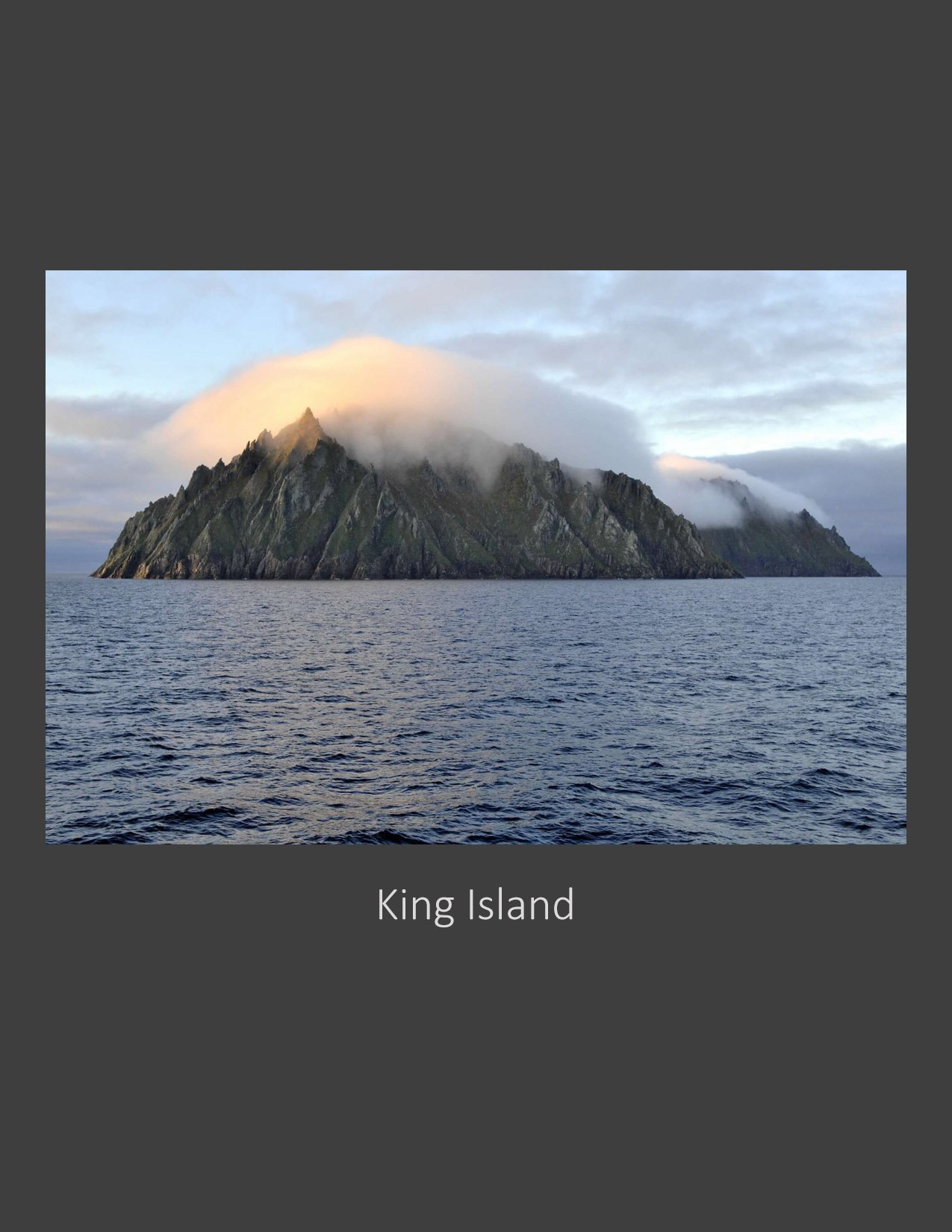 Image 4 of 4
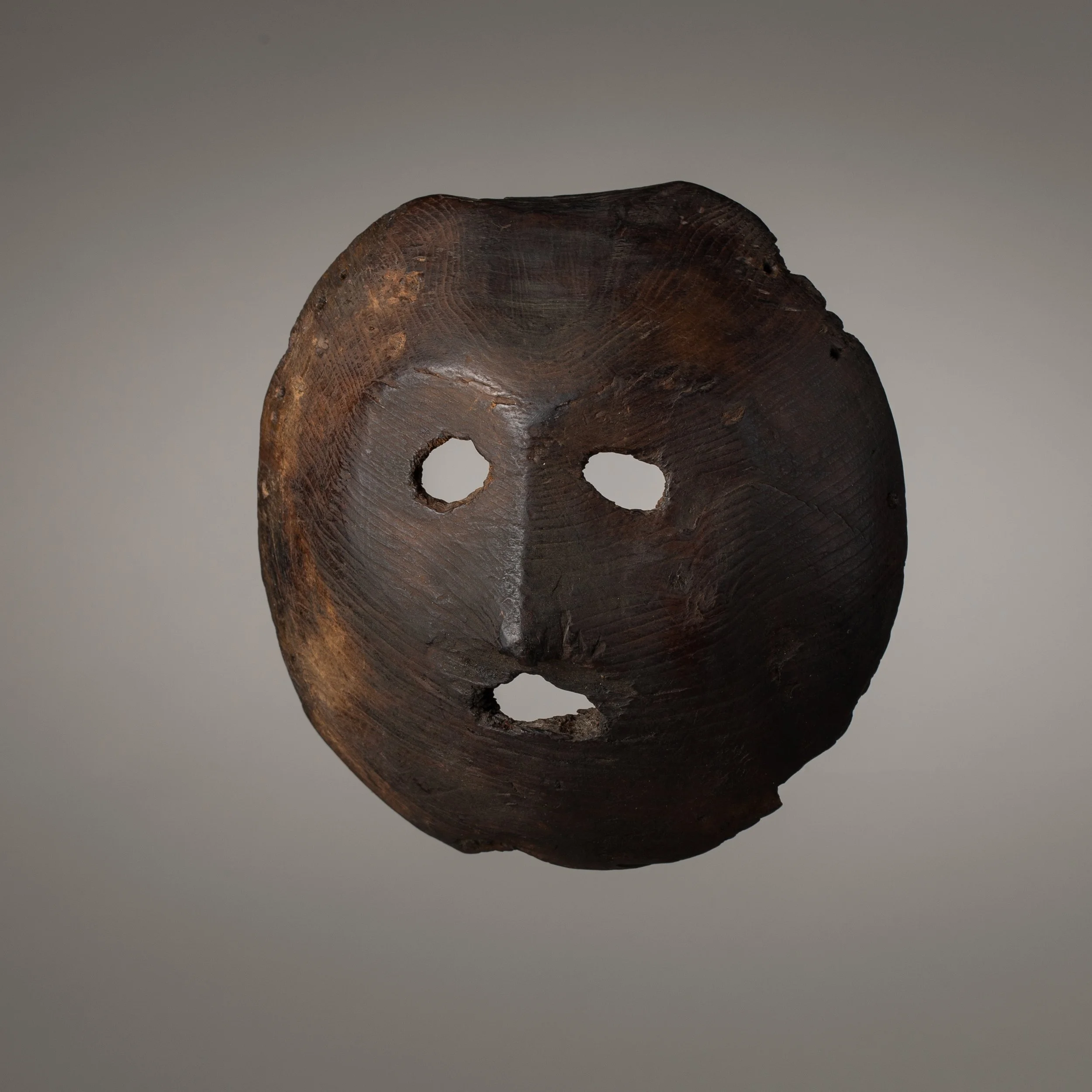
Inuit Mask, King Island, Alaska
18th century or before
Diameter 9 1/4” (23.495 Cm)
Provenance: J.E. Stanley, Seattle, 1899
Stanley’s Free Museum and Curio
Label reading Primitive Driftwood Mask on reverse.
A rare and expressive Shamanic mask worn during spiritual rituals, healing ceremonies, and community dances to honor animal spirits or weather forces. A truly expressive example, the age and patina being indisputable along with iconic Seattle provenance.
Situated some fifty miles off the coast of the Seward Peninsula in the Bering Strait, King Island was the ancestral home of a distinct group of Inuit known as Aseuluk, or “people of the sea”, who carved out a unique society on the volcanic island’s steep, unforgiving rocky cliffs. The island’s traditional name Ugiuvak translates as a “place for winter”, as the island was seasonally occupied during the winter months by approximately two hundred Inuit; the isolated rocky shores serving as a highly strategic base for hunting walruses and seals on the winter pack ice. Every summer, the island’s entire population would leave Ugiuvak to travel to the mainland by kayak and umiak, remaining there for several months to hunt and fish for caribou and salmon, and to gather berries and greens. The island featured a deep, natural cold-storage cave called Qaitquq that efficiently preserved these meats and foraged food products throughout the winter season for the entire community.
Captain James Cook became the first recorded European to sight the rugged volcanic island of Ugiuvak in August of 1778, while searching the Bering Sea for the elusive Northwest Passage. He officially named the island King Island, in honor of Lieutenant James King, a highly respected officer and astronomer aboard his Pacific expedition ship the HMS Resolution. Cook’s official logs made no mention of encountering native inhabitants during his initial charting, as the expedition ships arrived during the later summer months when the population had returned to the mainland. Unbeknownst to Cook, the treeless island had in fact been inhabited seasonally by the Inuit for over one thousand years, who constructed their semi-subterranean homes from rock, sod, and cedar and spruce driftwood. These naturally cured and stone-worn wooden logs only sporadically reached the island’s shores prior to greater European contact in the 19th century, a time when commercial logging in the Yukon flats was introduced. Driftwood was in fact the most prized natural resource to the Aseuluk people prior to the arrival of the Europeans, the tree fragments being reserved primarily for crucial ceremonial carvings created during the winter months. Central to the three ancient village sites on the island was the community ceremonial house or qasgiq, where families gathered for storytelling and ceremonial dancing during the long, dark winter nights to thank and honor the animal spirits, particularly walruses and seals, for giving themselves up to the hunters and to ask for a bountiful harvest in the coming year.
Carved by master craftsmen under the direct spiritual guidance of the village shaman or angalkuq, the renowned wooden dance masks of King Island represent a distinctive and visually powerful tradition deeply tied to shamanism, arctic marine survival and the spiritual hunting rituals performed in the communal qasqiq. The primary function of the mask was to reveal the inua; the living, conscious soul that resides in all animals, natural forces, and geographic features. Unlike the complex asymmetrical masks found further north among the Yupik people, King Island masks are instead celebrated for their powerful minimalist forms, artistic restraint, and naturalistic human and spirit faces. The masks were sometimes highlighted with natural earth ochers, black charcoal, and white ash pigments, with subtle hair or feather attachments secured along the mask’s perimeter. The masks served as the centerpiece to an elaborate costume ensemble including distinctive arm-length deer skin dance mittens onto which dozens of puffin beaks were sewn, serving as rattling devices. Beyond important ceremonial dances, the masks were also used for competitive storytelling, comic relief, and satirical dances meant to bring the isolated community together during the long winter darkness. These winter festivals also integrated massive communal meals called maglak, consisting of preserved traditional foods and gift-giving between community members.
Prior to steady European contact, the ceremonial masks of King Island were believed to be spiritually potent and strictly temporary. Once the winter dances concluded, the masks had fulfilled their purpose, and they were typically destroyed, discarded, or hidden away inside the island’s sacred cave to prevent their lingering spiritual energy from disrupting daily life. The powerful 17th-18th century mask presented here bears all the markings of a venerated mask that had been routinely stored inside the island’s dry cave between the village’s ceremonial cycles. Carved exclusively with the use of precontact stone and bone tools, the mask was able to survive for two centuries or more prior to its collection in the 19th century, a rare find among King Island masks. The rendering of the mask is archaic and powerful, the spirits face subtlety defined by a heart-shaped depression from which a simple nose gently emerges, framed by deeply pierced eyes and mouth. Darkened by the smoke-filled interior of the community house, the surface of the mask includes distinct lighter areas that bear evidence of contact with a moist surface, and the broken and worn edges along the mask’s perimeter suggest repeated contact with hard ground. An old label from Standley’s Free Museum and Curio in Seattle, is found at the back of the mask with the inscription “Primitive Driftwood Mask”. Standley's Free Museum and Curio was the original name of Ye Olde Curiosity Shop, a historic Seattle waterfront institution founded by Joseph Edward Standley in 1899.
We ship free anywhere in the world, fully insured, packed by hand.
18th century or before
Diameter 9 1/4” (23.495 Cm)
Provenance: J.E. Stanley, Seattle, 1899
Stanley’s Free Museum and Curio
Label reading Primitive Driftwood Mask on reverse.
A rare and expressive Shamanic mask worn during spiritual rituals, healing ceremonies, and community dances to honor animal spirits or weather forces. A truly expressive example, the age and patina being indisputable along with iconic Seattle provenance.
Situated some fifty miles off the coast of the Seward Peninsula in the Bering Strait, King Island was the ancestral home of a distinct group of Inuit known as Aseuluk, or “people of the sea”, who carved out a unique society on the volcanic island’s steep, unforgiving rocky cliffs. The island’s traditional name Ugiuvak translates as a “place for winter”, as the island was seasonally occupied during the winter months by approximately two hundred Inuit; the isolated rocky shores serving as a highly strategic base for hunting walruses and seals on the winter pack ice. Every summer, the island’s entire population would leave Ugiuvak to travel to the mainland by kayak and umiak, remaining there for several months to hunt and fish for caribou and salmon, and to gather berries and greens. The island featured a deep, natural cold-storage cave called Qaitquq that efficiently preserved these meats and foraged food products throughout the winter season for the entire community.
Captain James Cook became the first recorded European to sight the rugged volcanic island of Ugiuvak in August of 1778, while searching the Bering Sea for the elusive Northwest Passage. He officially named the island King Island, in honor of Lieutenant James King, a highly respected officer and astronomer aboard his Pacific expedition ship the HMS Resolution. Cook’s official logs made no mention of encountering native inhabitants during his initial charting, as the expedition ships arrived during the later summer months when the population had returned to the mainland. Unbeknownst to Cook, the treeless island had in fact been inhabited seasonally by the Inuit for over one thousand years, who constructed their semi-subterranean homes from rock, sod, and cedar and spruce driftwood. These naturally cured and stone-worn wooden logs only sporadically reached the island’s shores prior to greater European contact in the 19th century, a time when commercial logging in the Yukon flats was introduced. Driftwood was in fact the most prized natural resource to the Aseuluk people prior to the arrival of the Europeans, the tree fragments being reserved primarily for crucial ceremonial carvings created during the winter months. Central to the three ancient village sites on the island was the community ceremonial house or qasgiq, where families gathered for storytelling and ceremonial dancing during the long, dark winter nights to thank and honor the animal spirits, particularly walruses and seals, for giving themselves up to the hunters and to ask for a bountiful harvest in the coming year.
Carved by master craftsmen under the direct spiritual guidance of the village shaman or angalkuq, the renowned wooden dance masks of King Island represent a distinctive and visually powerful tradition deeply tied to shamanism, arctic marine survival and the spiritual hunting rituals performed in the communal qasqiq. The primary function of the mask was to reveal the inua; the living, conscious soul that resides in all animals, natural forces, and geographic features. Unlike the complex asymmetrical masks found further north among the Yupik people, King Island masks are instead celebrated for their powerful minimalist forms, artistic restraint, and naturalistic human and spirit faces. The masks were sometimes highlighted with natural earth ochers, black charcoal, and white ash pigments, with subtle hair or feather attachments secured along the mask’s perimeter. The masks served as the centerpiece to an elaborate costume ensemble including distinctive arm-length deer skin dance mittens onto which dozens of puffin beaks were sewn, serving as rattling devices. Beyond important ceremonial dances, the masks were also used for competitive storytelling, comic relief, and satirical dances meant to bring the isolated community together during the long winter darkness. These winter festivals also integrated massive communal meals called maglak, consisting of preserved traditional foods and gift-giving between community members.
Prior to steady European contact, the ceremonial masks of King Island were believed to be spiritually potent and strictly temporary. Once the winter dances concluded, the masks had fulfilled their purpose, and they were typically destroyed, discarded, or hidden away inside the island’s sacred cave to prevent their lingering spiritual energy from disrupting daily life. The powerful 17th-18th century mask presented here bears all the markings of a venerated mask that had been routinely stored inside the island’s dry cave between the village’s ceremonial cycles. Carved exclusively with the use of precontact stone and bone tools, the mask was able to survive for two centuries or more prior to its collection in the 19th century, a rare find among King Island masks. The rendering of the mask is archaic and powerful, the spirits face subtlety defined by a heart-shaped depression from which a simple nose gently emerges, framed by deeply pierced eyes and mouth. Darkened by the smoke-filled interior of the community house, the surface of the mask includes distinct lighter areas that bear evidence of contact with a moist surface, and the broken and worn edges along the mask’s perimeter suggest repeated contact with hard ground. An old label from Standley’s Free Museum and Curio in Seattle, is found at the back of the mask with the inscription “Primitive Driftwood Mask”. Standley's Free Museum and Curio was the original name of Ye Olde Curiosity Shop, a historic Seattle waterfront institution founded by Joseph Edward Standley in 1899.
We ship free anywhere in the world, fully insured, packed by hand.