Japan, Kyoto
Azuchi Momoyama period, 1573 to 1608; gold and lacquer repair, 1920s
Ceramic, gold lacquer (kintsugi)
Tea box 6" x 6" x 6" (15.2 x 15.2 x 15.2 cm); bowl diameter 4 3/4" (12.1 cm); height 3 1/4" (8.3 cm)
Provenance: Private collection, Kyoto
This tea bowl dates to the Azuchi Momoyama period, a brief but culturally transformative era in Japanese history spanning 1573 to 1608, during which the tea ceremony reached its highest institutional development under the influence of tea master Sen no Rikyu. The Momoyama period saw the codification of wabi aesthetics within the tea tradition, with an explicit preference for objects that displayed age, irregularity, and the marks of use over polished perfection. Tea bowls of this period are among the most studied objects in Japanese ceramic history and are held in major museum collections worldwide.
The bowl has been repaired using kintsugi, the Japanese technique of mending ceramic fractures with lacquer mixed with powdered gold, silver, or platinum, which transforms damage into a visible and valued feature of the object's history. The 1920s kintsugi repairs on this bowl were carried out in the wabi sabi tradition, which holds that the impermanence and imperfection of objects are sources of beauty rather than deficiency. The gold lacquer repairs are integral to the bowl's present character and connect it to a centuries-old Japanese practice of honoring the life of an object through its visible mending.
The bowl is accompanied by its original signed storage box, a feature of significant importance in Japanese ceramic collecting, as the box provides additional authentication and connects the object to its previous ownership history. Storage boxes for tea bowls of this period were typically inscribed by former owners, tea masters, or scholars, and the presence of an original signed box substantially strengthens the documentary record of the piece. The Kyoto private collection provenance connects this bowl to one of the principal centers of Japanese tea culture, where objects of this type have been collected and transmitted across generations.
We ship free anywhere in the world, fully insured, packed by hand.
Japan, Kyoto
Azuchi Momoyama period, 1573 to 1608; gold and lacquer repair, 1920s
Ceramic, gold lacquer (kintsugi)
Tea box 6" x 6" x 6" (15.2 x 15.2 x 15.2 cm); bowl diameter 4 3/4" (12.1 cm); height 3 1/4" (8.3 cm)
Provenance: Private collection, Kyoto
This tea bowl dates to the Azuchi Momoyama period, a brief but culturally transformative era in Japanese history spanning 1573 to 1608, during which the tea ceremony reached its highest institutional development under the influence of tea master Sen no Rikyu. The Momoyama period saw the codification of wabi aesthetics within the tea tradition, with an explicit preference for objects that displayed age, irregularity, and the marks of use over polished perfection. Tea bowls of this period are among the most studied objects in Japanese ceramic history and are held in major museum collections worldwide.
The bowl has been repaired using kintsugi, the Japanese technique of mending ceramic fractures with lacquer mixed with powdered gold, silver, or platinum, which transforms damage into a visible and valued feature of the object's history. The 1920s kintsugi repairs on this bowl were carried out in the wabi sabi tradition, which holds that the impermanence and imperfection of objects are sources of beauty rather than deficiency. The gold lacquer repairs are integral to the bowl's present character and connect it to a centuries-old Japanese practice of honoring the life of an object through its visible mending.
The bowl is accompanied by its original signed storage box, a feature of significant importance in Japanese ceramic collecting, as the box provides additional authentication and connects the object to its previous ownership history. Storage boxes for tea bowls of this period were typically inscribed by former owners, tea masters, or scholars, and the presence of an original signed box substantially strengthens the documentary record of the piece. The Kyoto private collection provenance connects this bowl to one of the principal centers of Japanese tea culture, where objects of this type have been collected and transmitted across generations.
We ship free anywhere in the world, fully insured, packed by hand.


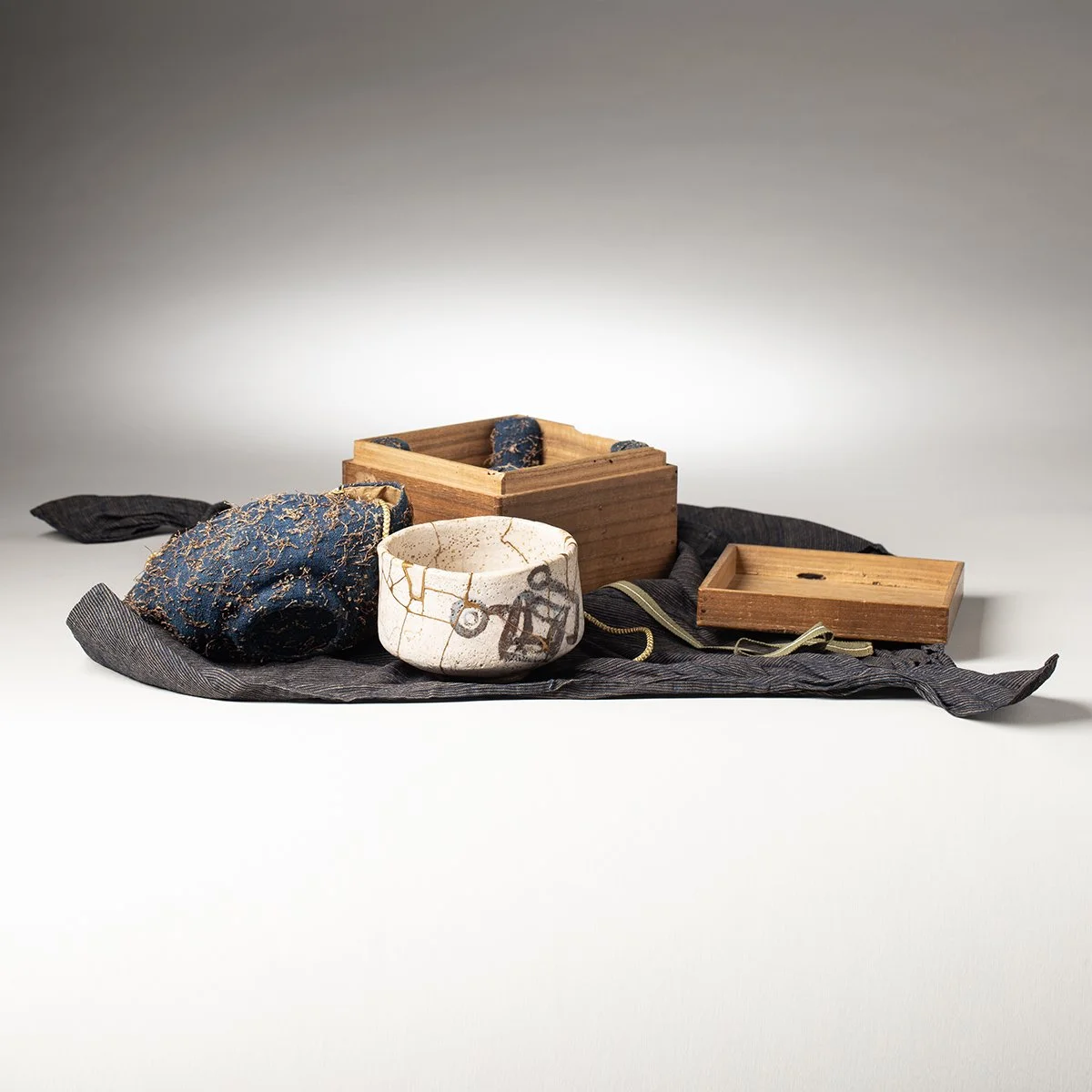 Image 1 of 16
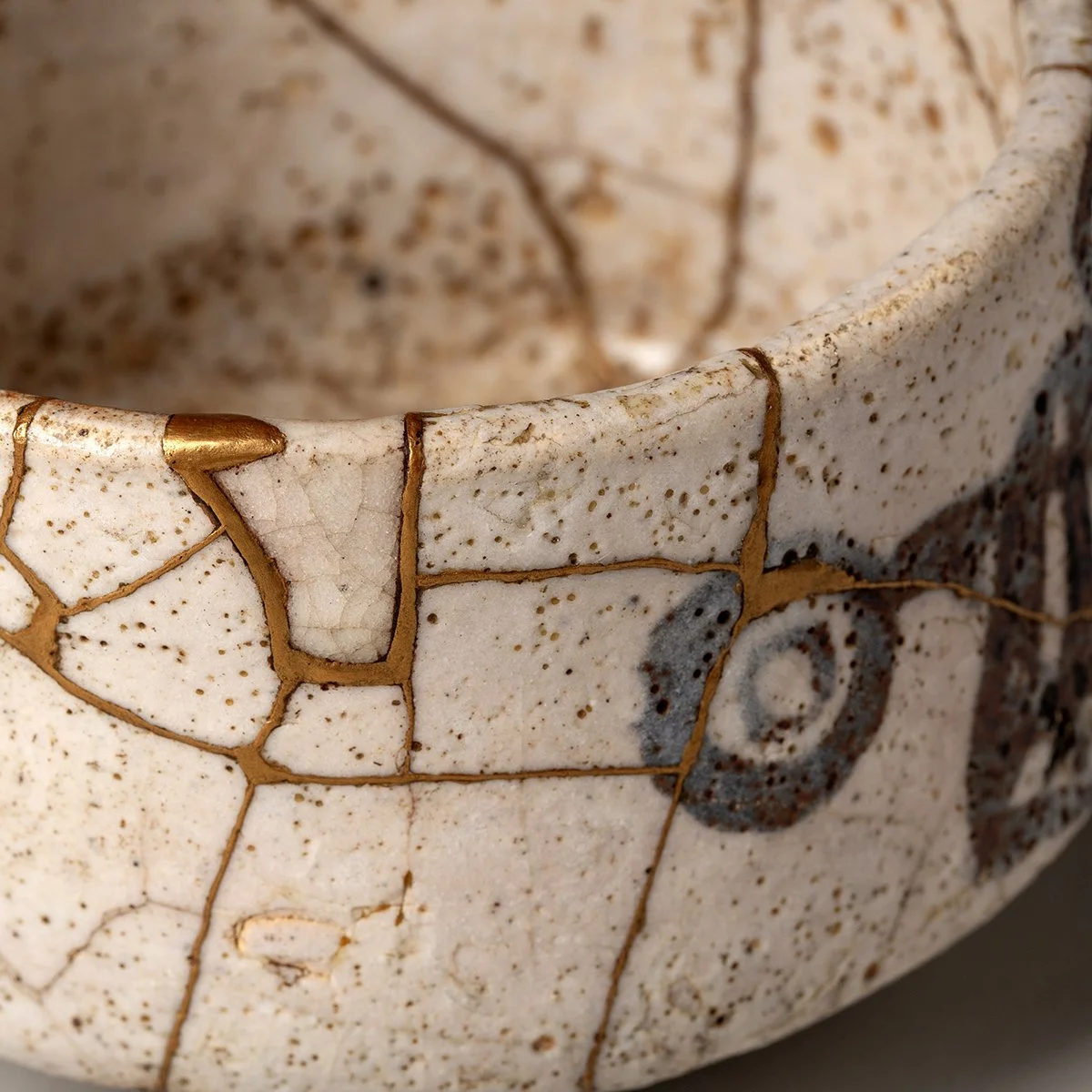 Image 2 of 16
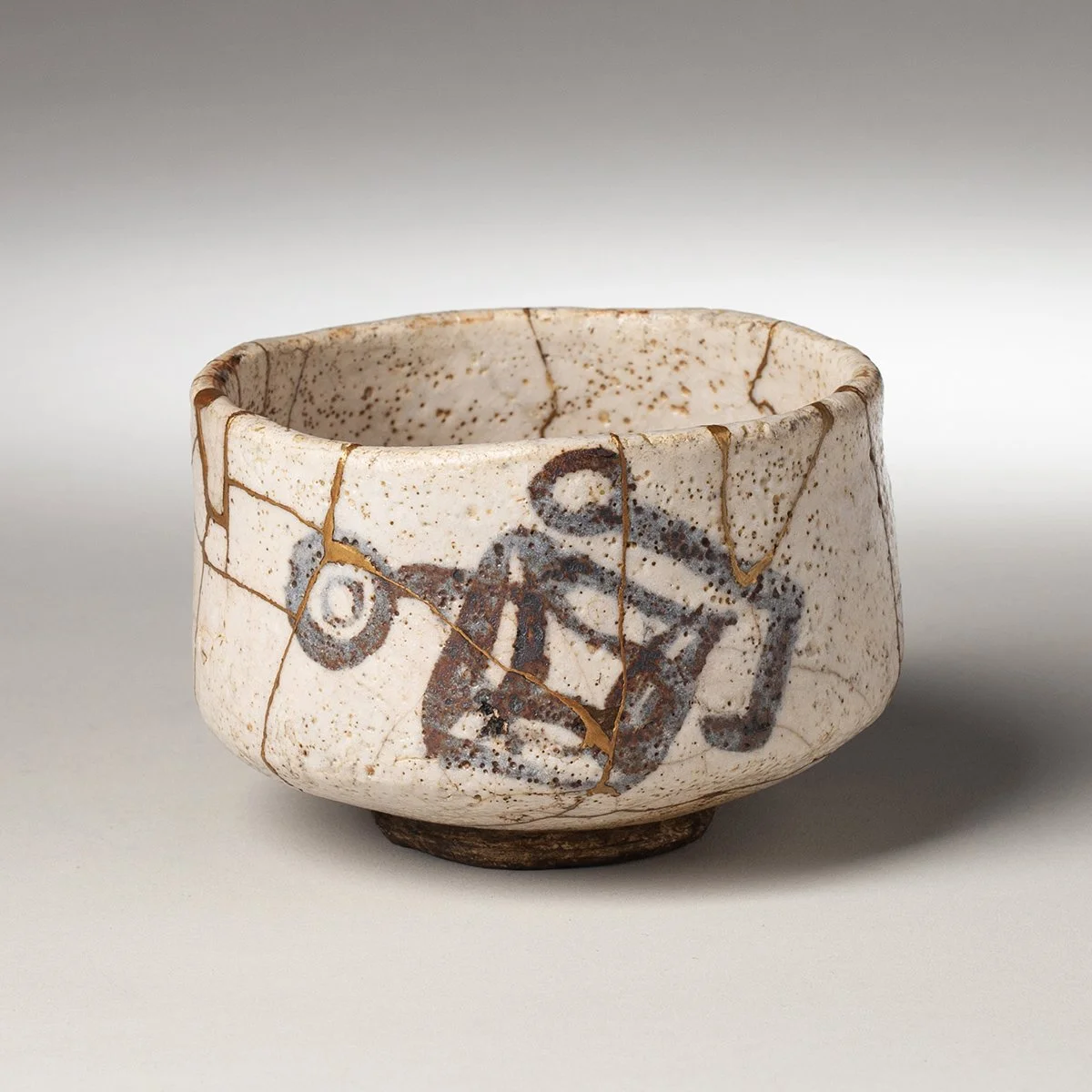 Image 3 of 16
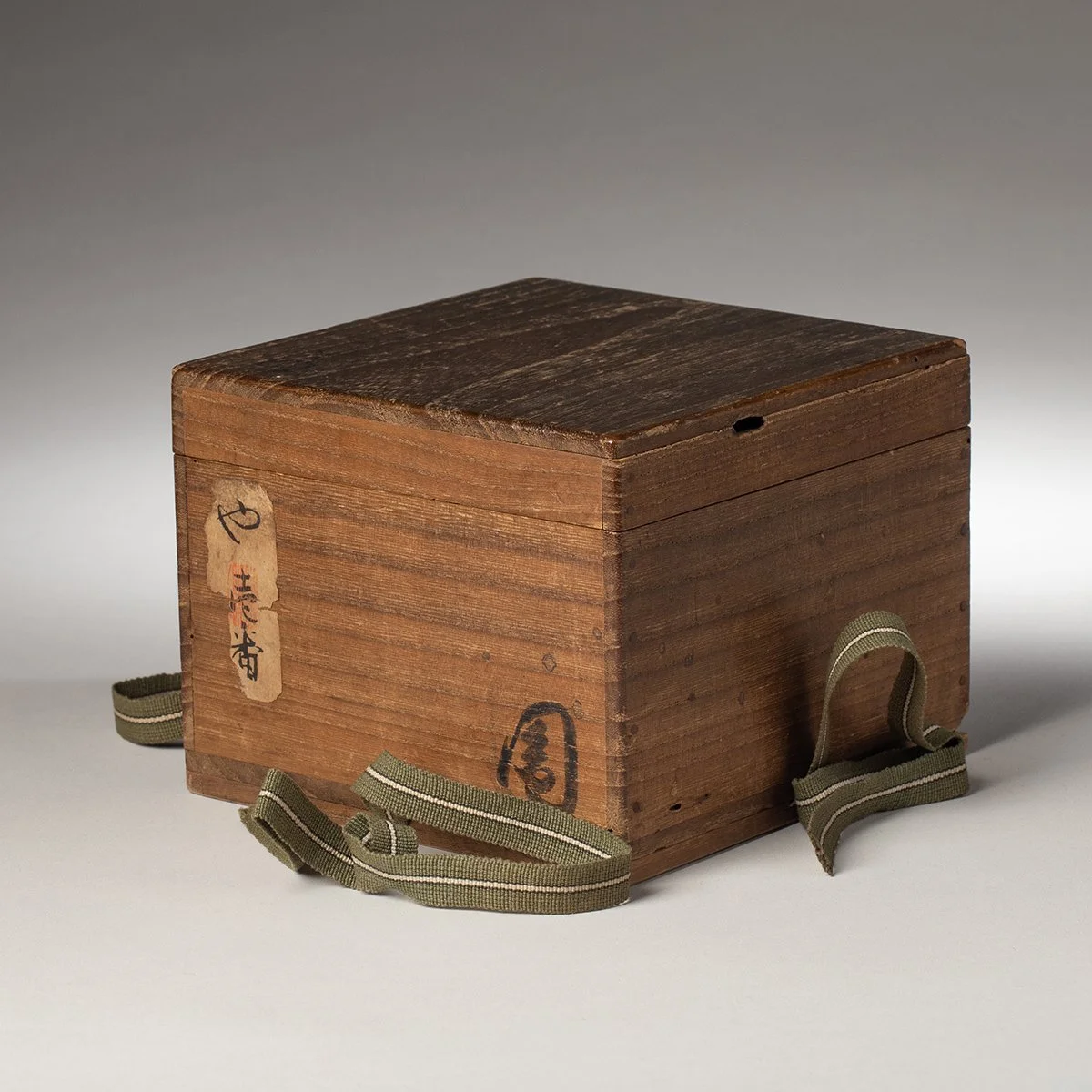 Image 4 of 16
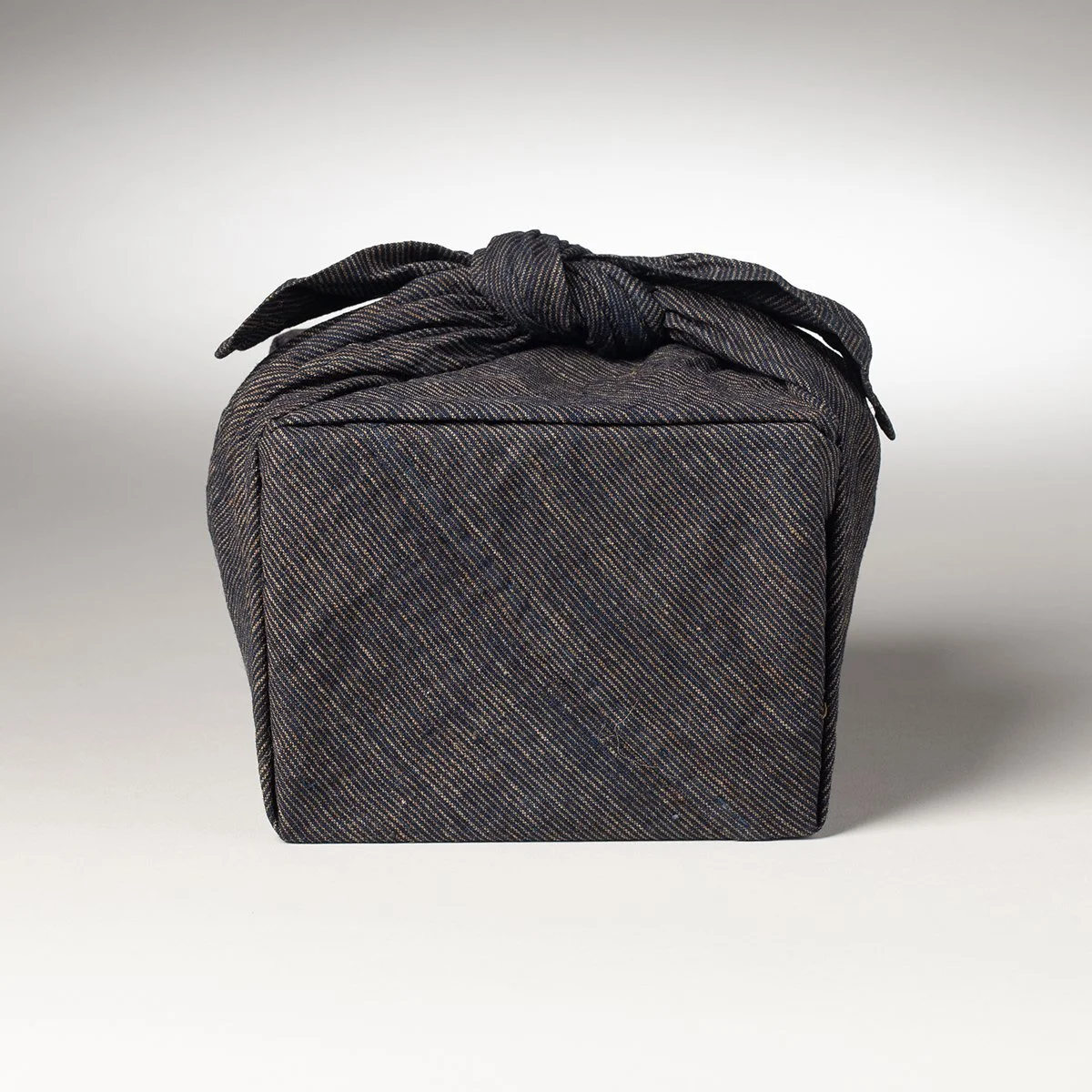 Image 5 of 16
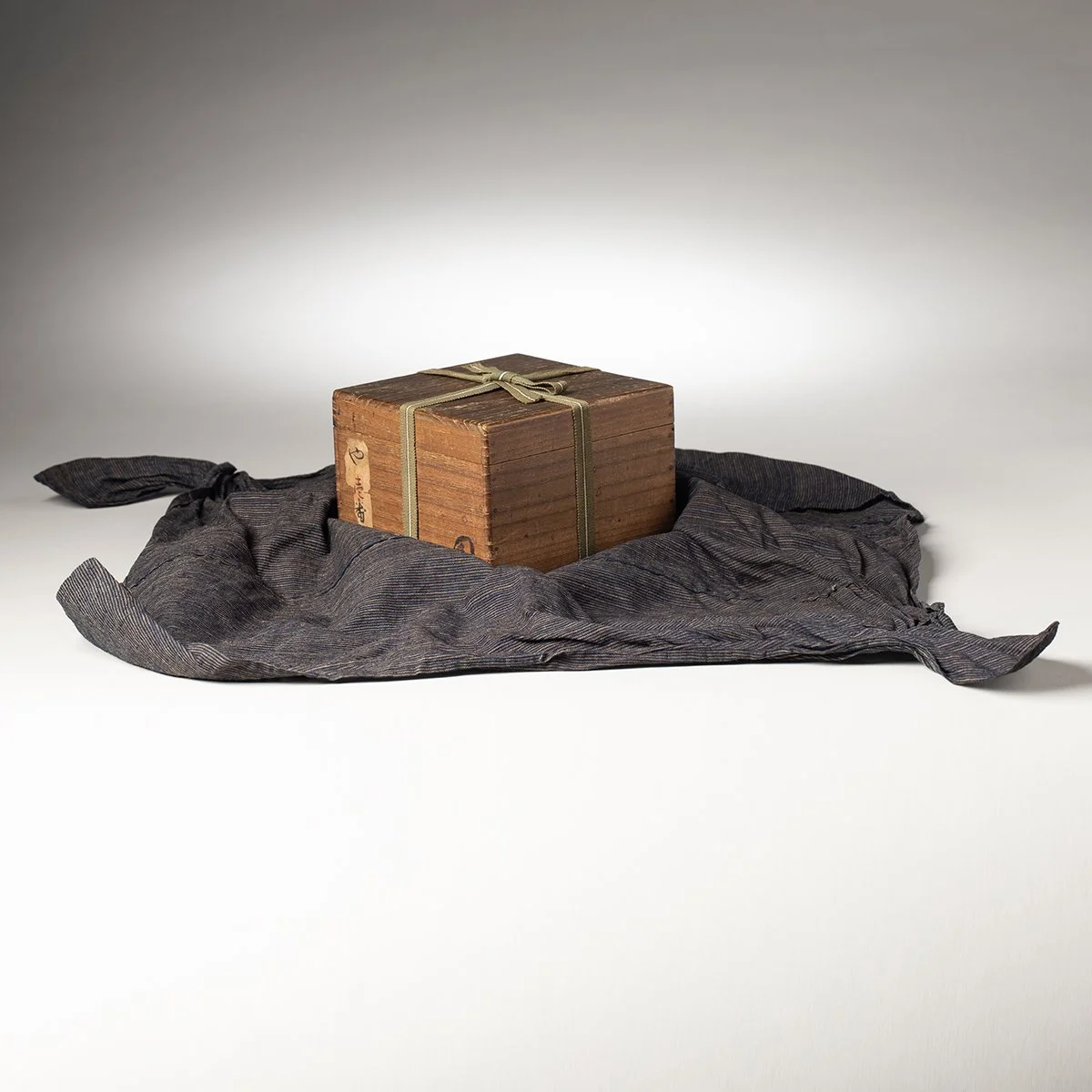 Image 6 of 16
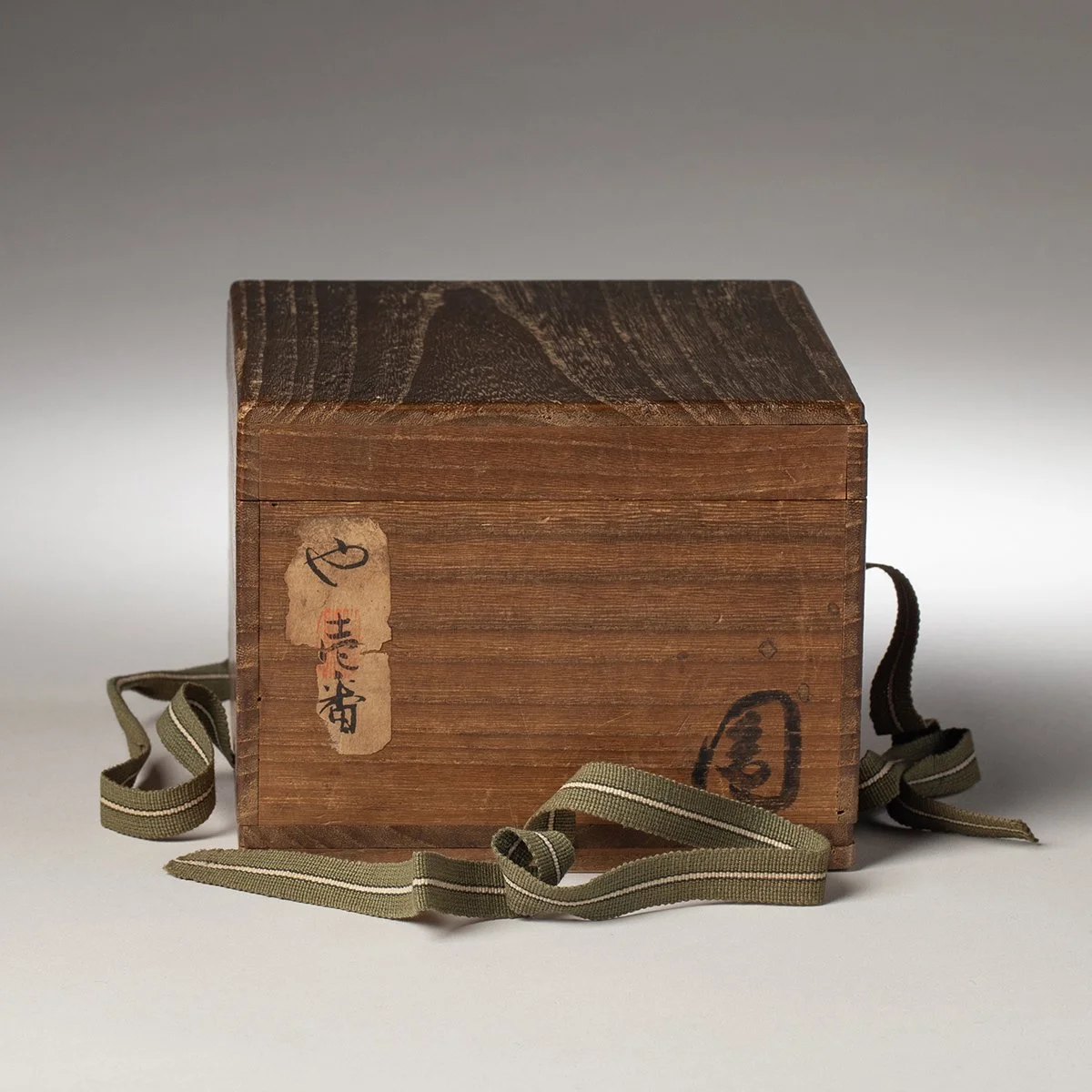 Image 7 of 16
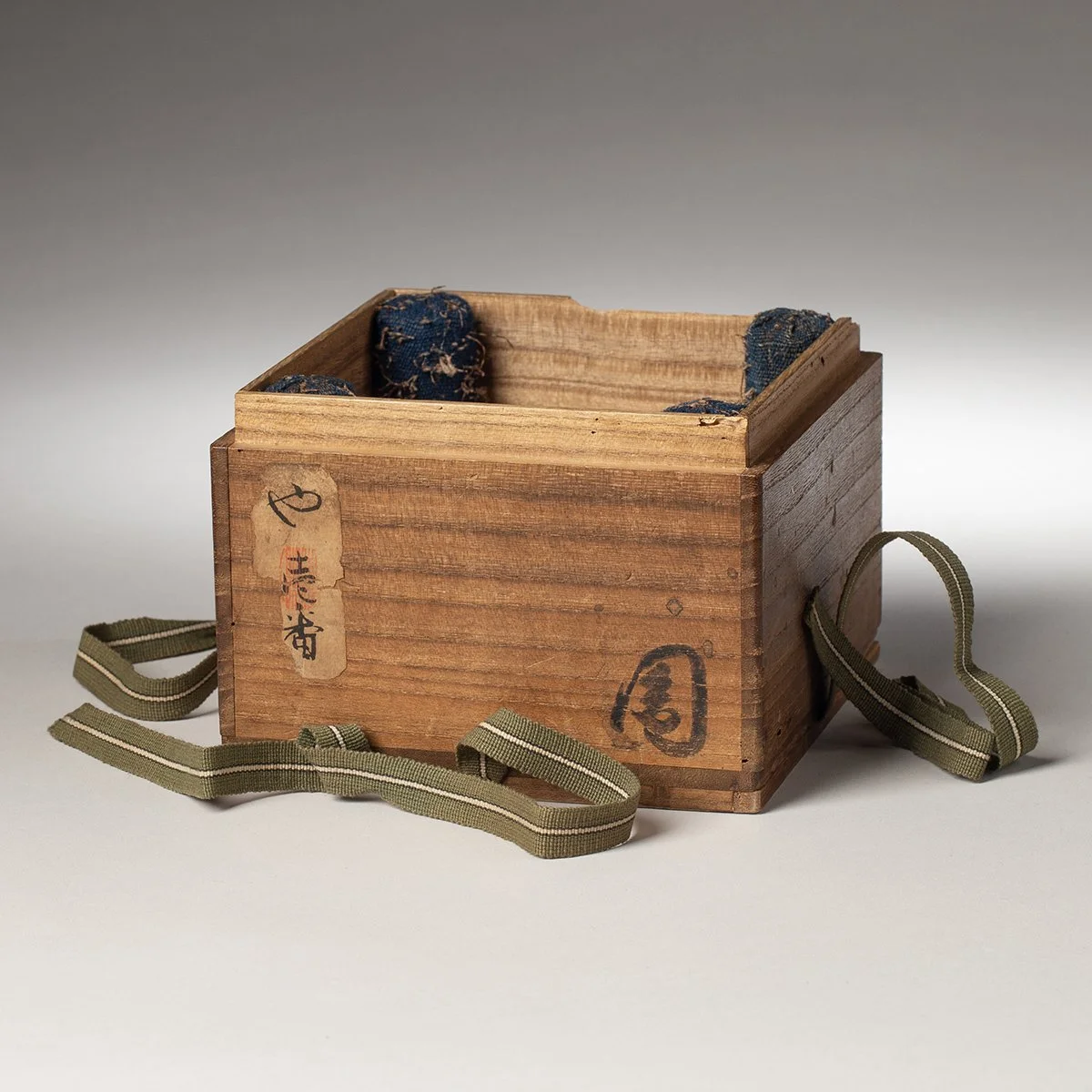 Image 8 of 16
 Image 9 of 16
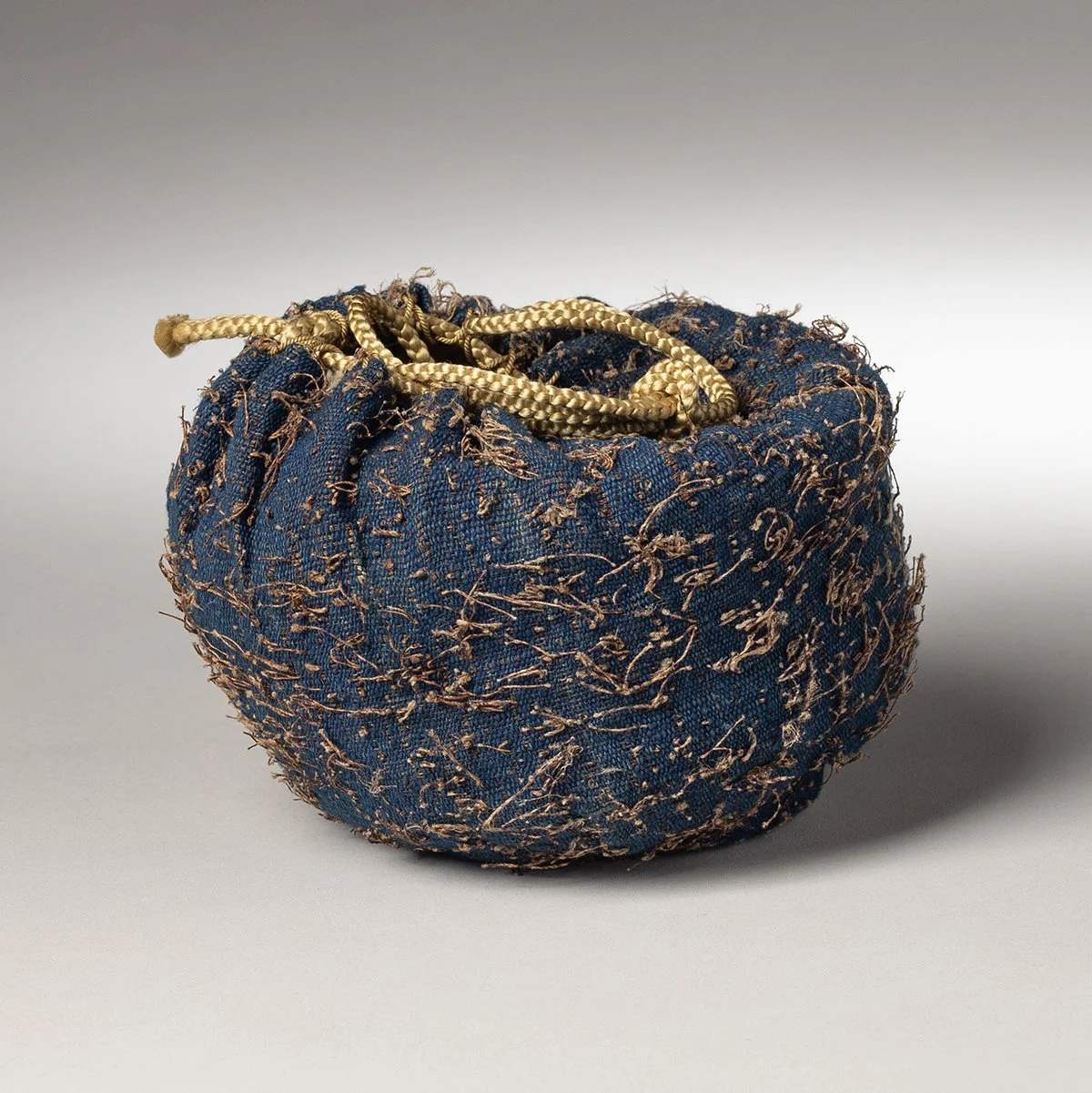 Image 10 of 16
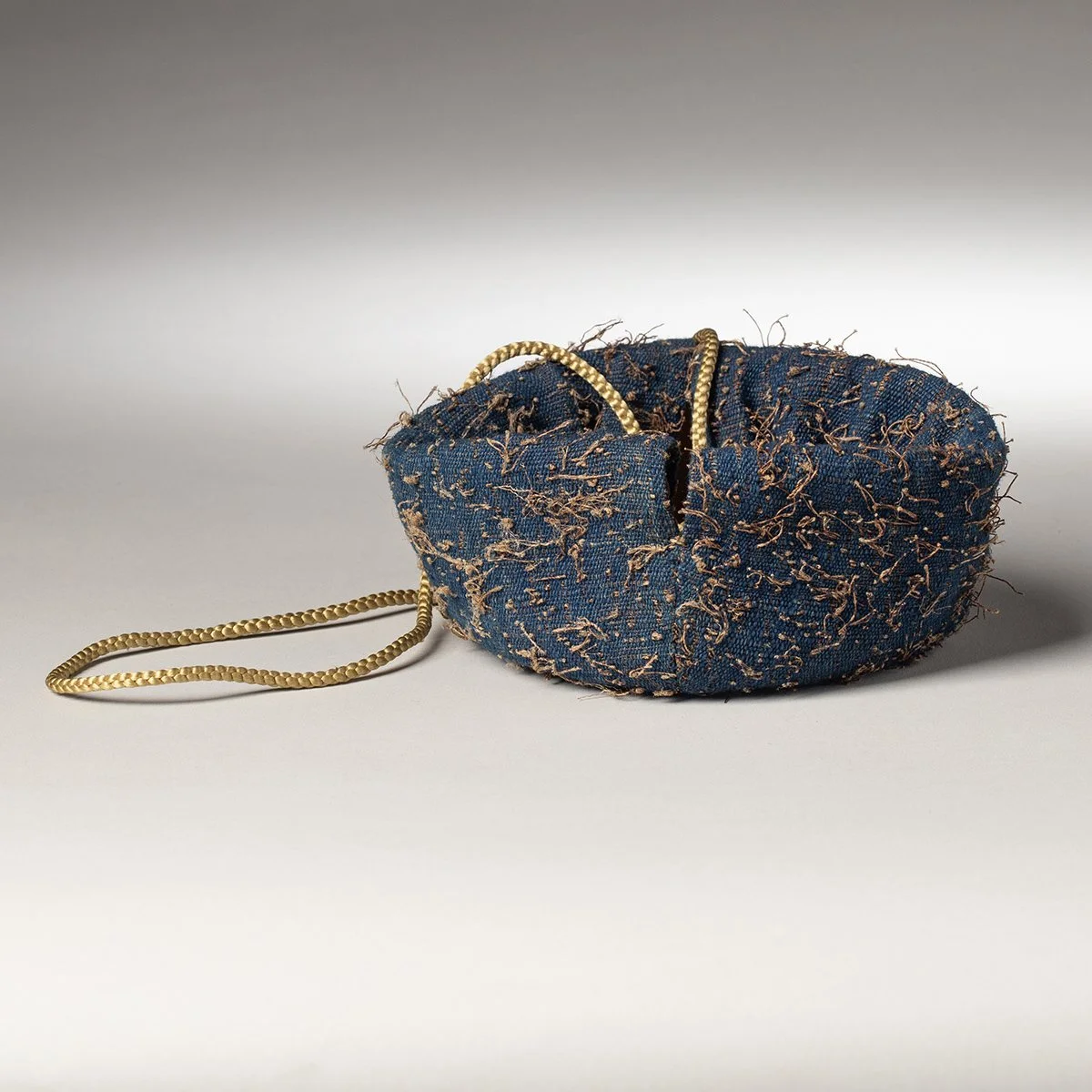 Image 11 of 16
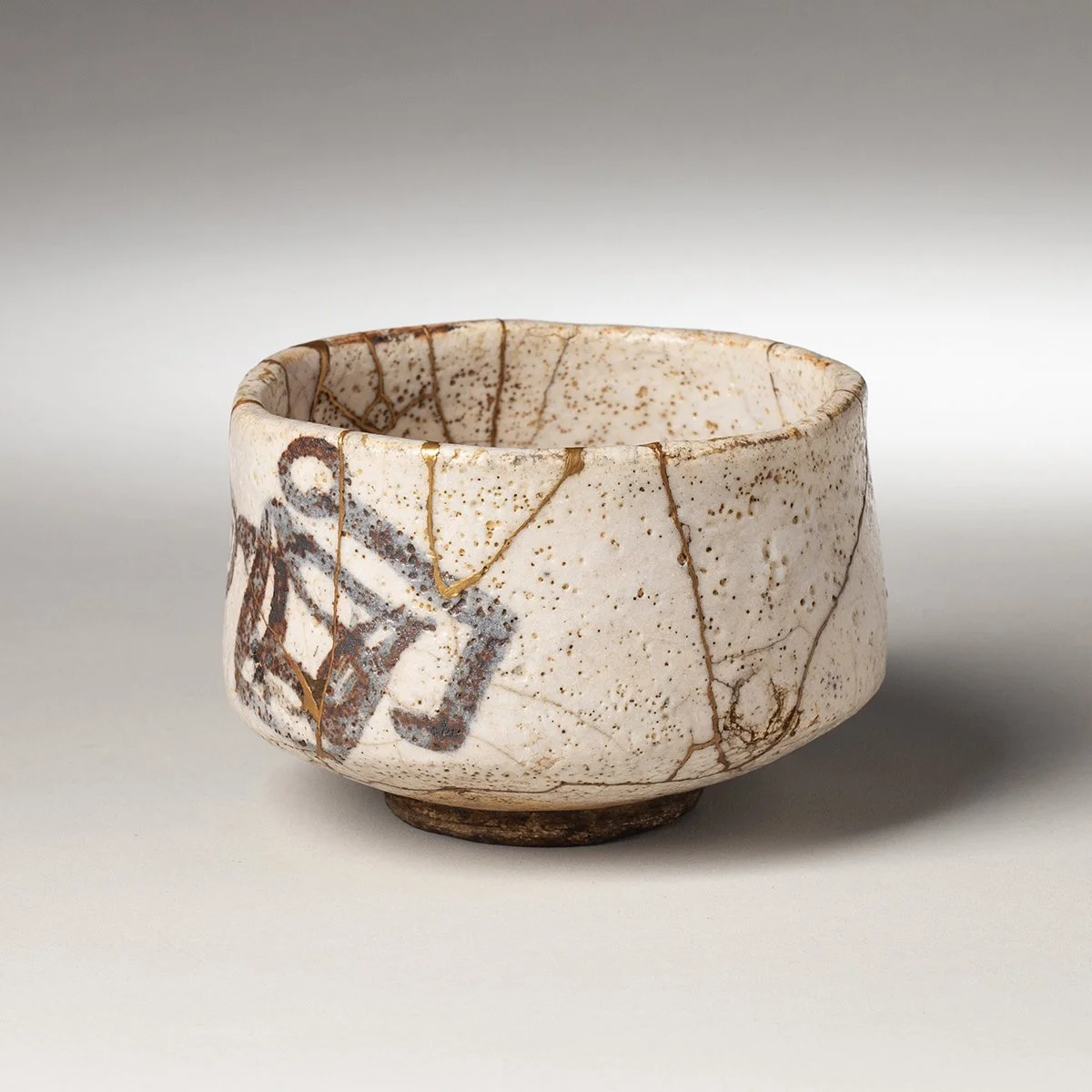 Image 12 of 16
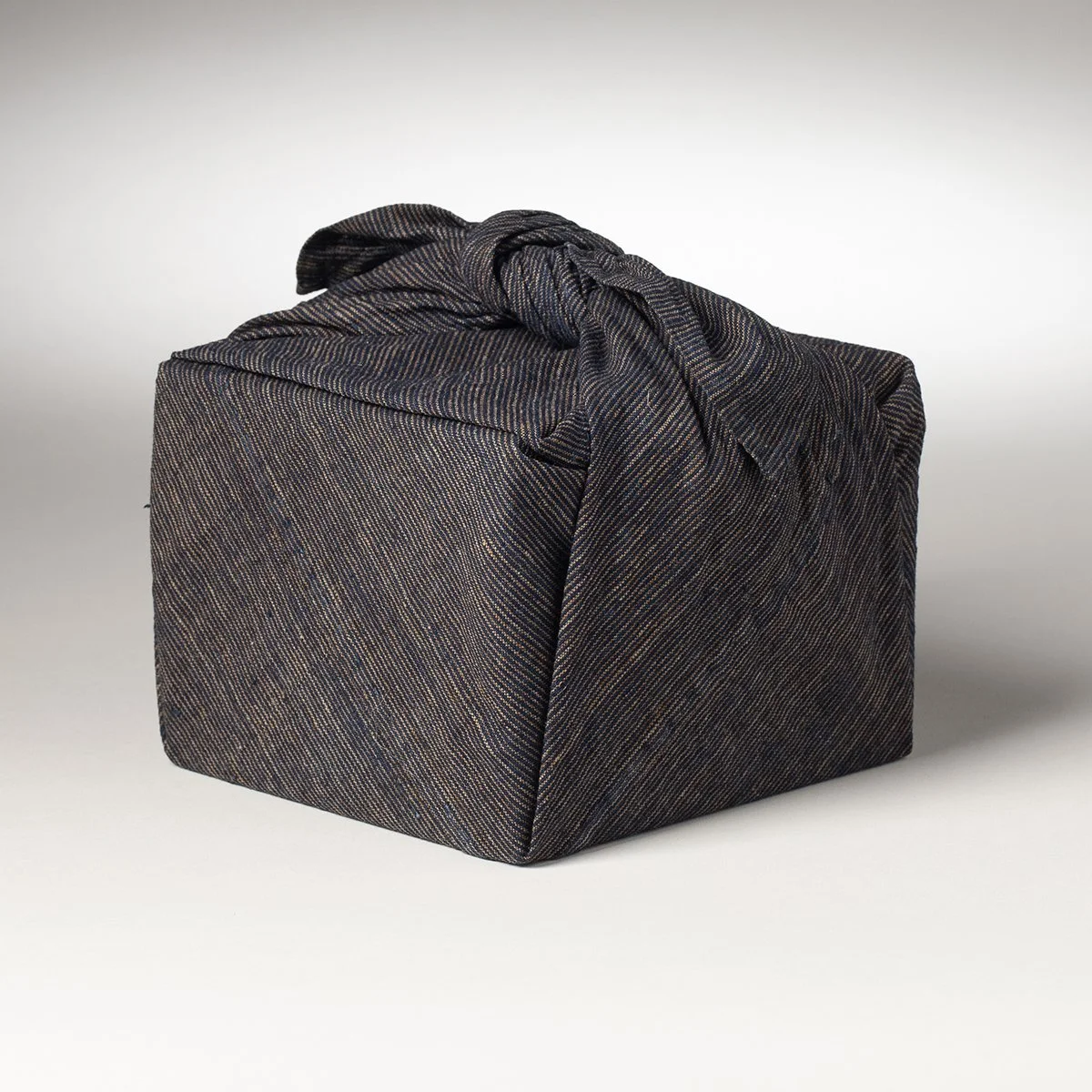 Image 13 of 16
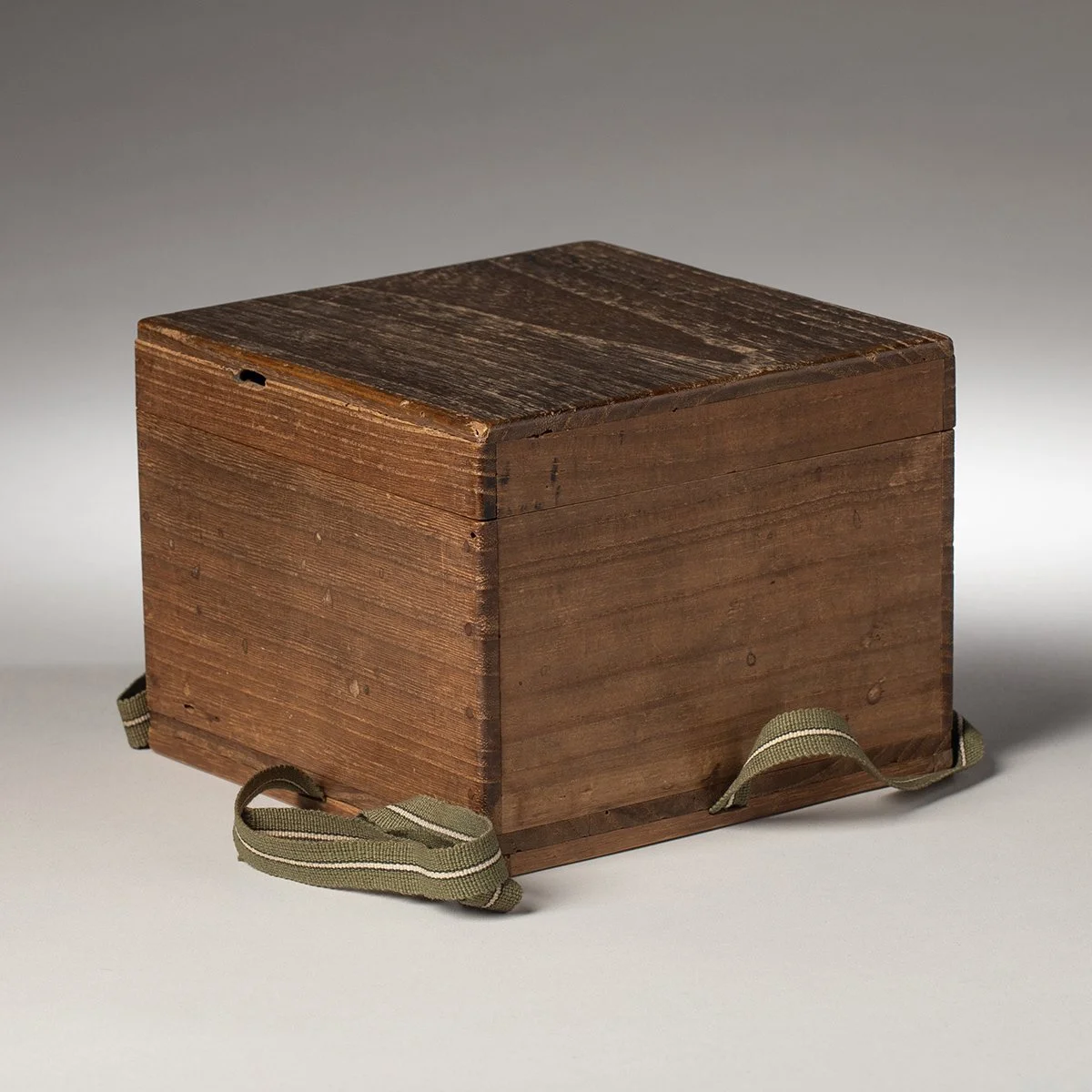 Image 14 of 16
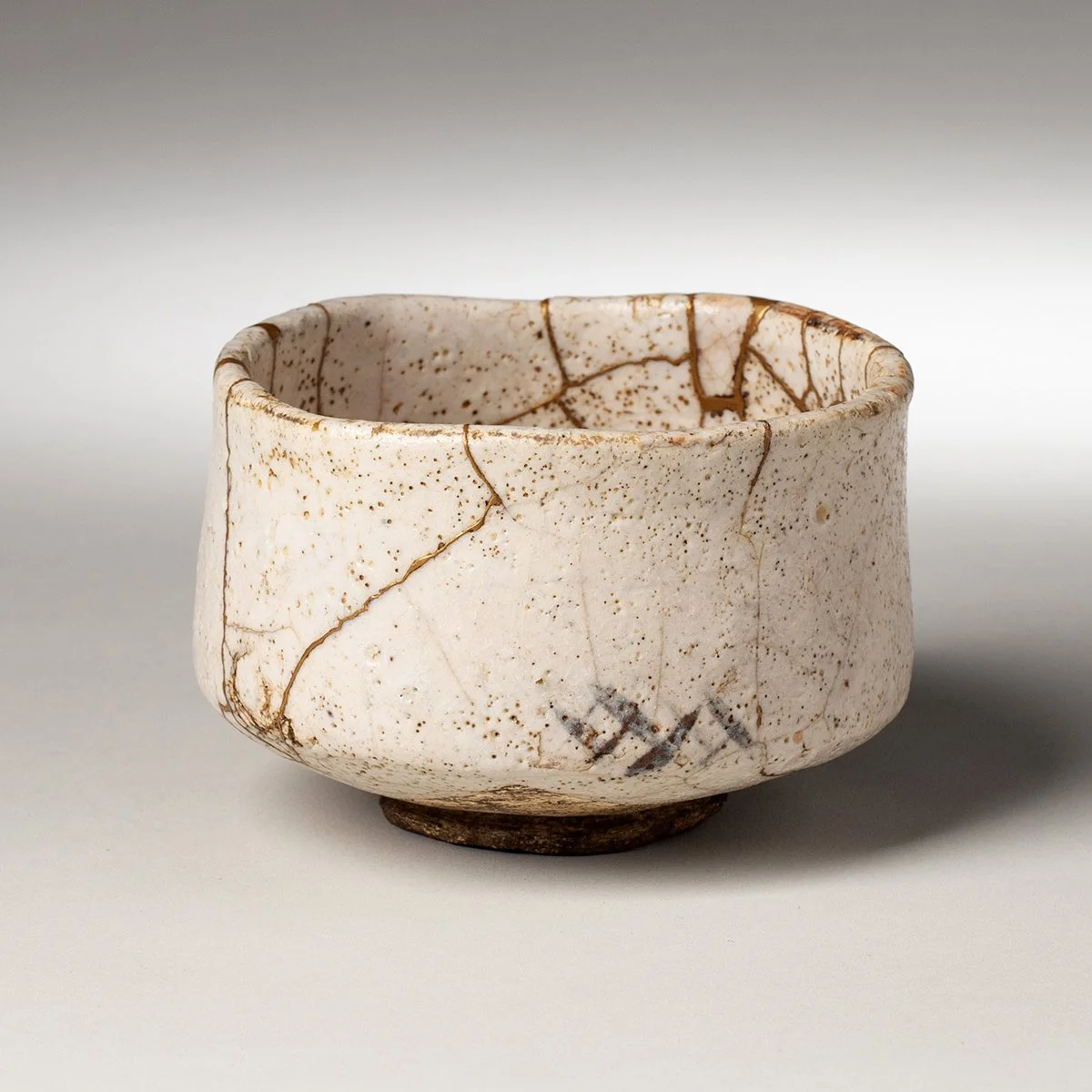 Image 15 of 16
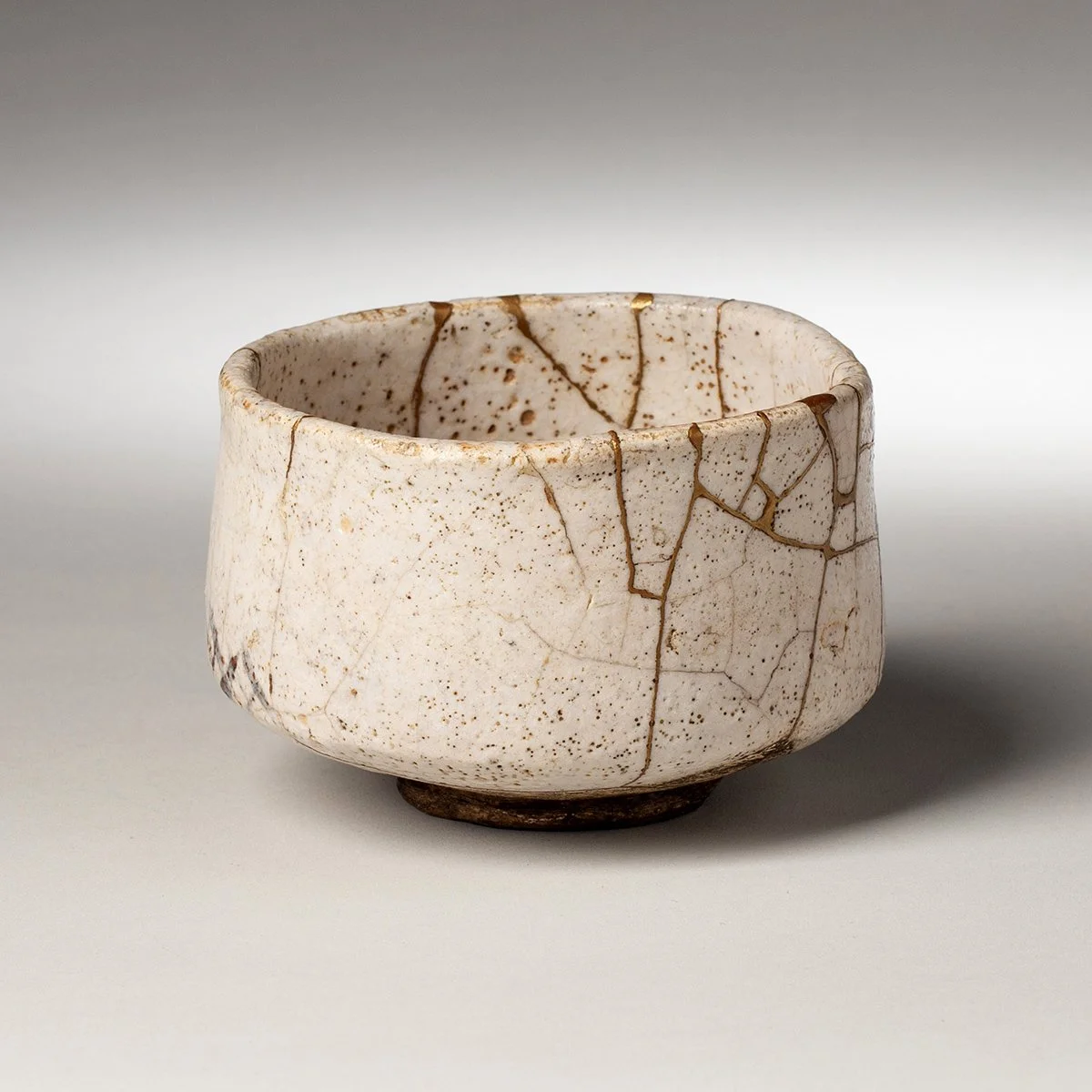 Image 16 of 16