Mahafaly
Toliara Province, Madagascar
Late 18th to early 19th century
Wood
Height 72 3/4"
Provenance: Faith and Martin Wright, New York; acquired from J.J. Klejman, New York, December 30, 1969, with copy of original invoice
This aloalo funerary post from the Mahafaly people of southern Madagascar takes the canonical form of a standing female figure at the base surmounted by a tall openwork column of interlocking crescent and geometric forms called lalantioky, meaning the path of the wind, terminating above in a carved element. The female figure is rendered with a textured rounded headdress, clearly defined facial features, and arms drawn across the chest, standing on a squared plinth; both front and back are fully carved with equal attention. The column above rises in a repeating series of paired crescent forms that interlock across the shaft, a design interpreted as an allusion to the lunar cycle and the passage between the living and the ancestral realm.
Aloalo served as messengers between the world of the living and the dead, erected on the stone tomb enclosures of chiefly and royal lineages outside the village, oriented in cardinal directions that reflected the cosmic order. The mpisoro, or spiritual leader of the clan, oversaw the selection of wood and the transaction between the carver and the commissioning family, ensuring the sculpture was imbued with the appropriate sacred character. A comparable example from the same region was included in a group display at the Musée du Quai Branly in Paris, and a further example from that museum's collection is in storage.
The piece carries distinguished early provenance, having been acquired by Faith and Martin Wright from the prominent New York dealer J.J. Klejman in December 1969, with the original invoice preserved. (see item photos)
An essay on this work by Dr. Jerome Feldman accompanies the sculpture (click here to read it).
The price includes crating and worldwide shipping.
We ship free anywhere in the world, fully insured, packed by hand.
Mahafaly
Toliara Province, Madagascar
Late 18th to early 19th century
Wood
Height 72 3/4"
Provenance: Faith and Martin Wright, New York; acquired from J.J. Klejman, New York, December 30, 1969, with copy of original invoice
This aloalo funerary post from the Mahafaly people of southern Madagascar takes the canonical form of a standing female figure at the base surmounted by a tall openwork column of interlocking crescent and geometric forms called lalantioky, meaning the path of the wind, terminating above in a carved element. The female figure is rendered with a textured rounded headdress, clearly defined facial features, and arms drawn across the chest, standing on a squared plinth; both front and back are fully carved with equal attention. The column above rises in a repeating series of paired crescent forms that interlock across the shaft, a design interpreted as an allusion to the lunar cycle and the passage between the living and the ancestral realm.
Aloalo served as messengers between the world of the living and the dead, erected on the stone tomb enclosures of chiefly and royal lineages outside the village, oriented in cardinal directions that reflected the cosmic order. The mpisoro, or spiritual leader of the clan, oversaw the selection of wood and the transaction between the carver and the commissioning family, ensuring the sculpture was imbued with the appropriate sacred character. A comparable example from the same region was included in a group display at the Musée du Quai Branly in Paris, and a further example from that museum's collection is in storage.
The piece carries distinguished early provenance, having been acquired by Faith and Martin Wright from the prominent New York dealer J.J. Klejman in December 1969, with the original invoice preserved. (see item photos)
An essay on this work by Dr. Jerome Feldman accompanies the sculpture (click here to read it).
The price includes crating and worldwide shipping.
We ship free anywhere in the world, fully insured, packed by hand.


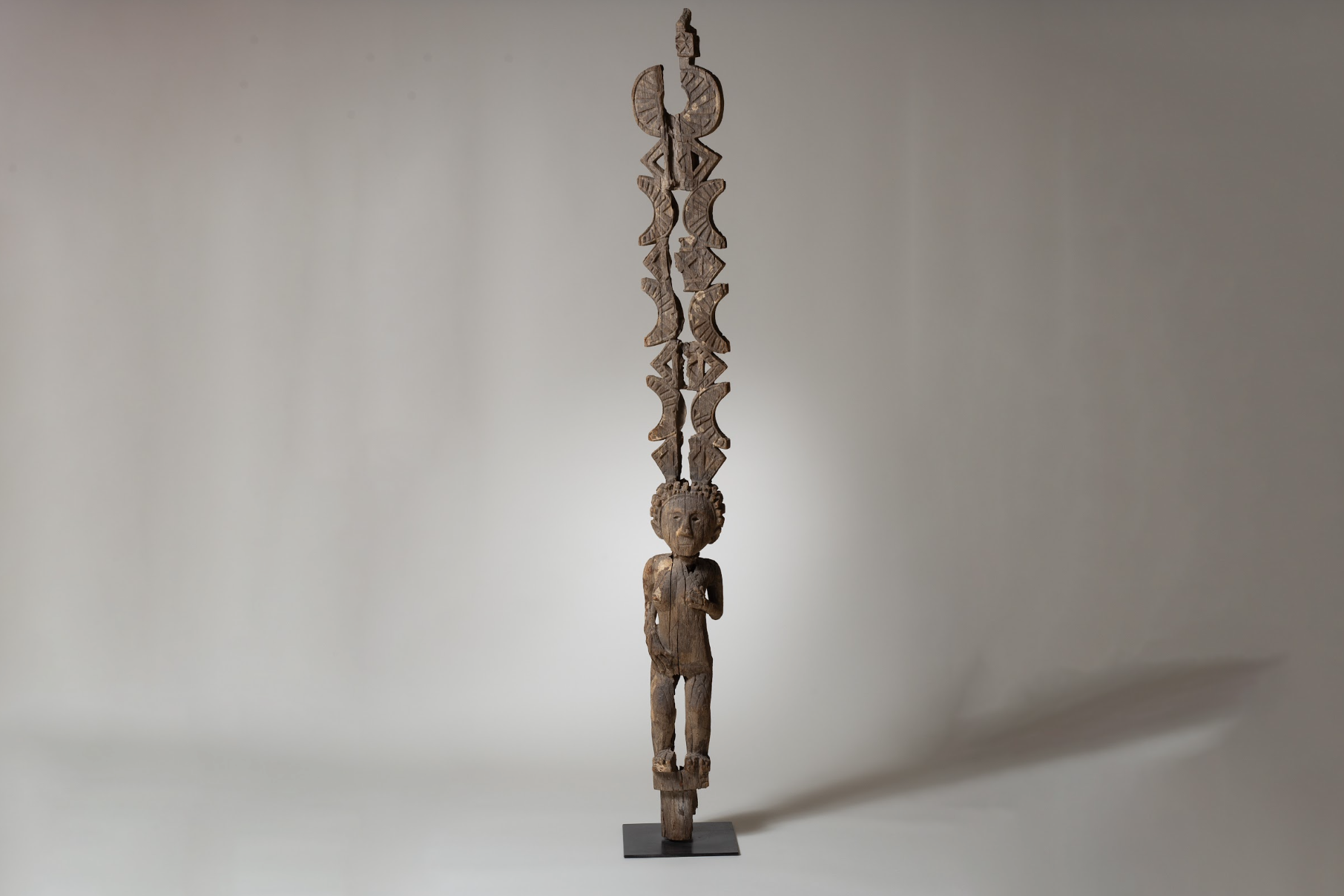 Image 1 of 11
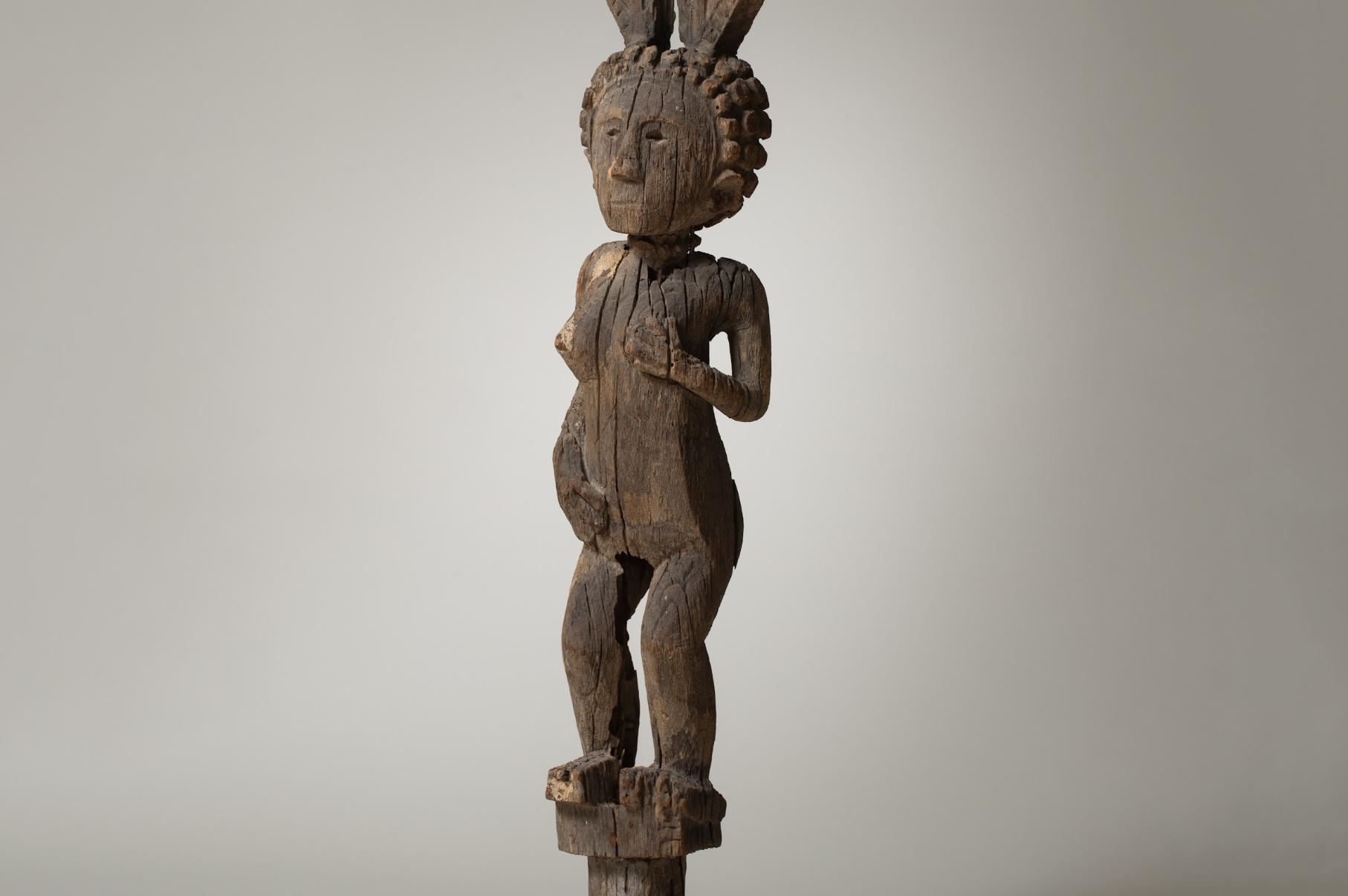 Image 2 of 11
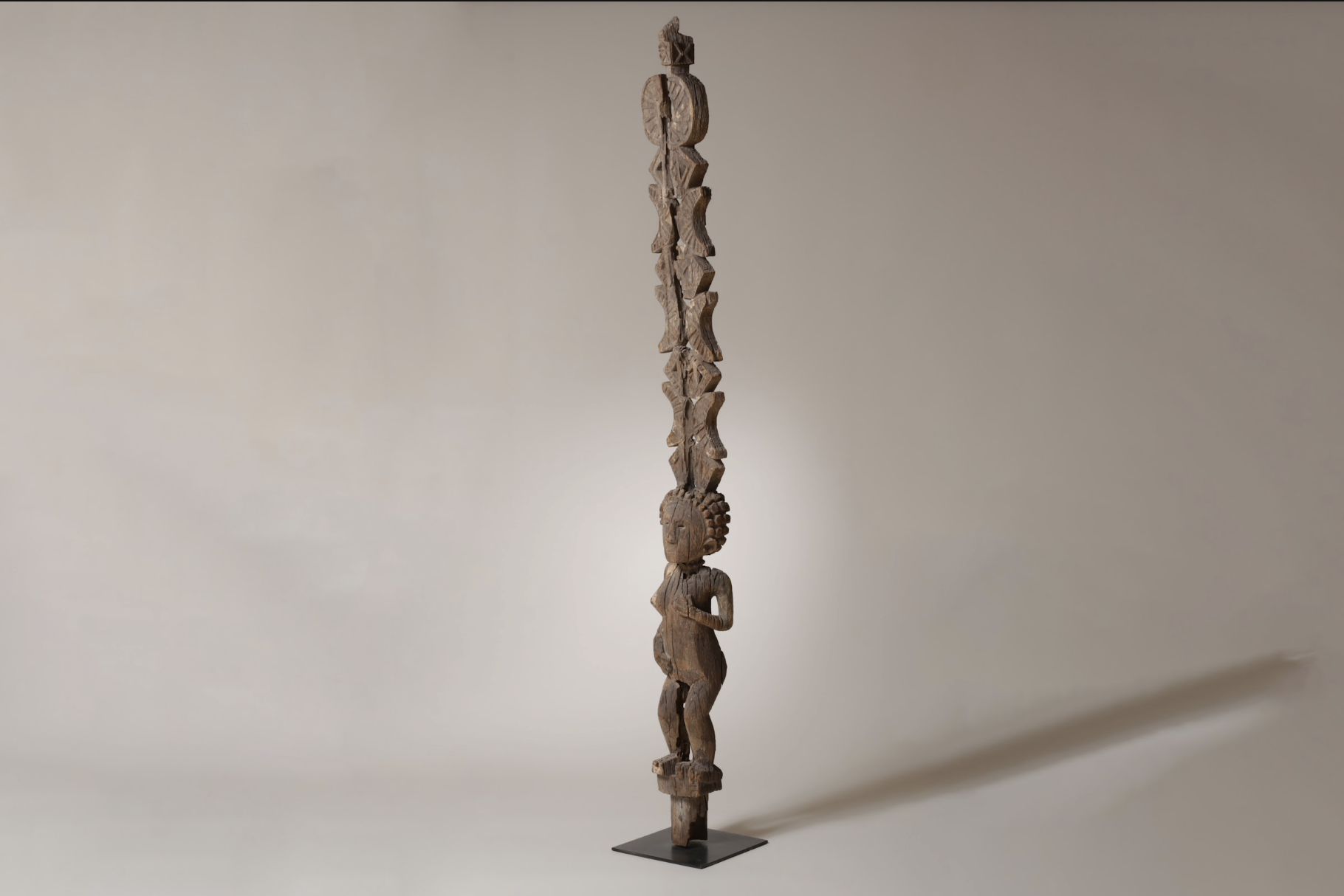 Image 3 of 11
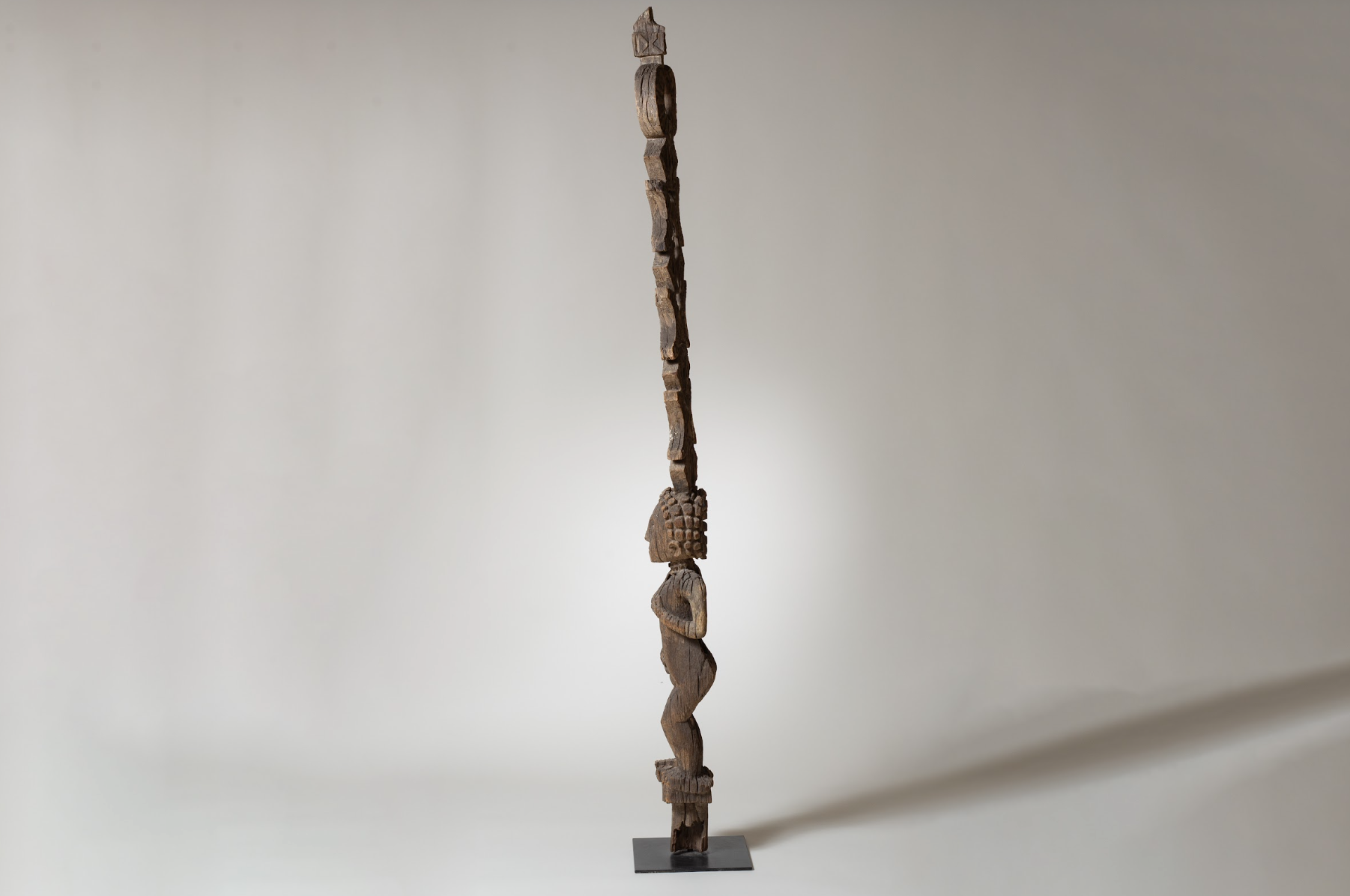 Image 4 of 11
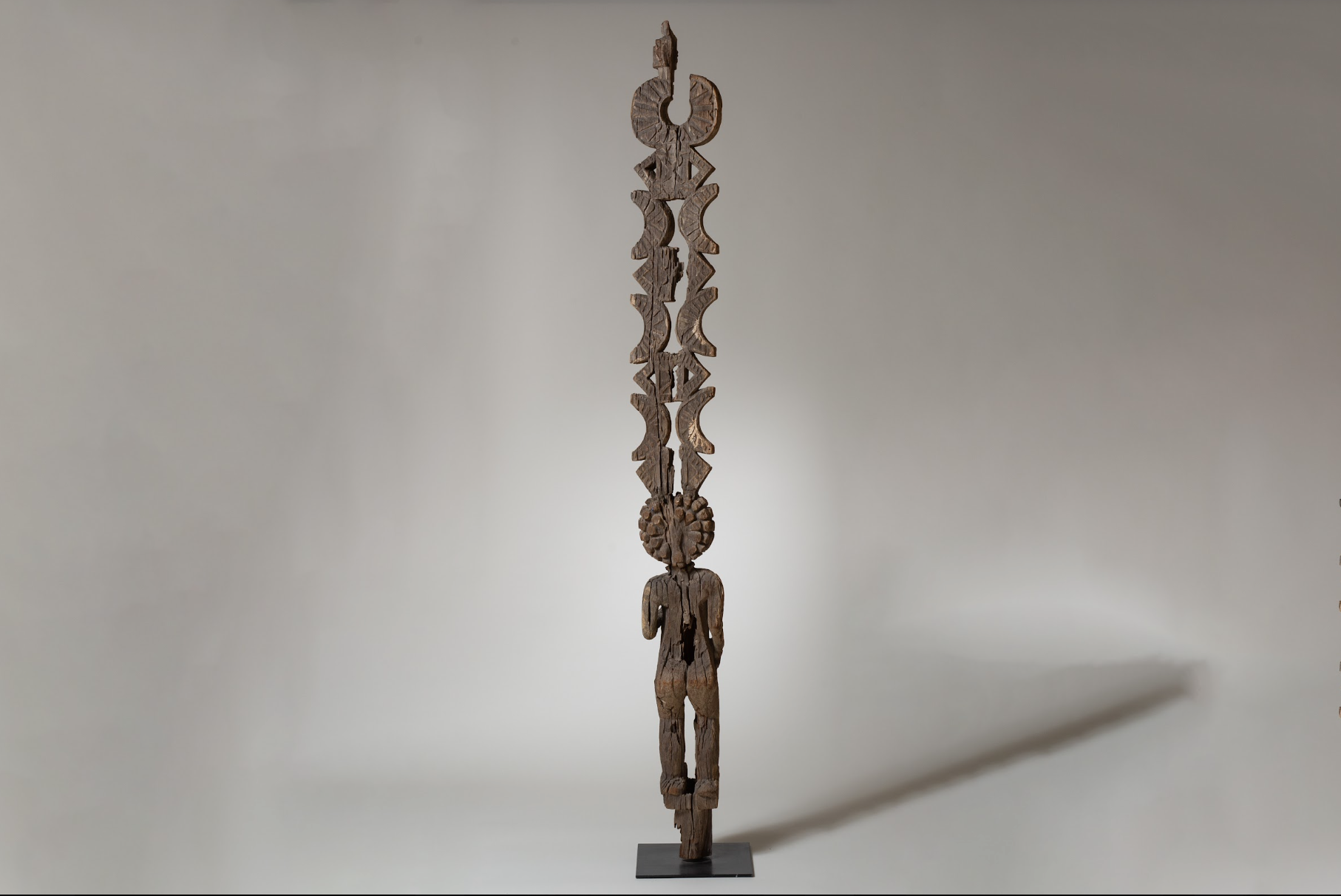 Image 5 of 11
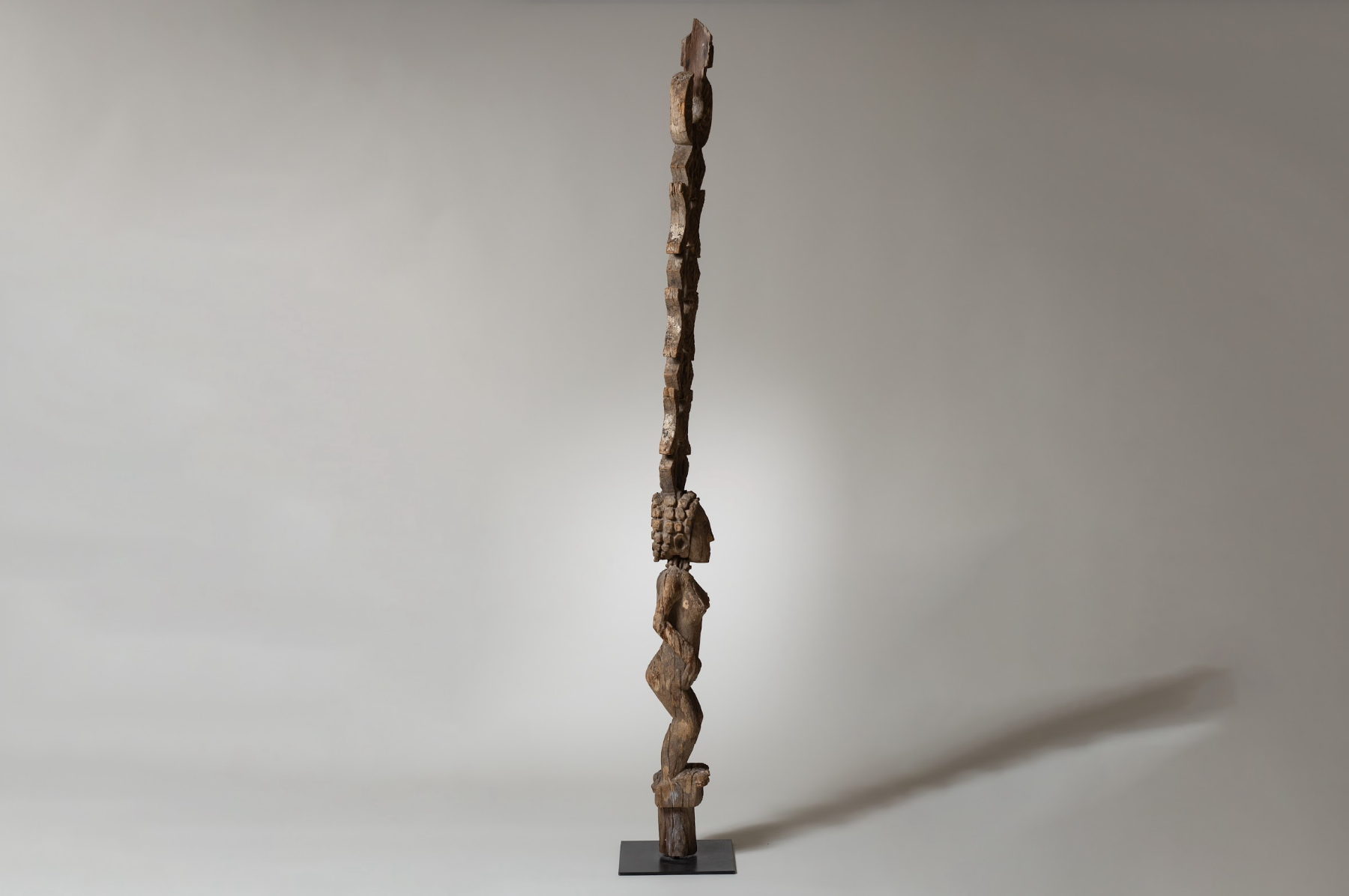 Image 6 of 11
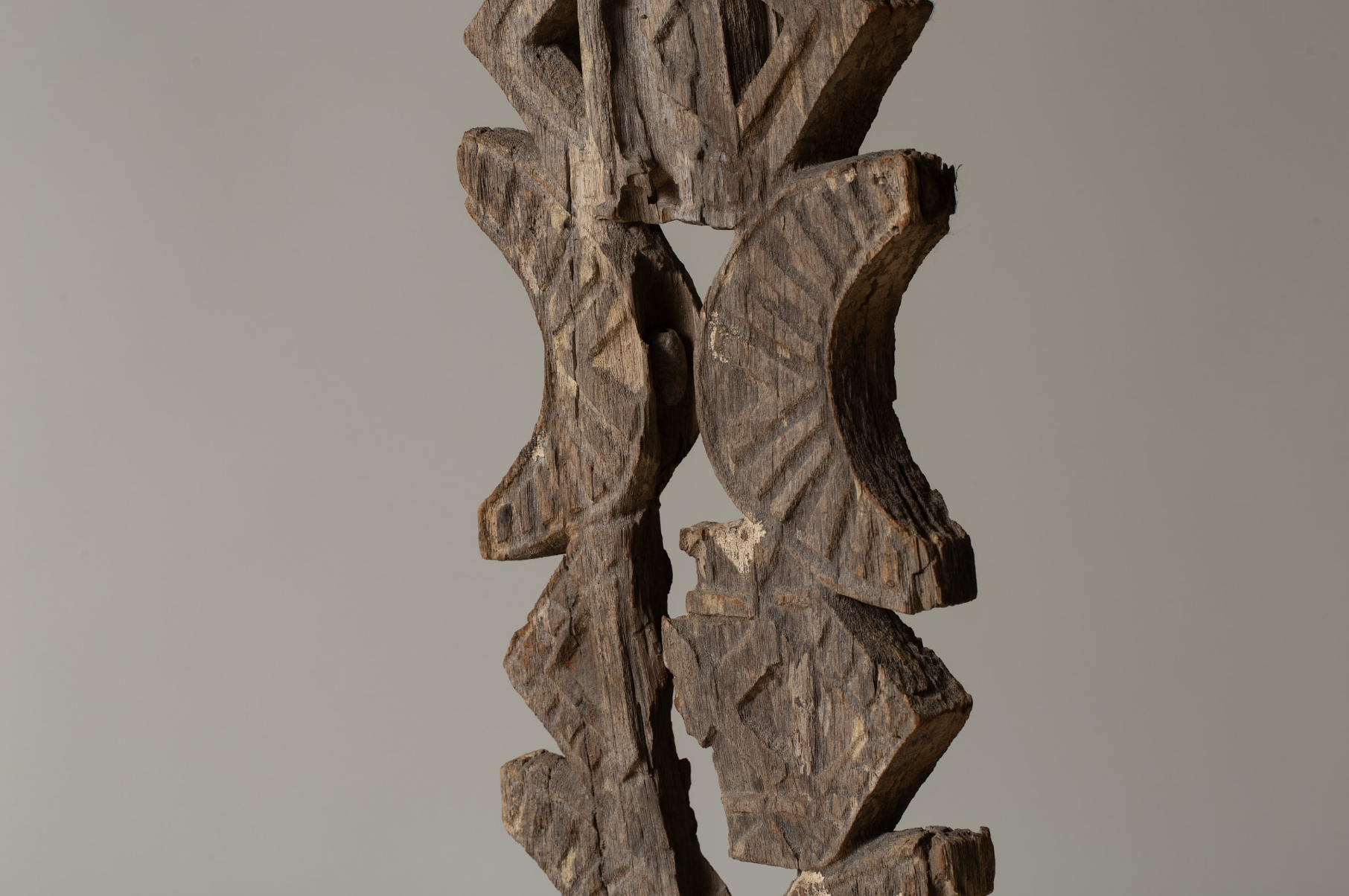 Image 7 of 11
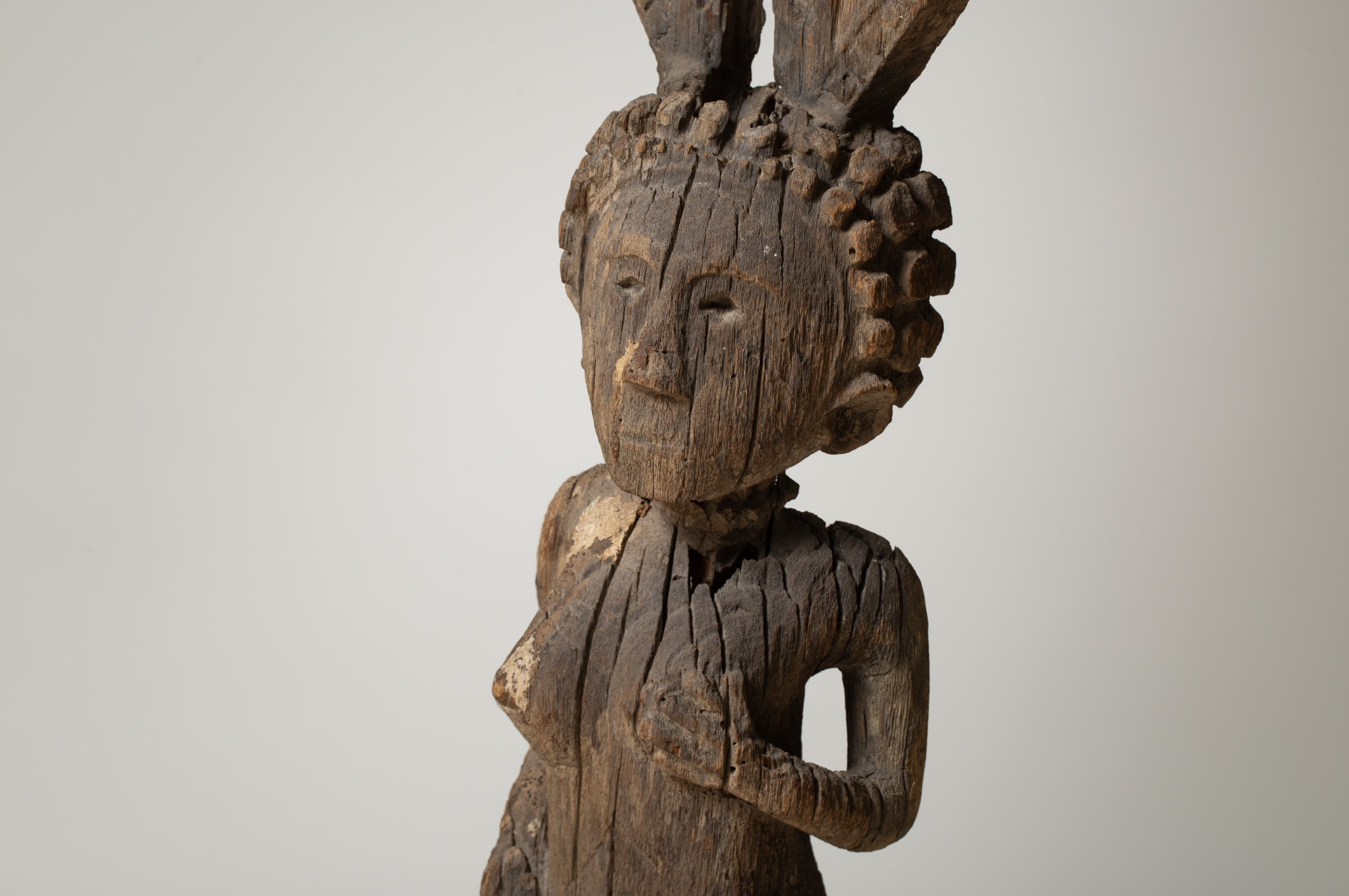 Image 9 of 11
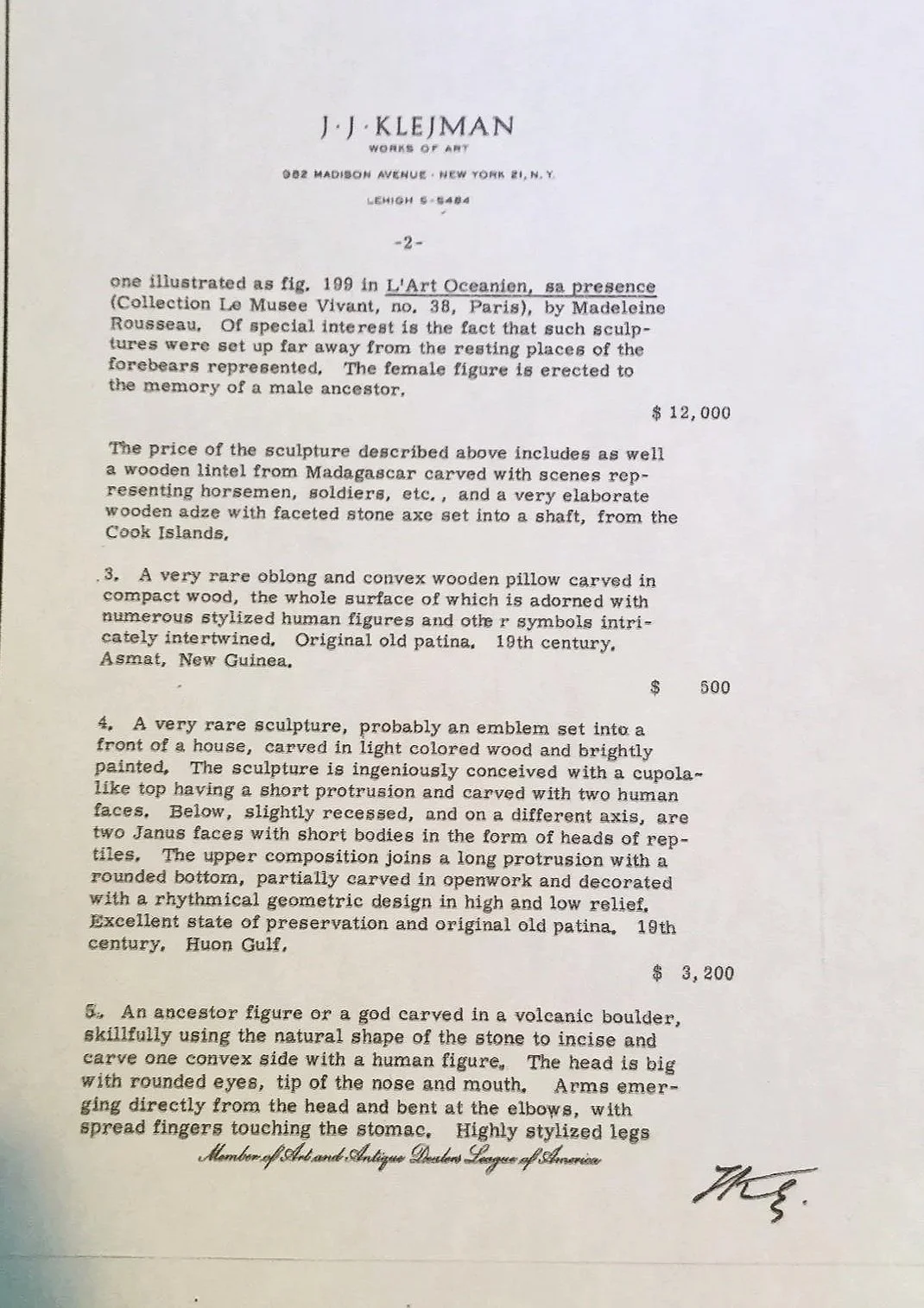 Image 10 of 11
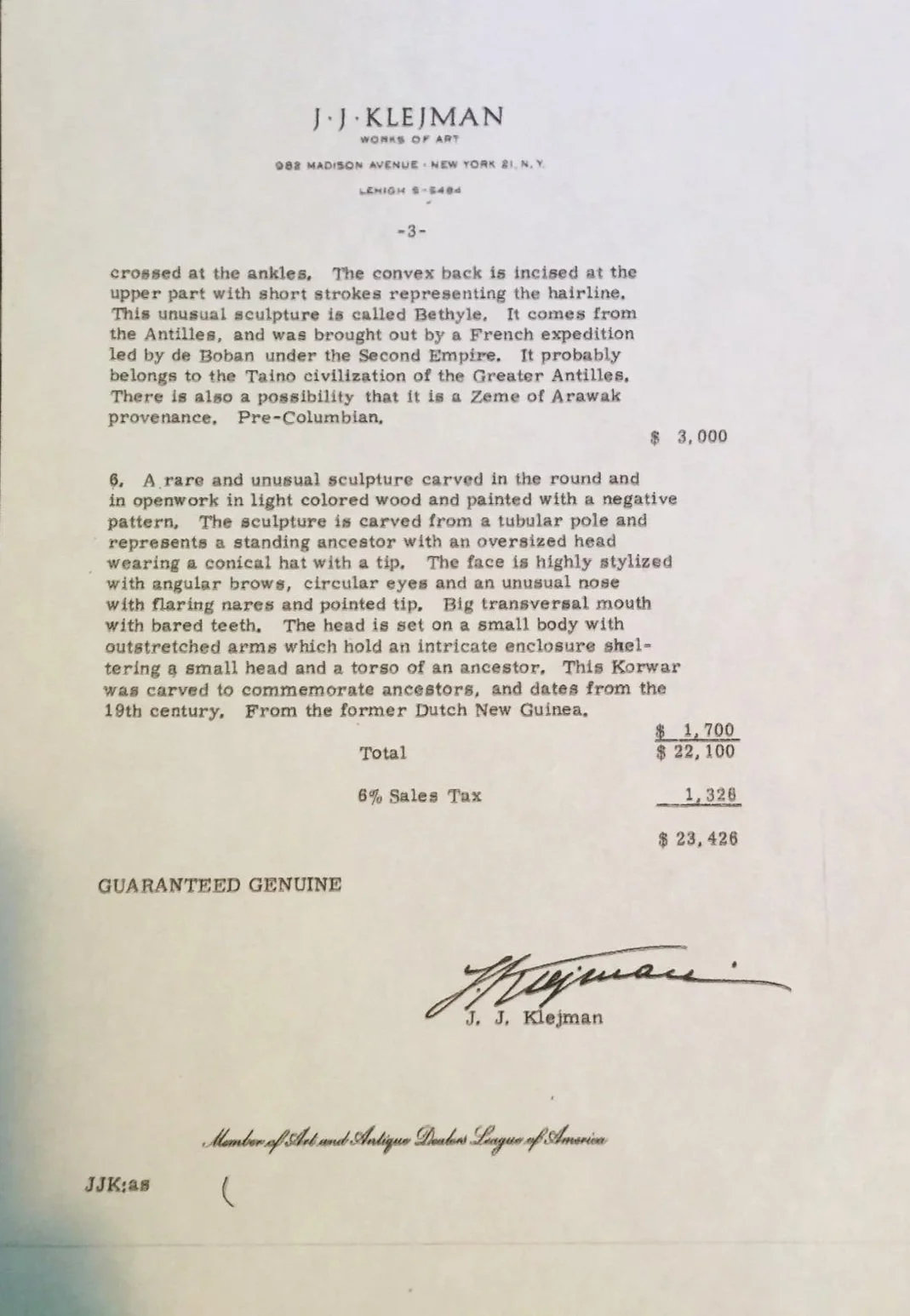 Image 11 of 11