

 Image 1 of 2
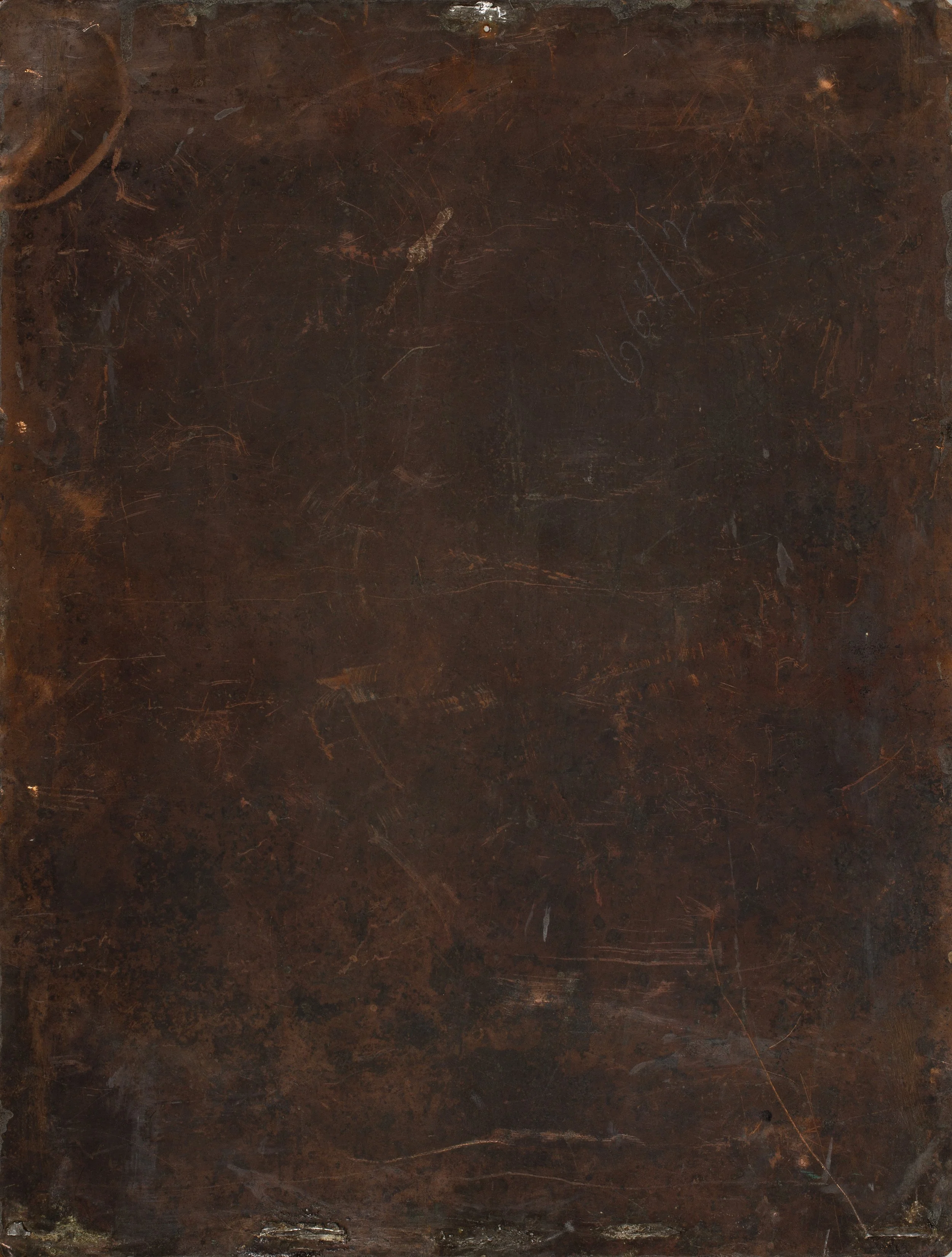 Image 2 of 2
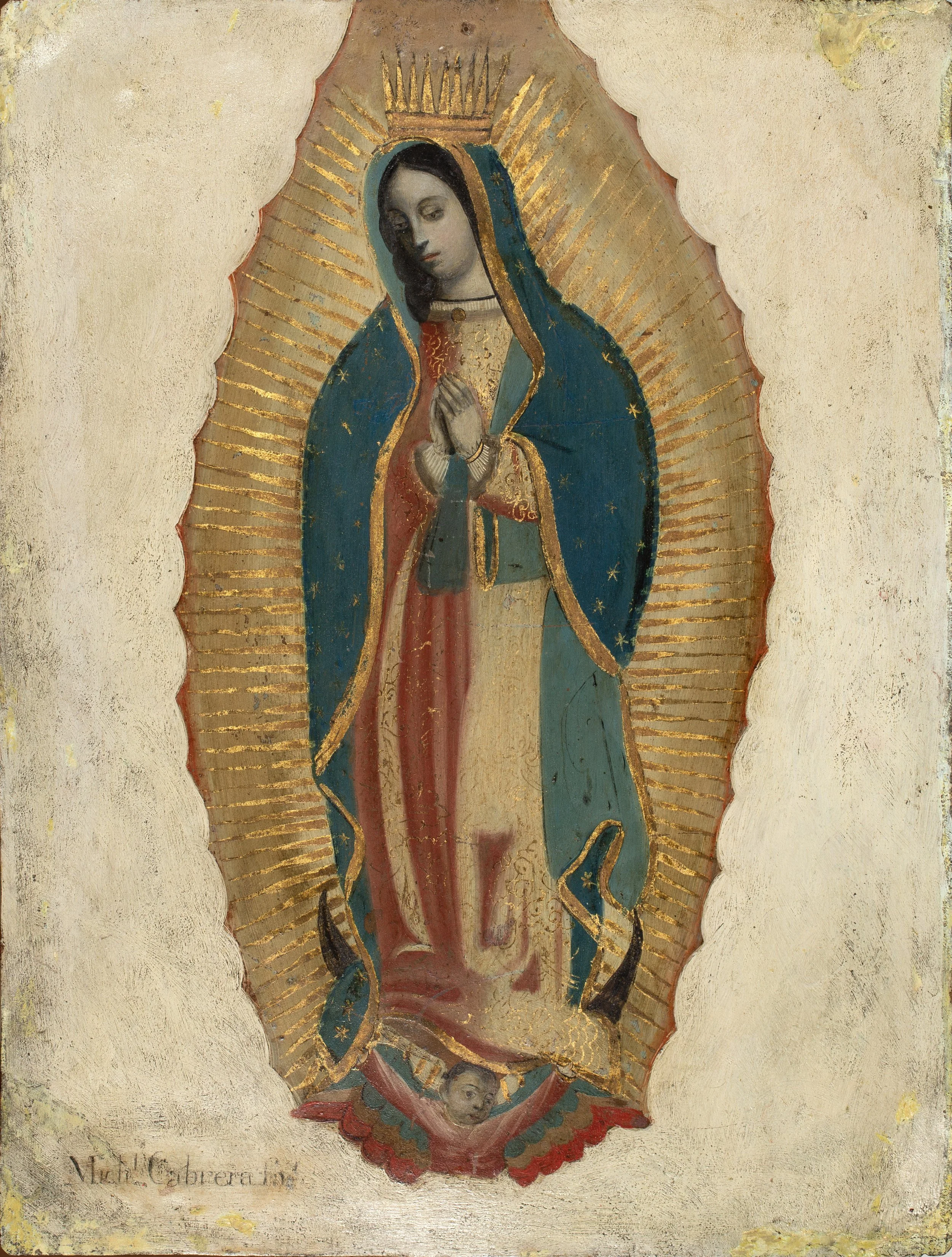
Mexico
Mid-18th century
Oil on copper - signed lower left
12 1/2 x 16 1/2 inches (31.75 x 41.91 cm)
Provenance: Private collection, Tucson, AZ
Miguel Mateo Maldonado y Cabrera (1695–1768) was a prominent late-Baroque painter in 18th-century New Spain (modern-day Mexico). Widely regarded as the greatest painter of the viceroyalty during his lifetime, he created a vast body of religious art, official portraits, and influential casta paintings.
Background and Career
Born in Oaxaca (Antequera), Mexico, Maldonado y Cabrera hailed from a blend of indigenous Zapotec and Spanish heritage. His rise to prominence began in 1719 when he relocated to Mexico City, where he became the favored painter of the Archbishop and the Jesuit order.
Maldonado y Cabrera’s artistic style was influenced by the renowned Sevillian Baroque masters, such as Bartolomé Esteban Murillo, as well as contemporary French styles.
Major Works and Themes
Casta Paintings: Maldonado y Cabrera’s most notable contribution lies in his creation of exquisite multi-canvas sets that depicted the intricate racial mixing (mestizaje) between Spaniards, Indigenous peoples, and Africans within colonial society.
Religious Icons: He painted numerous depictions of the Virgin of Guadalupe and authored an influential treatise titled “Maravilla Americana” in 1756, which delved into the analysis of her image.
Portraiture: Maldonado y Cabrera’s posthumous portrait of the brilliant scholar and poet Sor Juana Inés de la Cruz stands as his most iconic work.
We ship free anywhere in the world, fully insured, packed by hand.
Mexico
Mid-18th century
Oil on copper - signed lower left
12 1/2 x 16 1/2 inches (31.75 x 41.91 cm)
Provenance: Private collection, Tucson, AZ
Miguel Mateo Maldonado y Cabrera (1695–1768) was a prominent late-Baroque painter in 18th-century New Spain (modern-day Mexico). Widely regarded as the greatest painter of the viceroyalty during his lifetime, he created a vast body of religious art, official portraits, and influential casta paintings.
Background and Career
Born in Oaxaca (Antequera), Mexico, Maldonado y Cabrera hailed from a blend of indigenous Zapotec and Spanish heritage. His rise to prominence began in 1719 when he relocated to Mexico City, where he became the favored painter of the Archbishop and the Jesuit order.
Maldonado y Cabrera’s artistic style was influenced by the renowned Sevillian Baroque masters, such as Bartolomé Esteban Murillo, as well as contemporary French styles.
Major Works and Themes
Casta Paintings: Maldonado y Cabrera’s most notable contribution lies in his creation of exquisite multi-canvas sets that depicted the intricate racial mixing (mestizaje) between Spaniards, Indigenous peoples, and Africans within colonial society.
Religious Icons: He painted numerous depictions of the Virgin of Guadalupe and authored an influential treatise titled “Maravilla Americana” in 1756, which delved into the analysis of her image.
Portraiture: Maldonado y Cabrera’s posthumous portrait of the brilliant scholar and poet Sor Juana Inés de la Cruz stands as his most iconic work.
We ship free anywhere in the world, fully insured, packed by hand.