A Rediscovered Masterpiece from Captain Cook’s Third Voyage
Nuu-chah-nulth / Nootka Ch’it’uut Thunderbird War Club
Nootka Sound, Vancouver Island, British Columbia, Canada
17th–18th century
Wood
Height 23 in / 58.5 cm
Provenance: Private English collection
The Nuu-chah-nulth, historically known as the Nootka, lived along the rugged west coast of Vancouver Island, where ocean travel, fishing, and whaling shaped much of their cultural and ceremonial life. High-ranking chiefs were especially associated with whale hunting, an activity that carried social, spiritual, and political significance. This wooden Ch’it’uut war club belongs to that Northwest Coast world of rank, ceremony, and maritime power.
Captain James Cook’s third voyage reached Nootka Sound in March 1778, creating one of the earliest major points of contact between the Nuu-chah-nulth and European navigators. During the expedition’s stay, crew members traded iron and other materials for food, furs, oil, and Indigenous objects brought to the ships by Nootka men. Objects acquired during this encounter entered European collections and became part of the early collecting history of the Northwest Coast.
Most surviving Ch’it’uut war clubs are carved from whale bone, while copper examples are associated with chiefly ceremonial use. Wooden examples are far less commonly recorded, giving this club a distinct position within the known group. Its rediscovery in England, where it had been misidentified as a Massim club from New Guinea, adds an important layer to its collecting history.
This club is carved from dense wood, possibly Pacific yew or a related species, with a well-worn glossy patina from long handling and preservation. The pommel is carved with a Thunderbird head in profile, a powerful image associated with high rank and the whaling traditions of leading Nuu-chah-nulth families. Its rare wooden construction, Ch’it’uut form, and private English provenance give the object a direct historical connection to the Captain Cook period of Nootka Sound collecting.
To read more from Mark about this extraordinary item, please click here.
We ship free anywhere in the world, fully insured, packed by hand.
A Rediscovered Masterpiece from Captain Cook’s Third Voyage
Nuu-chah-nulth / Nootka Ch’it’uut Thunderbird War Club
Nootka Sound, Vancouver Island, British Columbia, Canada
17th–18th century
Wood
Height 23 in / 58.5 cm
Provenance: Private English collection
The Nuu-chah-nulth, historically known as the Nootka, lived along the rugged west coast of Vancouver Island, where ocean travel, fishing, and whaling shaped much of their cultural and ceremonial life. High-ranking chiefs were especially associated with whale hunting, an activity that carried social, spiritual, and political significance. This wooden Ch’it’uut war club belongs to that Northwest Coast world of rank, ceremony, and maritime power.
Captain James Cook’s third voyage reached Nootka Sound in March 1778, creating one of the earliest major points of contact between the Nuu-chah-nulth and European navigators. During the expedition’s stay, crew members traded iron and other materials for food, furs, oil, and Indigenous objects brought to the ships by Nootka men. Objects acquired during this encounter entered European collections and became part of the early collecting history of the Northwest Coast.
Most surviving Ch’it’uut war clubs are carved from whale bone, while copper examples are associated with chiefly ceremonial use. Wooden examples are far less commonly recorded, giving this club a distinct position within the known group. Its rediscovery in England, where it had been misidentified as a Massim club from New Guinea, adds an important layer to its collecting history.
This club is carved from dense wood, possibly Pacific yew or a related species, with a well-worn glossy patina from long handling and preservation. The pommel is carved with a Thunderbird head in profile, a powerful image associated with high rank and the whaling traditions of leading Nuu-chah-nulth families. Its rare wooden construction, Ch’it’uut form, and private English provenance give the object a direct historical connection to the Captain Cook period of Nootka Sound collecting.
To read more from Mark about this extraordinary item, please click here.
We ship free anywhere in the world, fully insured, packed by hand.


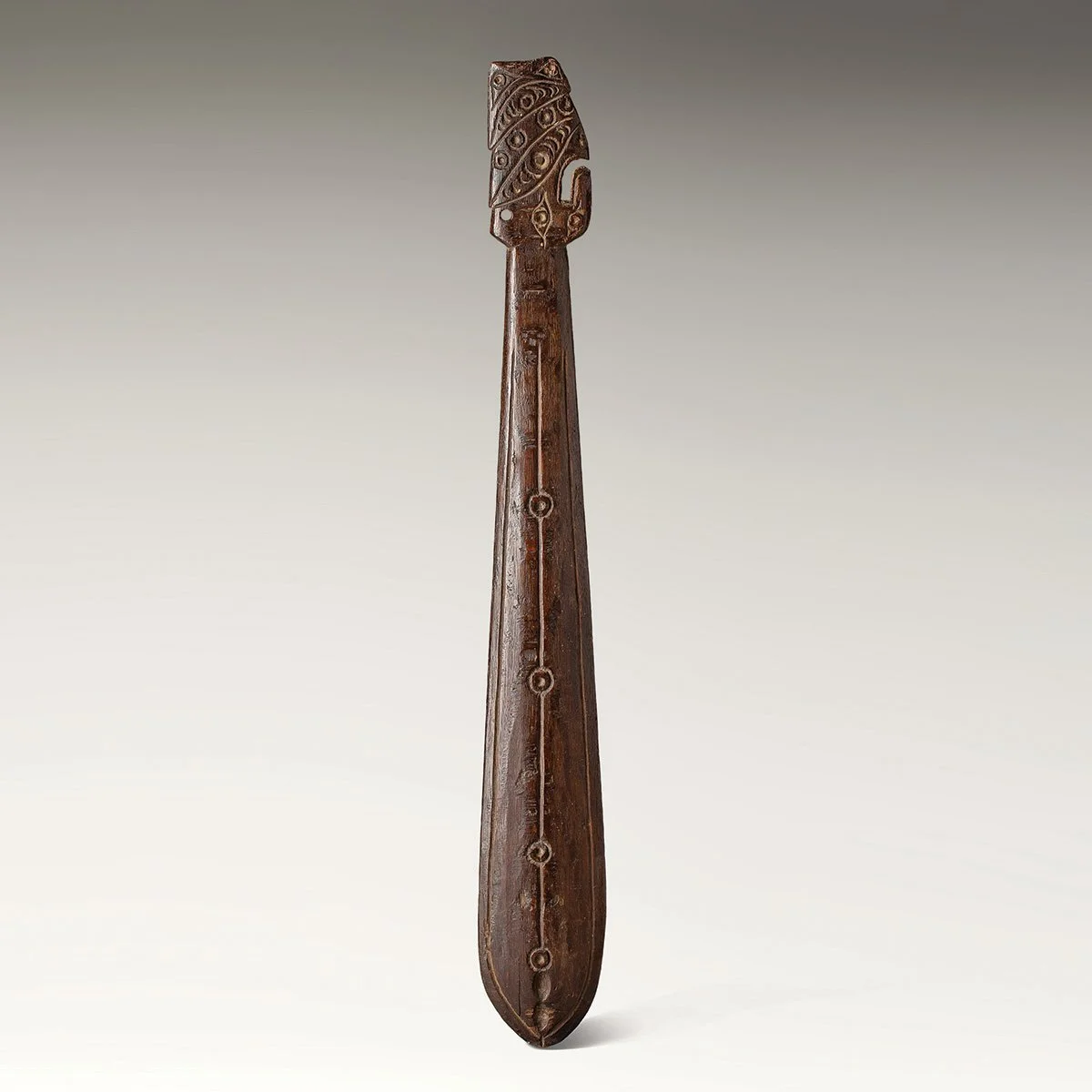 Image 1 of 8
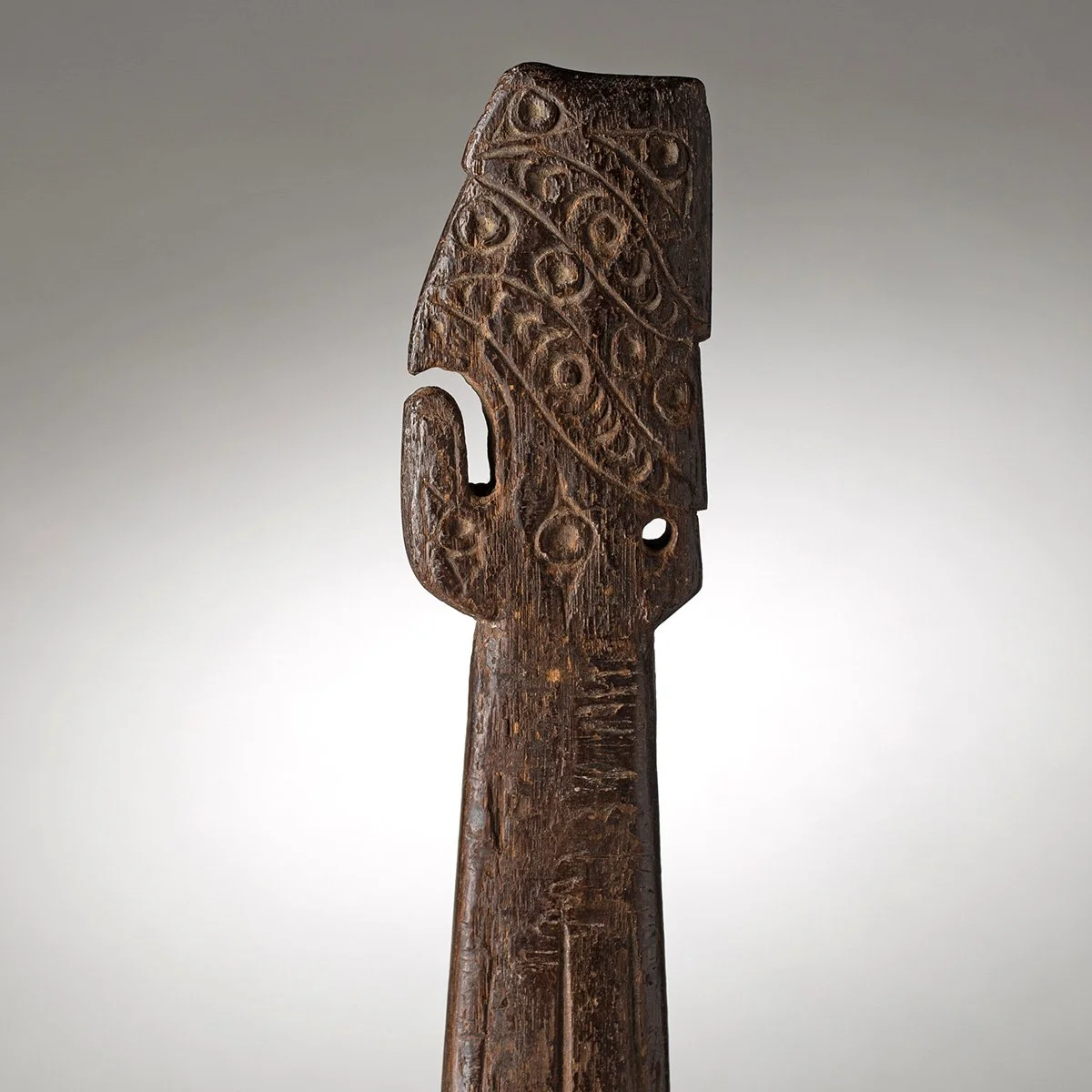 Image 2 of 8
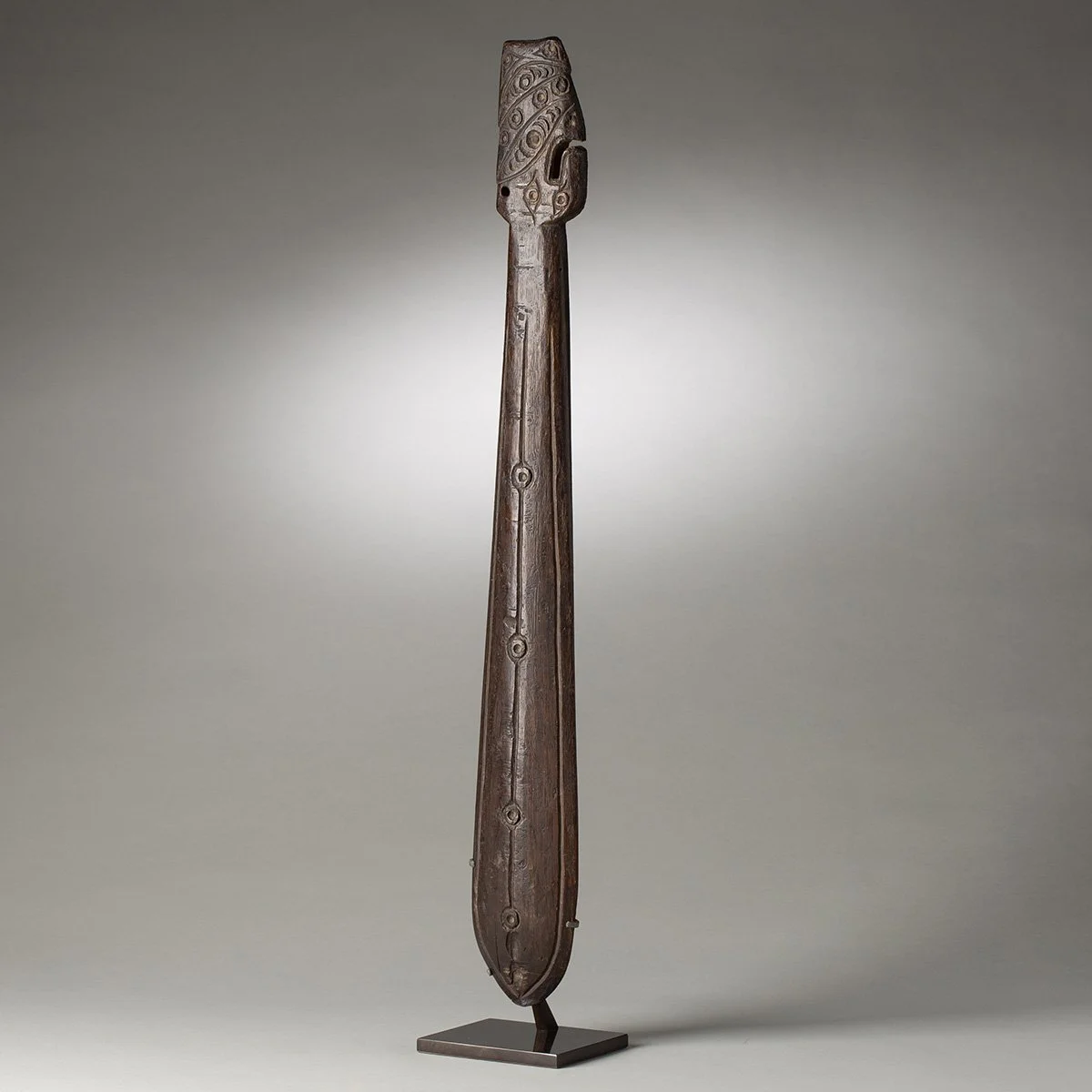 Image 3 of 8
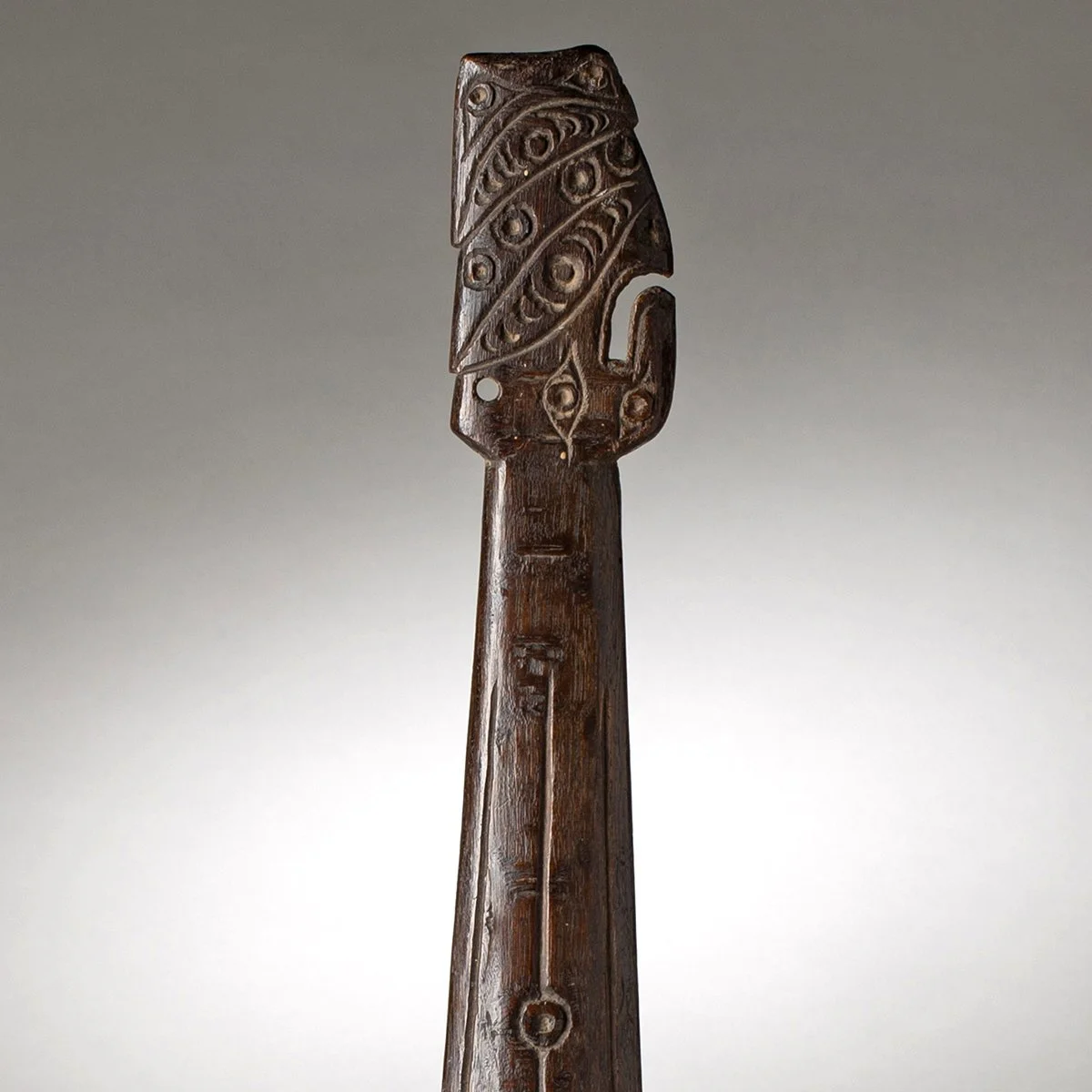 Image 4 of 8
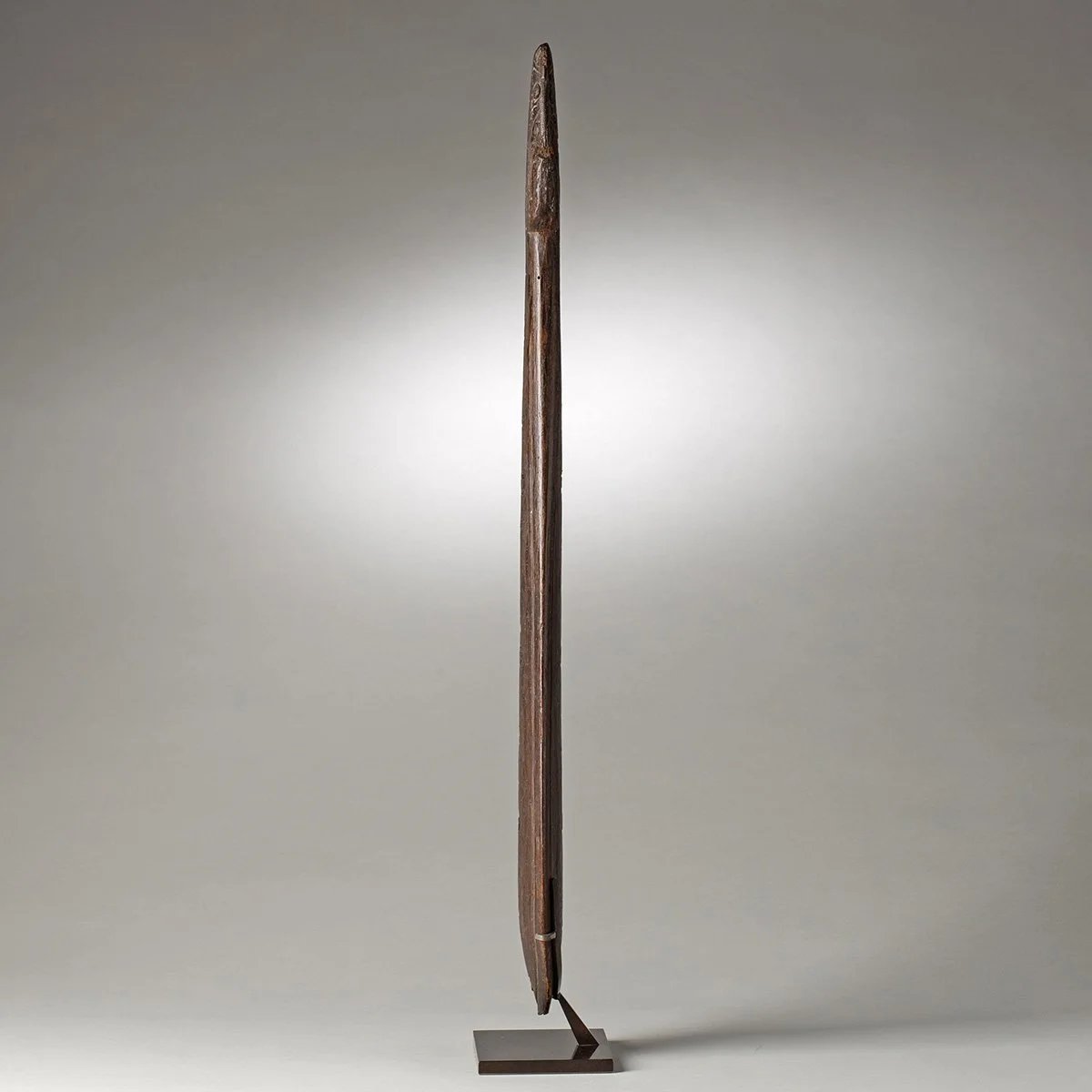 Image 5 of 8
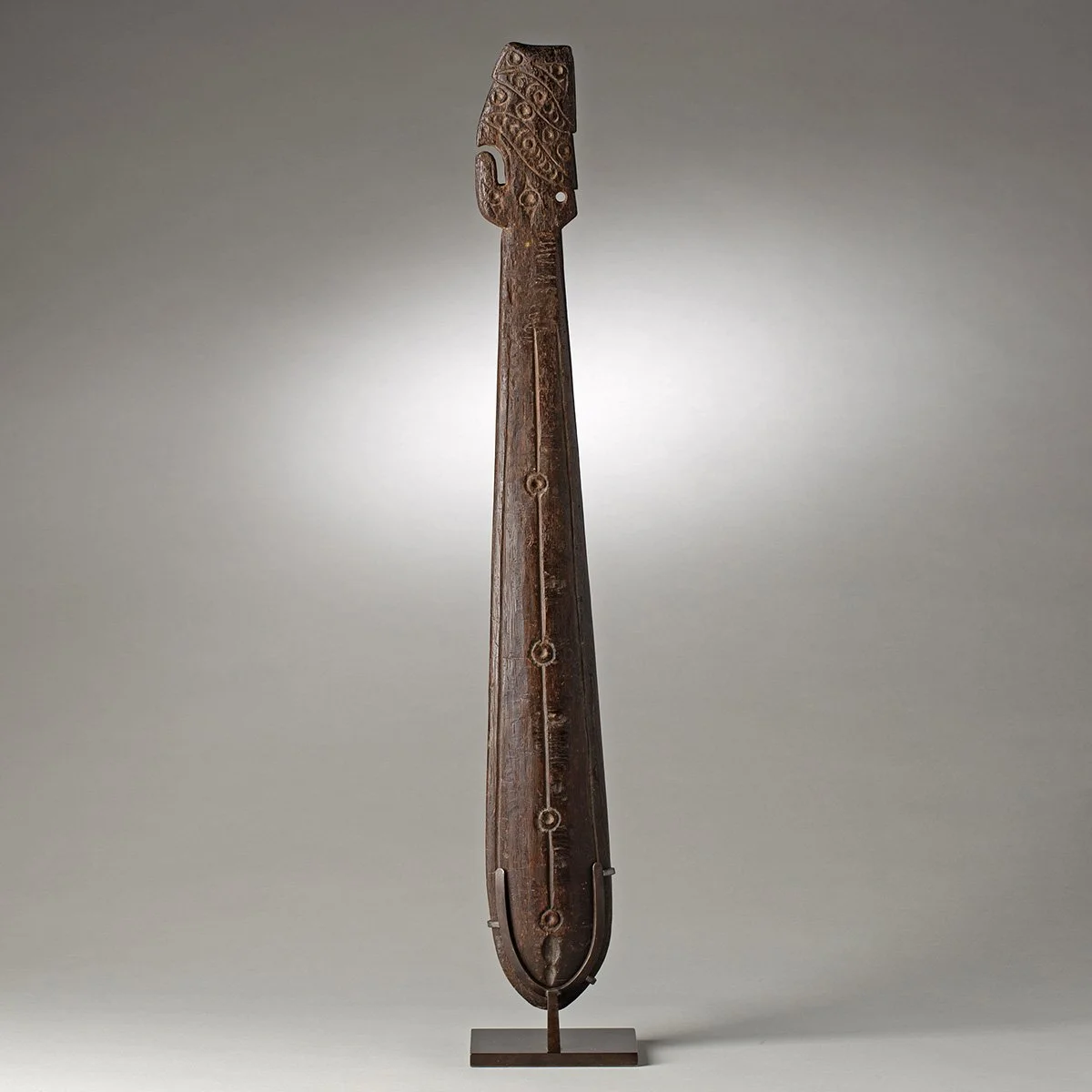 Image 6 of 8
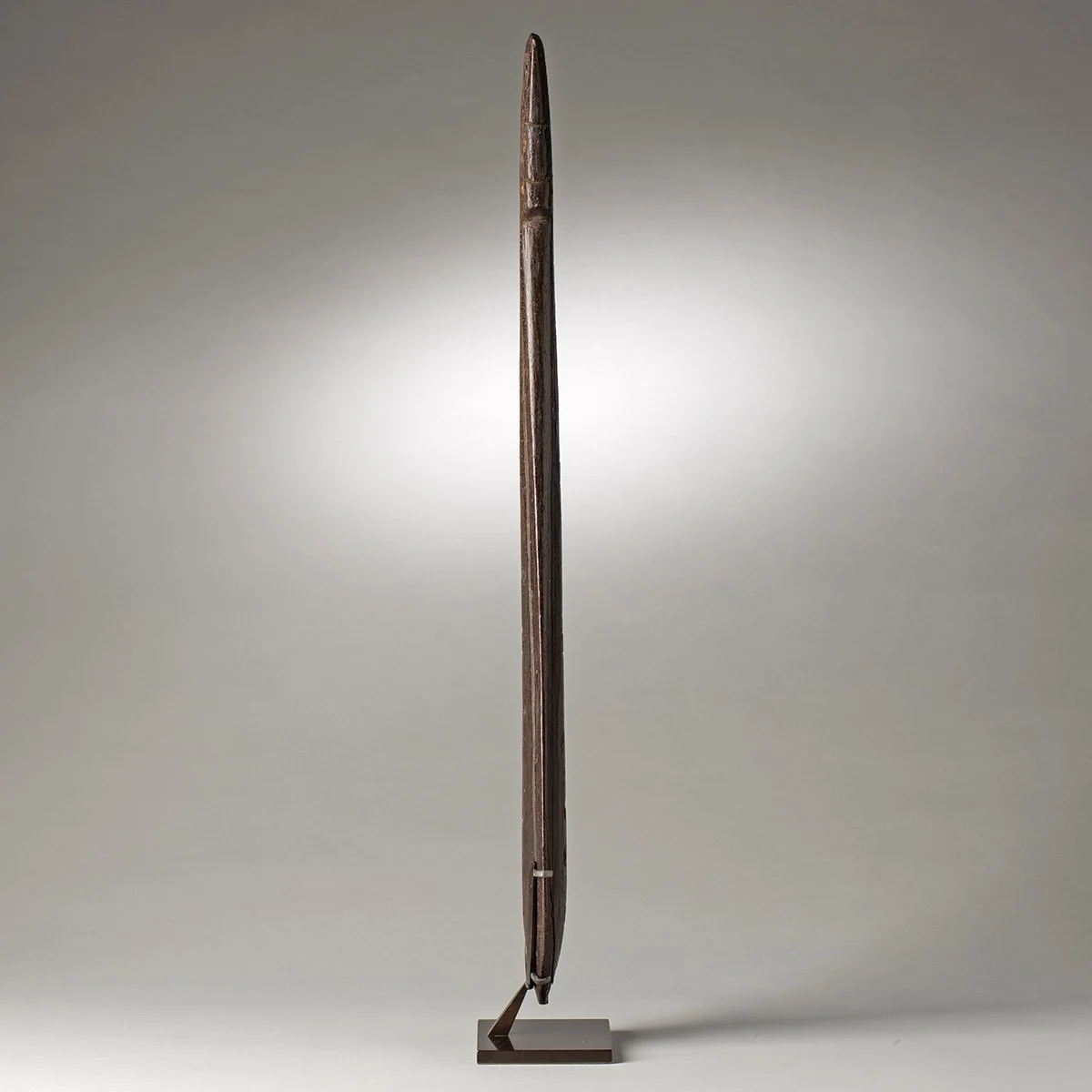 Image 7 of 8
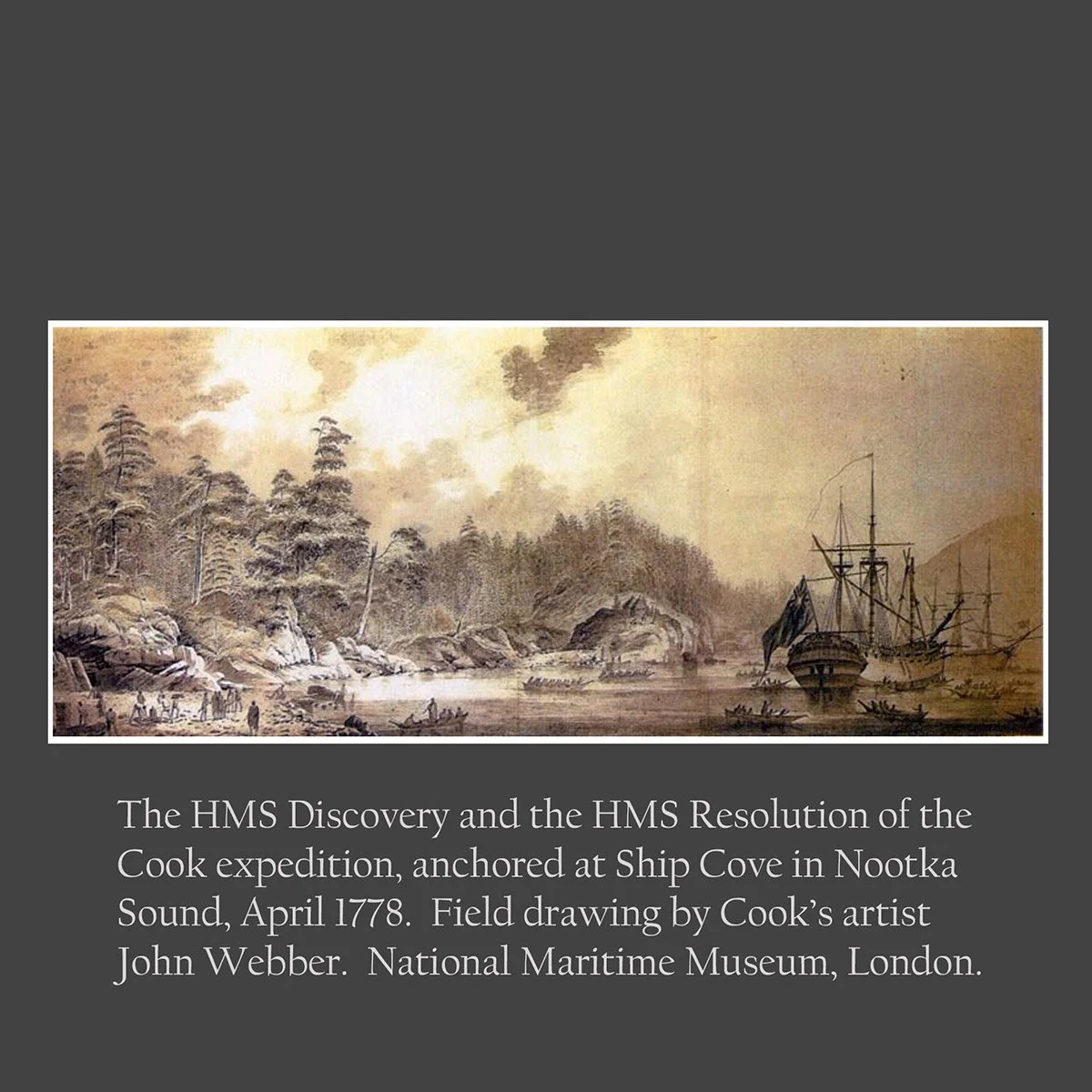 Image 8 of 8