Papuan Gulf, Papua New Guinea
Circa 1870–1900
Bark, red ocher, black charcoal, white lime
Diameter: 8 in (20 cm); Height: 5 in (13 cm)
Provenance: Stephen Chauvet, Paris, 1920s; Michael Hamson, Palos Verdes, California; Ryan Hodnick, Albuquerque, New Mexico
Bark belts from the Papuan Gulf were worn as prestige objects and carried ceremonial significance within the communities of the south coast. The surface of this example is engraved with curvilinear motifs highlighted with red ocher, black charcoal, and white lime — a combination of materials and surface treatment consistent with Gulf Coast production of the late nineteenth century. The piece entered the collection of Stephen Chauvet in Paris in the 1920s, placing it within one of the most significant private collections of Oceanic art assembled in Europe during the interwar period.
Chauvet was a physician, collector, and scholar who became one of the principal advocates for indigenous art in France during the 1920s and 1930s, donating extensively to the Musée d'Ethnographie du Trocadéro and publishing reference works on New Guinea, Easter Island, and French Polynesia. Objects from his collection passed through Charles Ratton's celebrated 1930 exhibition at the Théâtre Pigalle and informed the scholarship that shaped European understanding of Pacific material culture for decades. The subsequent provenance through Michael Hamson — a specialist dealer in Papua New Guinea and Oceanic art based in California — continues a chain of informed ownership that spans a century.
We ship free anywhere in the world, fully insured, packed by hand.
Papuan Gulf, Papua New Guinea
Circa 1870–1900
Bark, red ocher, black charcoal, white lime
Diameter: 8 in (20 cm); Height: 5 in (13 cm)
Provenance: Stephen Chauvet, Paris, 1920s; Michael Hamson, Palos Verdes, California; Ryan Hodnick, Albuquerque, New Mexico
Bark belts from the Papuan Gulf were worn as prestige objects and carried ceremonial significance within the communities of the south coast. The surface of this example is engraved with curvilinear motifs highlighted with red ocher, black charcoal, and white lime — a combination of materials and surface treatment consistent with Gulf Coast production of the late nineteenth century. The piece entered the collection of Stephen Chauvet in Paris in the 1920s, placing it within one of the most significant private collections of Oceanic art assembled in Europe during the interwar period.
Chauvet was a physician, collector, and scholar who became one of the principal advocates for indigenous art in France during the 1920s and 1930s, donating extensively to the Musée d'Ethnographie du Trocadéro and publishing reference works on New Guinea, Easter Island, and French Polynesia. Objects from his collection passed through Charles Ratton's celebrated 1930 exhibition at the Théâtre Pigalle and informed the scholarship that shaped European understanding of Pacific material culture for decades. The subsequent provenance through Michael Hamson — a specialist dealer in Papua New Guinea and Oceanic art based in California — continues a chain of informed ownership that spans a century.
We ship free anywhere in the world, fully insured, packed by hand.


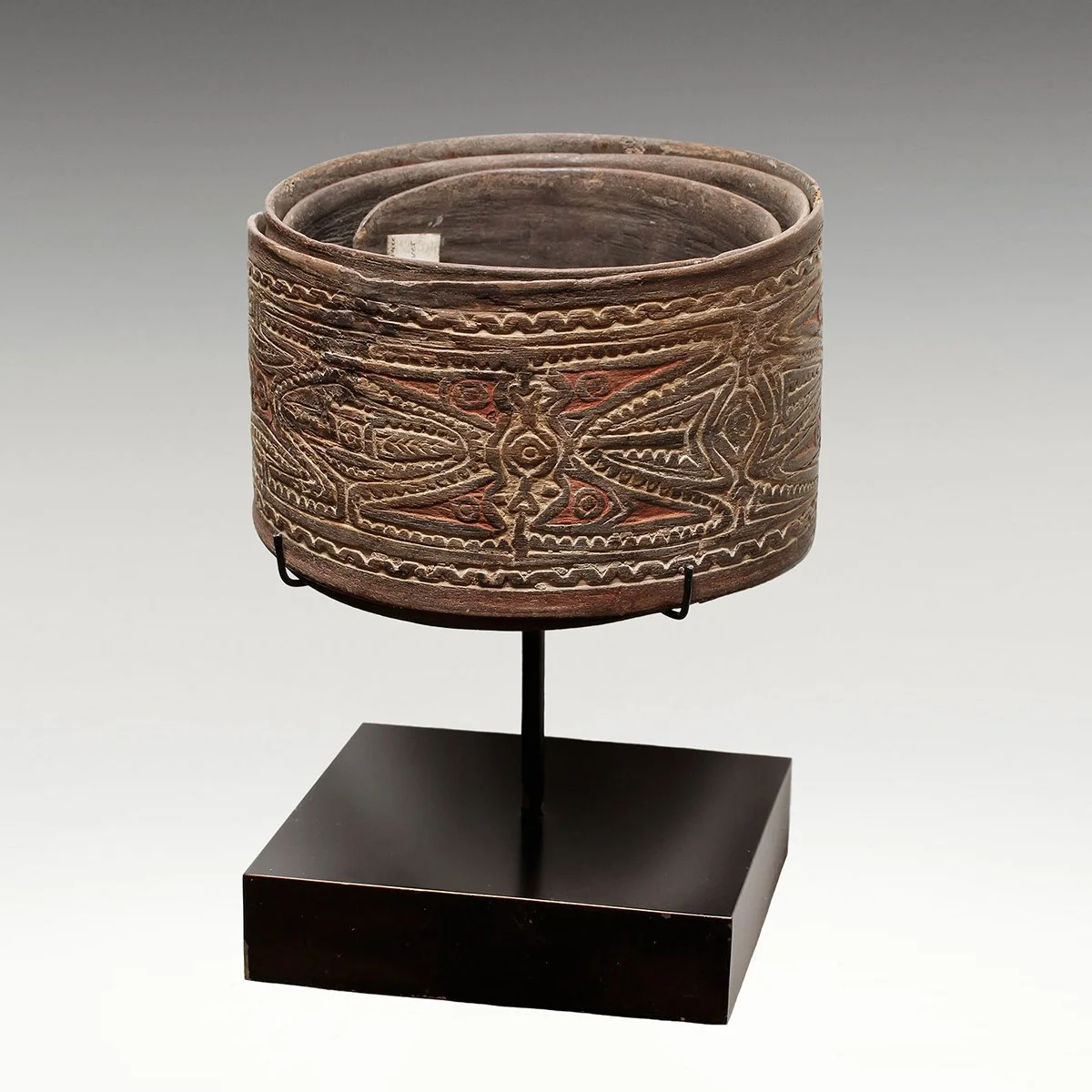 Image 1 of 6
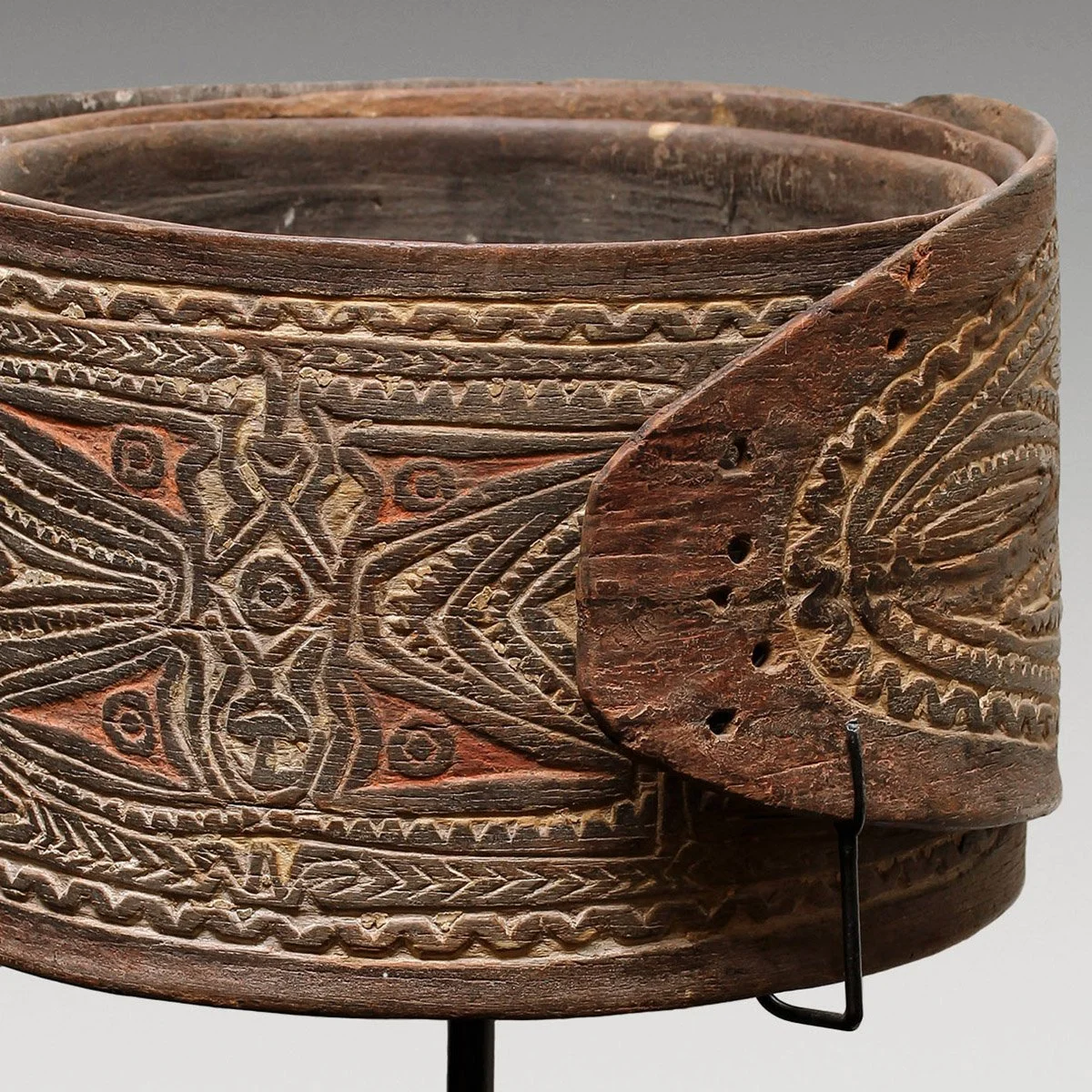 Image 2 of 6
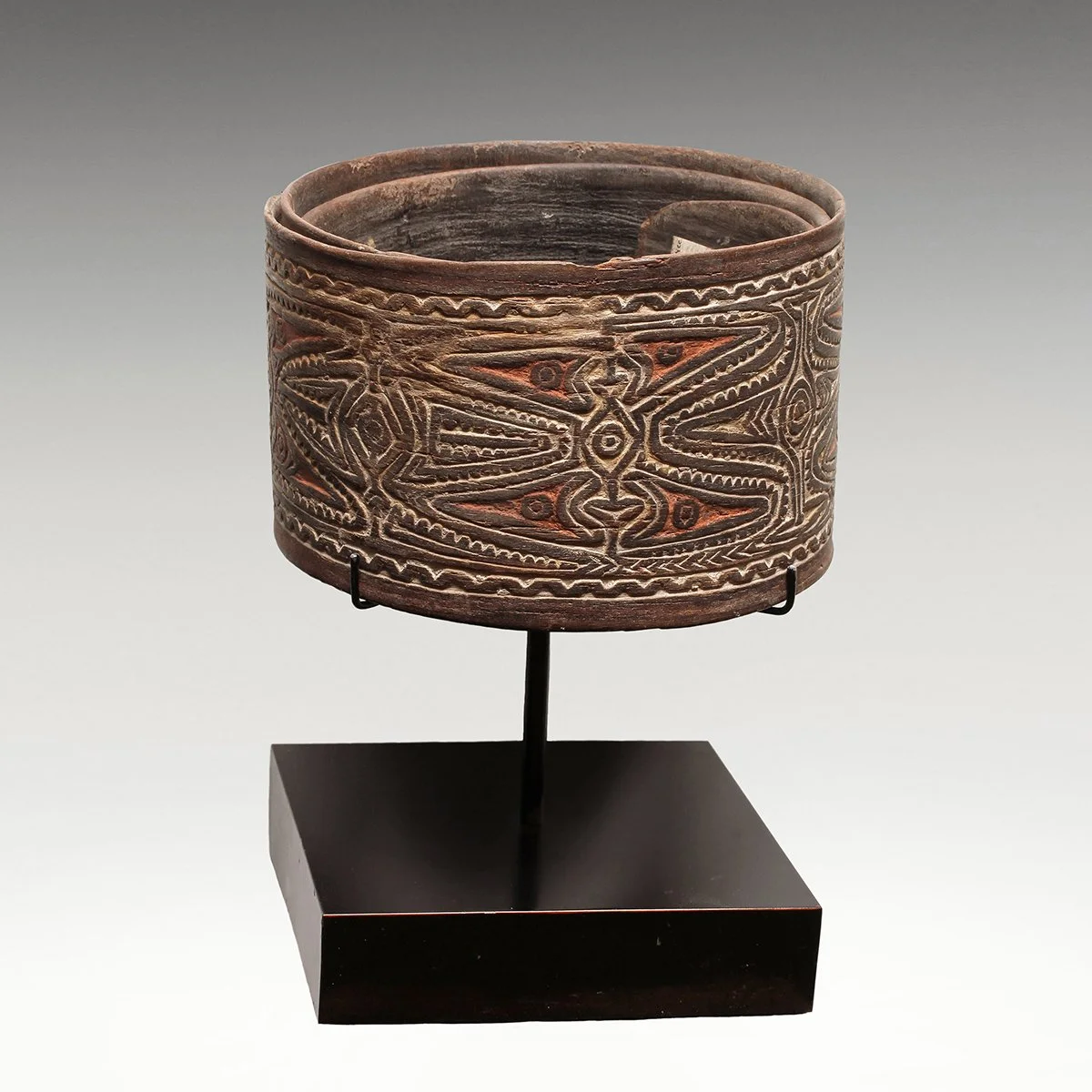 Image 3 of 6
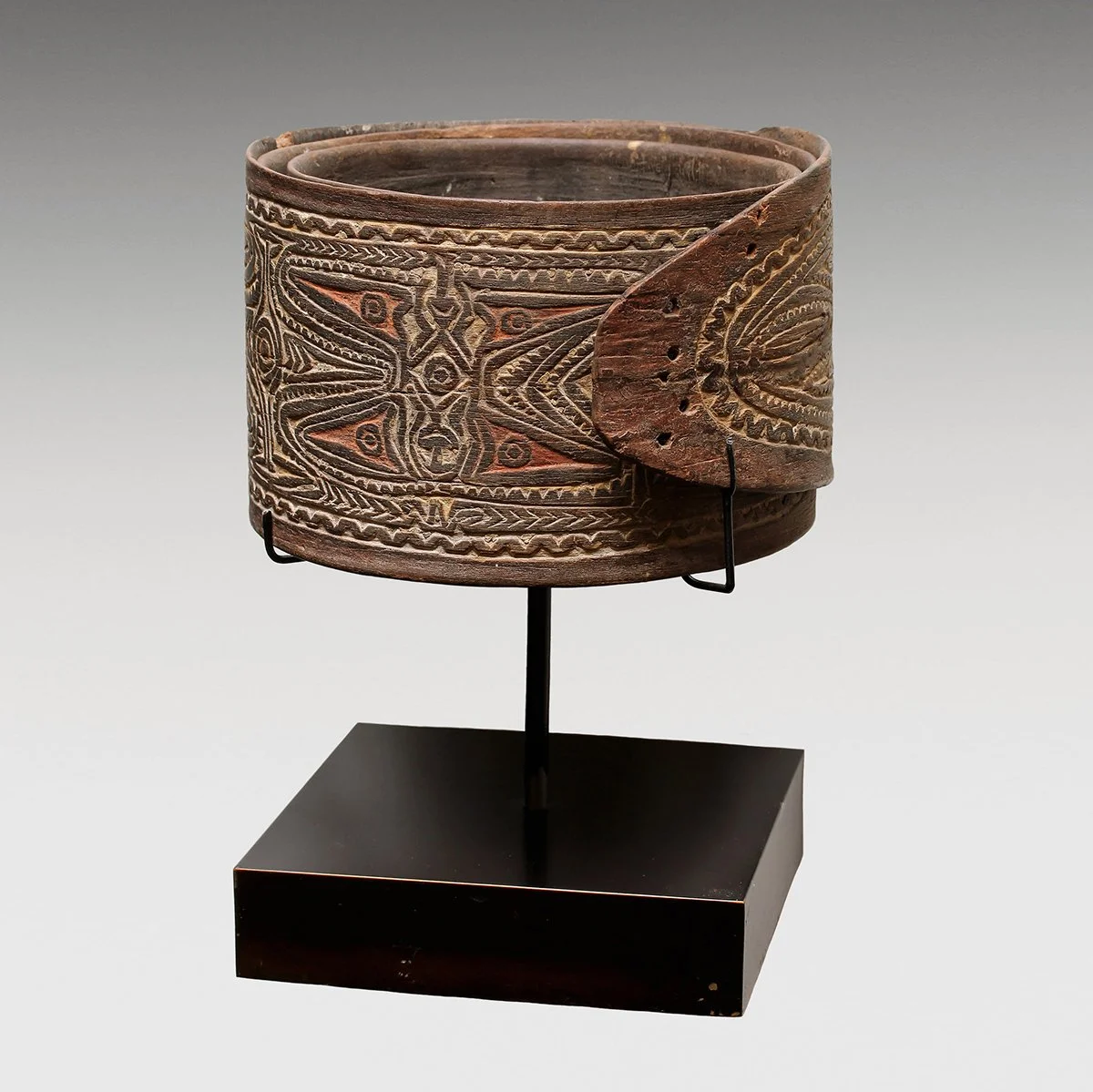 Image 4 of 6
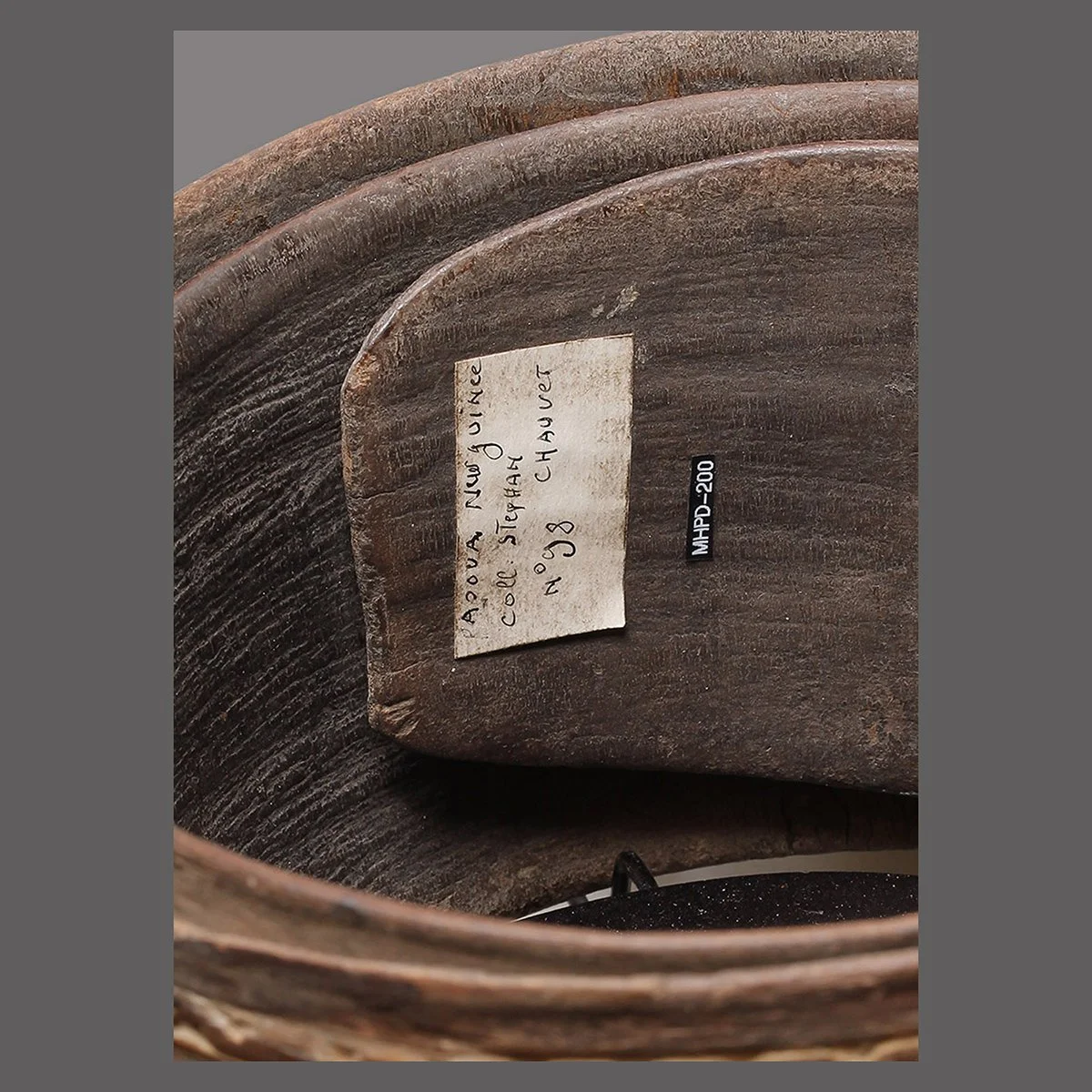 Image 5 of 6
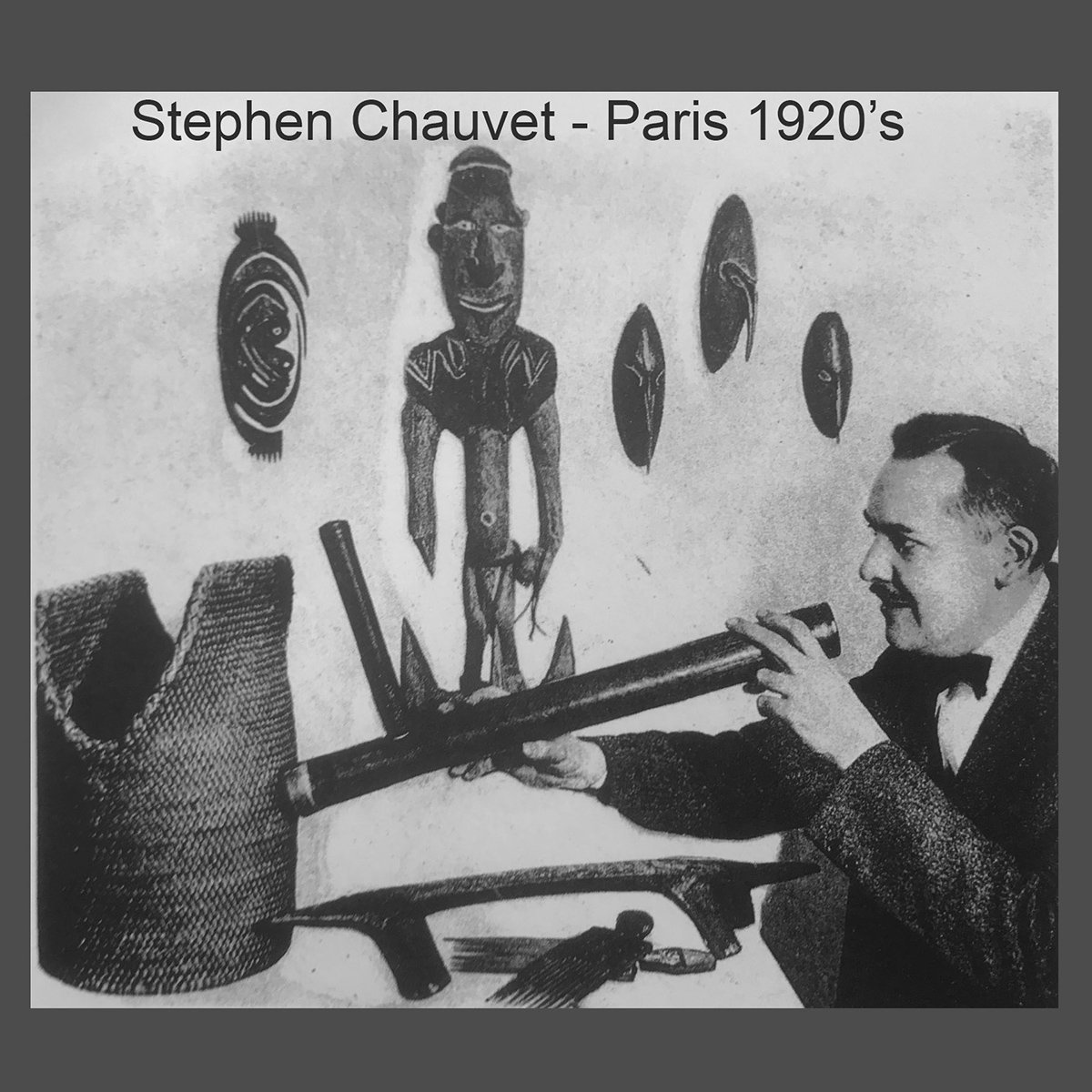 Image 6 of 6