Northern Plains – Likely Apsaalooke (Crow)
Early 19th century
Cottonwood
Length: 10 inches (25.5 cm) Width: 3.25 inches (8.25 cm) Height: 3.75 inches (9.5 cm)
Provenance: Pennsylvania private collection
For the Indian tribes of the Northern Plains, the material world was intimately connected with the spiritual world. Few objects reflect this as deeply as this ceremonial wooden effigy bowl carved in the likeness of a bighorn sheep - ovis canadensis. Inhabiting the rugged, vertical landscapes and badlands of the Northern Plains, the bighorn sheep held a place of immense reverence among the tribes of the region, who observed the animal’s extraordinary agility, strength, and ability to thrive in challenging terrain. The Apsaalooke (Crow) in particular, held the bighorn sheep in great esteem; with traditional stories recounting the animal bestowing its virtues of agility, endurance and protection to the people. To carve a bowl in the likeness of such an animal was to invoke its powerful spirit and imbue the vessel and its contents with the animal’s vigor and protection.
Fashioned from traditional cottonwood, the bowl wasmasterfully carved with an ecological intimacy. The artist’s keen understanding of the animal enabled him to perfectly capture the animal’s essence in quiet repose; skillfully integrating the anatomical contours of the animal with the functional swell of the bowl. The distinctive dark staining to the inner bowl and rim, as well as to the animal’s posterior, reveal that the bowl was once used to contain and serve a berry stew called Wojape, traditionally made by simmering dried wild berries, most notably chokecherries, in water. Often cooked together with dried meat and tallow, the resulting stew was dark, tart, and concentrated. Wojape was served primarily during sacred bundle opening ceremonies, an occasion deeply tied to communal feasting and ritual food offerings. The feast was an essential step to bless the attendants, thank the spirits, and to honor the bundle’s keepers. Special high-status ceremonial bowls featured effigies, carved in the likeness of human heads and animals,most often incorporated into the bowl’s handle. It is exceedingly rare among the Northern Plains tribes for the complete animal to be represented in bowl form, and the ceremonial bowl presented here would have assuredly belonged to a high-rankingcommunity member. The Wojape contained within the bowl would have been metaphorically blessed by the attributes of the bighorn sheep, transferring the animal’s vigor and agilitydirectly to those who consumed the dark stew.
In the tradition of Northern Plains tribes, to first acquire a sacred medicine bundle, the individual, or seeker, began by undergoing a sweat lodge purification under the guidance of an experienced medicine man before isolating themselves on a high and isolated elevation like the Bighorn Mountains. For up to four days, the seeker endured an intense ordeal of absolute fasting from food and water, lying on a bed of wild sage, and often making flesh offerings, such as a finger joint, to prove their sincerity to the Creator. In this weakened state, a spirit helper would appear to spiritually adopt the seeker as its "child," bestowing sacred power and providing strict instructions on specific songs, objects, and taboos. Upon returning to camp, the seeker validated the vision with their guide and assembled the physical bundle, wrapping symbolic items like animal skins, feathers, and sacred stones inside an animal hide to tangibly mirror the spirit's exact instructions. It is quite plausible that the creation of this extraordinary bighorn sheep effigy bowl reflected the owner’sspirit helper taking the form of a bighorn sheep, mirrored in the ancient Crow myth of Big Metal, and giving him the rights to carve such a remarkable object.
The Legend of Big Metal was a sacred foundational story explaining how the Bighorn River and Mountains were named through a tale of betrayal and survival. It begins when a young Crow boy is maliciously pushed off a canyon cliff by his cruel stepfather, who then lies to the village that the boy is lost. Miraculously, the boy survives by landing in cliffside cedar trees, surviving four days without food or water until he is rescued by seven supernatural bighorn sheep. Their leader, Big Metal, a magnificent ram with indestructible steel horns and hooves, takes the boy in and renames him Big Iron. Each of the seven supernatural bighorn sheep bestow upon the boy specific qualities and powers including wisdom, great strength, a strong heart, sharp eyes and hearing and sure-footedness. Before returning the boy to expose his stepfather's treachery, Big Metal issues a strict prophetic warning that the Crow people must never change the name of the Bighorn River and Mountains, or the Apsáalooke nation would dissolve and cease to exist.Because of the collective gifts bestowed to him, Big Iron grew to an almost invincible, legendary figure. Living a remarkably long life, spanning four generations, Big Iron served as a powerful, wise protector and warrior for the Apsáalooke people. Through his leadership, teachings, and long life, these physical and spiritual qualities became deeply woven into the strength, survival, and identity of the Crow people.
As a rare and important example of Northern Plains material culture, the remarkable bighorn sheep effigy bowl presented here offers an intimate window into the historical worldview and sacred cosmos of its people, providing a reminder of a time when humans viewed themselves not as separate from nature, but rather as interconnected relatives to the animal kingdom. For the Crow and neighboring tribes, bighorn sheep were not merely animals to be exploited but were instead spiritual teachers, guardians, and a nation of equal standing. \
We ship free anywhere in the world, fully insured, packed by hand.
Northern Plains – Likely Apsaalooke (Crow)
Early 19th century
Cottonwood
Length: 10 inches (25.5 cm) Width: 3.25 inches (8.25 cm) Height: 3.75 inches (9.5 cm)
Provenance: Pennsylvania private collection
For the Indian tribes of the Northern Plains, the material world was intimately connected with the spiritual world. Few objects reflect this as deeply as this ceremonial wooden effigy bowl carved in the likeness of a bighorn sheep - ovis canadensis. Inhabiting the rugged, vertical landscapes and badlands of the Northern Plains, the bighorn sheep held a place of immense reverence among the tribes of the region, who observed the animal’s extraordinary agility, strength, and ability to thrive in challenging terrain. The Apsaalooke (Crow) in particular, held the bighorn sheep in great esteem; with traditional stories recounting the animal bestowing its virtues of agility, endurance and protection to the people. To carve a bowl in the likeness of such an animal was to invoke its powerful spirit and imbue the vessel and its contents with the animal’s vigor and protection.
Fashioned from traditional cottonwood, the bowl wasmasterfully carved with an ecological intimacy. The artist’s keen understanding of the animal enabled him to perfectly capture the animal’s essence in quiet repose; skillfully integrating the anatomical contours of the animal with the functional swell of the bowl. The distinctive dark staining to the inner bowl and rim, as well as to the animal’s posterior, reveal that the bowl was once used to contain and serve a berry stew called Wojape, traditionally made by simmering dried wild berries, most notably chokecherries, in water. Often cooked together with dried meat and tallow, the resulting stew was dark, tart, and concentrated. Wojape was served primarily during sacred bundle opening ceremonies, an occasion deeply tied to communal feasting and ritual food offerings. The feast was an essential step to bless the attendants, thank the spirits, and to honor the bundle’s keepers. Special high-status ceremonial bowls featured effigies, carved in the likeness of human heads and animals,most often incorporated into the bowl’s handle. It is exceedingly rare among the Northern Plains tribes for the complete animal to be represented in bowl form, and the ceremonial bowl presented here would have assuredly belonged to a high-rankingcommunity member. The Wojape contained within the bowl would have been metaphorically blessed by the attributes of the bighorn sheep, transferring the animal’s vigor and agilitydirectly to those who consumed the dark stew.
In the tradition of Northern Plains tribes, to first acquire a sacred medicine bundle, the individual, or seeker, began by undergoing a sweat lodge purification under the guidance of an experienced medicine man before isolating themselves on a high and isolated elevation like the Bighorn Mountains. For up to four days, the seeker endured an intense ordeal of absolute fasting from food and water, lying on a bed of wild sage, and often making flesh offerings, such as a finger joint, to prove their sincerity to the Creator. In this weakened state, a spirit helper would appear to spiritually adopt the seeker as its "child," bestowing sacred power and providing strict instructions on specific songs, objects, and taboos. Upon returning to camp, the seeker validated the vision with their guide and assembled the physical bundle, wrapping symbolic items like animal skins, feathers, and sacred stones inside an animal hide to tangibly mirror the spirit's exact instructions. It is quite plausible that the creation of this extraordinary bighorn sheep effigy bowl reflected the owner’sspirit helper taking the form of a bighorn sheep, mirrored in the ancient Crow myth of Big Metal, and giving him the rights to carve such a remarkable object.
The Legend of Big Metal was a sacred foundational story explaining how the Bighorn River and Mountains were named through a tale of betrayal and survival. It begins when a young Crow boy is maliciously pushed off a canyon cliff by his cruel stepfather, who then lies to the village that the boy is lost. Miraculously, the boy survives by landing in cliffside cedar trees, surviving four days without food or water until he is rescued by seven supernatural bighorn sheep. Their leader, Big Metal, a magnificent ram with indestructible steel horns and hooves, takes the boy in and renames him Big Iron. Each of the seven supernatural bighorn sheep bestow upon the boy specific qualities and powers including wisdom, great strength, a strong heart, sharp eyes and hearing and sure-footedness. Before returning the boy to expose his stepfather's treachery, Big Metal issues a strict prophetic warning that the Crow people must never change the name of the Bighorn River and Mountains, or the Apsáalooke nation would dissolve and cease to exist.Because of the collective gifts bestowed to him, Big Iron grew to an almost invincible, legendary figure. Living a remarkably long life, spanning four generations, Big Iron served as a powerful, wise protector and warrior for the Apsáalooke people. Through his leadership, teachings, and long life, these physical and spiritual qualities became deeply woven into the strength, survival, and identity of the Crow people.
As a rare and important example of Northern Plains material culture, the remarkable bighorn sheep effigy bowl presented here offers an intimate window into the historical worldview and sacred cosmos of its people, providing a reminder of a time when humans viewed themselves not as separate from nature, but rather as interconnected relatives to the animal kingdom. For the Crow and neighboring tribes, bighorn sheep were not merely animals to be exploited but were instead spiritual teachers, guardians, and a nation of equal standing. \
We ship free anywhere in the world, fully insured, packed by hand.


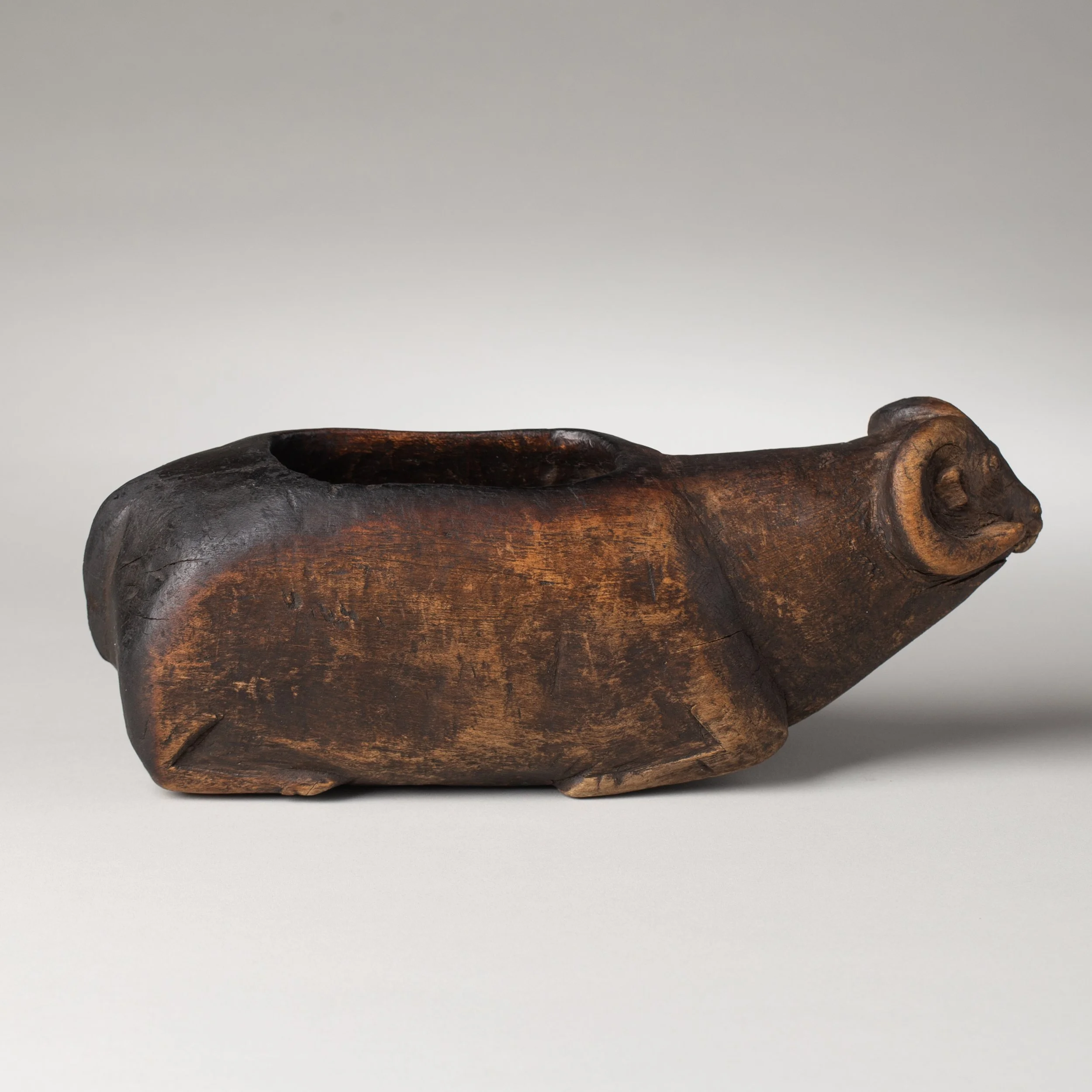 Image 1 of 8
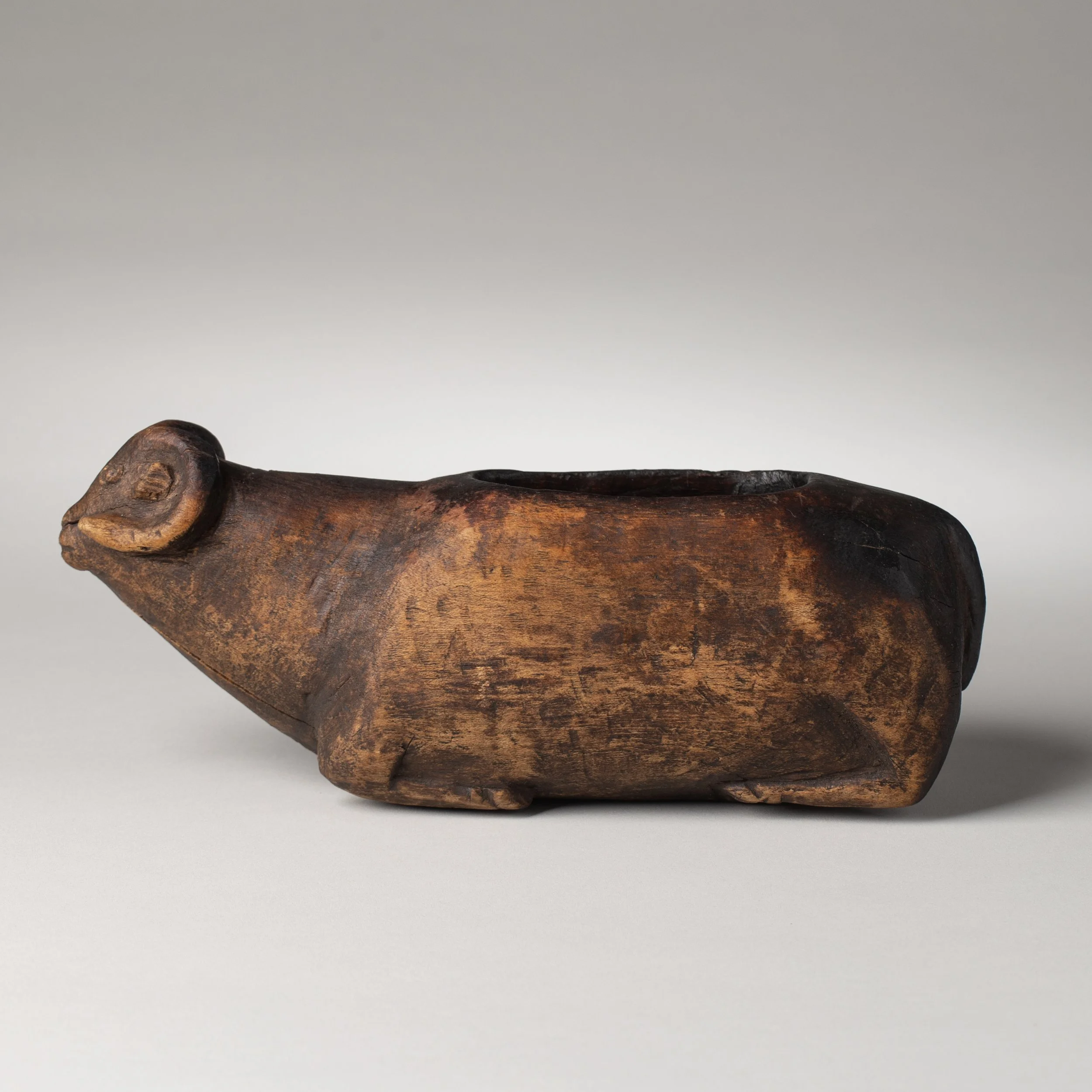 Image 2 of 8
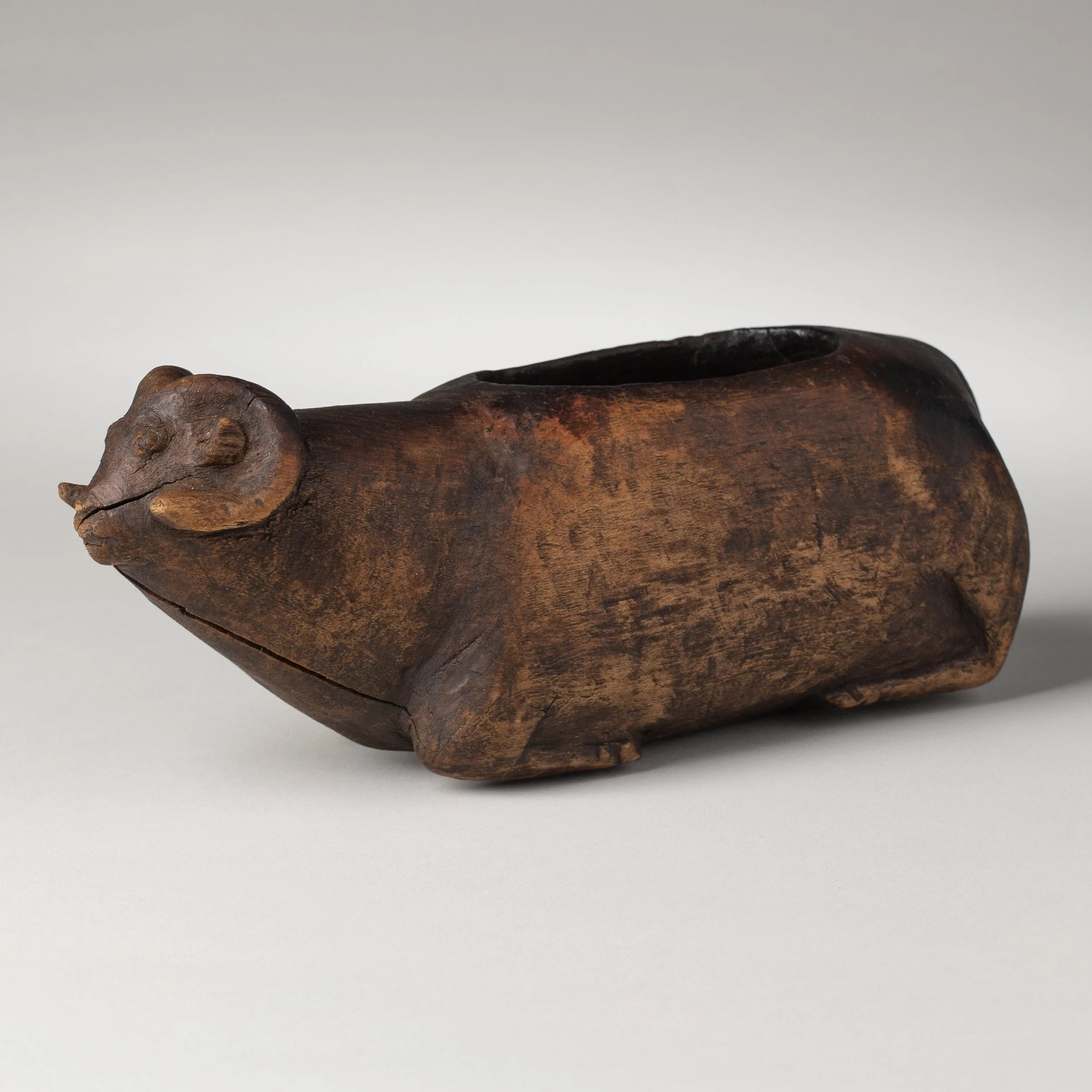 Image 3 of 8
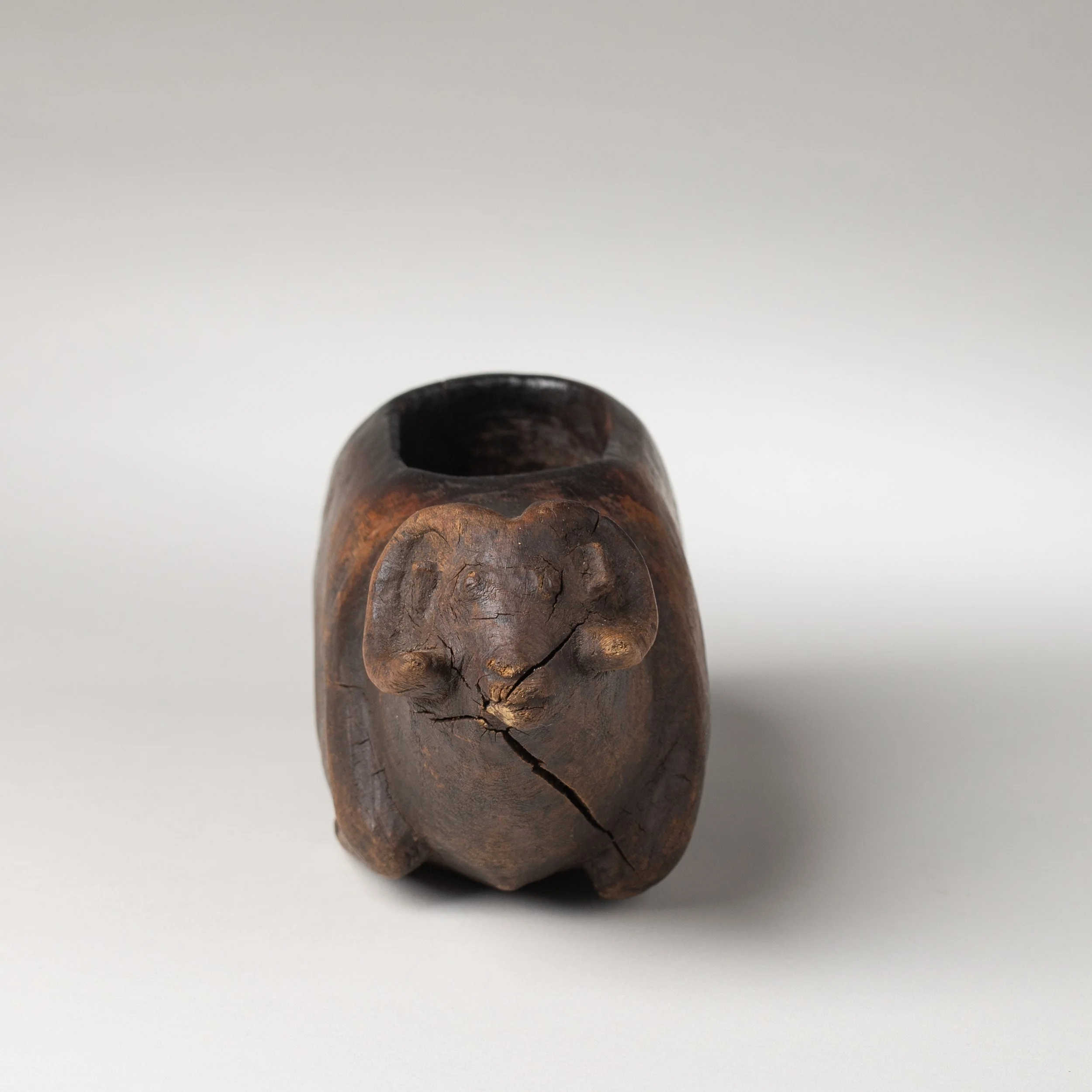 Image 4 of 8
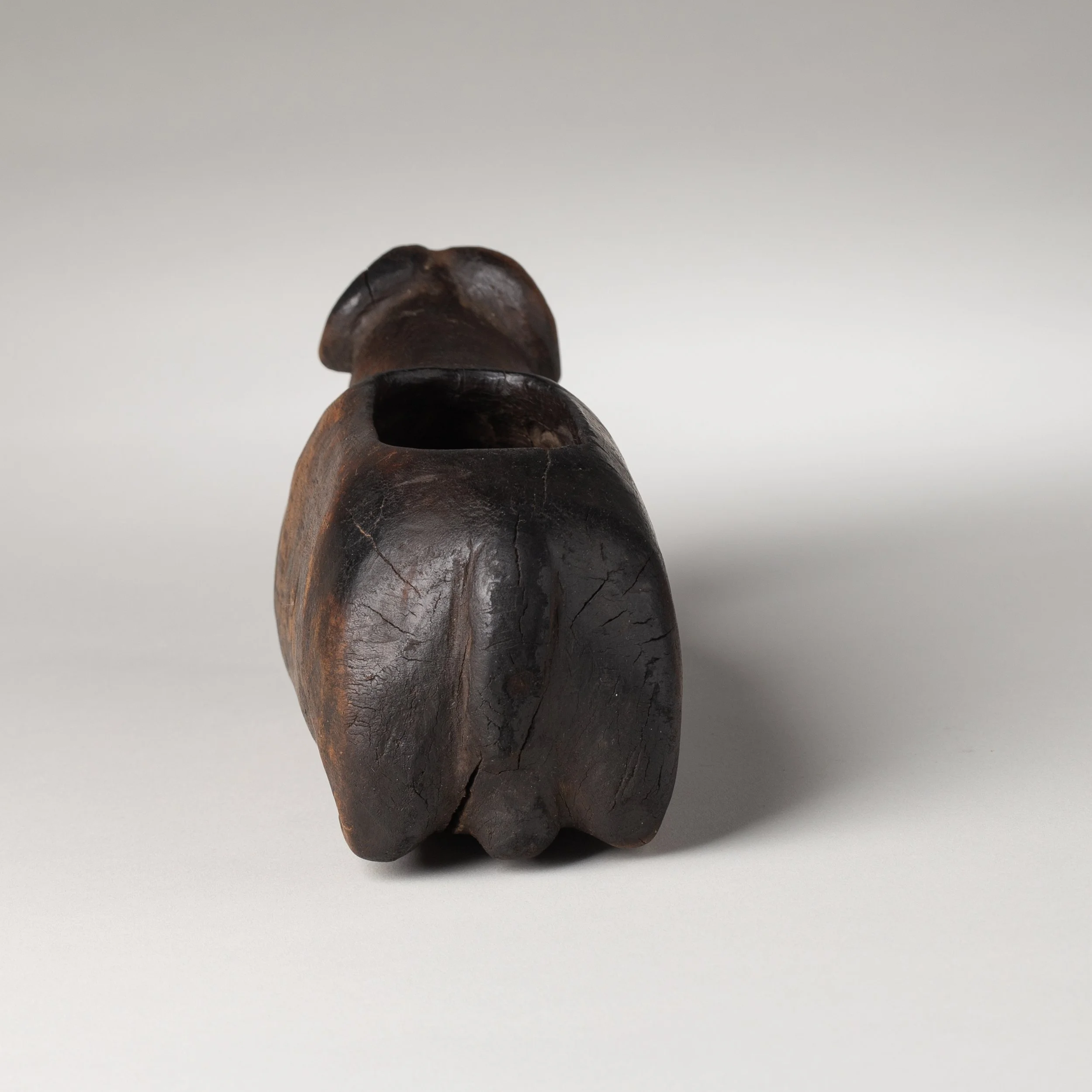 Image 5 of 8
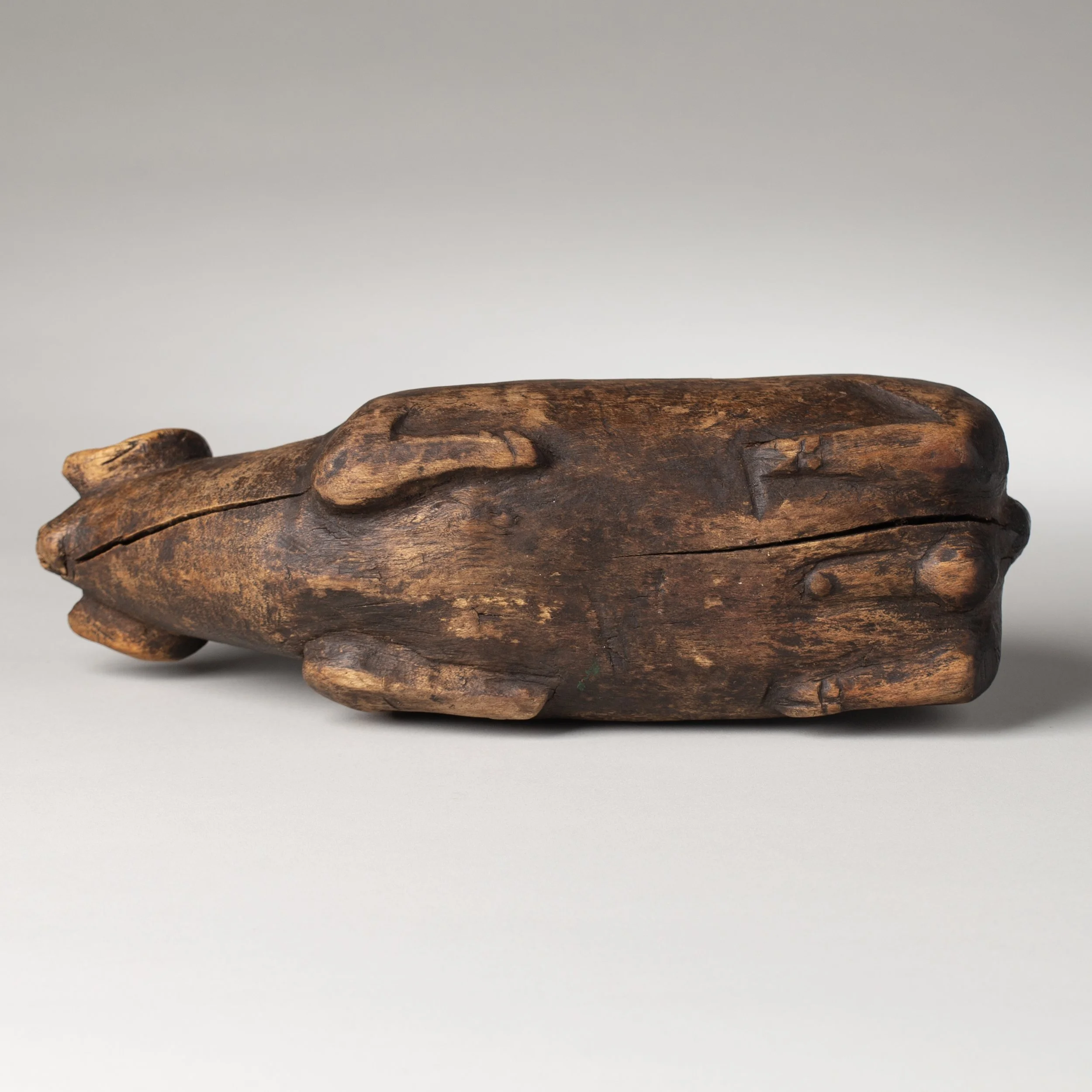 Image 6 of 8
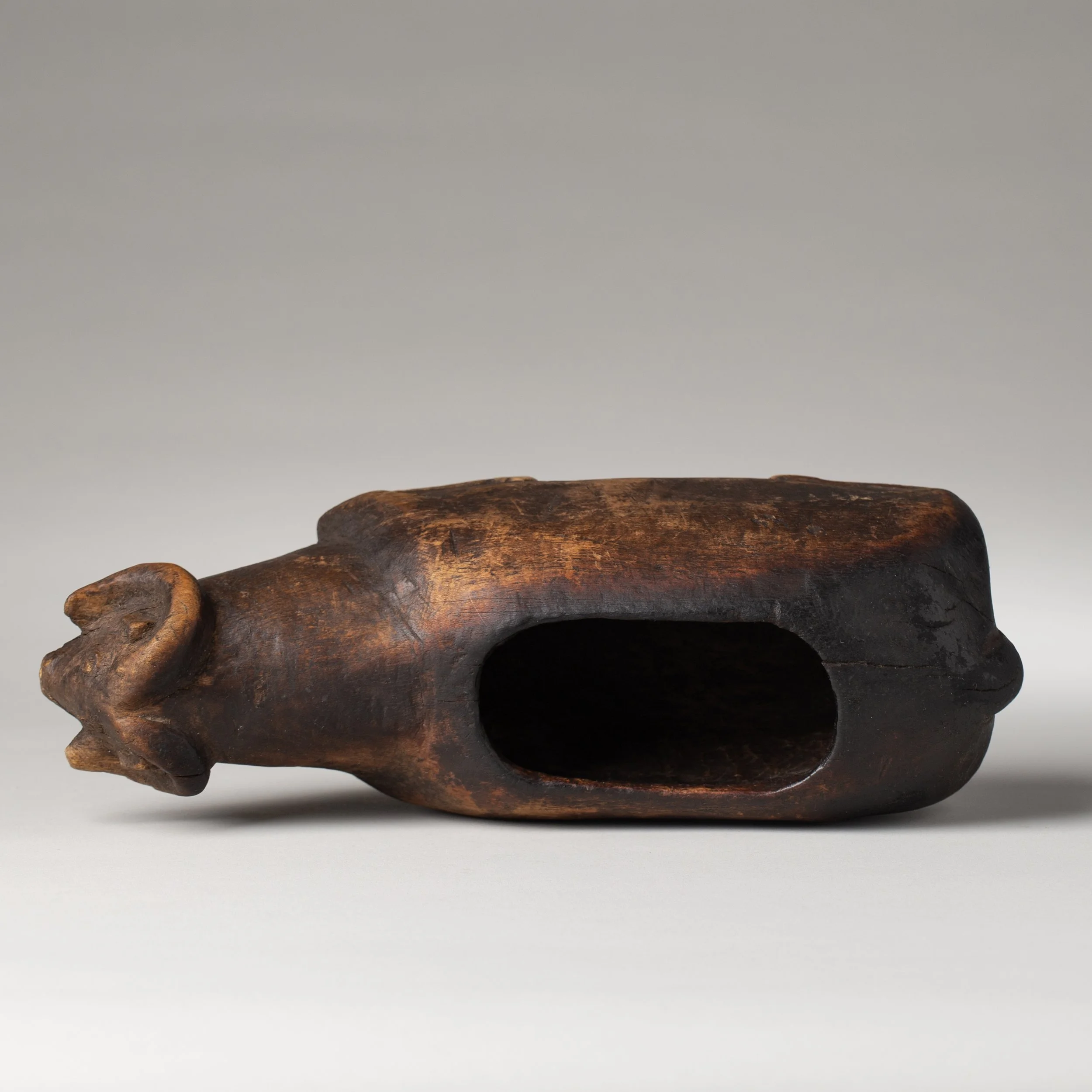 Image 7 of 8
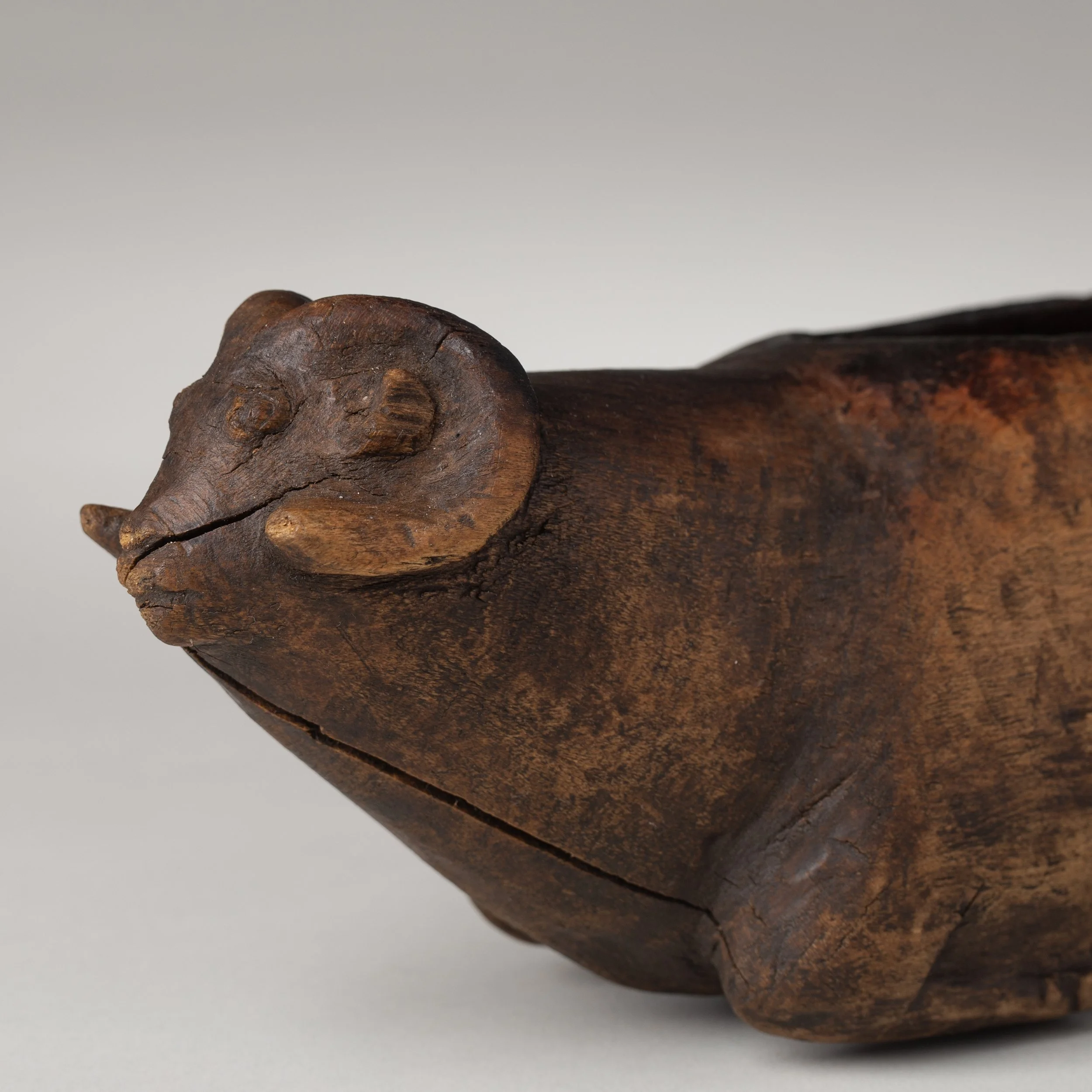 Image 8 of 8