Remojadas, Veracruz, Mexico
Early Classic period, AD 300 to 600
Ceramic
Height 10 3/4" (27.3 cm); length 8" (20.3 cm); width 5" (12.7 cm)
Provenance: Peter Wray, Scottsdale, Arizona, acquired 1970, collection no. 71; David Bramhall, New York City; Brian Mahony, Redding, Connecticut, acquired February 19, 1986, purchased for $24,000
Publication: Harmer Rooke Galleries, New York, The Peter G. Wray Collection, no. 142, p. 44, October 1984
The Remojadas culture of central Veracruz produced a distinctive ceramic tradition during the Early Classic period, characterized by hollow figures modeled with expressive facial features, articulated limbs, and surfaces decorated with chapopote, a natural asphalt applied as black paint to create strong tonal contrasts. Seated female figures of this type are among the most formally considered productions of the Remojadas tradition, their posture and modeling reflecting a concern with the representation of the human form that distinguishes Veracruz ceramic production from the more schematic figural traditions of contemporaneous cultures. The subject is connected to fertility, ancestor veneration, and the ritual life of the Gulf Coast communities that produced them.
This figure is modeled with careful attention to the facial structure, body proportions, and surface detail characteristic of Remojadas production at its height. The seated posture and female subject matter place the figure within a well documented category of Veracruz ceramic sculpture associated with household ritual and funerary use during the Early Classic period. The condition and surface integrity of the piece are consistent with the documented collection history spanning over five decades.
The provenance traces this figure through three documented collections across more than fifty years, beginning with Peter Wray of Scottsdale, whose collection was published by Harmer Rooke Galleries in New York in 1984, and continuing through David Bramhall of New York and Brian Mahony of Redding, Connecticut. The 1984 Harmer Rooke publication provides an independent scholarly record of the figure predating its subsequent sales. The recorded 1986 purchase price of $24,000 provides a historical market reference for the piece.
CIRAM authentication document available
We ship free anywhere in the world, fully insured, packed by hand.
INQUIRE HERE
Remojadas, Veracruz, Mexico
Early Classic period, AD 300 to 600
Ceramic
Height 10 3/4" (27.3 cm); length 8" (20.3 cm); width 5" (12.7 cm)
Provenance: Peter Wray, Scottsdale, Arizona, acquired 1970, collection no. 71; David Bramhall, New York City; Brian Mahony, Redding, Connecticut, acquired February 19, 1986, purchased for $24,000
Publication: Harmer Rooke Galleries, New York, The Peter G. Wray Collection, no. 142, p. 44, October 1984
The Remojadas culture of central Veracruz produced a distinctive ceramic tradition during the Early Classic period, characterized by hollow figures modeled with expressive facial features, articulated limbs, and surfaces decorated with chapopote, a natural asphalt applied as black paint to create strong tonal contrasts. Seated female figures of this type are among the most formally considered productions of the Remojadas tradition, their posture and modeling reflecting a concern with the representation of the human form that distinguishes Veracruz ceramic production from the more schematic figural traditions of contemporaneous cultures. The subject is connected to fertility, ancestor veneration, and the ritual life of the Gulf Coast communities that produced them.
This figure is modeled with careful attention to the facial structure, body proportions, and surface detail characteristic of Remojadas production at its height. The seated posture and female subject matter place the figure within a well documented category of Veracruz ceramic sculpture associated with household ritual and funerary use during the Early Classic period. The condition and surface integrity of the piece are consistent with the documented collection history spanning over five decades.
The provenance traces this figure through three documented collections across more than fifty years, beginning with Peter Wray of Scottsdale, whose collection was published by Harmer Rooke Galleries in New York in 1984, and continuing through David Bramhall of New York and Brian Mahony of Redding, Connecticut. The 1984 Harmer Rooke publication provides an independent scholarly record of the figure predating its subsequent sales. The recorded 1986 purchase price of $24,000 provides a historical market reference for the piece.
CIRAM authentication document available
We ship free anywhere in the world, fully insured, packed by hand.
INQUIRE HERE


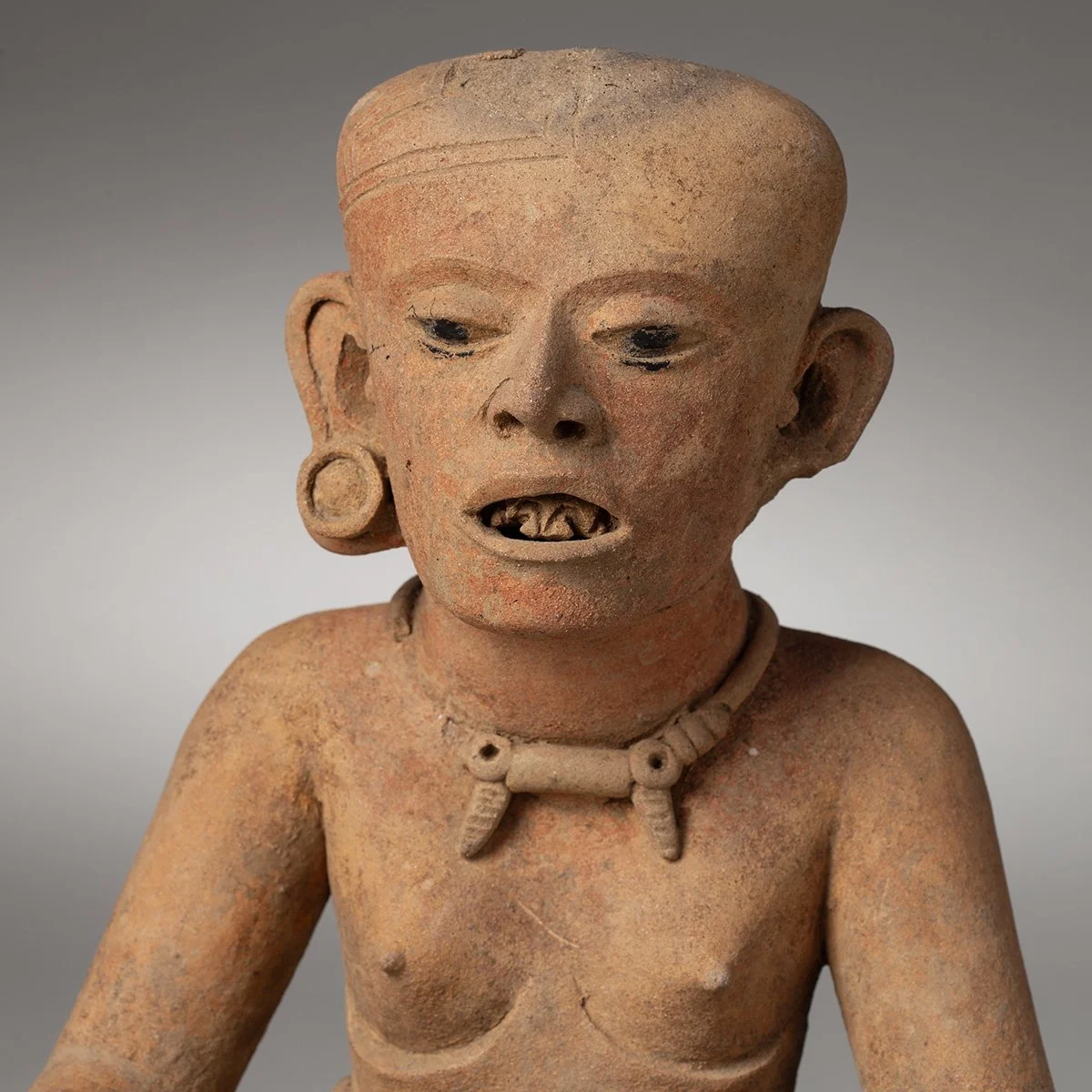 Image 1 of 9
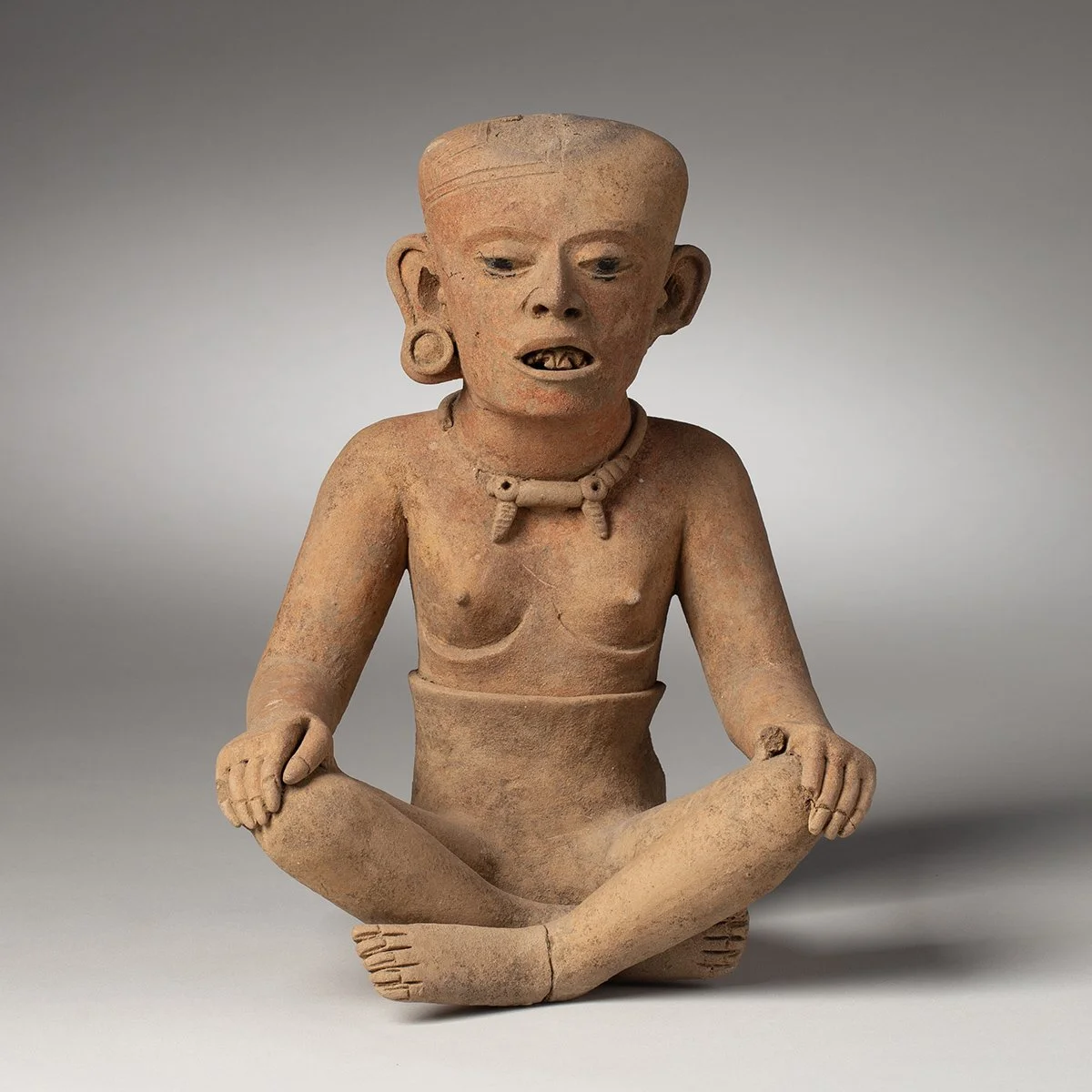 Image 2 of 9
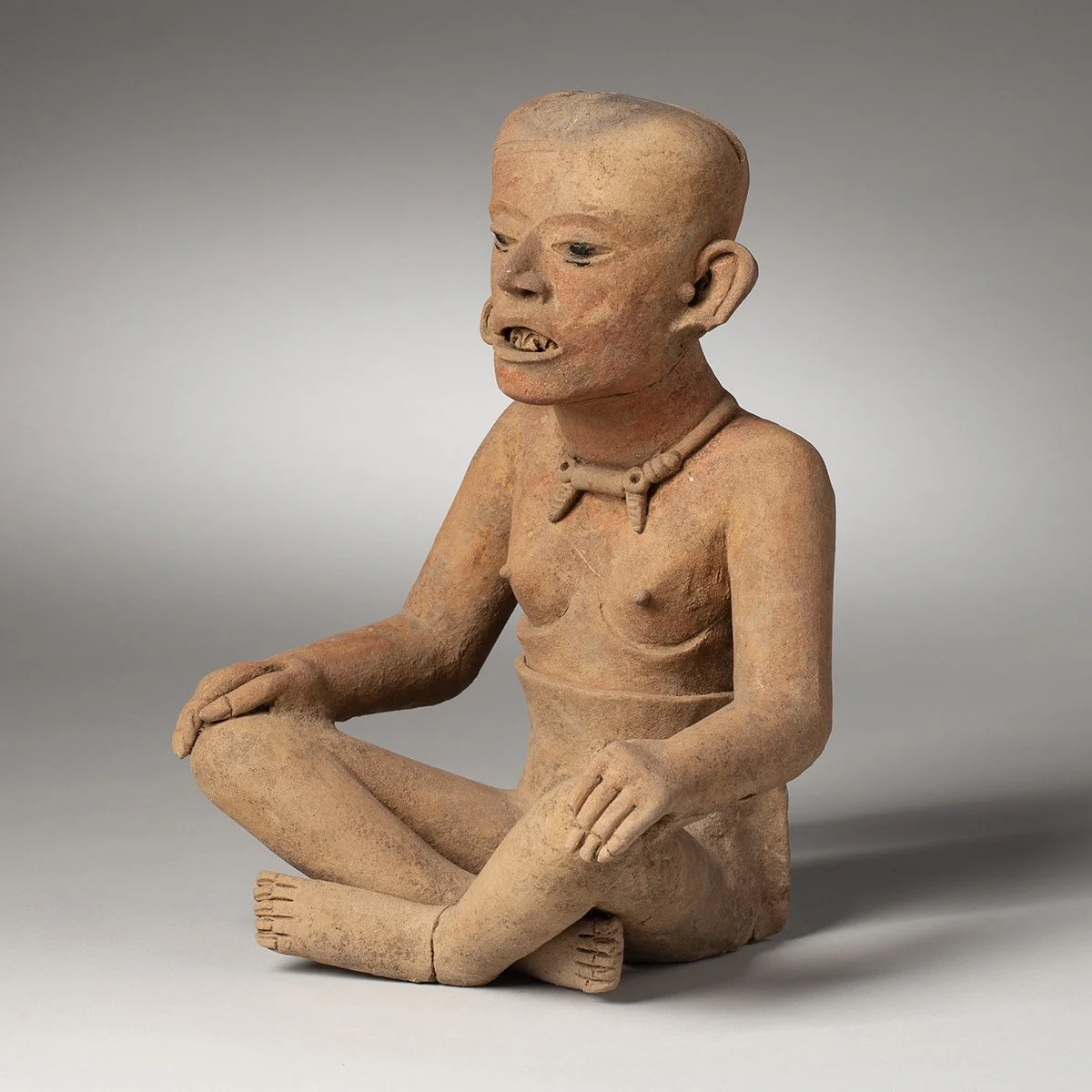 Image 3 of 9
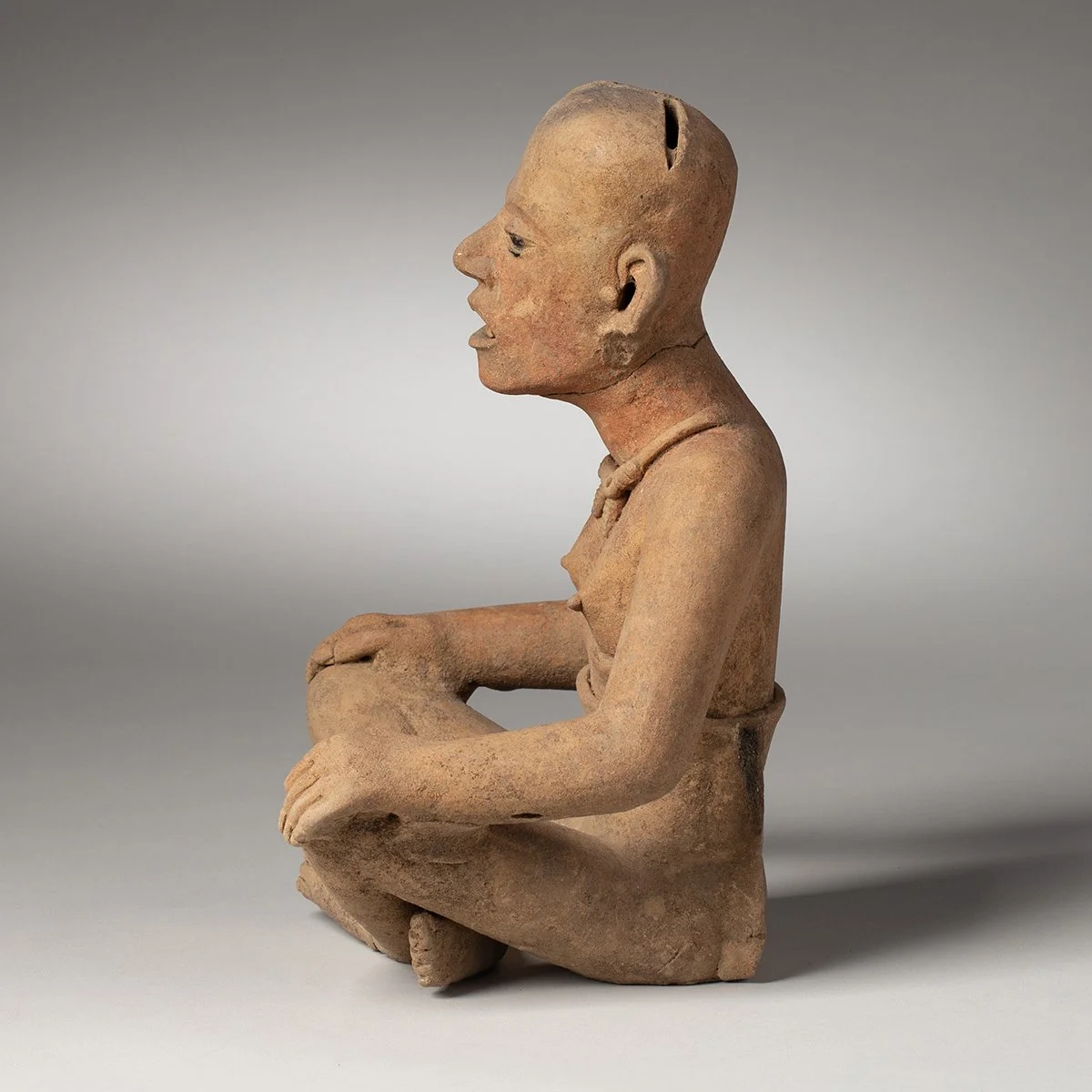 Image 4 of 9
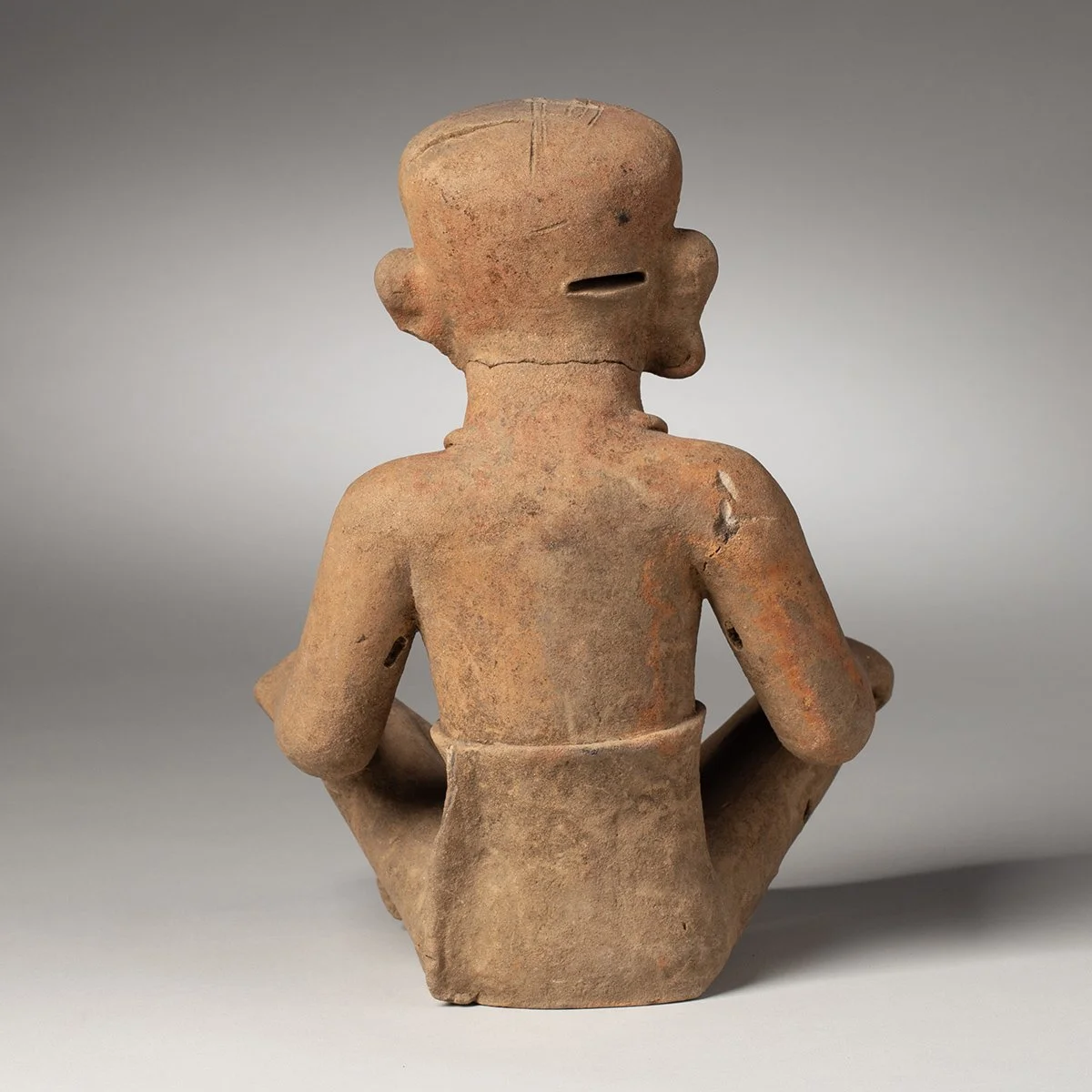 Image 5 of 9
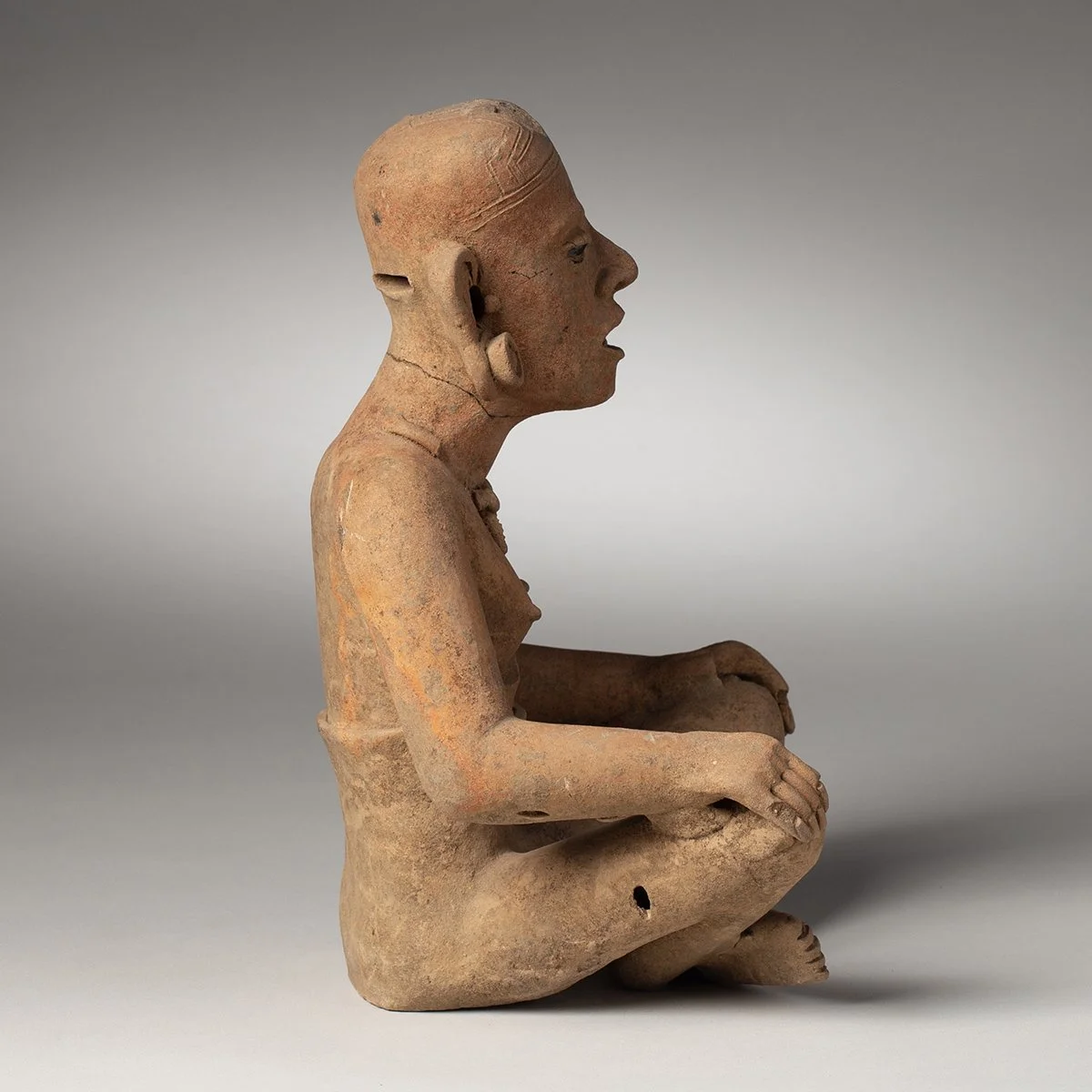 Image 6 of 9
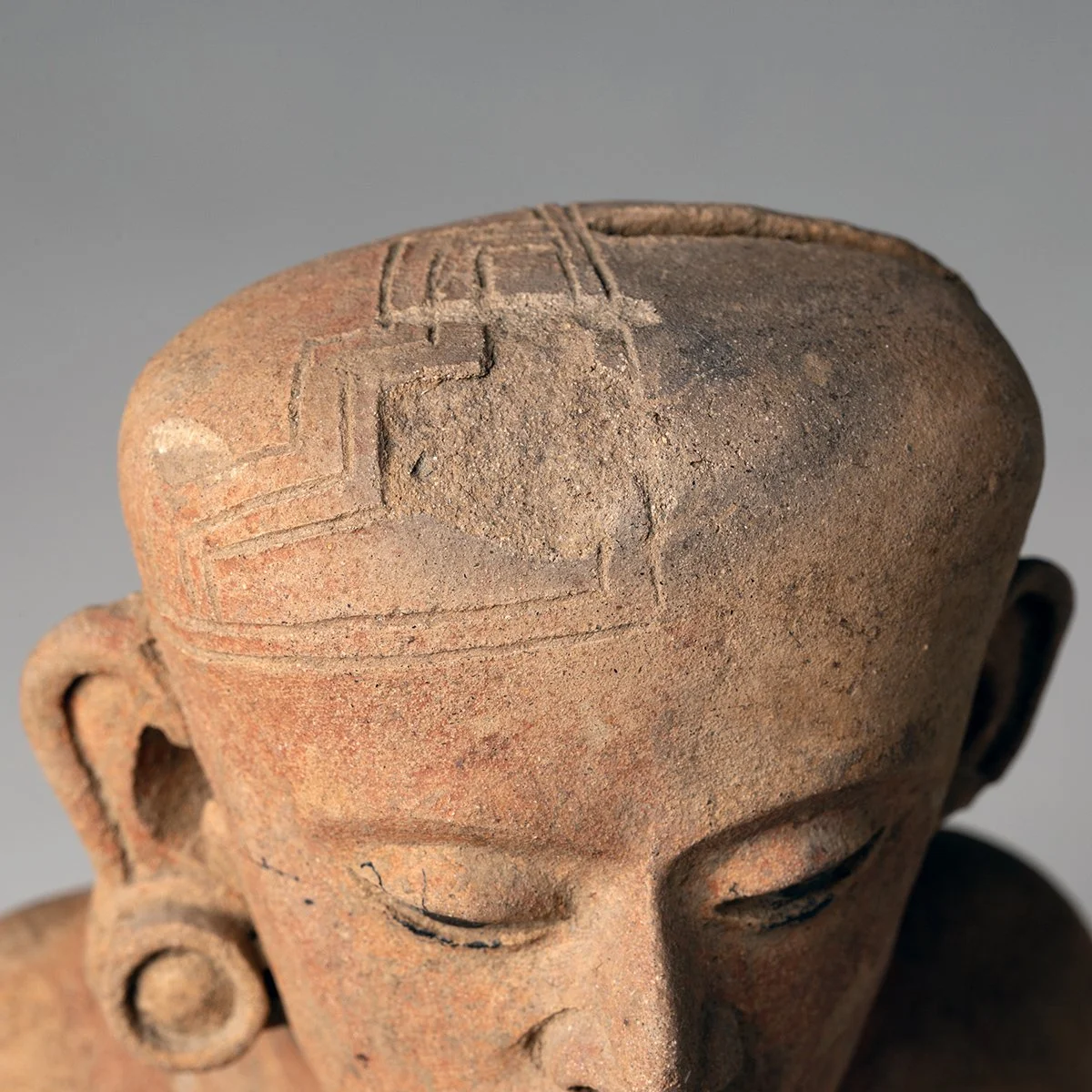 Image 7 of 9
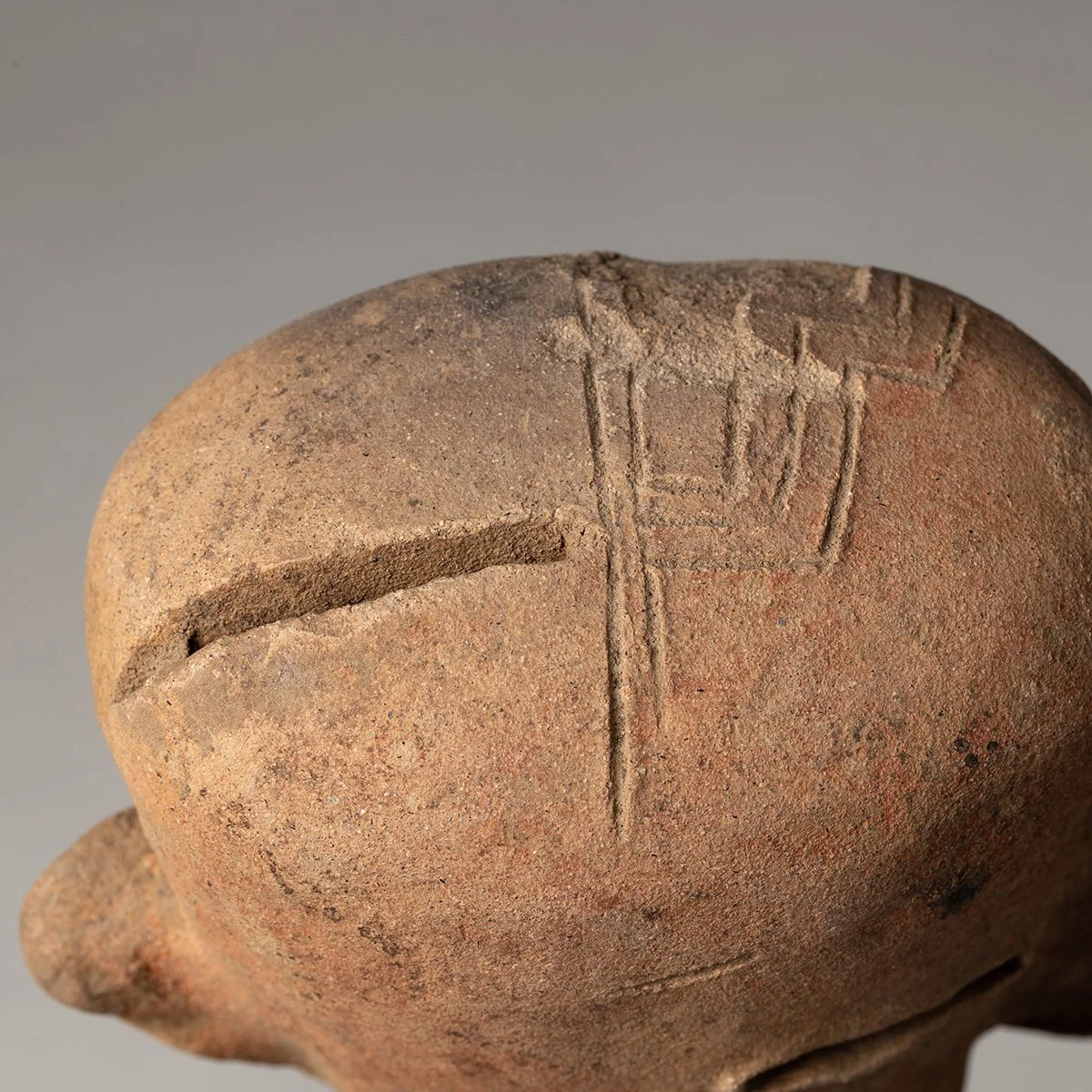 Image 8 of 9
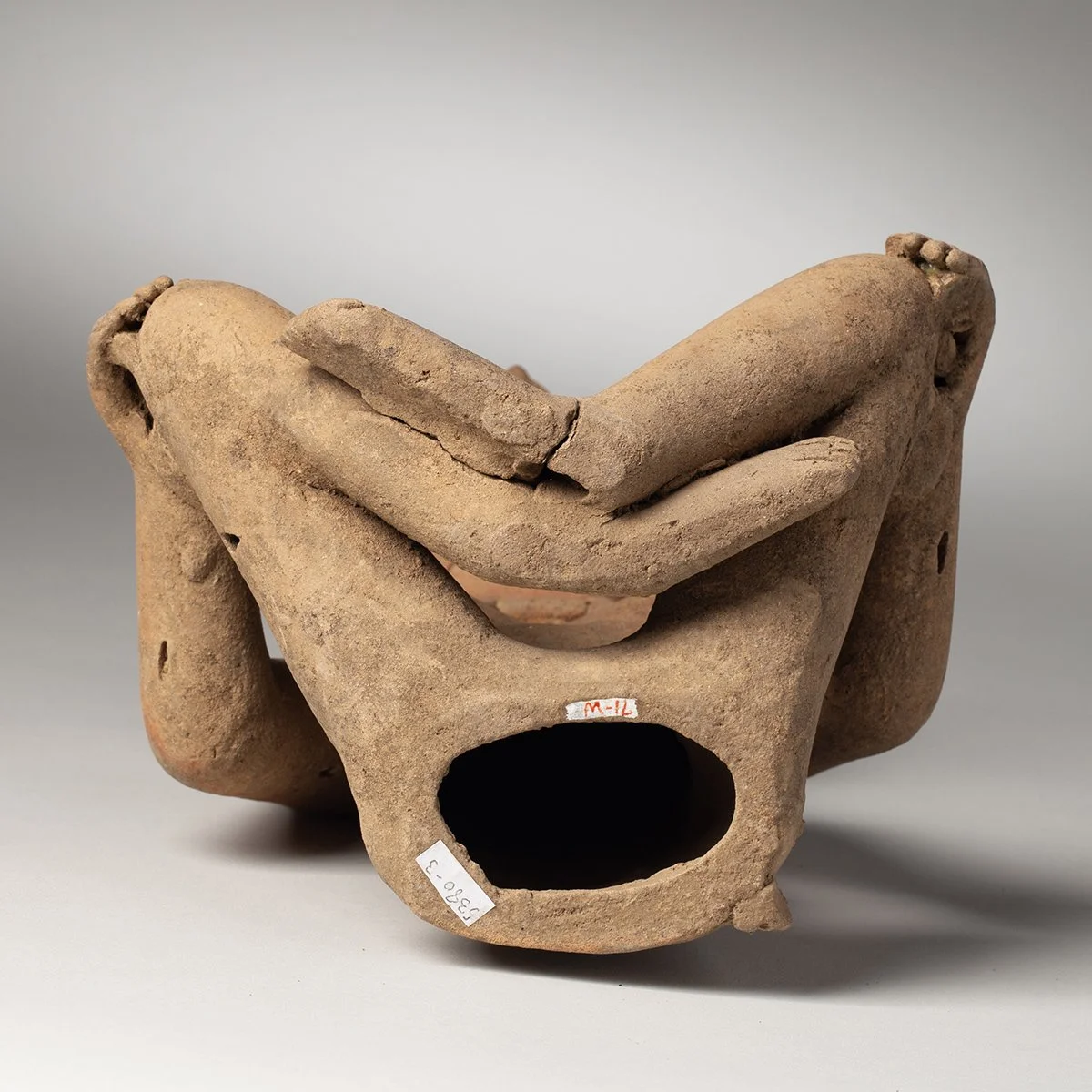 Image 9 of 9