Haudenosaunee / Iroquois, Seneca style
Circa 1880
Basswood, tin, horsehair, shoestring, corn husk, tobacco bags
Mask height 11" (27.9 cm); height with hair 29" (73.7 cm)
Provenance: Private Southern California collection; old collection label inscribed "Iroquois 6/24/26 Grand River Joseph Jacobs"
This Seneca style Iroquois mask dates to the late 19th century and combines carved basswood with tin elements, horsehair, shoestring, and corn husk, the last giving the piece a distinct surface quality among related masks of this type. The long horsehair extends the form well beyond the carved face, and two tobacco bags on the reverse are integral features of the object as collected. The construction reflects the layered use of organic and practical materials characteristic of historic Haudenosaunee mask traditions.
Masks of this type are associated with Haudenosaunee ceremonial and healing traditions, used within the False Face Society in contexts of illness, ritual protection, and community ceremony. The old collection label naming Grand River and Joseph Jacobs, dated June 24, 1926, places the mask within the Six Nations Reserve on the Grand River in Ontario, one of the principal Haudenosaunee communities in Canada and the home of a continuous Seneca style mask tradition. The named source and specific date of acquisition give this mask a documented point of origin within the community from which it came.
The Grand River Six Nations Reserve in Ontario has been home to a continuous Haudenosaunee ceremonial tradition since the late 18th century, when the Haudenosaunee Confederacy relocated to Canada following the American Revolution. Seneca style masks from Grand River are documented in major museum collections of Iroquois material, including the Smithsonian and the Canadian Museum of History, and examples with named indigenous sources from the 1926 period represent an early and direct collecting history. The combination of the Grand River label, named source, specific acquisition date, and intact organic attachments gives this mask a well documented place within the corpus of early 20th century Haudenosaunee ceremonial material.
We ship free anywhere in the world, fully insured, packed by hand.
INQUIRE HERE
Haudenosaunee / Iroquois, Seneca style
Circa 1880
Basswood, tin, horsehair, shoestring, corn husk, tobacco bags
Mask height 11" (27.9 cm); height with hair 29" (73.7 cm)
Provenance: Private Southern California collection; old collection label inscribed "Iroquois 6/24/26 Grand River Joseph Jacobs"
This Seneca style Iroquois mask dates to the late 19th century and combines carved basswood with tin elements, horsehair, shoestring, and corn husk, the last giving the piece a distinct surface quality among related masks of this type. The long horsehair extends the form well beyond the carved face, and two tobacco bags on the reverse are integral features of the object as collected. The construction reflects the layered use of organic and practical materials characteristic of historic Haudenosaunee mask traditions.
Masks of this type are associated with Haudenosaunee ceremonial and healing traditions, used within the False Face Society in contexts of illness, ritual protection, and community ceremony. The old collection label naming Grand River and Joseph Jacobs, dated June 24, 1926, places the mask within the Six Nations Reserve on the Grand River in Ontario, one of the principal Haudenosaunee communities in Canada and the home of a continuous Seneca style mask tradition. The named source and specific date of acquisition give this mask a documented point of origin within the community from which it came.
The Grand River Six Nations Reserve in Ontario has been home to a continuous Haudenosaunee ceremonial tradition since the late 18th century, when the Haudenosaunee Confederacy relocated to Canada following the American Revolution. Seneca style masks from Grand River are documented in major museum collections of Iroquois material, including the Smithsonian and the Canadian Museum of History, and examples with named indigenous sources from the 1926 period represent an early and direct collecting history. The combination of the Grand River label, named source, specific acquisition date, and intact organic attachments gives this mask a well documented place within the corpus of early 20th century Haudenosaunee ceremonial material.
We ship free anywhere in the world, fully insured, packed by hand.
INQUIRE HERE


 Image 1 of 9
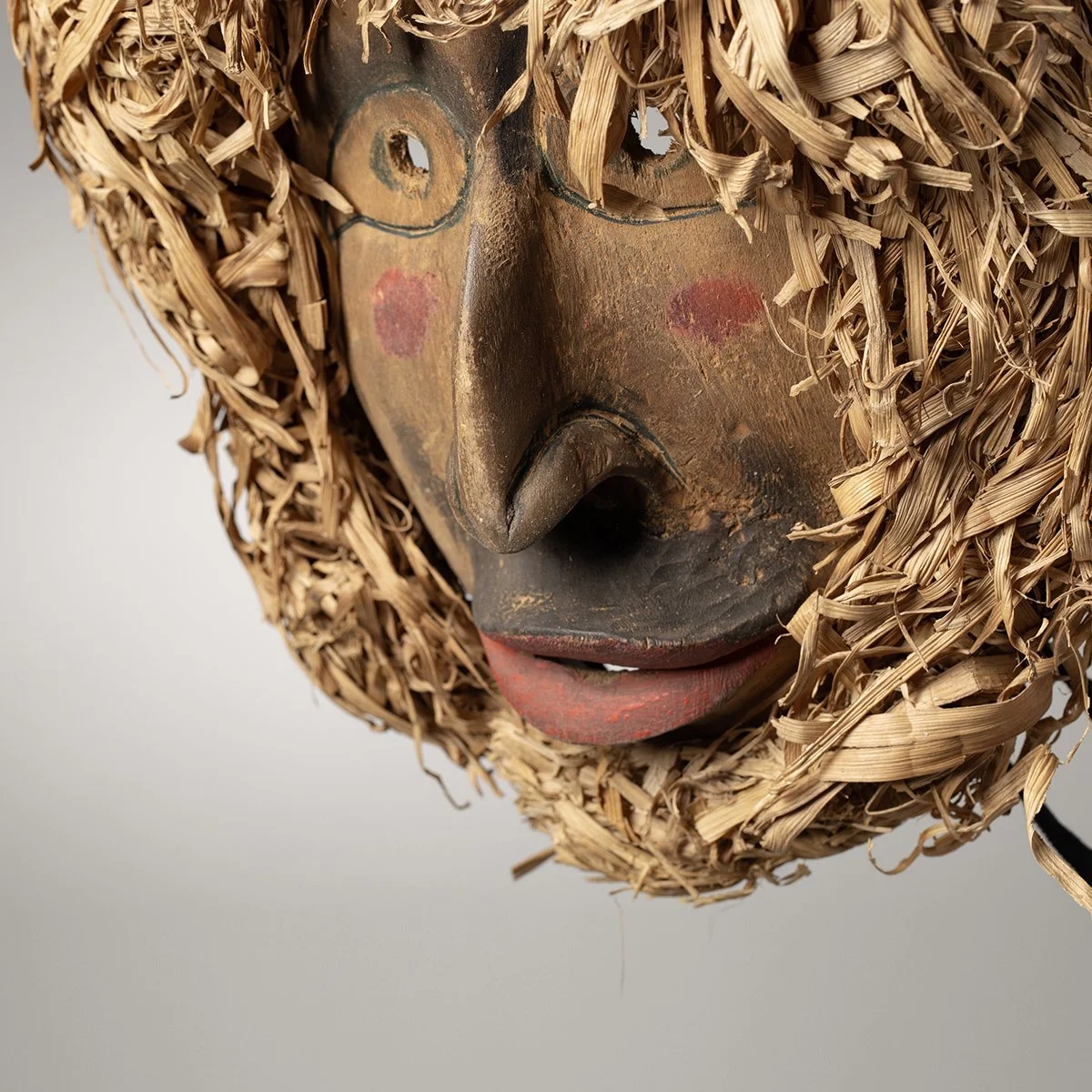 Image 2 of 9
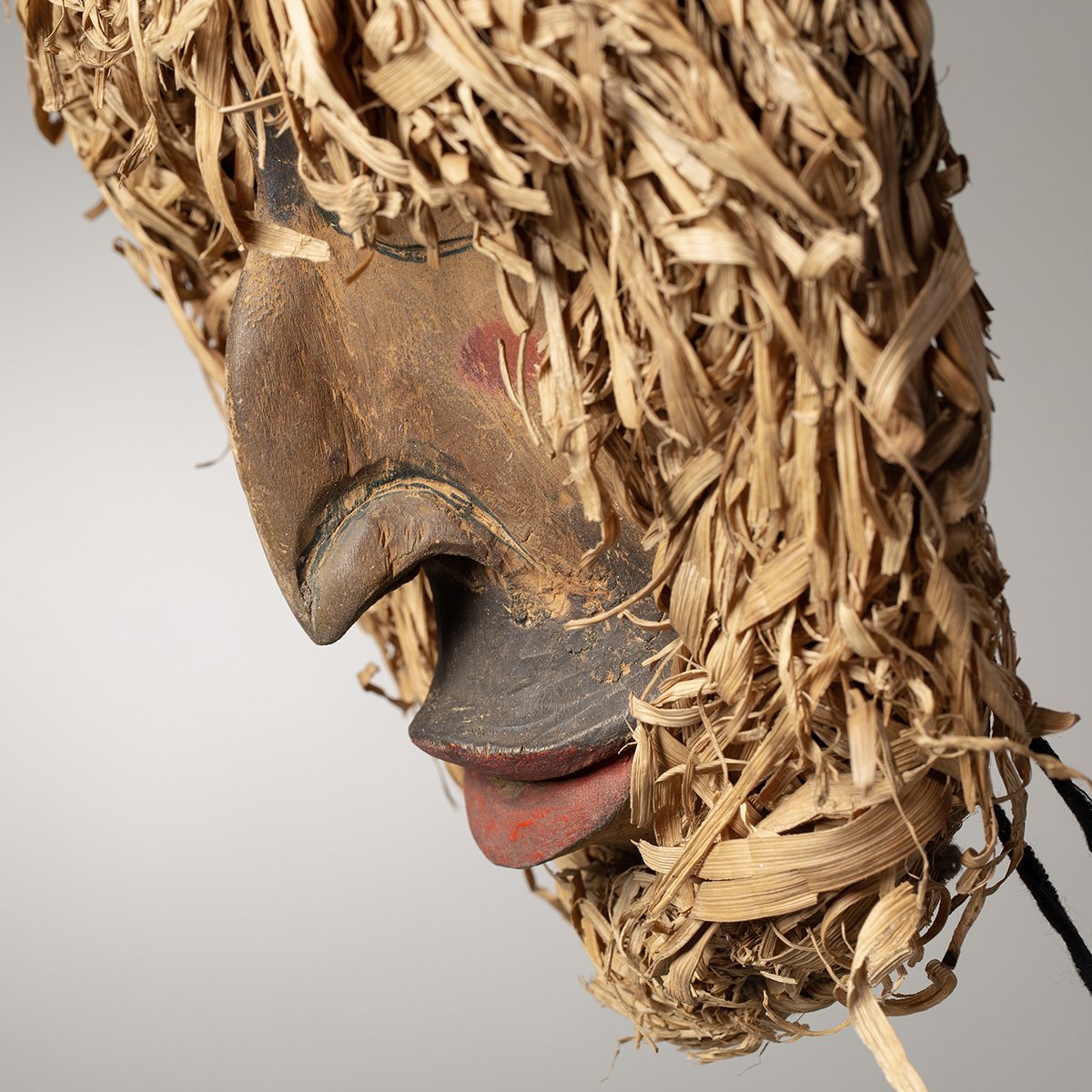 Image 3 of 9
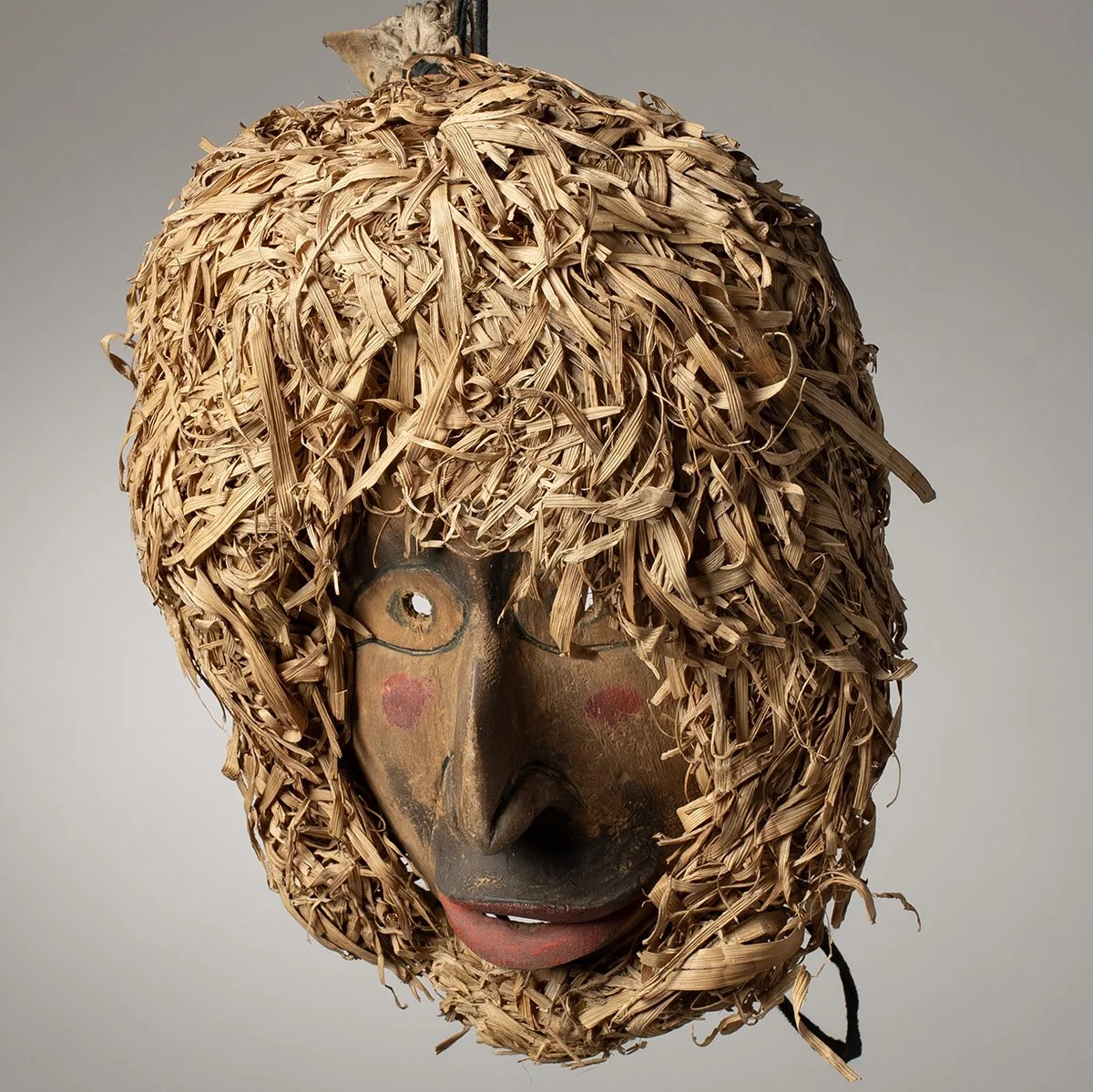 Image 4 of 9
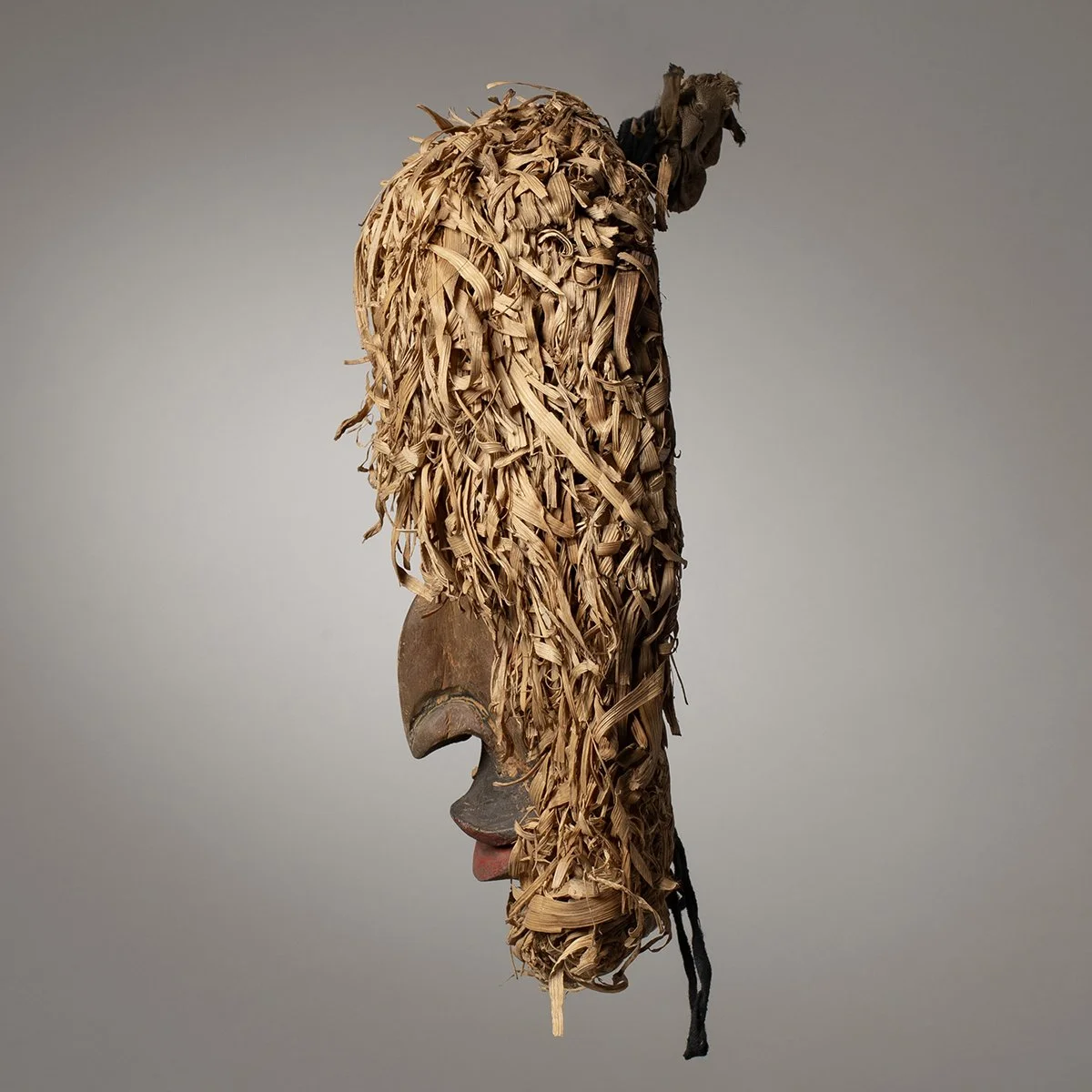 Image 5 of 9
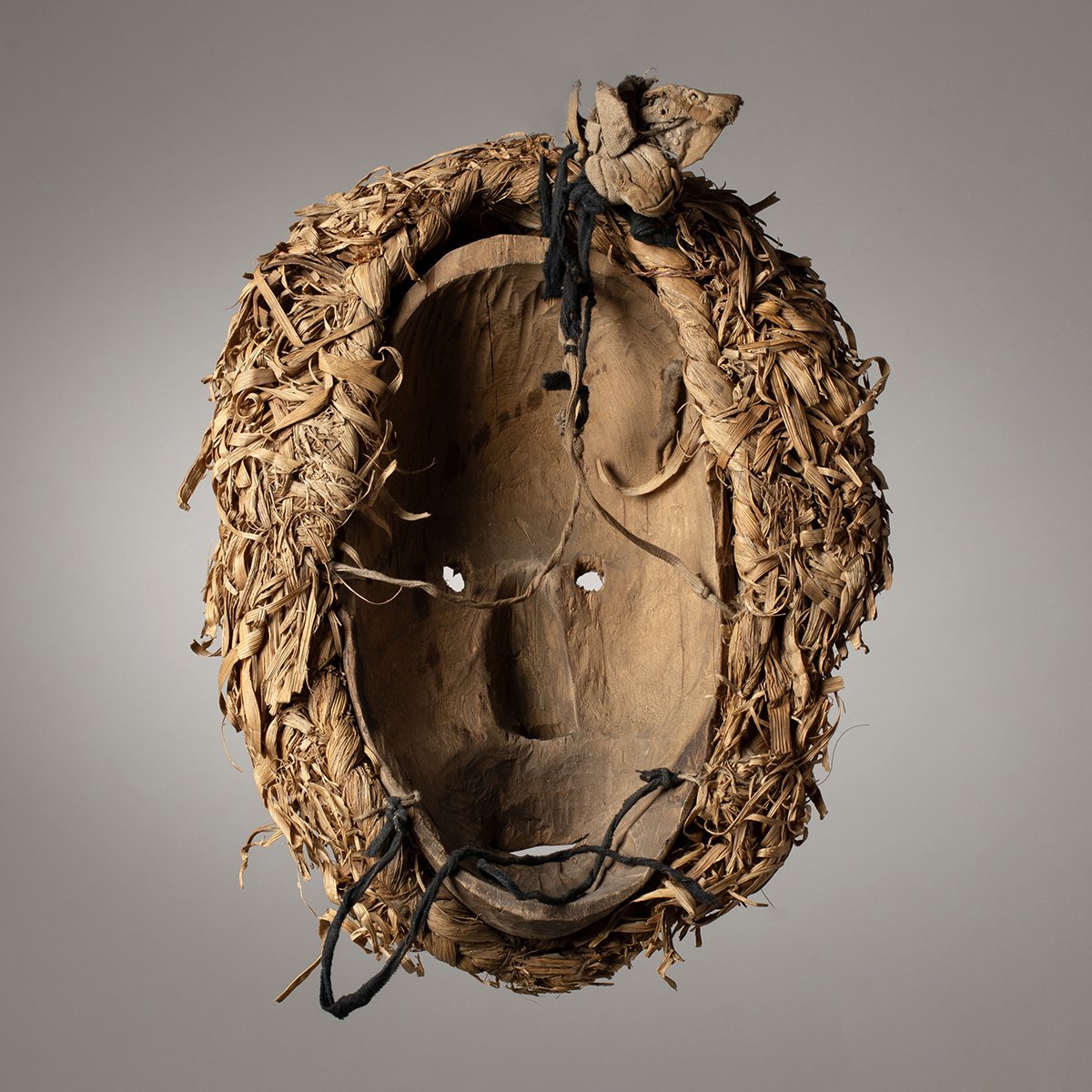 Image 6 of 9
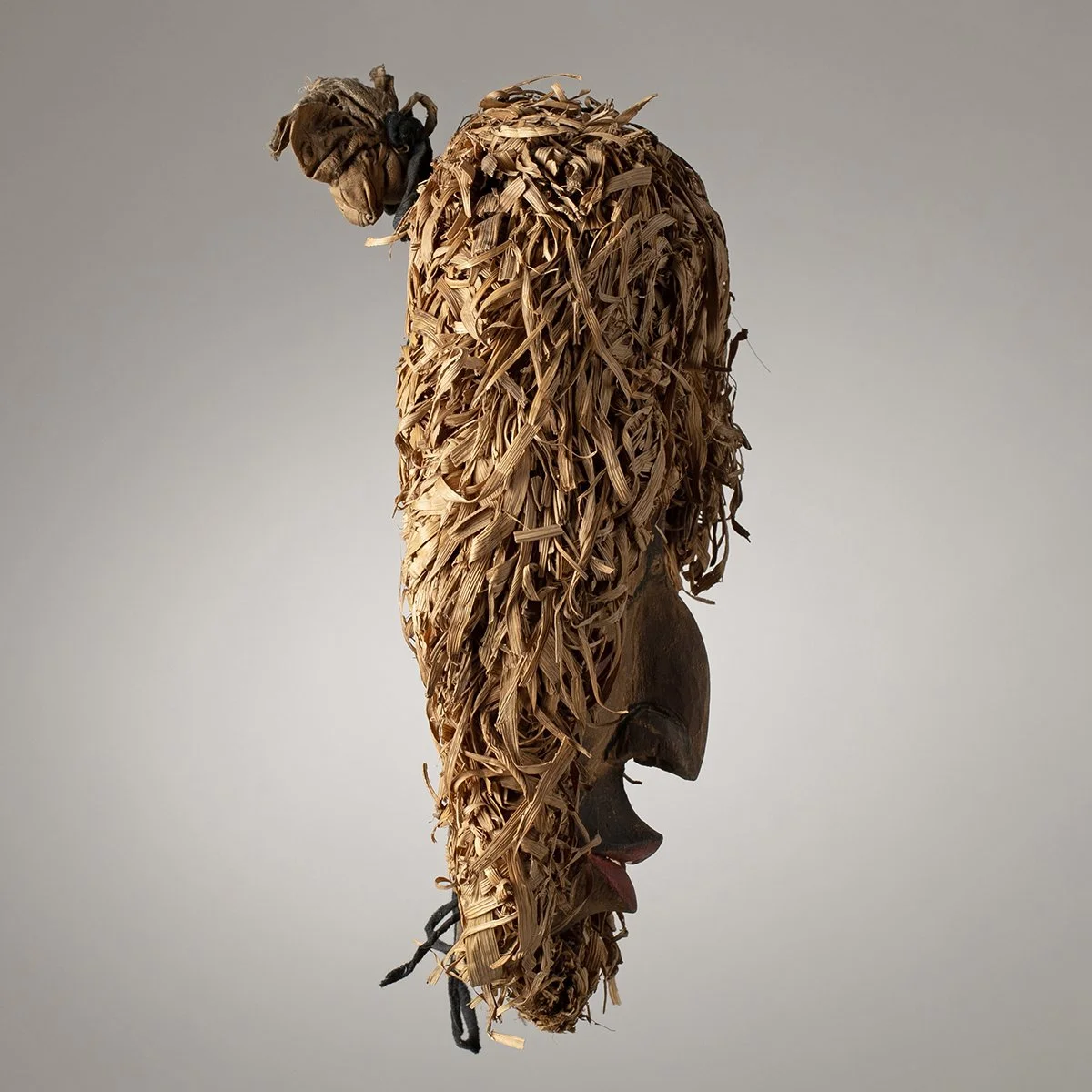 Image 7 of 9
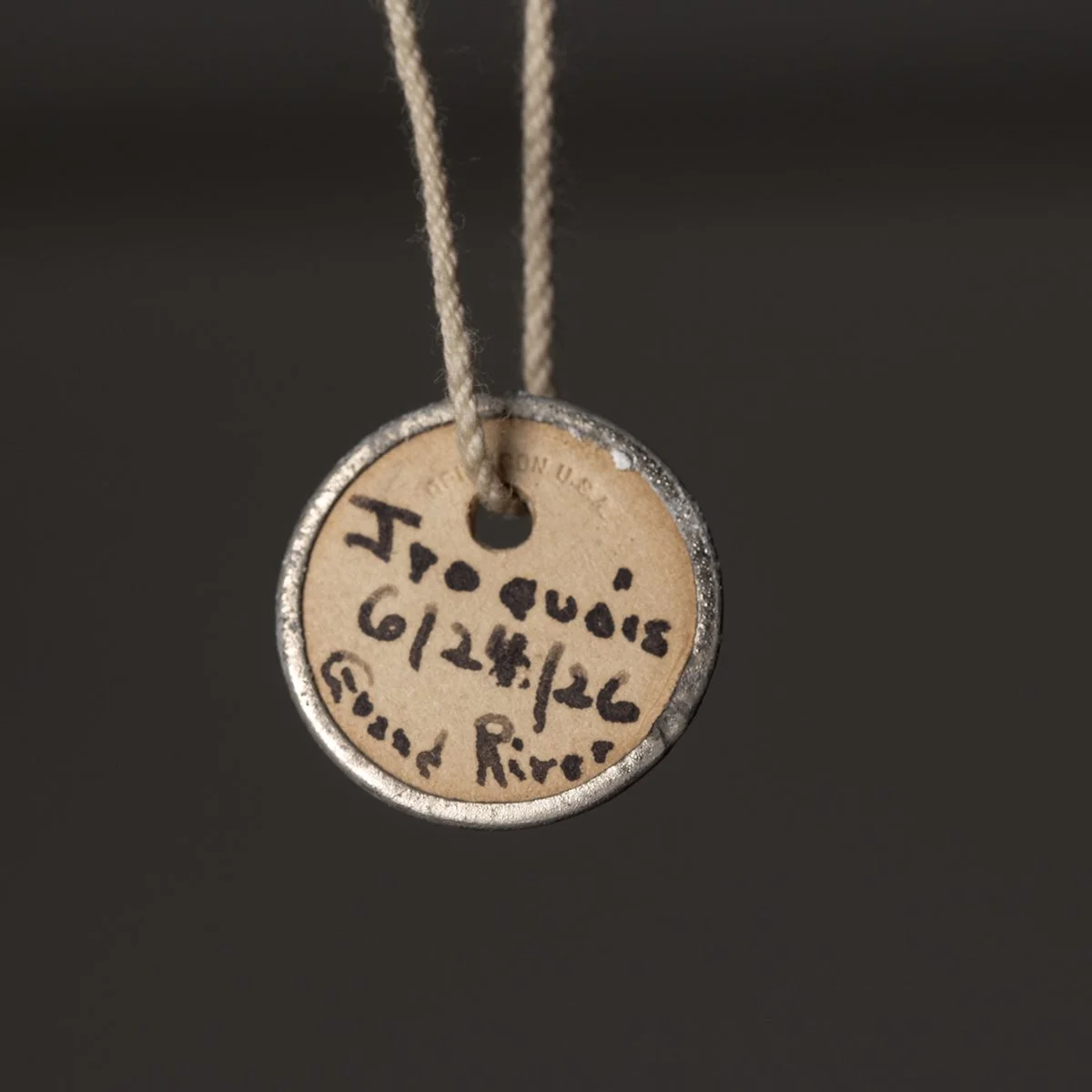 Image 8 of 9
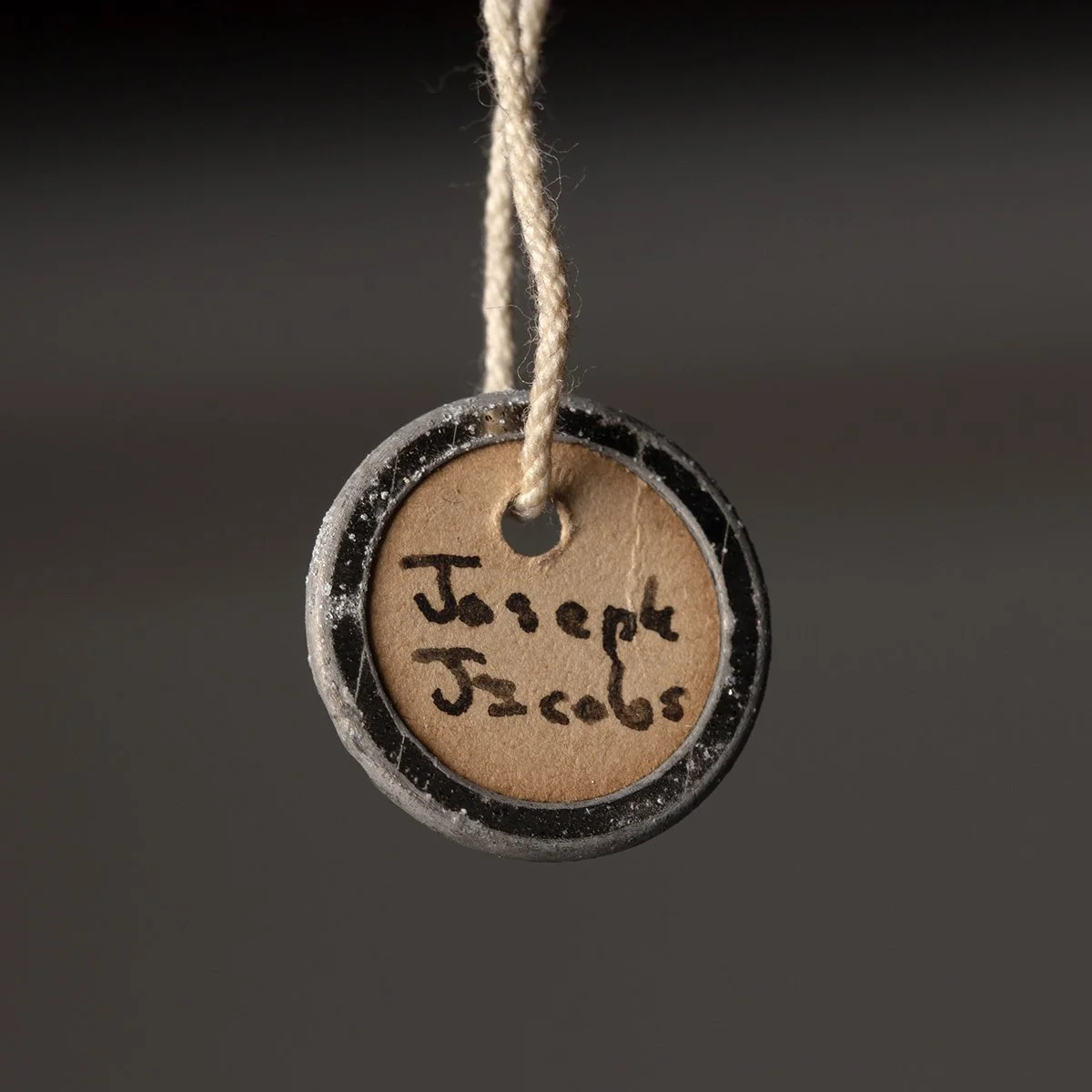 Image 9 of 9