

 Image 1 of 2
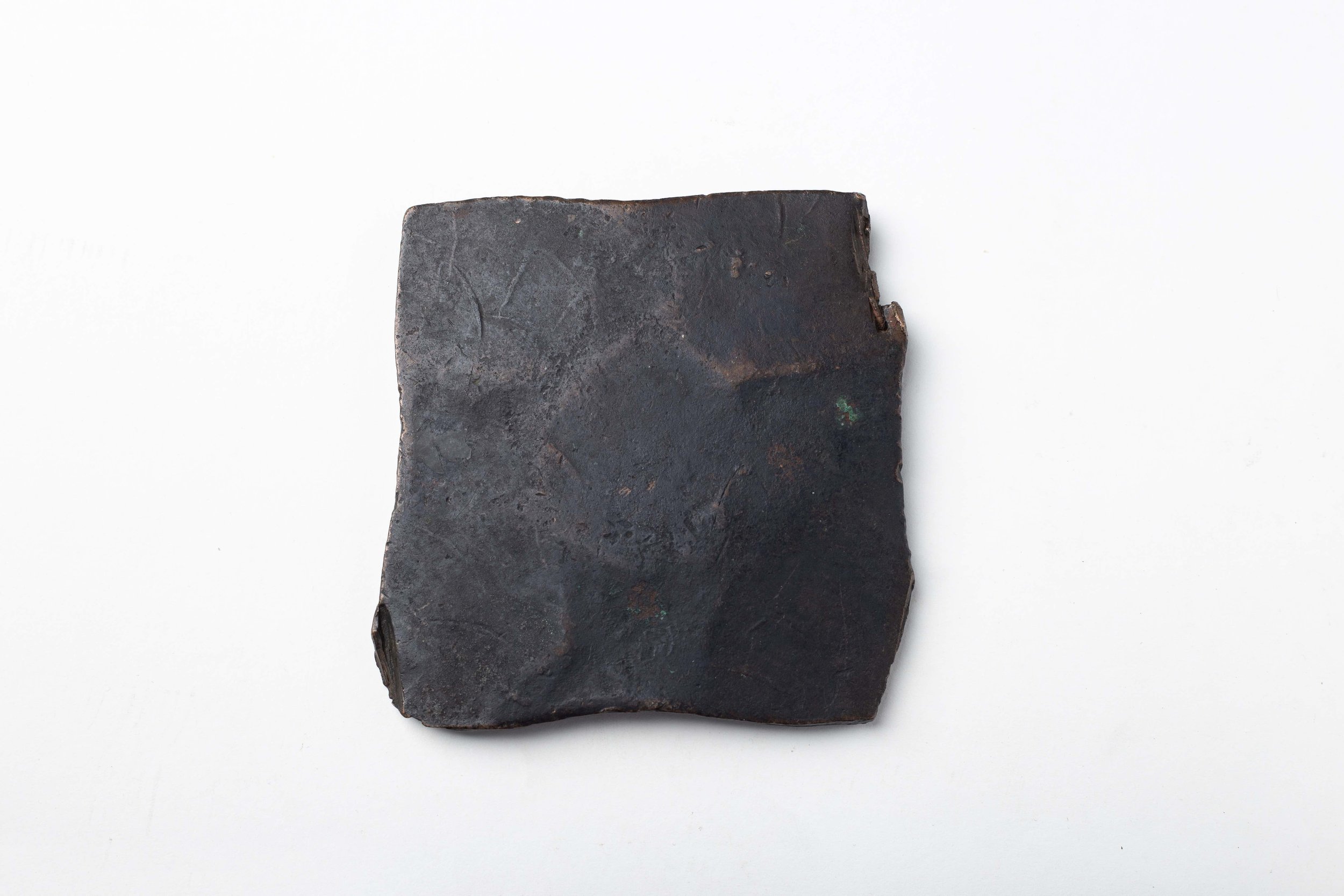 Image 2 of 2
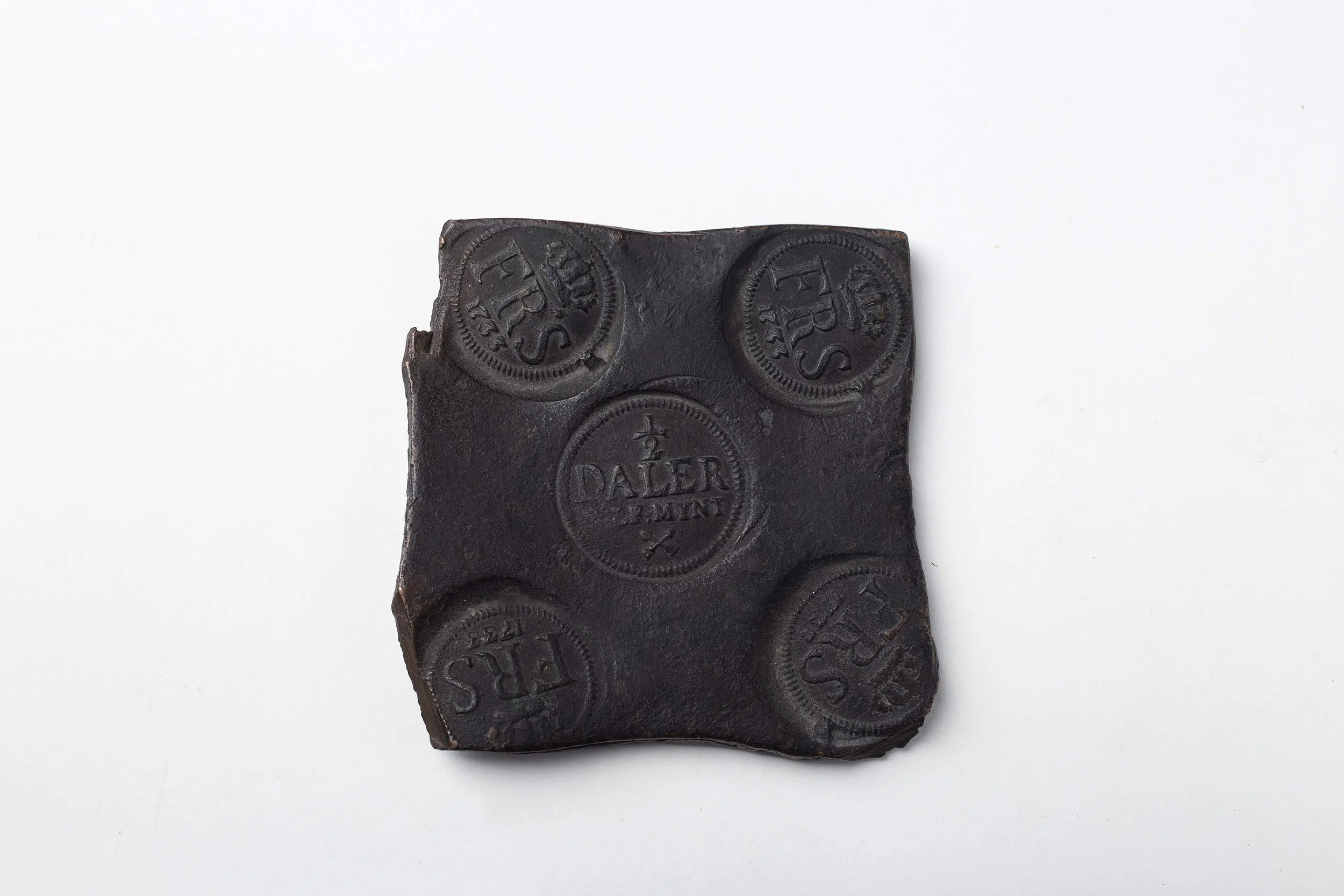
Sweden
1733
Copper
3½ × 3½ in. (8.9 × 8.9 cm); 364 grams
Provenance: Private collection, Australia
Swedish plate money (plåtmynt), introduced in 1644 during the reign of Queen Christina, was struck at the Avesta mint in response to Sweden's copper surplus and silver scarcity, with sheets of copper hammered flat, cut to size, and stamped with five marks. Denominations ranged from ½ to 10 dalers, with the largest pieces weighing over 44 pounds and requiring wagons for transport, and the impracticality of moving large quantities contributed to the establishment of Stockholms Banco in 1656, the first institution to issue European banknotes. Production continued until 1776, and most surviving examples are believed to derive from the 1783 shipwreck of the Nicobar.
We ship free anywhere in the world, fully insured, packed by hand.
Sweden
1733
Copper
3½ × 3½ in. (8.9 × 8.9 cm); 364 grams
Provenance: Private collection, Australia
Swedish plate money (plåtmynt), introduced in 1644 during the reign of Queen Christina, was struck at the Avesta mint in response to Sweden's copper surplus and silver scarcity, with sheets of copper hammered flat, cut to size, and stamped with five marks. Denominations ranged from ½ to 10 dalers, with the largest pieces weighing over 44 pounds and requiring wagons for transport, and the impracticality of moving large quantities contributed to the establishment of Stockholms Banco in 1656, the first institution to issue European banknotes. Production continued until 1776, and most surviving examples are believed to derive from the 1783 shipwreck of the Nicobar.
We ship free anywhere in the world, fully insured, packed by hand.