

 Image 1 of 5
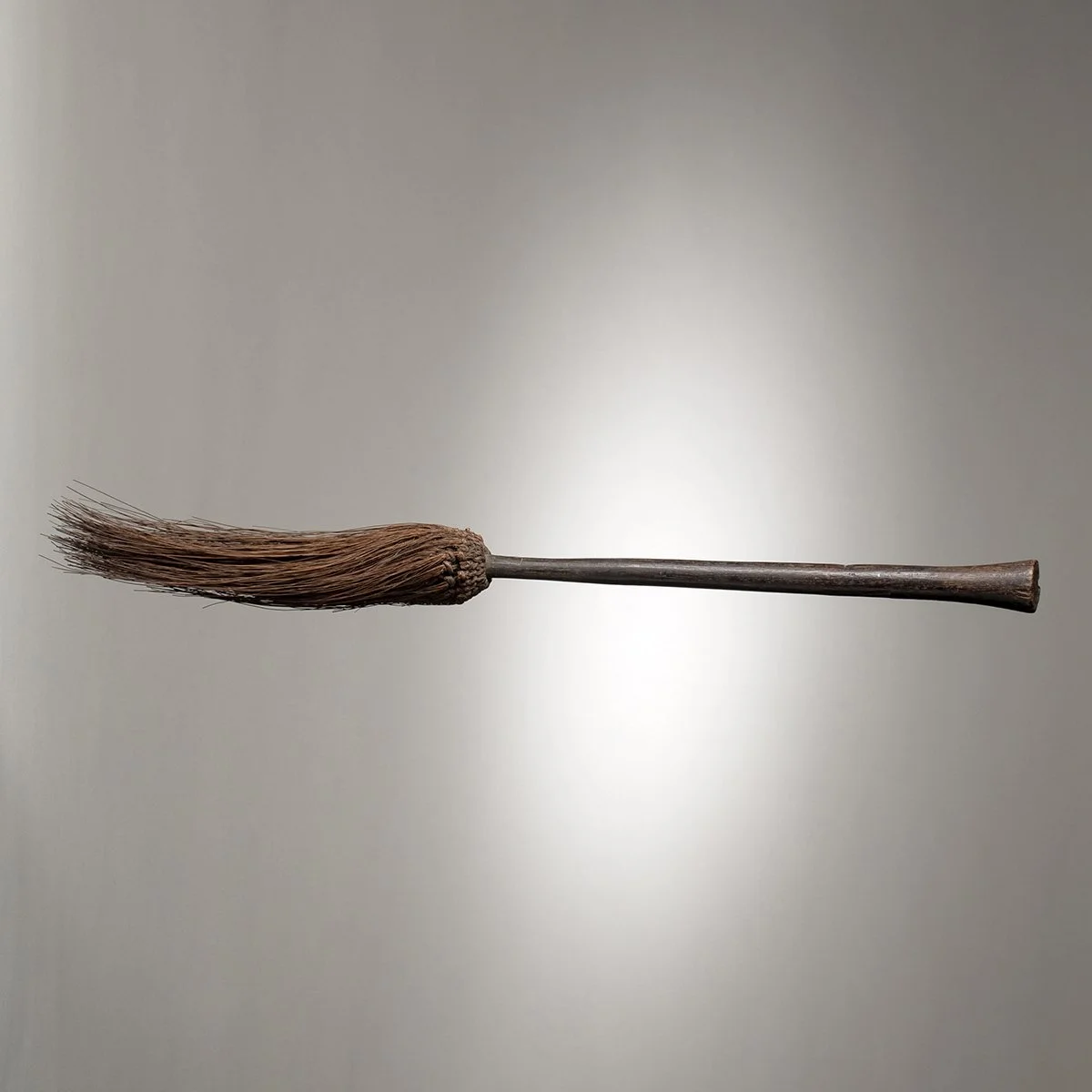 Image 2 of 5
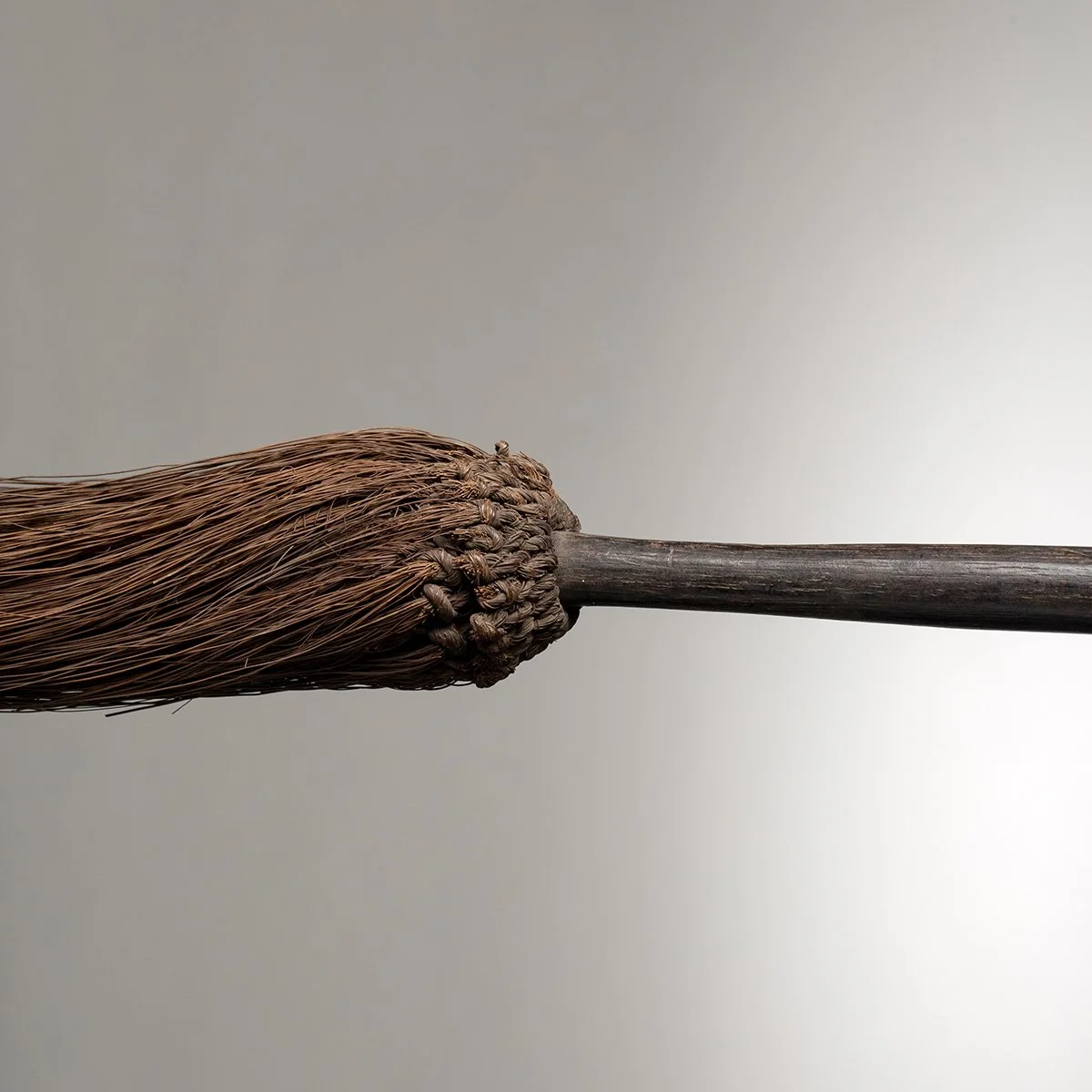 Image 3 of 5
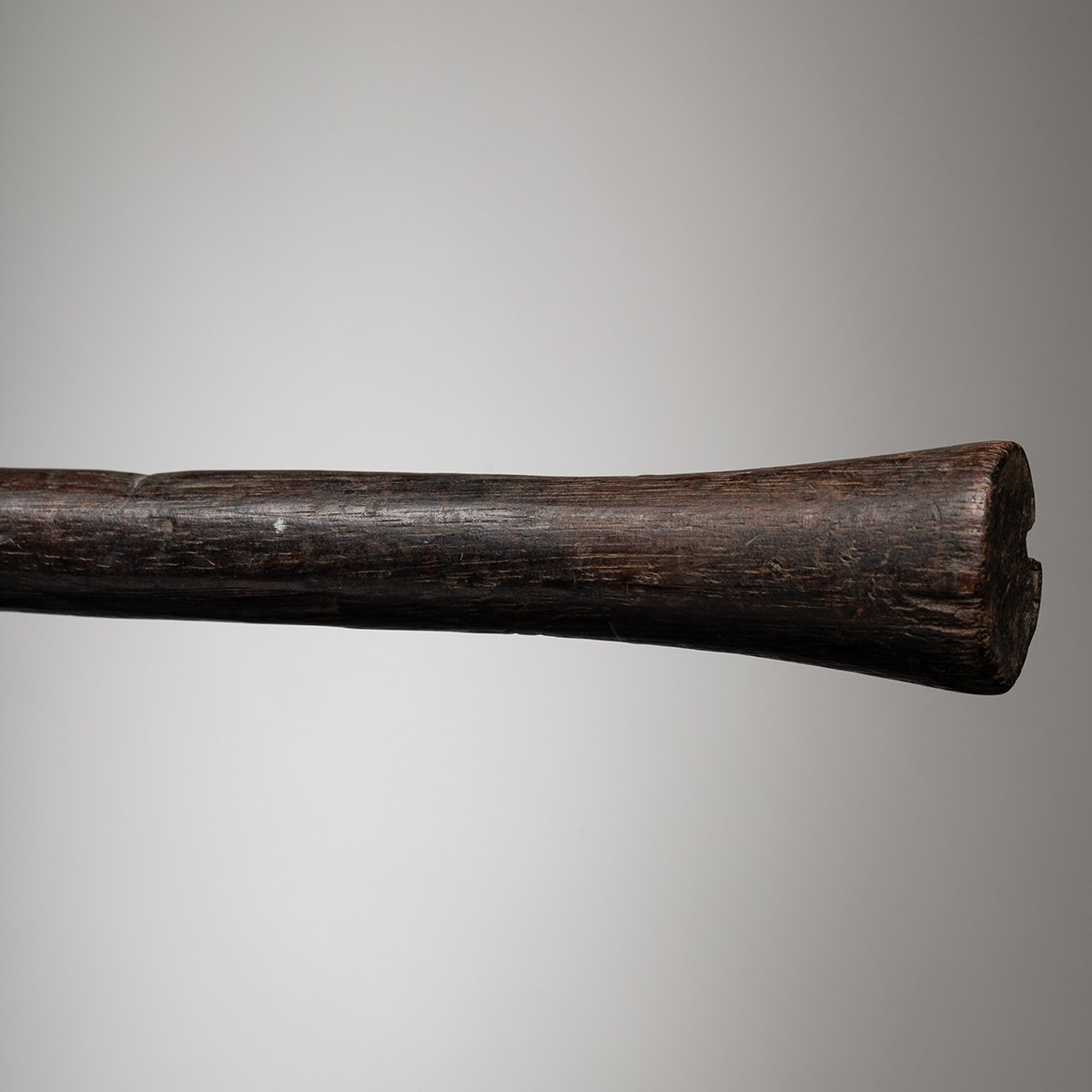 Image 4 of 5
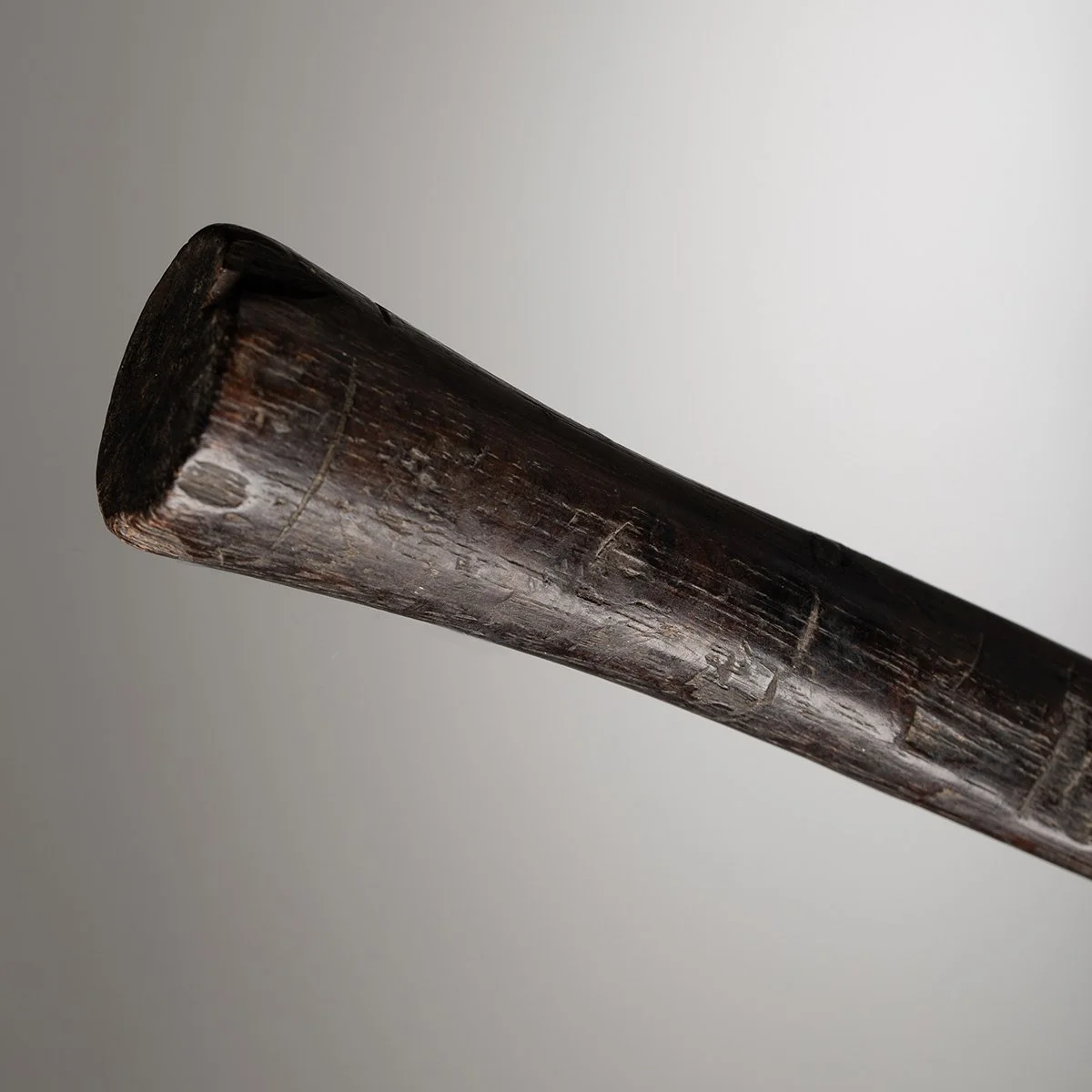 Image 5 of 5
Tongan
Early 19th century
Wood, coconut coir
Length: 19 1/2 in. (49.5 cm)
Provenance: William Ohly (1883–1955), Berkeley Galleries, London; Abbey Museum, Hertfordshire, UK; thence by descent
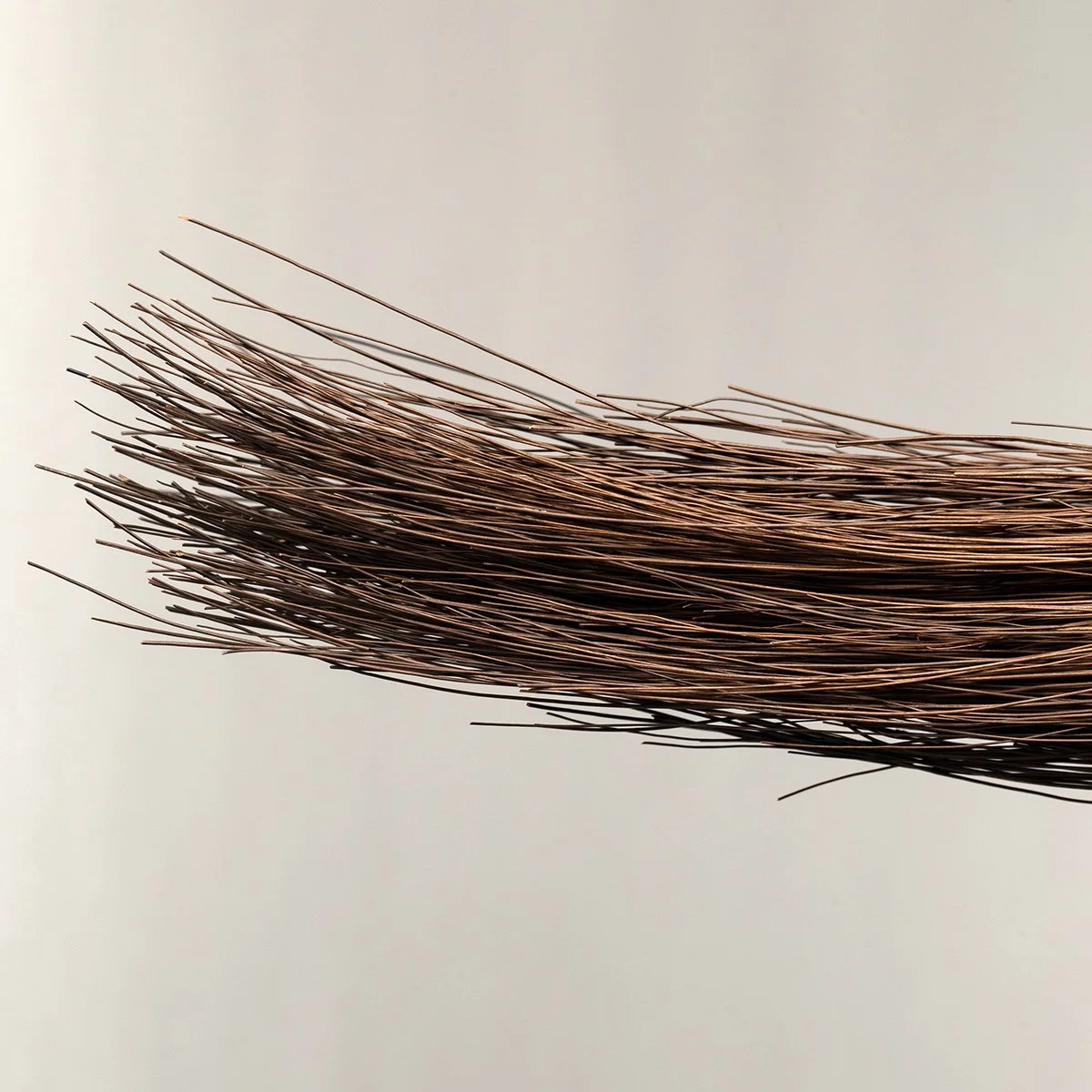
The fue, or fly whisk, was an emblem of chiefly rank and oratorical authority in Tonga, carried by orators and members of the nobility in formal contexts. Such objects were also understood to protect royal food and ward off malevolent forces. This example predates the introduction of horses to the islands, retaining its traditional binding of finely braided coconut coir rather than the horsehair that became common in later fue production following European contact.
The handle is turned from dense hardwood with a tapering form and rounded terminal, the coir binding secured at the junction in a manner consistent with early nineteenth-century Tongan craftsmanship. The coconut fiber has retained considerable integrity and color, indicating careful preservation across its collection history. The provenance traces to William Ohly of Berkeley Galleries, London, one of the significant mid-twentieth-century dealers in ethnographic material, and subsequently to the Abbey Museum, Hertfordshire.
We ship free anywhere in the world, fully insured, packed by hand.
Tongan
Early 19th century
Wood, coconut coir
Length: 19 1/2 in. (49.5 cm)
Provenance: William Ohly (1883–1955), Berkeley Galleries, London; Abbey Museum, Hertfordshire, UK; thence by descent
The fue, or fly whisk, was an emblem of chiefly rank and oratorical authority in Tonga, carried by orators and members of the nobility in formal contexts. Such objects were also understood to protect royal food and ward off malevolent forces. This example predates the introduction of horses to the islands, retaining its traditional binding of finely braided coconut coir rather than the horsehair that became common in later fue production following European contact.
The handle is turned from dense hardwood with a tapering form and rounded terminal, the coir binding secured at the junction in a manner consistent with early nineteenth-century Tongan craftsmanship. The coconut fiber has retained considerable integrity and color, indicating careful preservation across its collection history. The provenance traces to William Ohly of Berkeley Galleries, London, one of the significant mid-twentieth-century dealers in ethnographic material, and subsequently to the Abbey Museum, Hertfordshire.
We ship free anywhere in the world, fully insured, packed by hand.