Australia, Torres Strait Islands, Cape York Peninsula
Early 19th century
Hardwood
Length: 13.75 inches (35 cm)
Provenance: Richard Berry, Melbourne, Australia; Jean-Edouard Carlier, Paris
The Torres Strait Islands, comprised of 274 small islands between mainland Australia and New Guinea, supported one of the most distinct artistic traditions in island Melanesia, centered on marine hunting, fertility, and rites of passage. Sea turtle hunting was central to Torres Strait life, and wooden hunting charms carved in the likeness of the turtle were lashed to the bow of the canoe or to a projecting stick, understood to supernaturally guide the hunter toward his quarry. Green sea turtles were the primary target, hunted for both their meat and their shell, which was the material from which the Torres Strait's celebrated turtle shell masks were made and the hunting charm was the ritual instrument through which that pursuit was consecrated.
This charm is carved from dense hardwood with a realism and fluency of form that reflects direct knowledge of the animal's movement through water. The flippers are tucked alongside the body and the hind feet extended behind, capturing the turtle mid-stroke in a posture that conveys forward momentum. Behind the flipper joints, two deeply pierced holes originally secured cassowary feather stick ornaments, which would have animated the charm as it moved through the ocean breeze and further charged it with hunting power.
Turtle hunting charms of this type are among the most contextually loaded objects in Torres Strait material culture, and hardwood examples of this quality, scale, and sculptural refinement are held in a small number of institutional collections worldwide. The provenance through Richard Berry in Melbourne and Jean-Edouard Carlier in Paris, a dealer with long expertise in Torres Strait and Oceanic material, places this piece within a chain of specialist collecting that reflects its recognized standing. Works of this category from the Torres Strait are encountered only rarely on the market.
We ship free anywhere in the world, fully insured, packed by hand.
Australia, Torres Strait Islands, Cape York Peninsula
Early 19th century
Hardwood
Length: 13.75 inches (35 cm)
Provenance: Richard Berry, Melbourne, Australia; Jean-Edouard Carlier, Paris
The Torres Strait Islands, comprised of 274 small islands between mainland Australia and New Guinea, supported one of the most distinct artistic traditions in island Melanesia, centered on marine hunting, fertility, and rites of passage. Sea turtle hunting was central to Torres Strait life, and wooden hunting charms carved in the likeness of the turtle were lashed to the bow of the canoe or to a projecting stick, understood to supernaturally guide the hunter toward his quarry. Green sea turtles were the primary target, hunted for both their meat and their shell, which was the material from which the Torres Strait's celebrated turtle shell masks were made and the hunting charm was the ritual instrument through which that pursuit was consecrated.
This charm is carved from dense hardwood with a realism and fluency of form that reflects direct knowledge of the animal's movement through water. The flippers are tucked alongside the body and the hind feet extended behind, capturing the turtle mid-stroke in a posture that conveys forward momentum. Behind the flipper joints, two deeply pierced holes originally secured cassowary feather stick ornaments, which would have animated the charm as it moved through the ocean breeze and further charged it with hunting power.
Turtle hunting charms of this type are among the most contextually loaded objects in Torres Strait material culture, and hardwood examples of this quality, scale, and sculptural refinement are held in a small number of institutional collections worldwide. The provenance through Richard Berry in Melbourne and Jean-Edouard Carlier in Paris, a dealer with long expertise in Torres Strait and Oceanic material, places this piece within a chain of specialist collecting that reflects its recognized standing. Works of this category from the Torres Strait are encountered only rarely on the market.
We ship free anywhere in the world, fully insured, packed by hand.


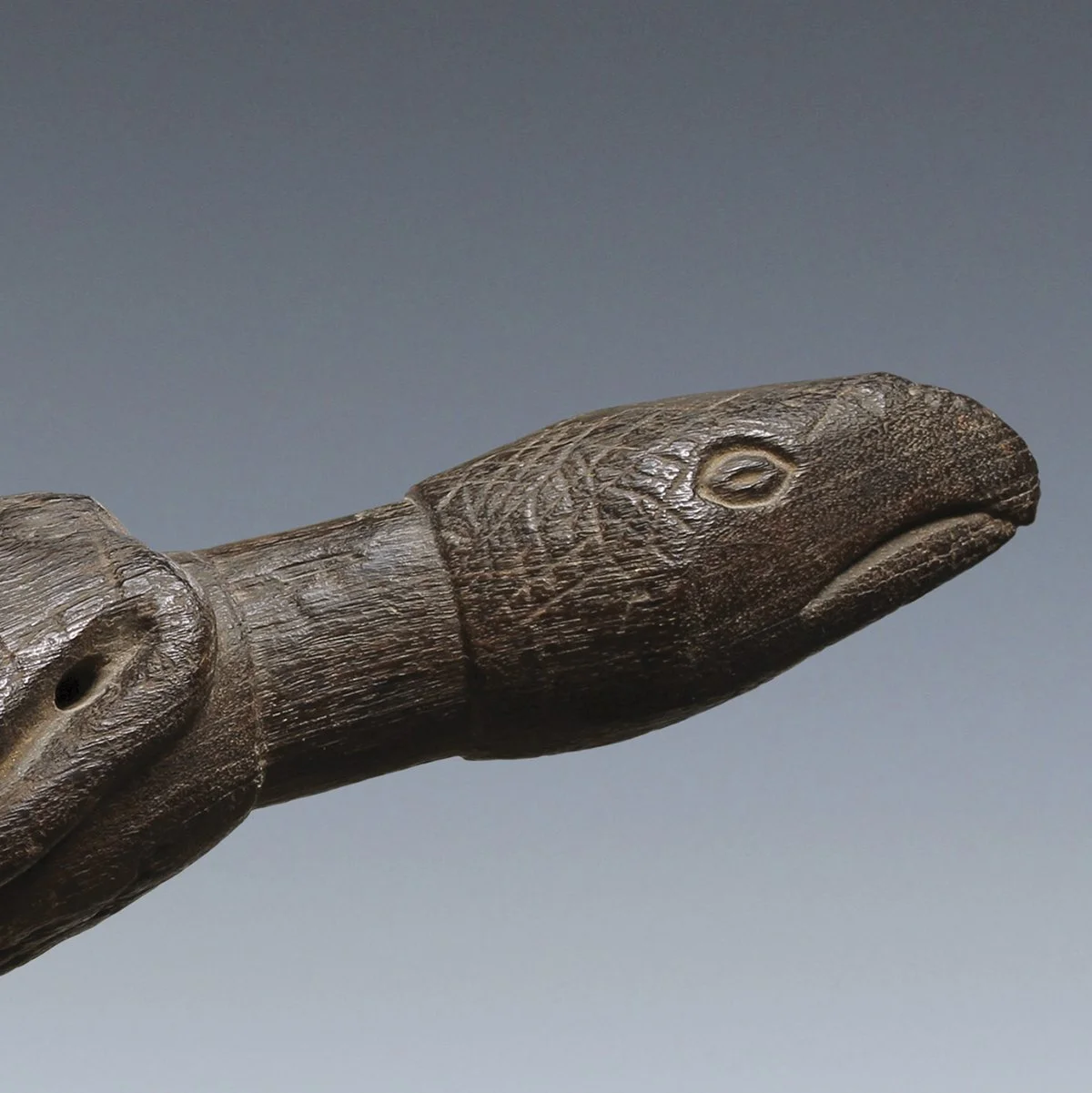 Image 1 of 11
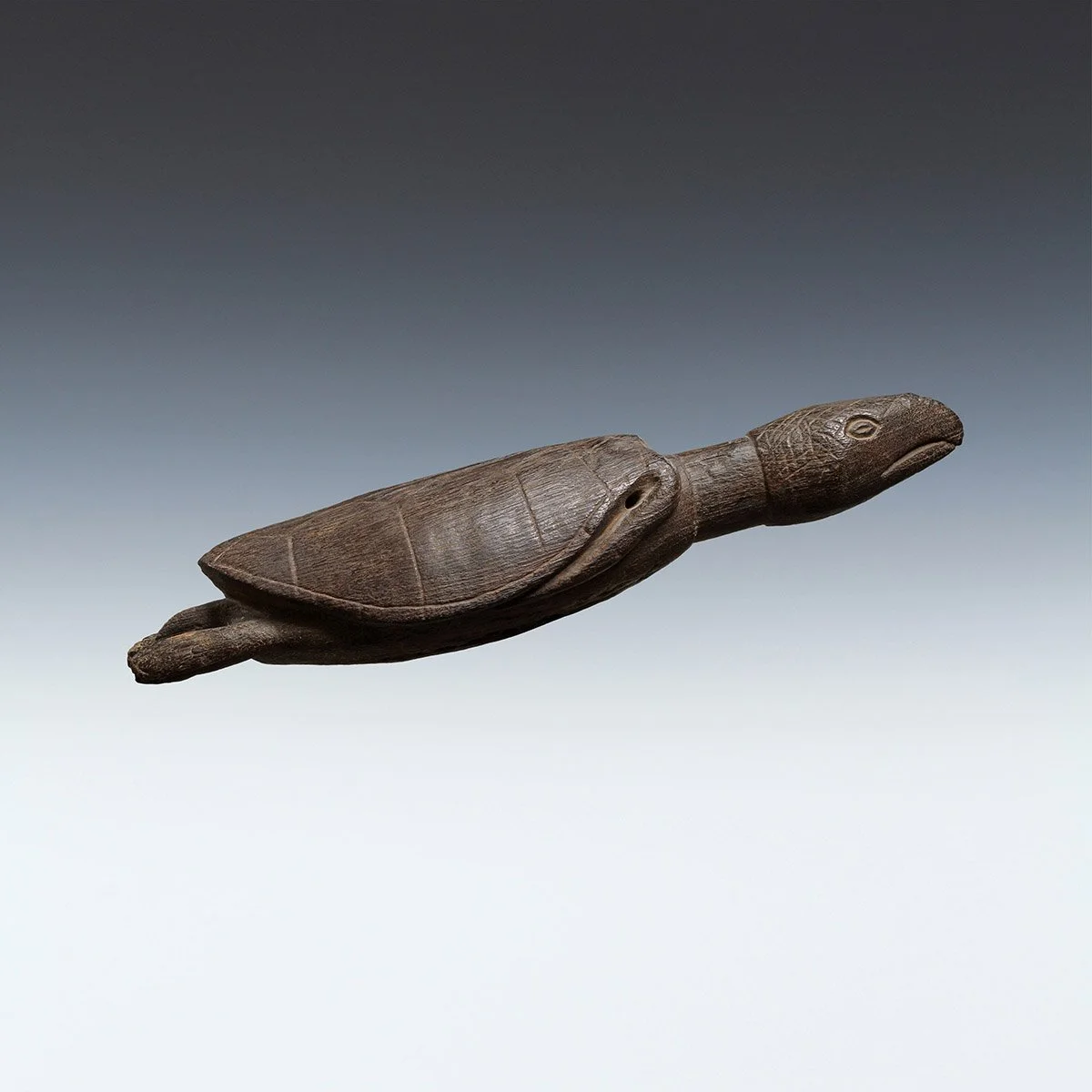 Image 2 of 11
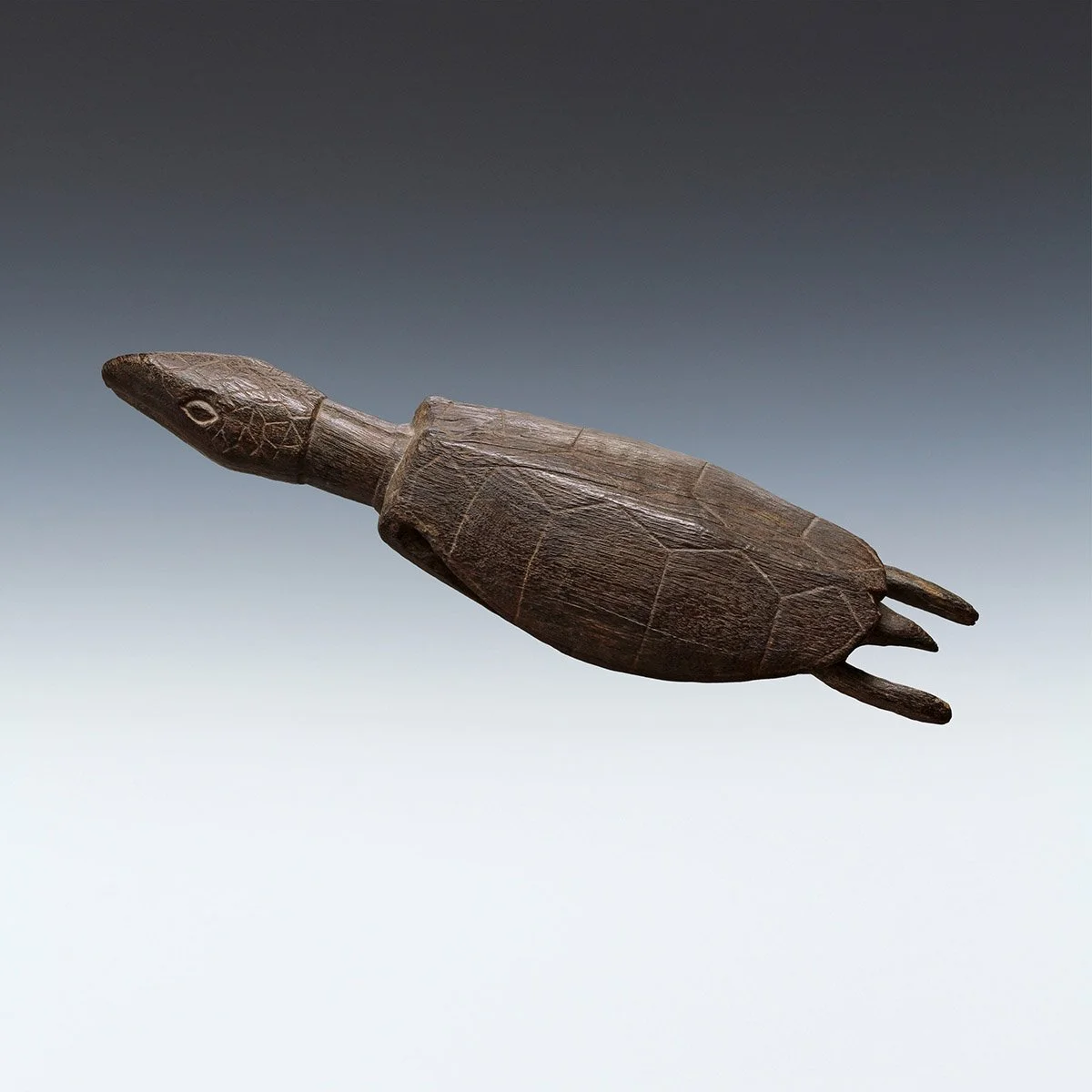 Image 3 of 11
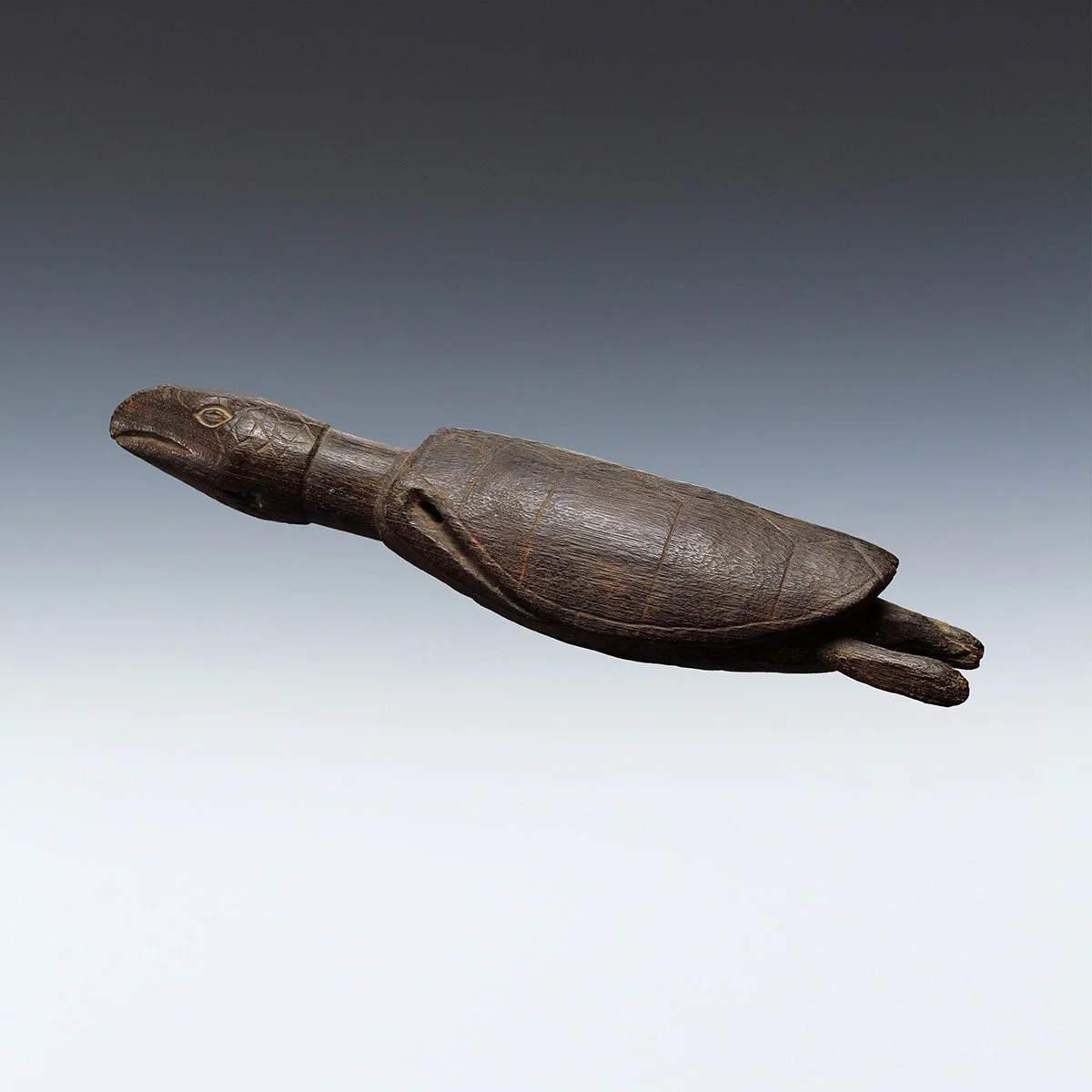 Image 4 of 11
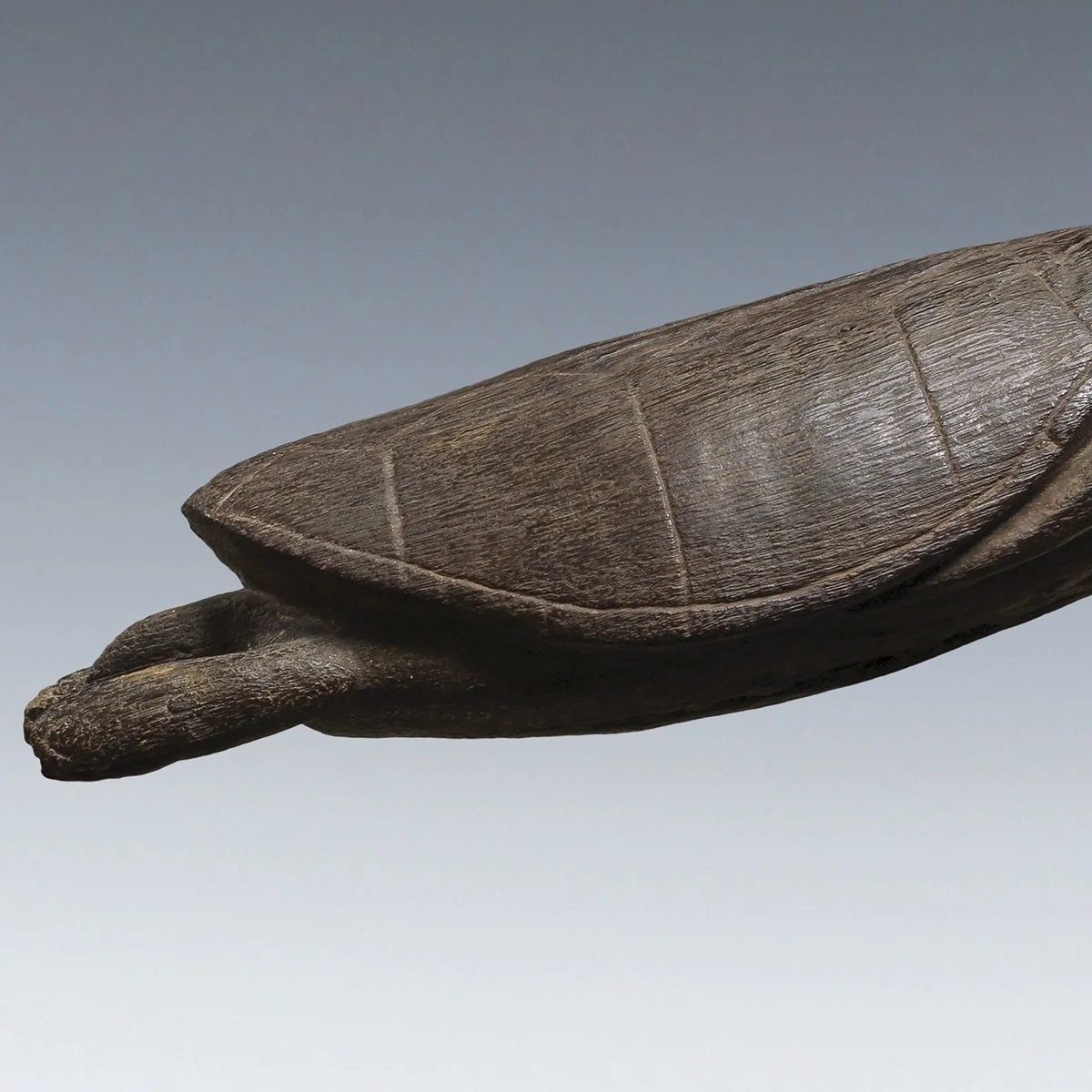 Image 5 of 11
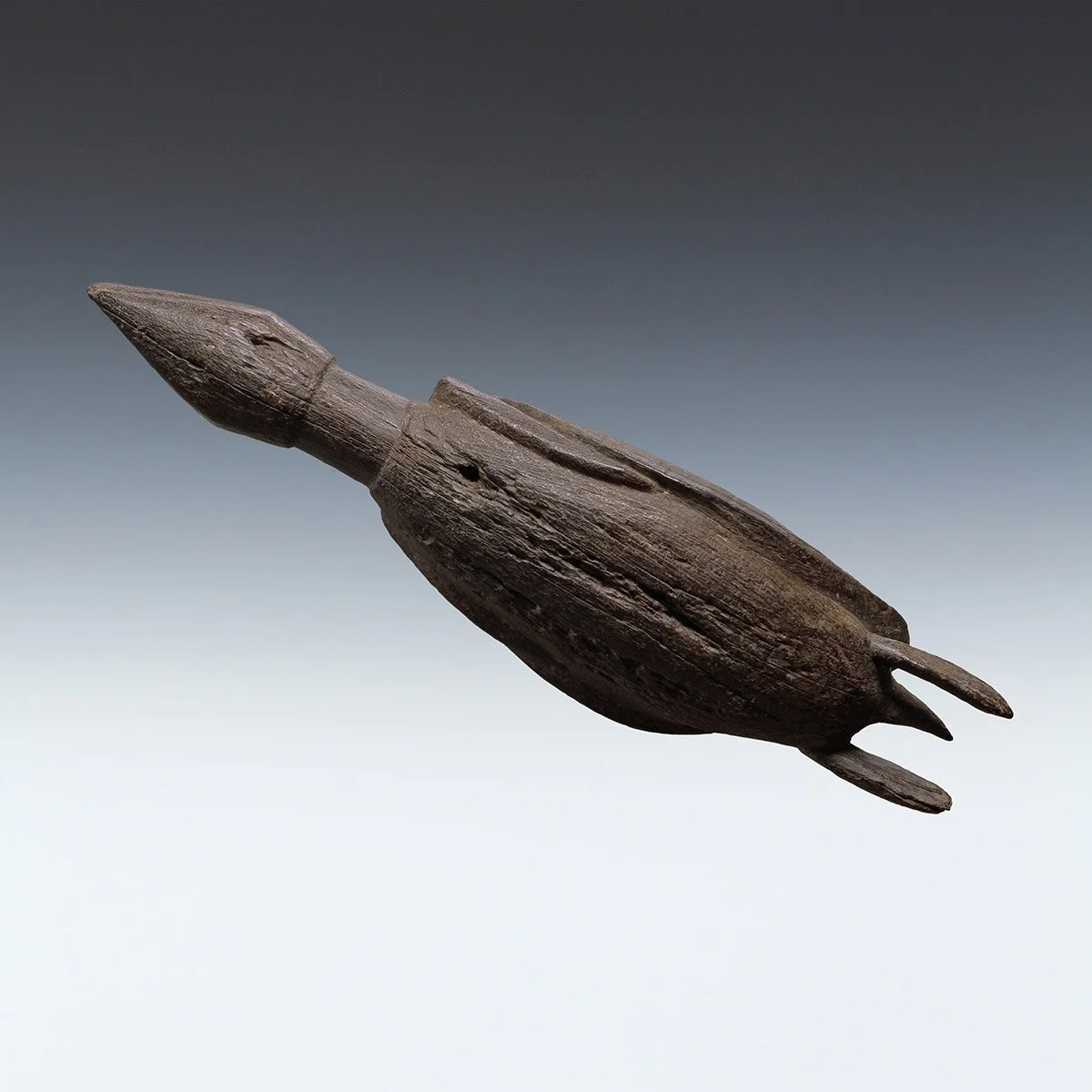 Image 6 of 11
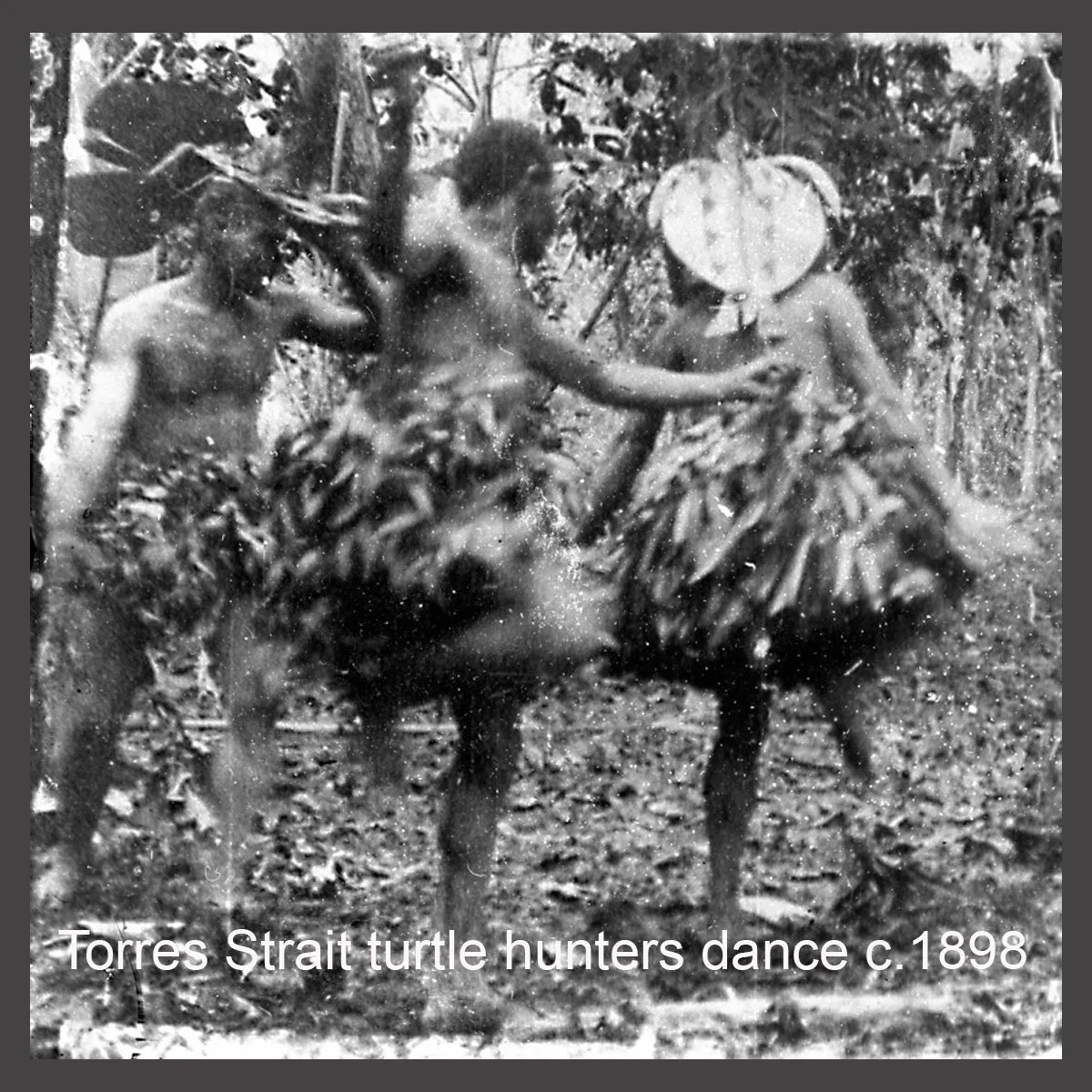 Image 7 of 11
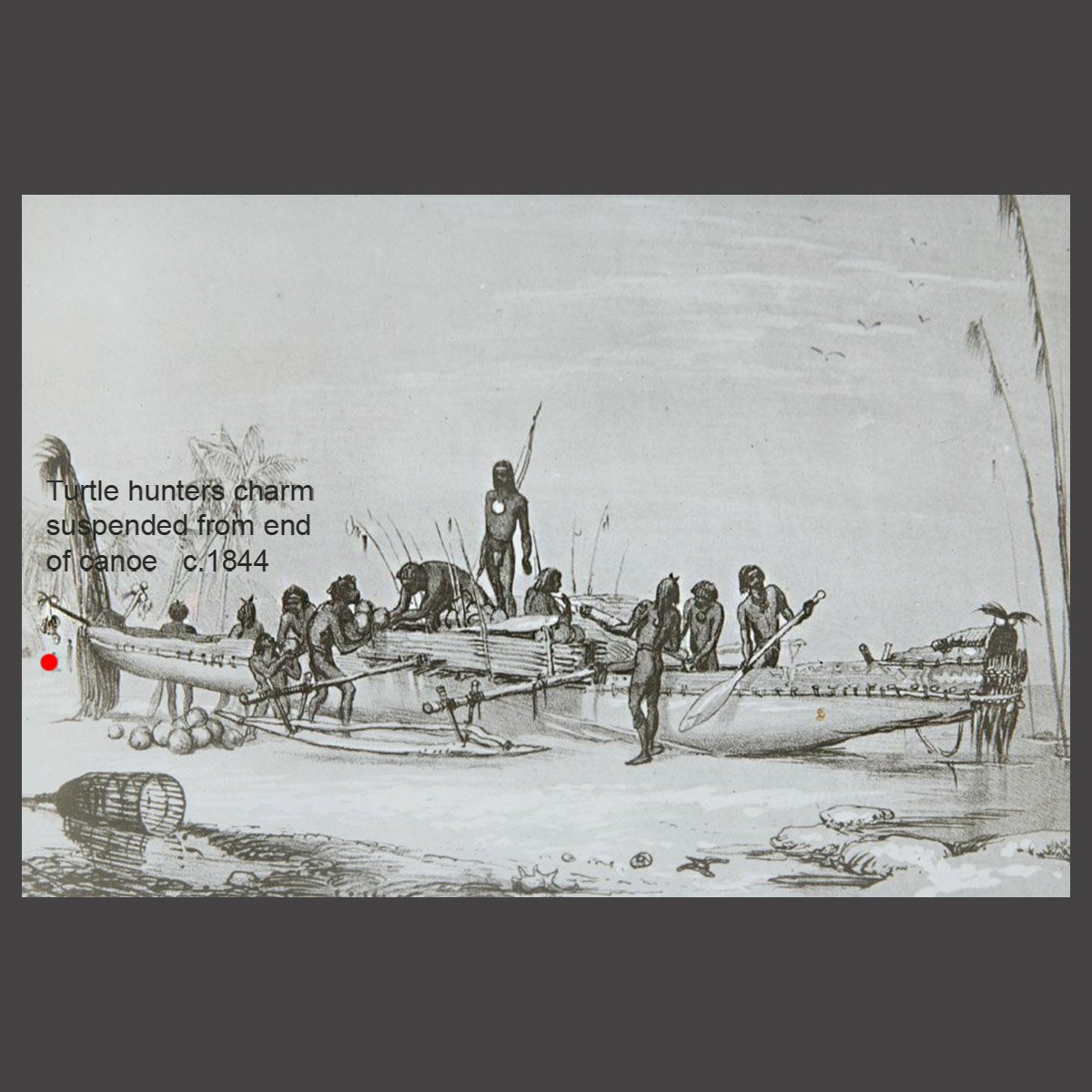 Image 8 of 11
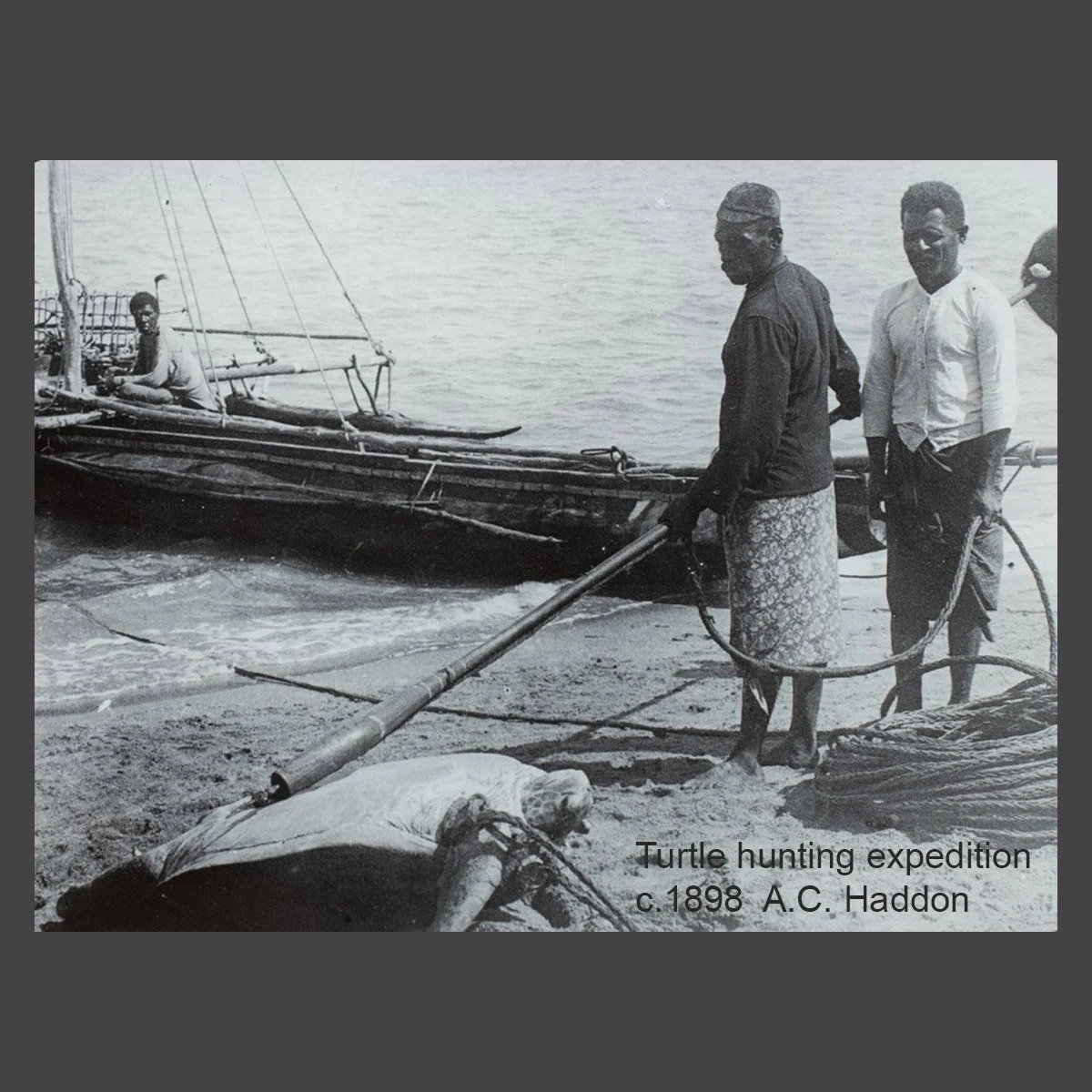 Image 9 of 11
 Image 10 of 11
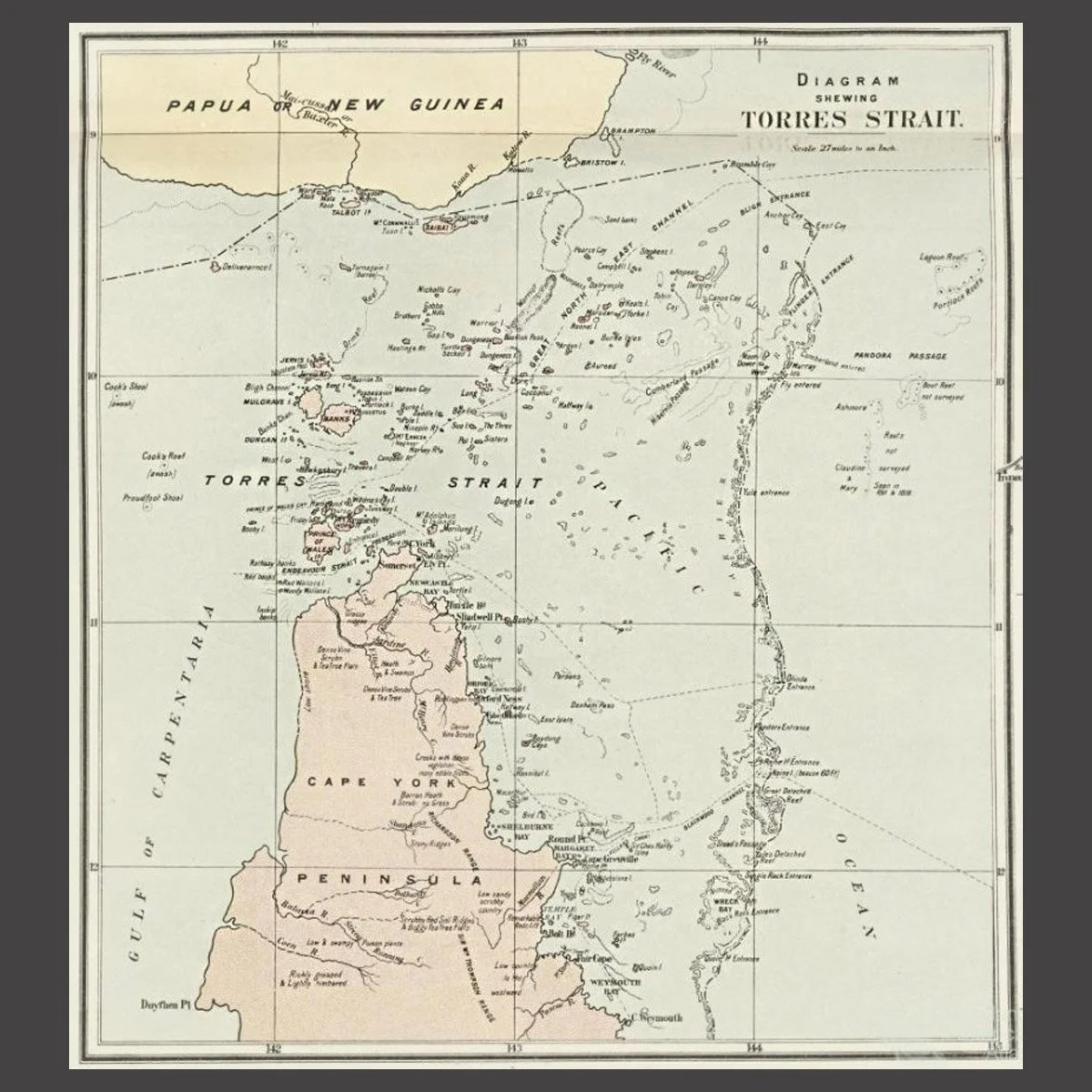 Image 11 of 11