Schouten Islands, Coastal Sepik Region, Papua New Guinea
19th century; field collected 1936
Wood, traces of ocher pigment
Height: 19¼ in (49 cm)
Provenance: Field collected in the Murik region, 1936, by Louis Pierre Ledoux; by descent to Joan Ledoux until 2015; Australian private collection
Lewa masks of the Wogeo people of the Schouten Islands appeared in ceremonial contexts connected to village spirits, food distribution, social prohibitions, and the walage ceremony, during which masked dancers made spirit presence visible to the community. Worn as the central element of an elaborate costume incorporating shell, feathers, fiber, and a conical headdress, the mask was not a static object but a performed presence — part of a wider ceremonial system involving movement, sound, and the exercise of ritual authority within the village. The pierced collar around the upper edge served to secure the costume attachments, and the hollowed interior preserves evidence of the mask's functional use as a danced object.
The face is deeply carved with a domed forehead, pronounced brow, almond-shaped eyes, and a distinctive spiral nose ornament modeled after the shell nose ornaments worn by high-ranking Wogeo men — a detail that anchors the mask's imagery within the prestige system of its community of origin. Traces of ocher pigment remain across the surface, and the wood has developed a deep, dark tone consistent with age and the handling of active ceremonial use. The field collection by Louis Pierre Ledoux in 1936, during the period of early systematic contact in the coastal Sepik region, places this mask within the first generation of objects to leave the Schouten Islands for Western collections.
Louis Pierre Ledoux was a collector with documented engagement with Pacific material during the 1930s, and the subsequent descent of this mask to Joan Ledoux over nearly eight decades before its entry into the Australian private market gives the piece one of the more complete and unbroken provenance chains available for a mask of this type. The 1936 field-collection date precedes the major disruptions to ceremonial life that followed the Second World War in the coastal Sepik region, placing the mask within the period of active use rather than post-contact production for trade. At the intersection of significant formal carving, documented early provenance, and a rare ceremonial type, this lewa mask represents the Wogeo tradition in its most fully evidenced form.
We ship free anywhere in the world, fully insured, packed by hand.
Schouten Islands, Coastal Sepik Region, Papua New Guinea
19th century; field collected 1936
Wood, traces of ocher pigment
Height: 19¼ in (49 cm)
Provenance: Field collected in the Murik region, 1936, by Louis Pierre Ledoux; by descent to Joan Ledoux until 2015; Australian private collection
Lewa masks of the Wogeo people of the Schouten Islands appeared in ceremonial contexts connected to village spirits, food distribution, social prohibitions, and the walage ceremony, during which masked dancers made spirit presence visible to the community. Worn as the central element of an elaborate costume incorporating shell, feathers, fiber, and a conical headdress, the mask was not a static object but a performed presence — part of a wider ceremonial system involving movement, sound, and the exercise of ritual authority within the village. The pierced collar around the upper edge served to secure the costume attachments, and the hollowed interior preserves evidence of the mask's functional use as a danced object.
The face is deeply carved with a domed forehead, pronounced brow, almond-shaped eyes, and a distinctive spiral nose ornament modeled after the shell nose ornaments worn by high-ranking Wogeo men — a detail that anchors the mask's imagery within the prestige system of its community of origin. Traces of ocher pigment remain across the surface, and the wood has developed a deep, dark tone consistent with age and the handling of active ceremonial use. The field collection by Louis Pierre Ledoux in 1936, during the period of early systematic contact in the coastal Sepik region, places this mask within the first generation of objects to leave the Schouten Islands for Western collections.
Louis Pierre Ledoux was a collector with documented engagement with Pacific material during the 1930s, and the subsequent descent of this mask to Joan Ledoux over nearly eight decades before its entry into the Australian private market gives the piece one of the more complete and unbroken provenance chains available for a mask of this type. The 1936 field-collection date precedes the major disruptions to ceremonial life that followed the Second World War in the coastal Sepik region, placing the mask within the period of active use rather than post-contact production for trade. At the intersection of significant formal carving, documented early provenance, and a rare ceremonial type, this lewa mask represents the Wogeo tradition in its most fully evidenced form.
We ship free anywhere in the world, fully insured, packed by hand.


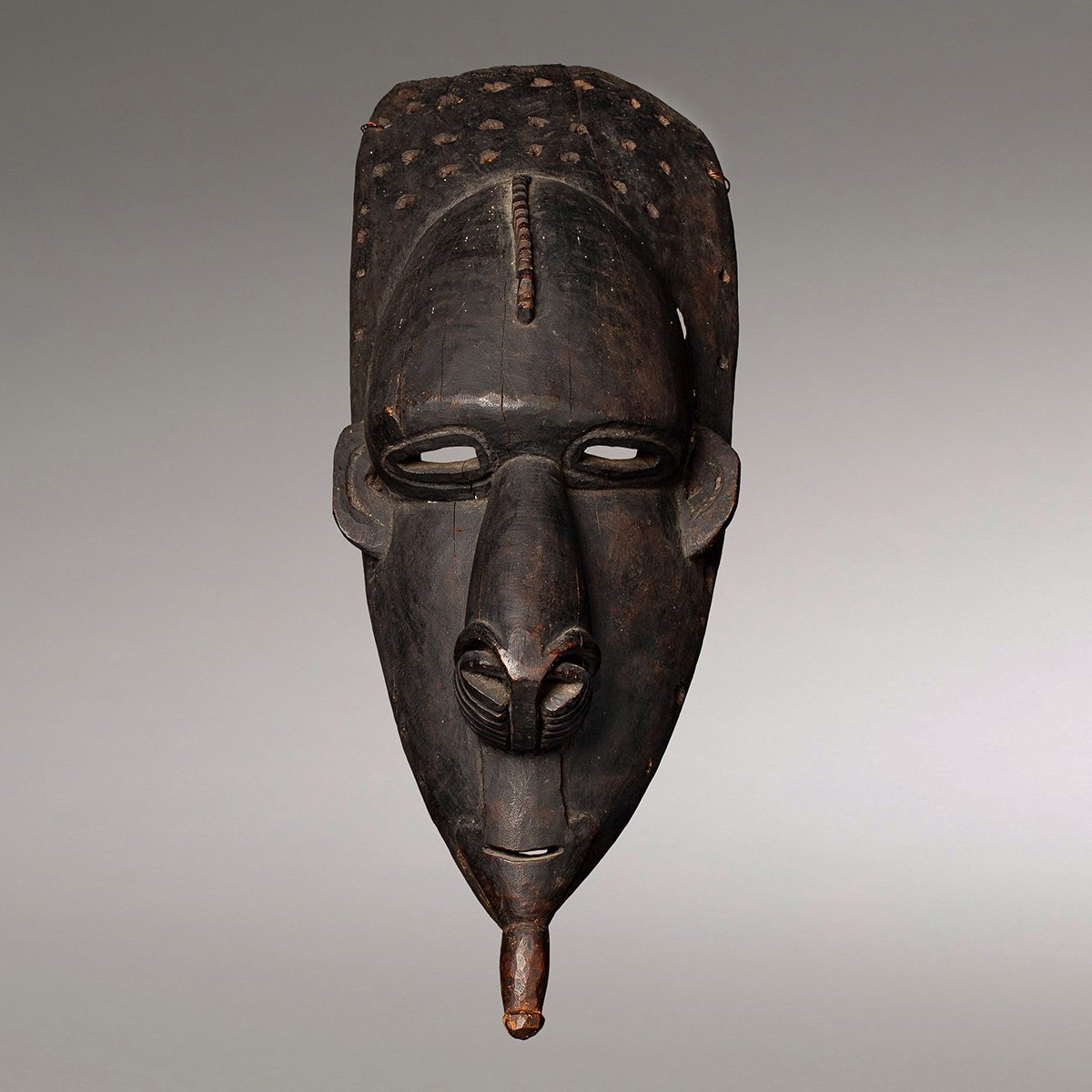 Image 1 of 9
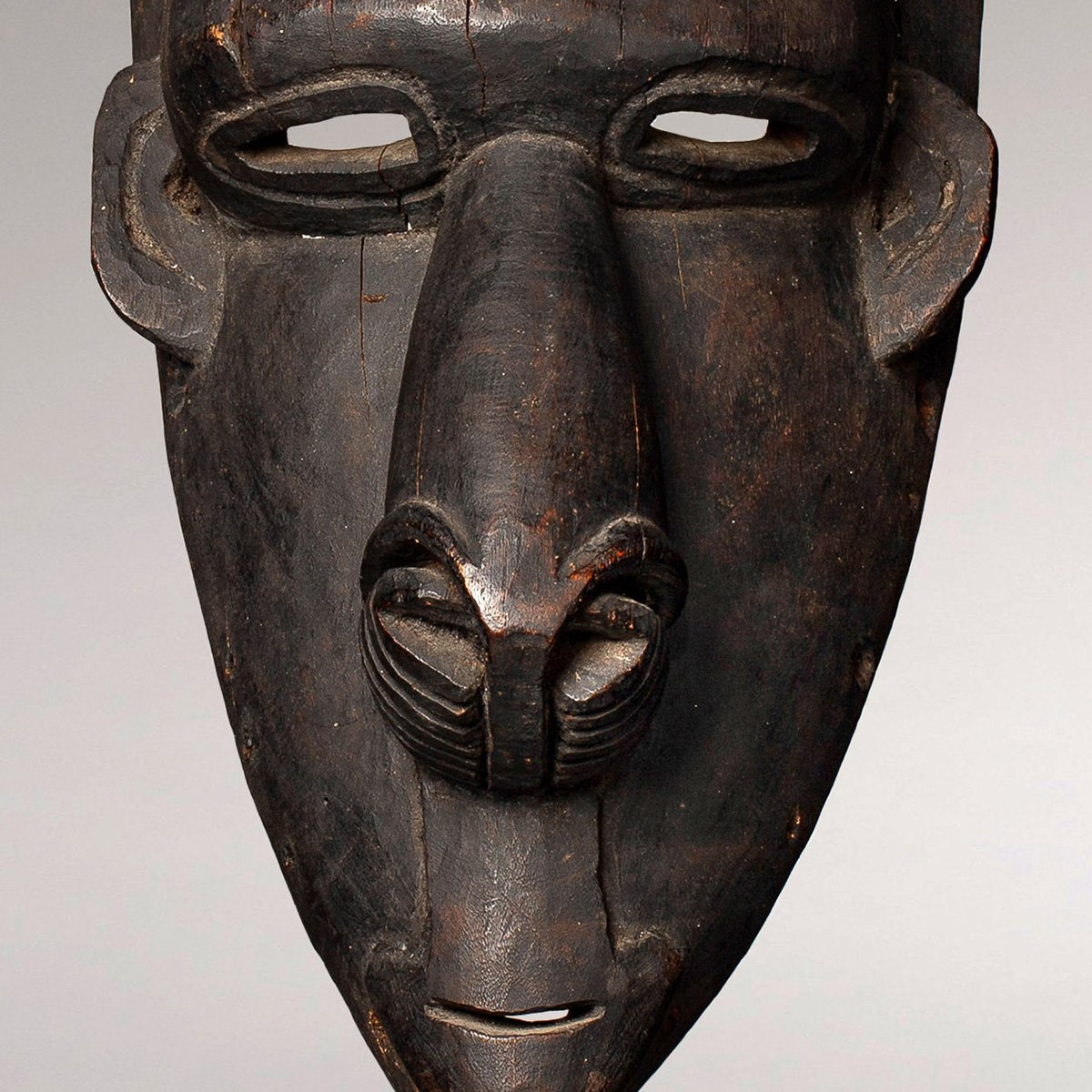 Image 2 of 9
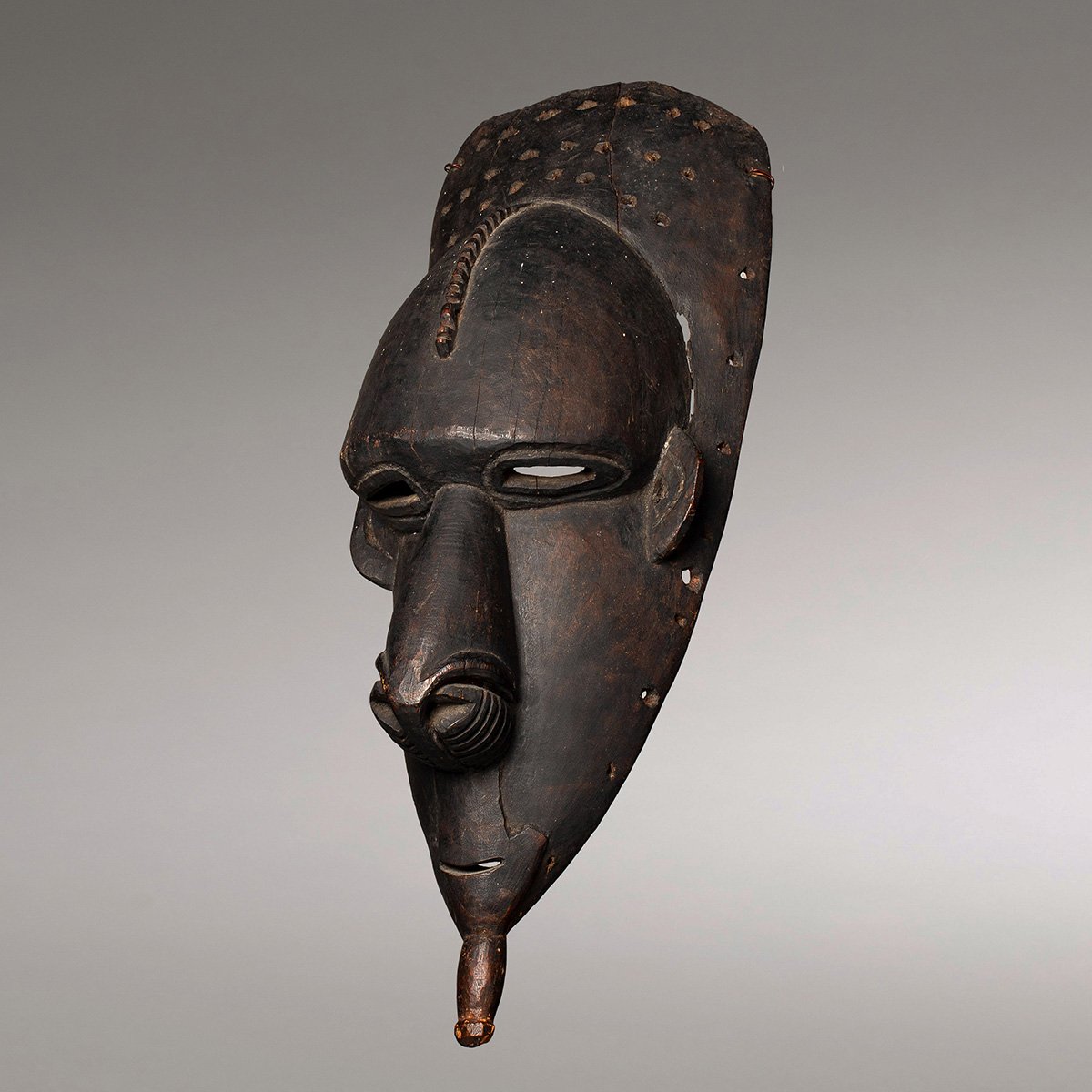 Image 3 of 9
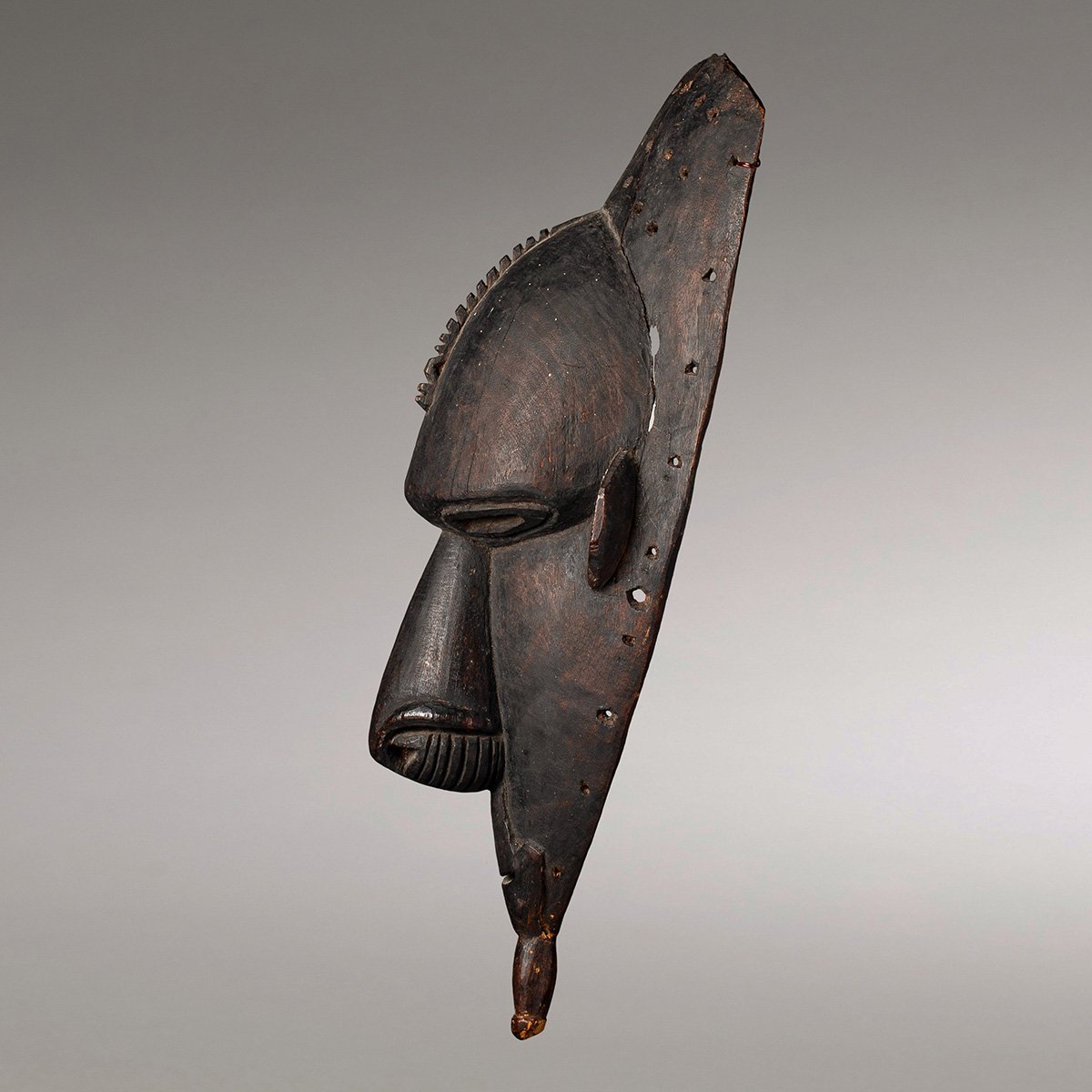 Image 4 of 9
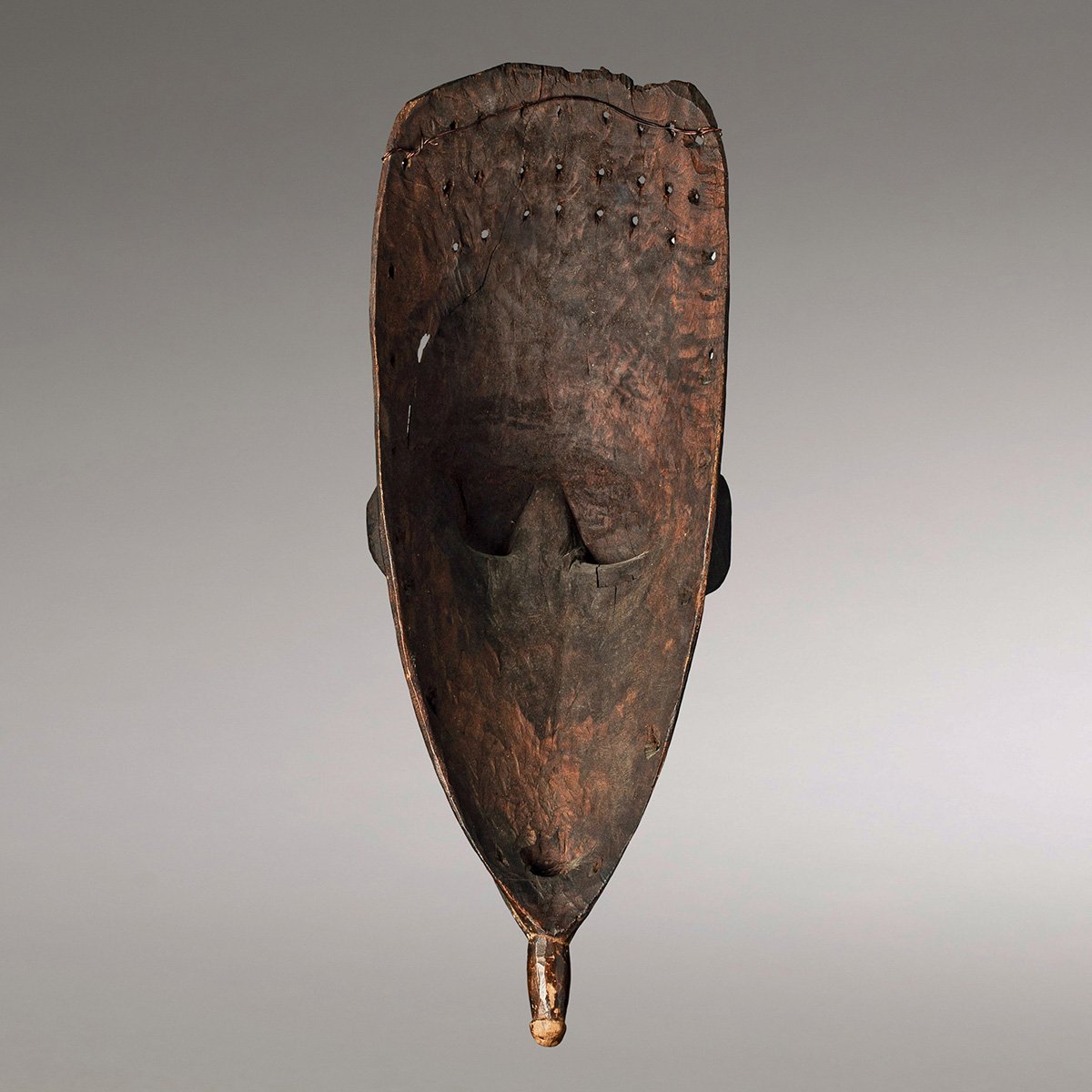 Image 5 of 9
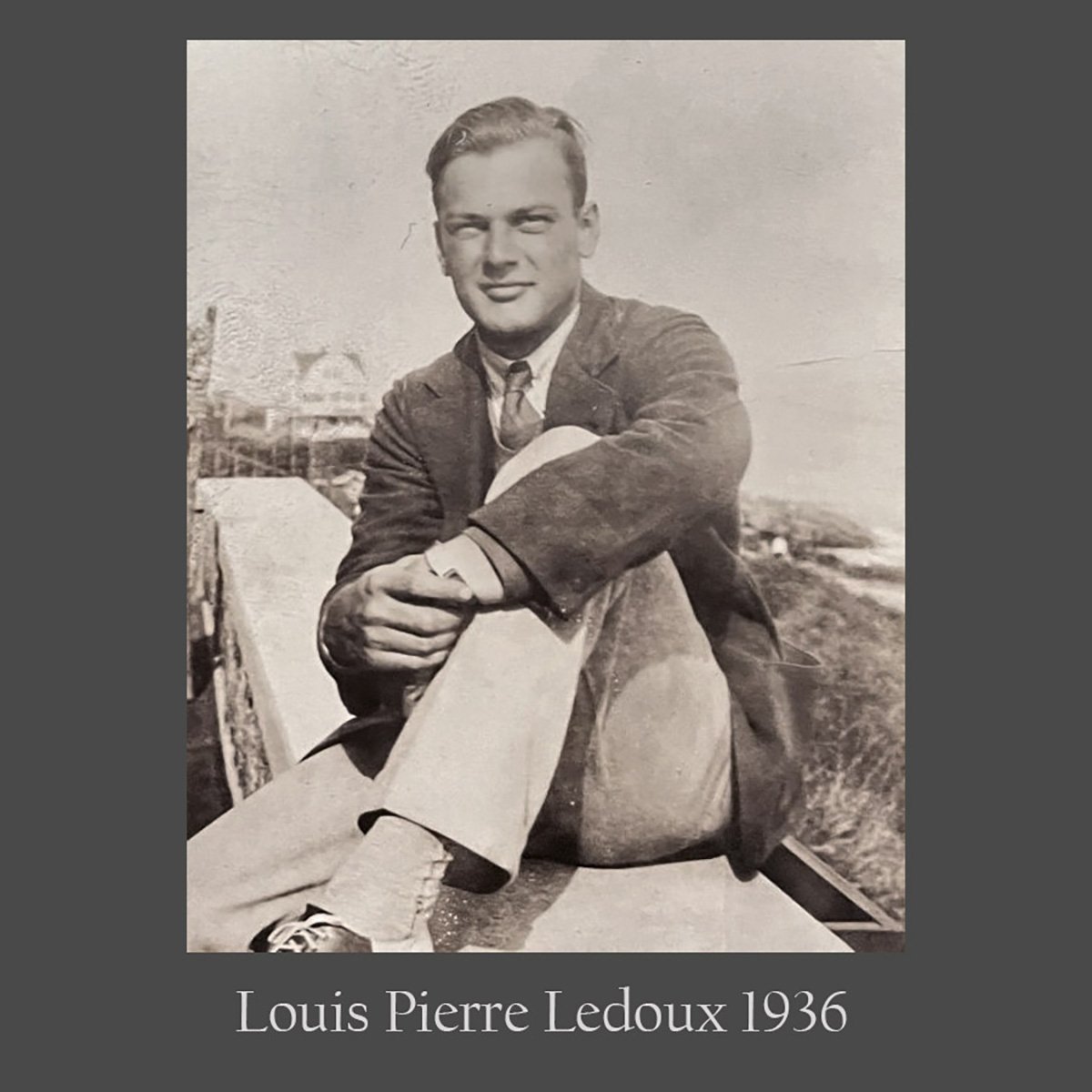 Image 6 of 9
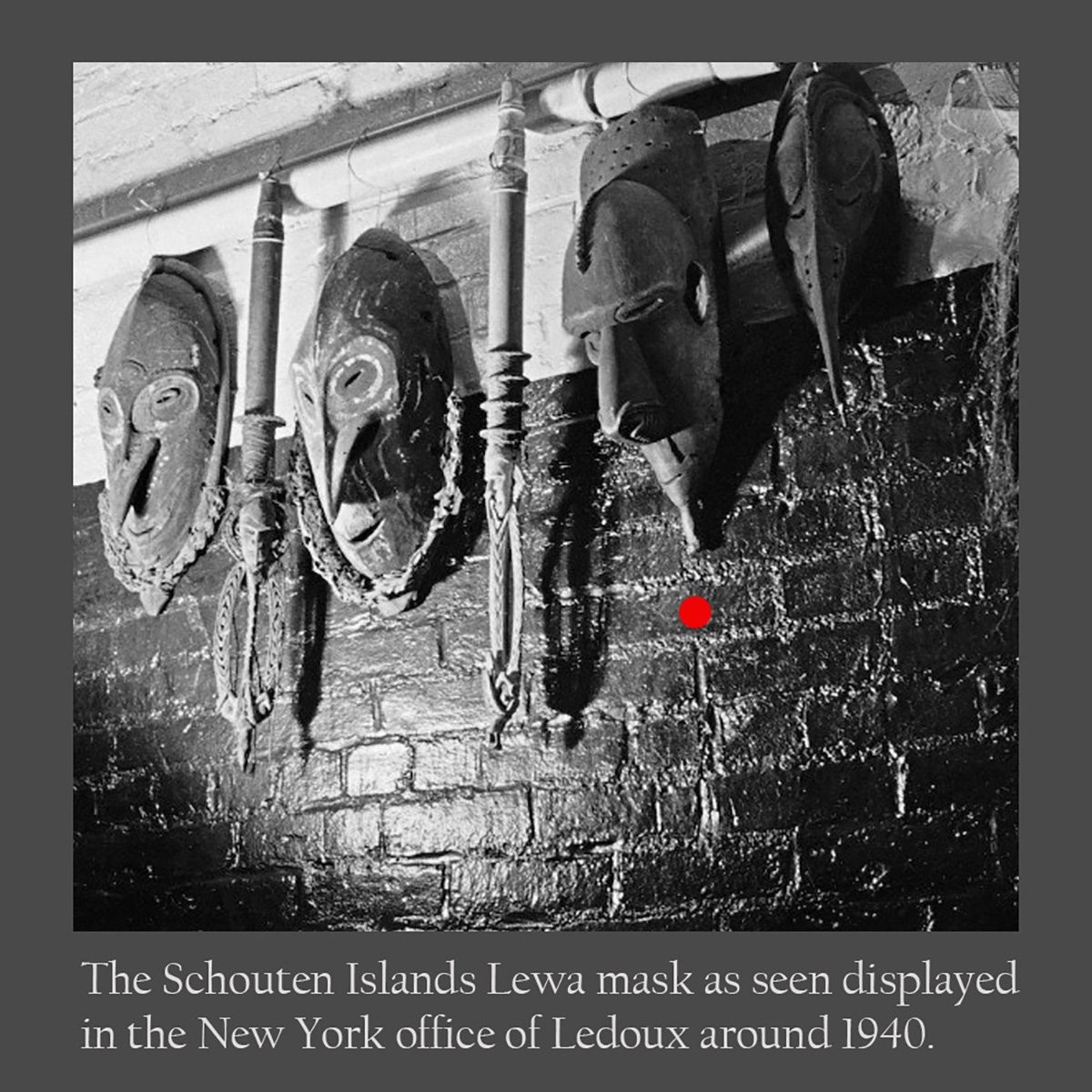 Image 7 of 9
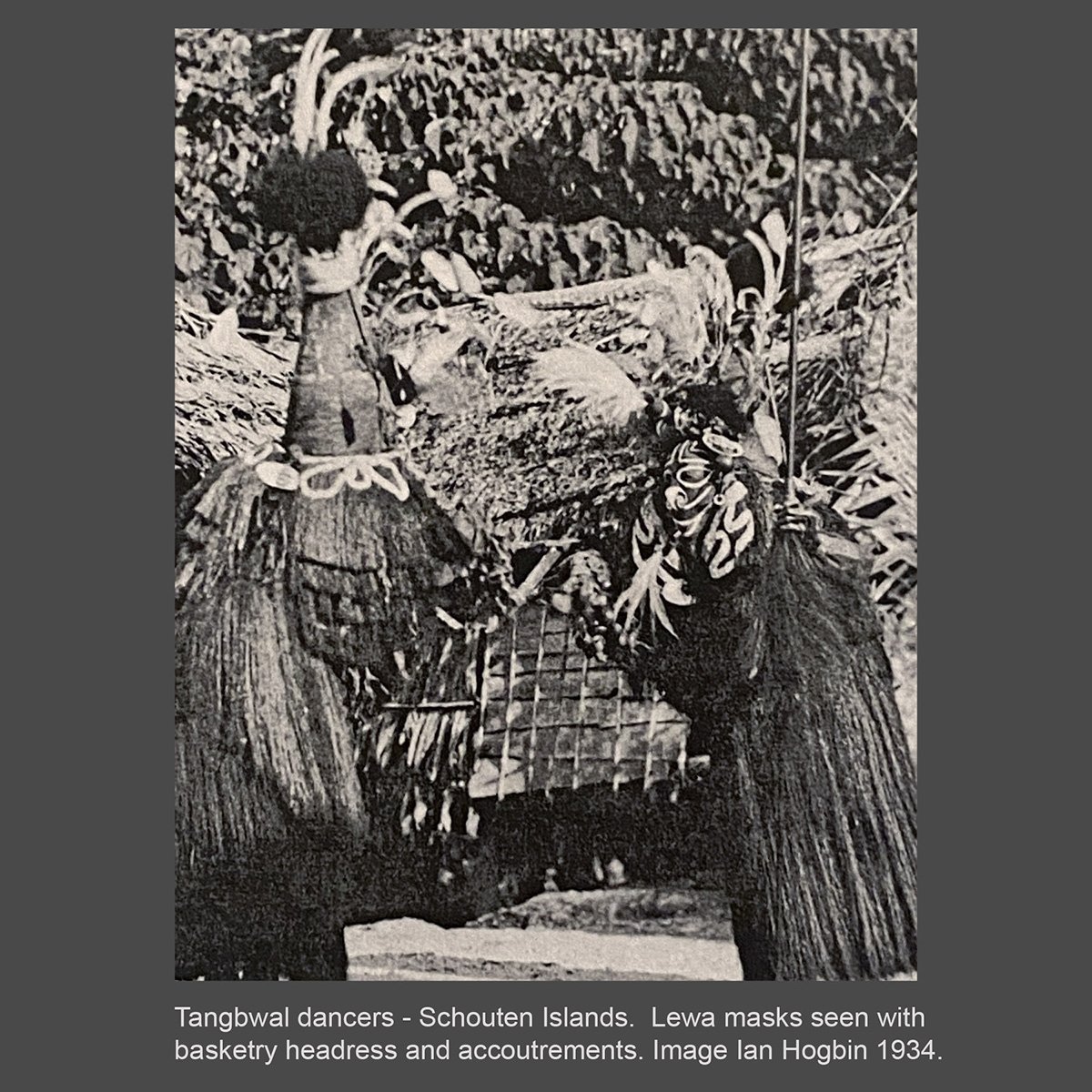 Image 8 of 9
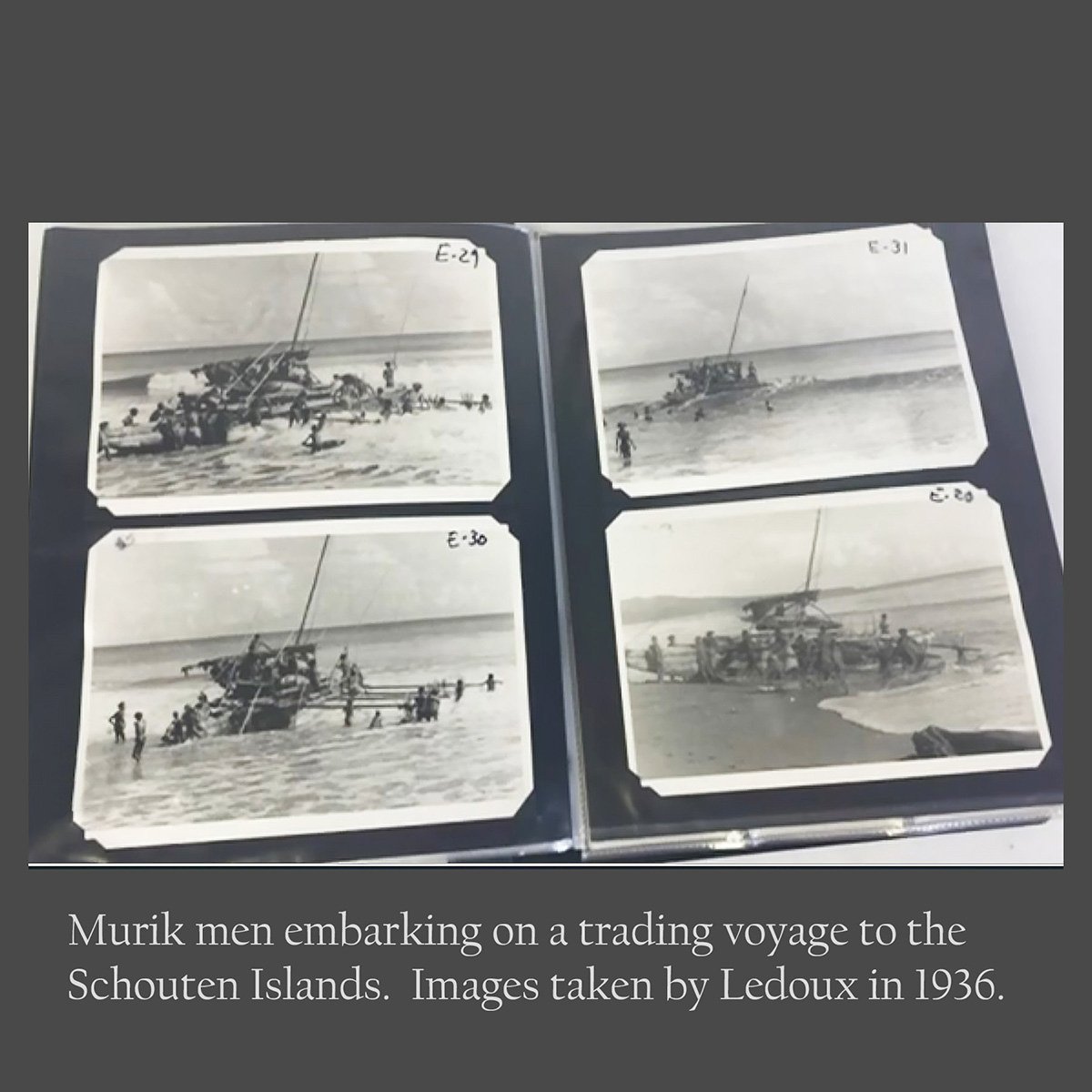 Image 9 of 9