

 Image 1 of 7
 Image 2 of 7
 Image 3 of 7
 Image 4 of 7
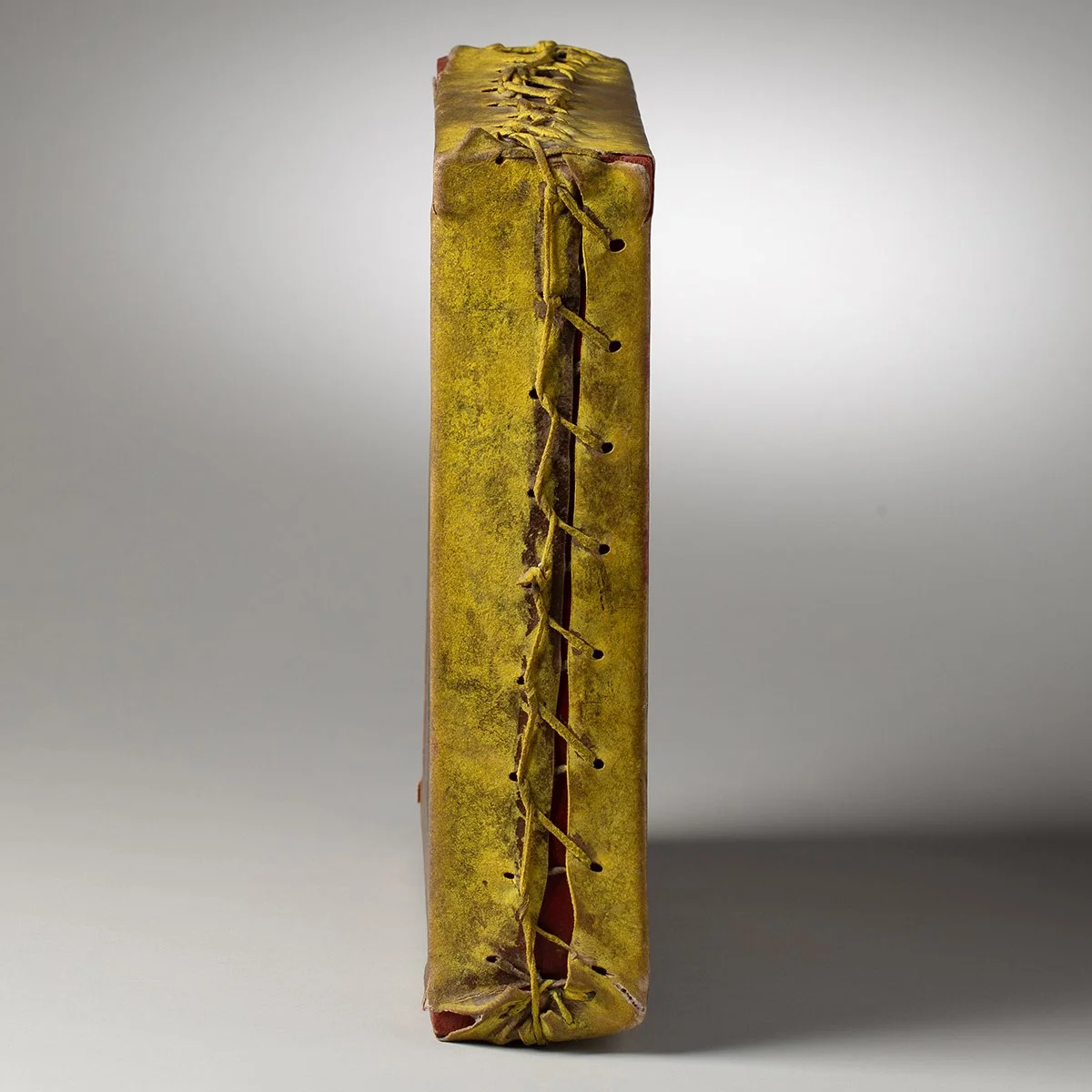 Image 5 of 7
 Image 6 of 7
 Image 7 of 7
Yanktonai Lakota Hand Drum, Painted Hide, Dakotas
Yanktonai Lakota, Dakotas
1860s
Hide, wood, pigment
12 3/4" x 12 3/4" (32.4 x 32.4 cm)
Provenance: Private East Coast collection
Hand drums occupied a central place in Lakota ceremonial and spiritual life, used in prayer, healing, and community gatherings to maintain the rhythmic foundation of song and dance through which the people communicated with the spirit world. The Yanktonai Lakota, following the 1862 Minnesota conflict known as the Dakota War, made treaties with the United States and settled at Fort Peck, home today to the Assiniboine and Sioux, with the Upper Yanktonai settling mostly at Standing Rock Reservation where Sitting Bull and his people also lived. Drums of this type from the 1860s represent the period immediately following these upheavals, when material culture production continued within communities under severe pressure from outside forces.
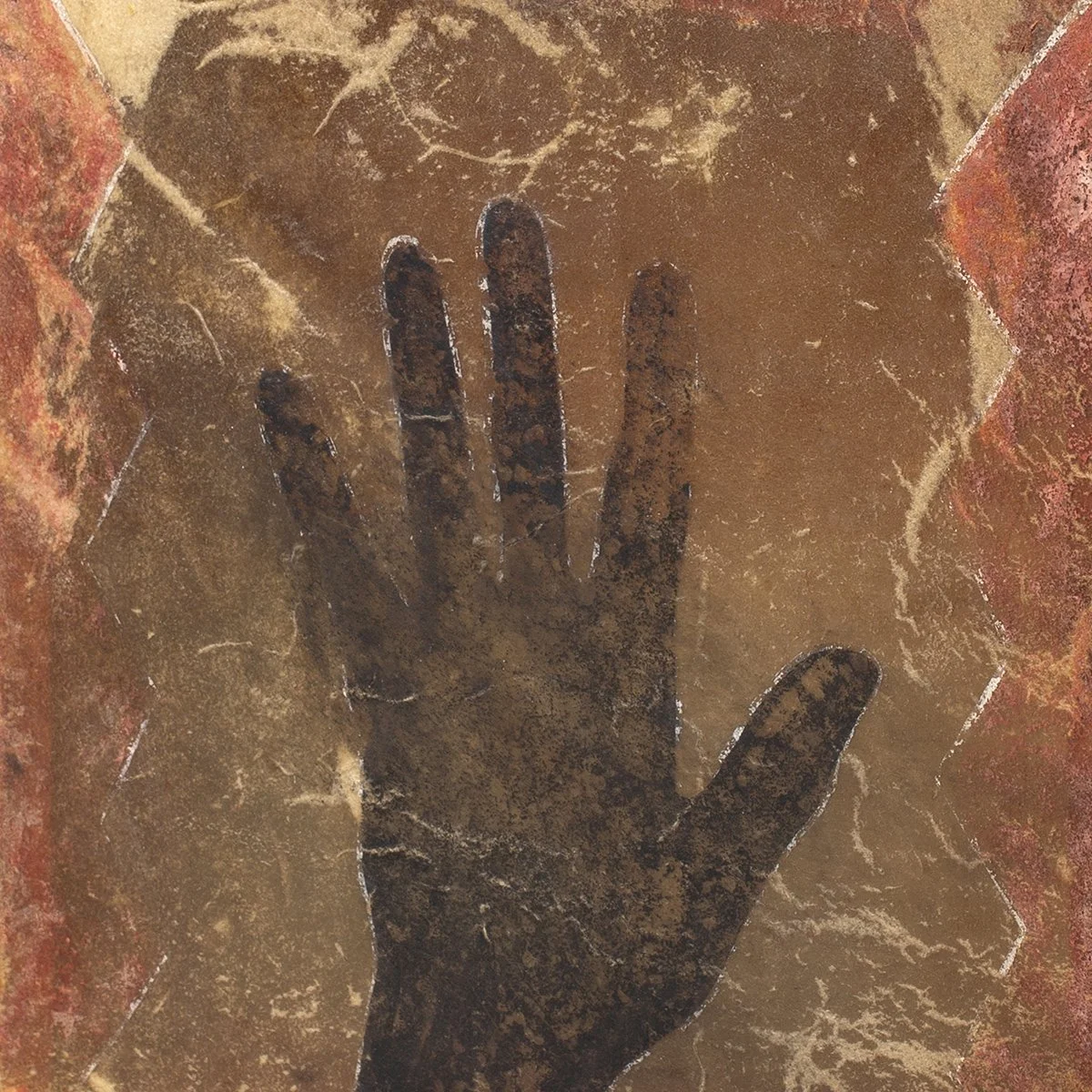
This drum is painted on hide with a hand motif in dark pigment against an ochre and red ground, with yellow and red painted framing at the rim consistent with Plains ceremonial drum decoration of the period. The hand is one of the most significant symbols in Plains pictorial tradition, associated with warfare, counting coup, and individual identity, its placement on a ceremonial drum giving it particular spiritual weight. Provenance traces to a private East Coast collection.
We ship free anywhere in the world, fully insured, packed by hand.
Yanktonai Lakota, Dakotas
1860s
Hide, wood, pigment
12 3/4" x 12 3/4" (32.4 x 32.4 cm)
Provenance: Private East Coast collection
Hand drums occupied a central place in Lakota ceremonial and spiritual life, used in prayer, healing, and community gatherings to maintain the rhythmic foundation of song and dance through which the people communicated with the spirit world. The Yanktonai Lakota, following the 1862 Minnesota conflict known as the Dakota War, made treaties with the United States and settled at Fort Peck, home today to the Assiniboine and Sioux, with the Upper Yanktonai settling mostly at Standing Rock Reservation where Sitting Bull and his people also lived. Drums of this type from the 1860s represent the period immediately following these upheavals, when material culture production continued within communities under severe pressure from outside forces.
This drum is painted on hide with a hand motif in dark pigment against an ochre and red ground, with yellow and red painted framing at the rim consistent with Plains ceremonial drum decoration of the period. The hand is one of the most significant symbols in Plains pictorial tradition, associated with warfare, counting coup, and individual identity, its placement on a ceremonial drum giving it particular spiritual weight. Provenance traces to a private East Coast collection.
We ship free anywhere in the world, fully insured, packed by hand.