Australia
Early to Mid-19th century
Hardwood (Mulga, Gidgee, Black Wattle, and Ironwood species)
Length: 27.5 to 30.25 inches (70 to 77 cm)
Provenance: English private collection
Aboriginal wooden clubs which were known regionally as waddy, nulla-nulla, and lil-lil, were carved from among the densest hardwoods available on the Australian continent, including Mulga, Gidgee, Black Wattle, and Ironwood. Each of the five clubs in this group reflects a distinct regional form, ranging from heavy bulbous heads designed for high-impact force to pointed or flattened profiles that could serve dual roles in combat and parrying. The variation across the group documents the breadth of Aboriginal woodworking traditions across different geographic communities.
The carving of each club required considerable skill, with makers selecting timber for its density and grain before shaping heads, handles, and incised surface decoration by hand. Several clubs in this group retain incised geometric patterns along the shaft, a convention that carried ancestral and tribal meaning beyond mere ornamentation. The quality of execution across all five pieces reflects experienced hands working within established craft traditions.
Aboriginal clubs held significance well beyond their function as weapons, serving as markers of status, instruments of ceremonial justice, and objects through which grievances could be formally resolved before community elders. Disciplined duels governed by social protocol which were often aimed at achieving ritualized first blood rather than lethal outcome, placed these objects at the center of conflict resolution and communal order. Together, this group of five offers a concentrated view of form, function, and cultural meaning within 19th-century Aboriginal material culture.
To read more from Mark about each individual club, click here
We ship free anywhere in the world, fully insured, packed by hand.
Australia
Early to Mid-19th century
Hardwood (Mulga, Gidgee, Black Wattle, and Ironwood species)
Length: 27.5 to 30.25 inches (70 to 77 cm)
Provenance: English private collection
Aboriginal wooden clubs which were known regionally as waddy, nulla-nulla, and lil-lil, were carved from among the densest hardwoods available on the Australian continent, including Mulga, Gidgee, Black Wattle, and Ironwood. Each of the five clubs in this group reflects a distinct regional form, ranging from heavy bulbous heads designed for high-impact force to pointed or flattened profiles that could serve dual roles in combat and parrying. The variation across the group documents the breadth of Aboriginal woodworking traditions across different geographic communities.
The carving of each club required considerable skill, with makers selecting timber for its density and grain before shaping heads, handles, and incised surface decoration by hand. Several clubs in this group retain incised geometric patterns along the shaft, a convention that carried ancestral and tribal meaning beyond mere ornamentation. The quality of execution across all five pieces reflects experienced hands working within established craft traditions.
Aboriginal clubs held significance well beyond their function as weapons, serving as markers of status, instruments of ceremonial justice, and objects through which grievances could be formally resolved before community elders. Disciplined duels governed by social protocol which were often aimed at achieving ritualized first blood rather than lethal outcome, placed these objects at the center of conflict resolution and communal order. Together, this group of five offers a concentrated view of form, function, and cultural meaning within 19th-century Aboriginal material culture.
To read more from Mark about each individual club, click here
We ship free anywhere in the world, fully insured, packed by hand.


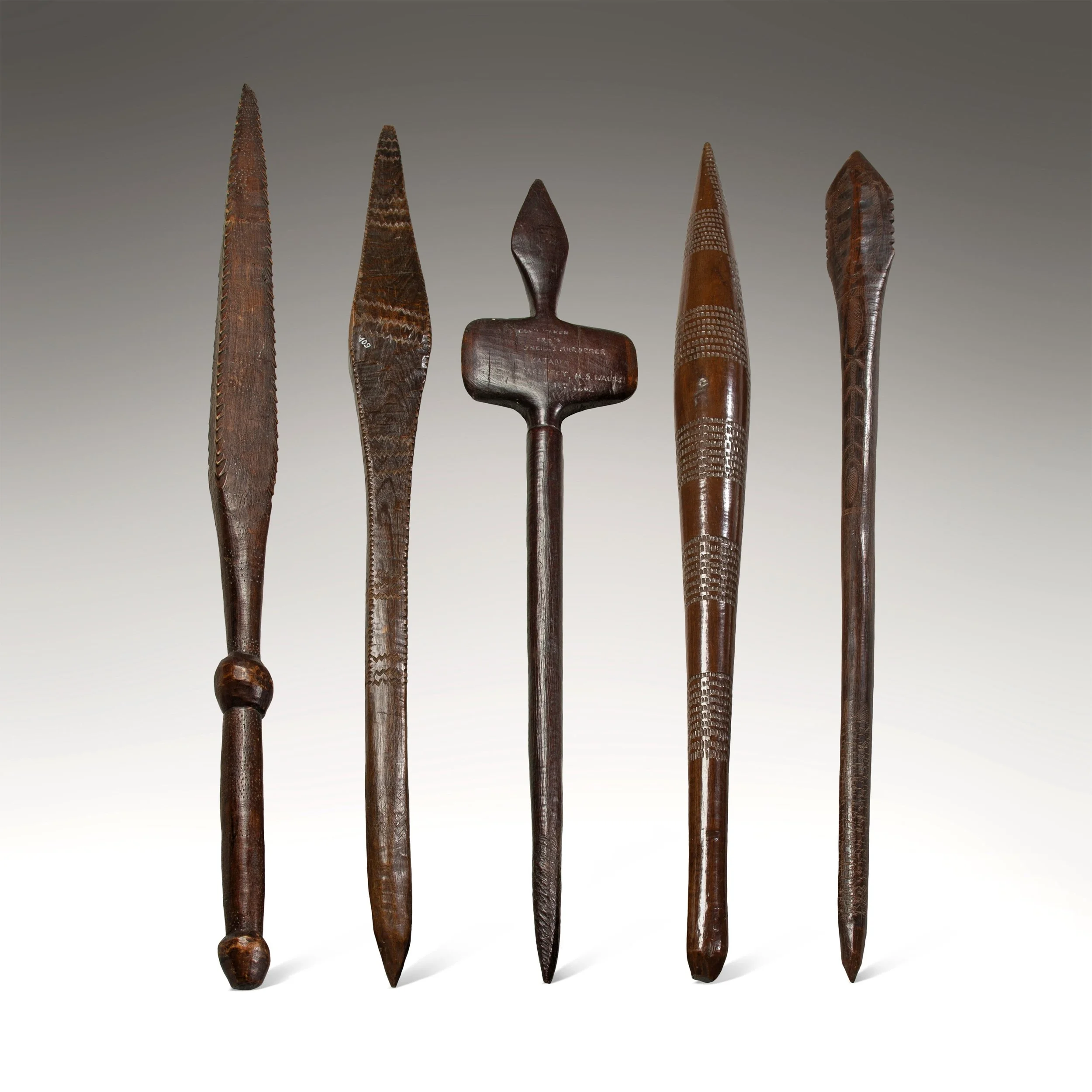 Image 1 of 9
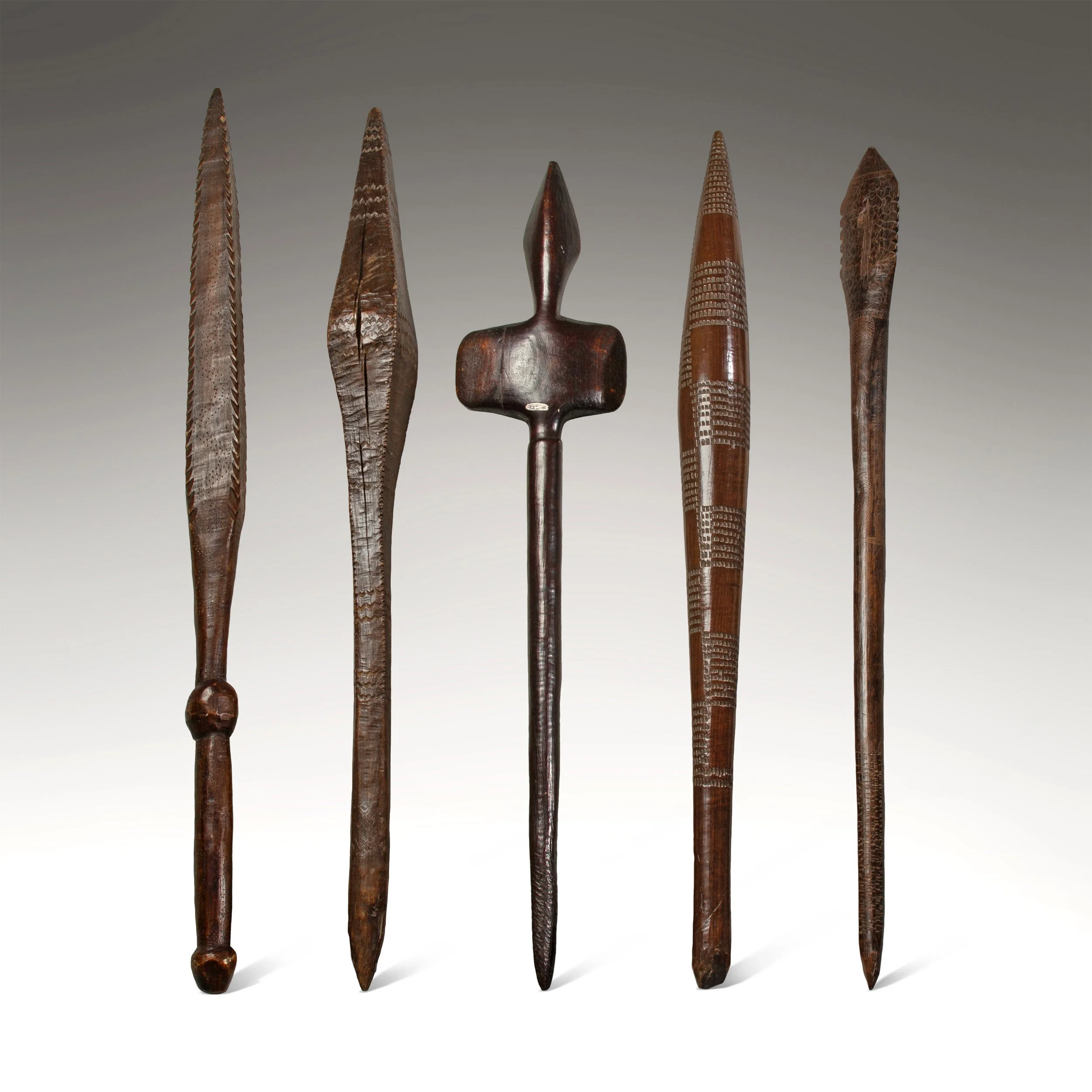 Image 2 of 9
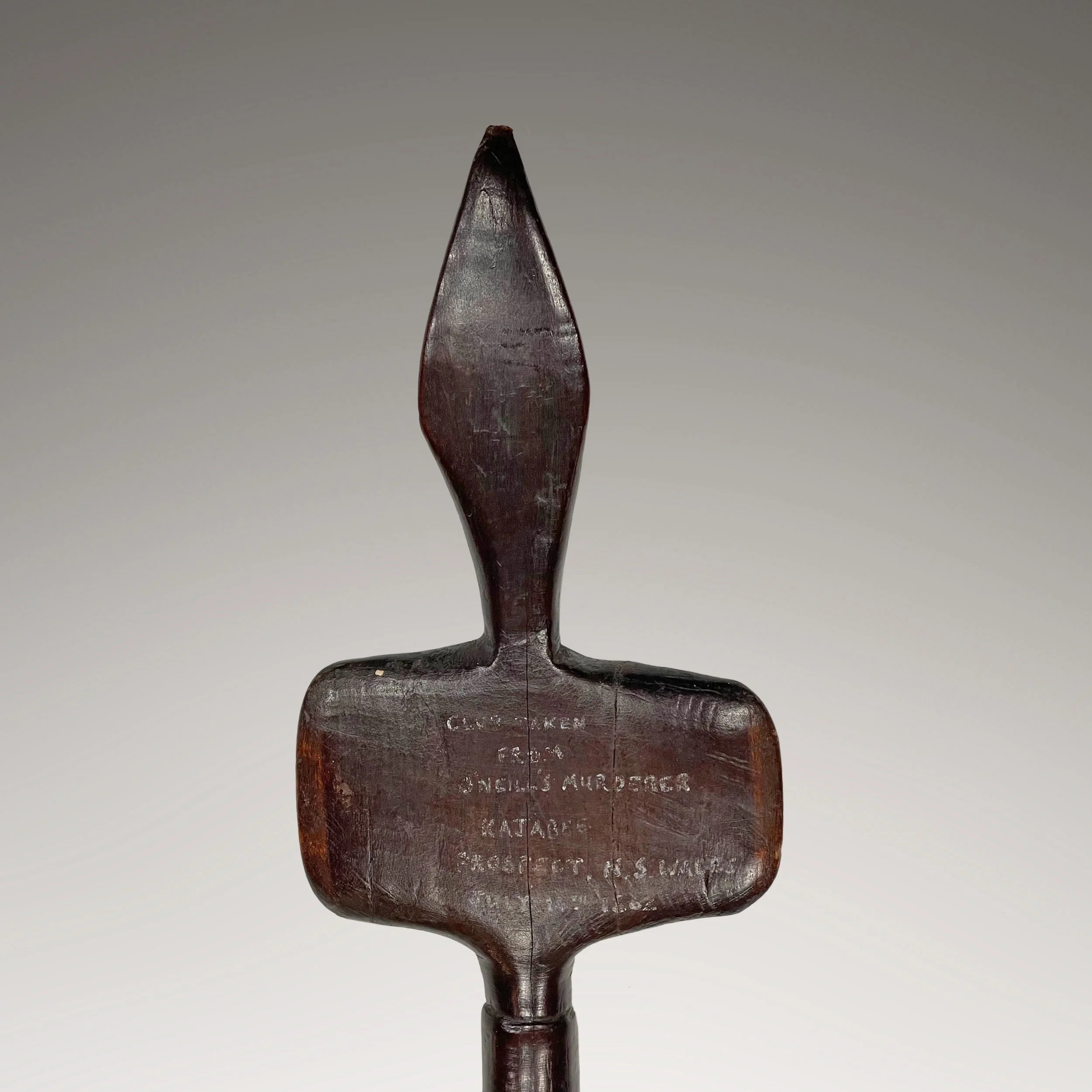 Image 3 of 9
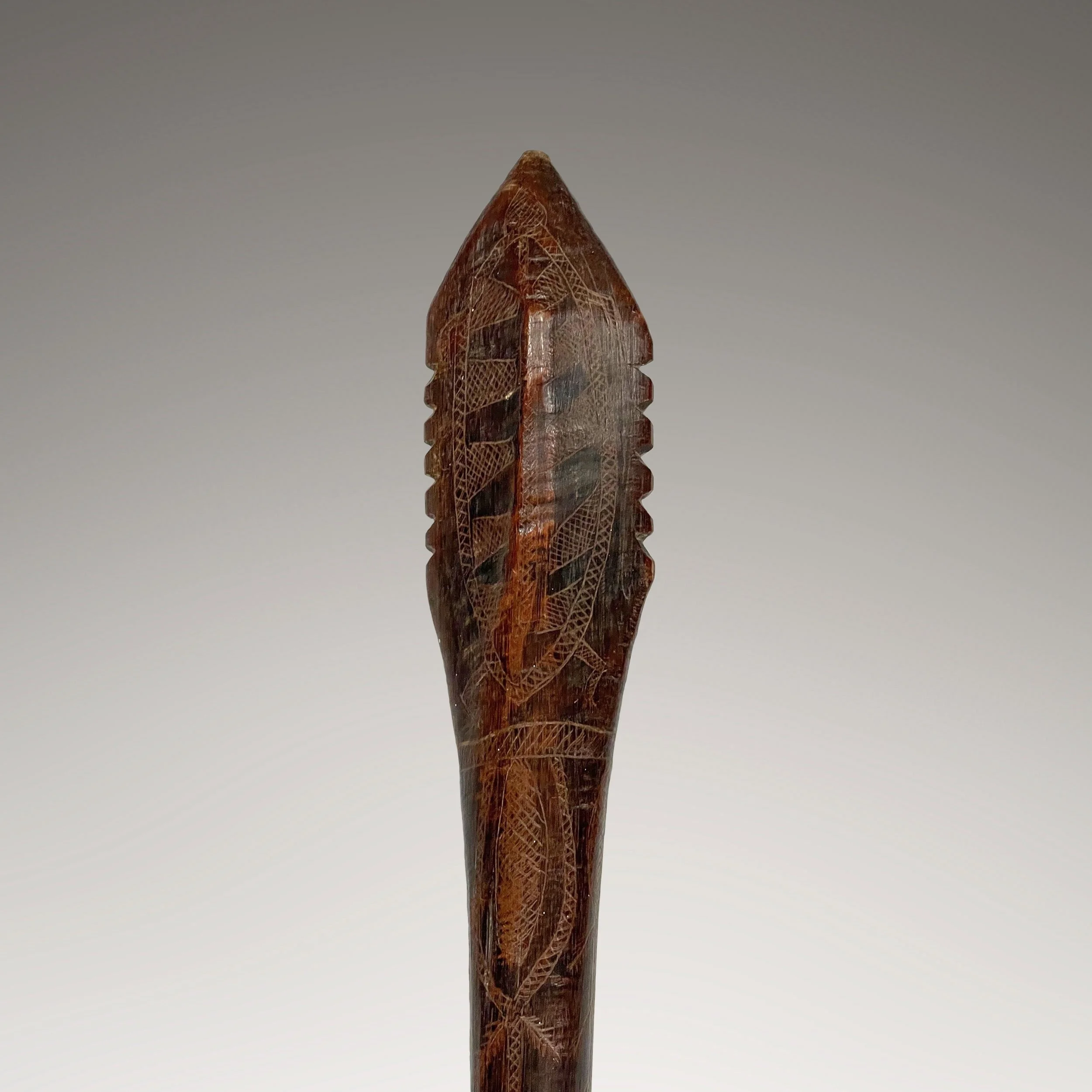 Image 4 of 9
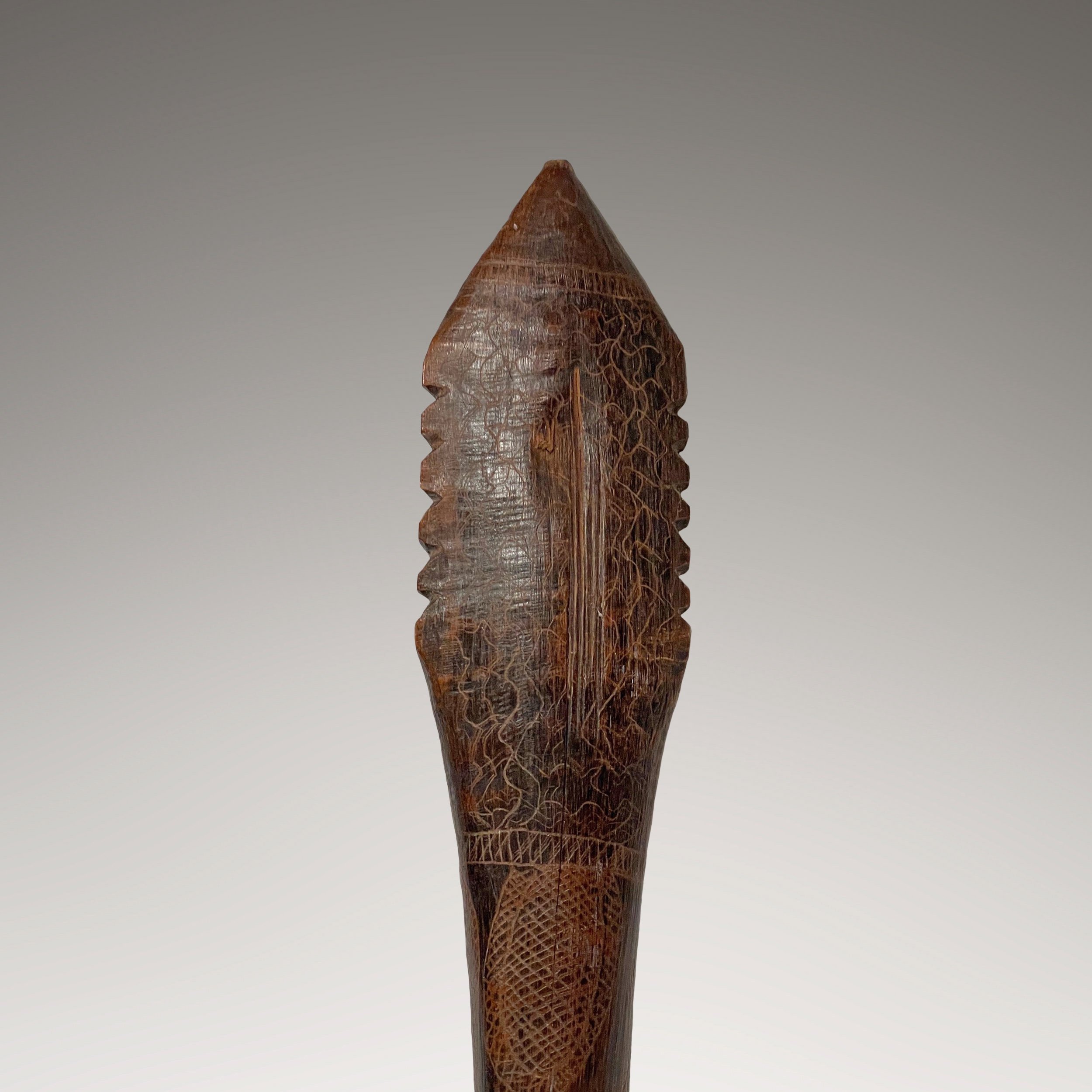 Image 5 of 9
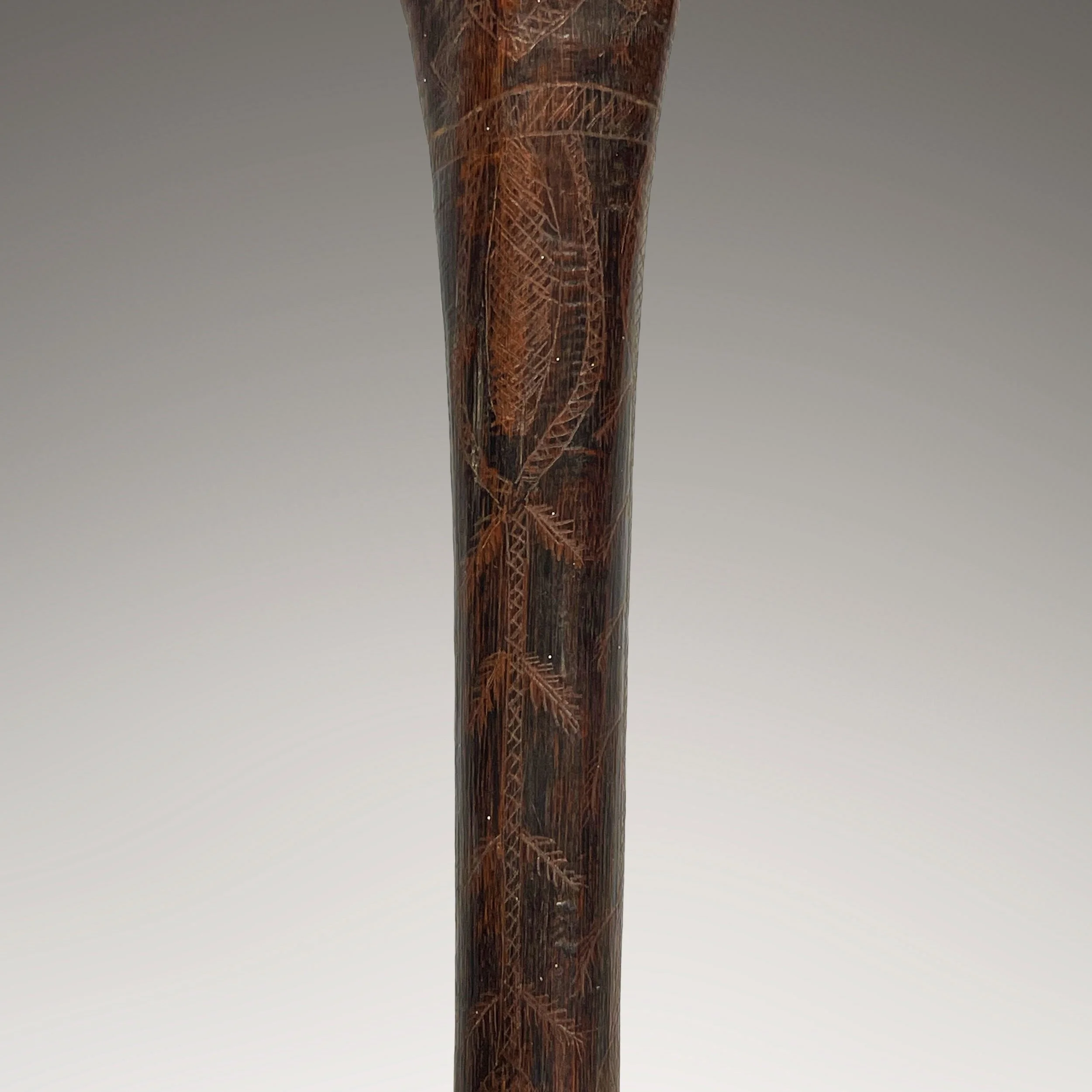 Image 6 of 9
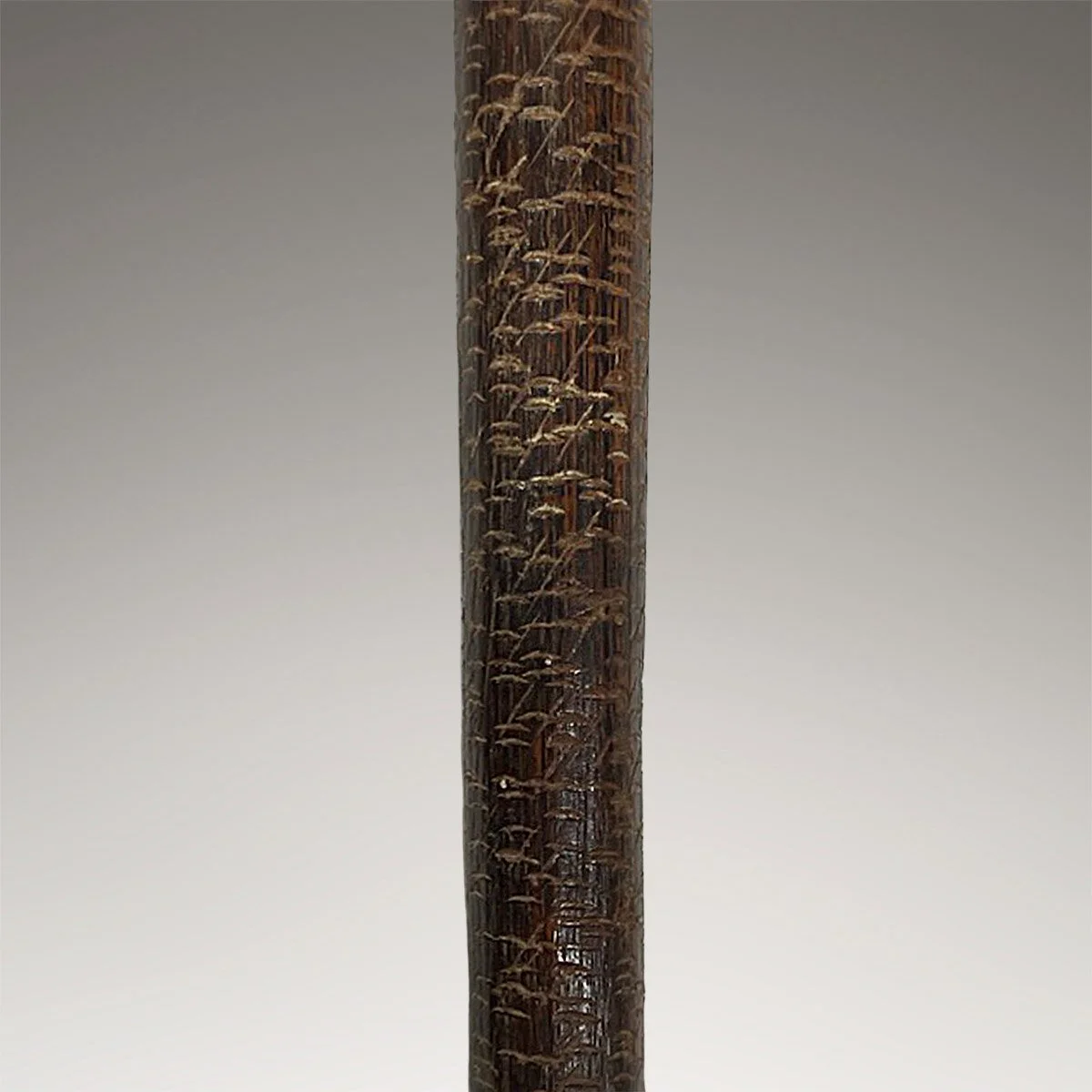 Image 7 of 9
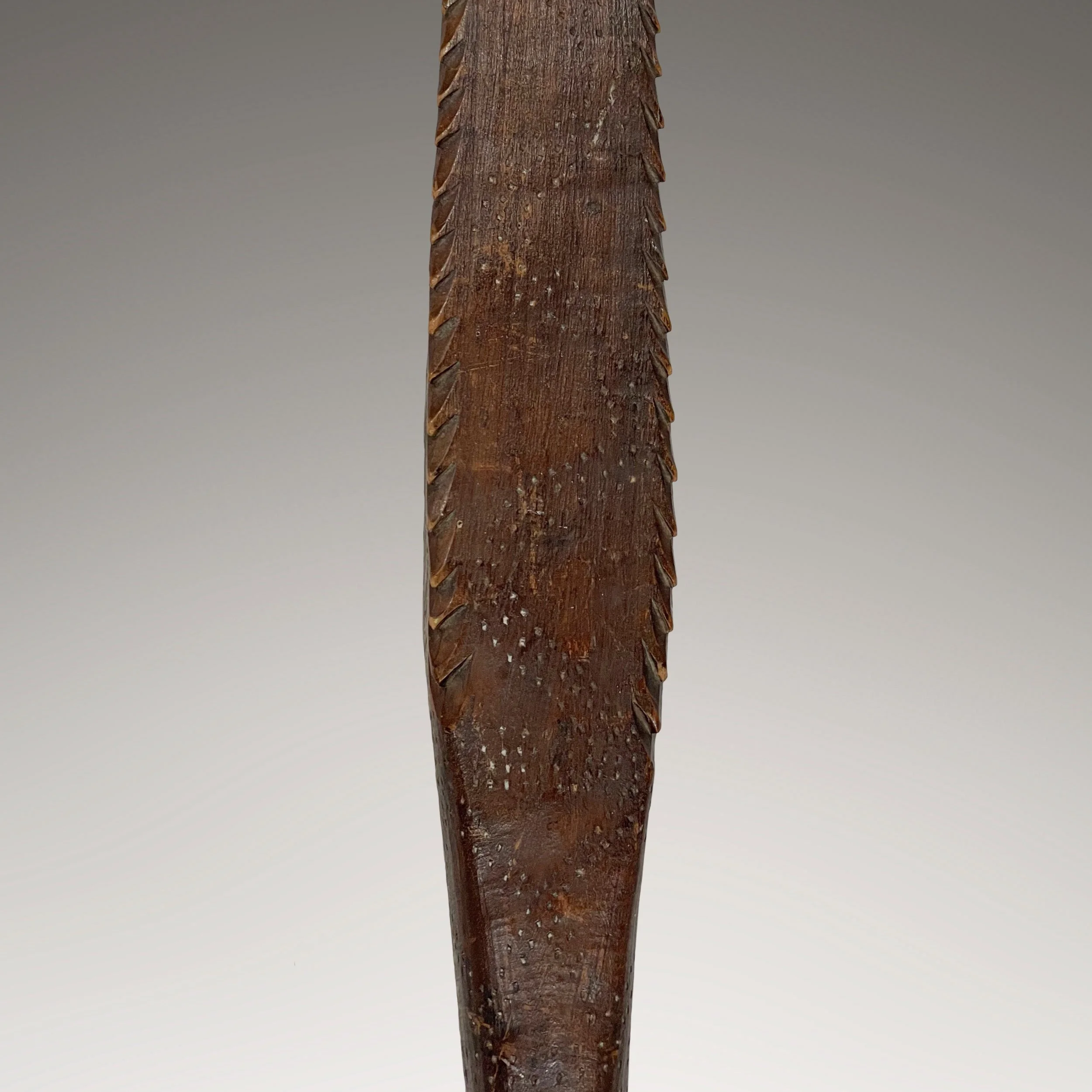 Image 8 of 9
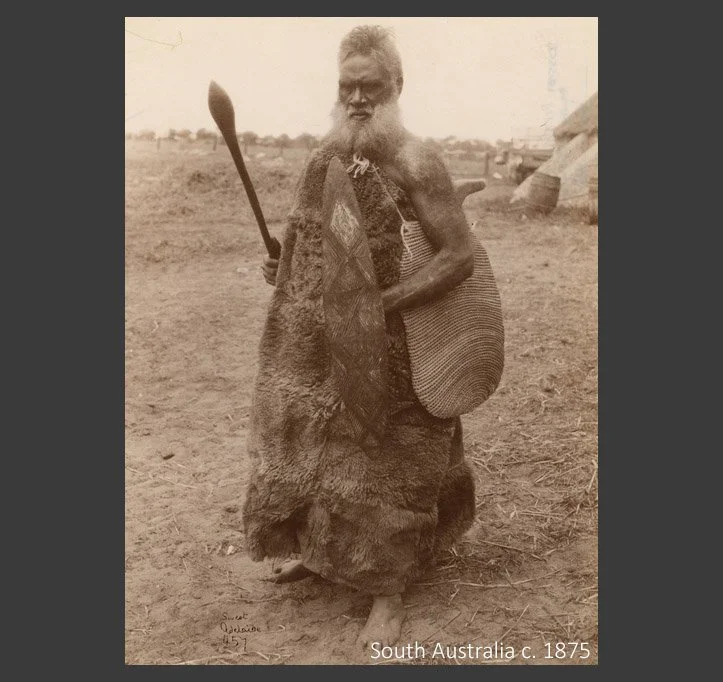 Image 9 of 9