Material: Albumen photographs (18 prints)
Date: Circa 1917
Measurements: 6 × 10¼ inches each
Provenance: Private collection, Utah
Collection of eighteen original albumen photographs documenting the cave dwellings of Frijoles Canyon at Bandelier National Monument, New Mexico, titled "Cave Dwellings of the Rito de los Frijoles." Captured by Mr. and Mrs. Stafford, the large-format images document the ancient cliff dwellings including Tyuonyi, Long House, Talus House, and Rainbow House, at an early moment in the monument's history — shortly after its establishment in 1916 and more than a decade before the Civilian Conservation Corps constructed the lodge and associated structures that remain the largest surviving CCC-built complex in any national park.
Human presence in the Bandelier area dates back thousands of years, with permanent structures in Frijoles Canyon emerging around 1150 AD and flourishing until abandonment in the 1500s, when the inhabitants relocated to Pueblo communities along the Rio Grande including Cochiti and San Ildefonso. The canyon's remoteness ensured that early photographic documentation of this kind was uncommon. The Staffords appear to have enjoyed privileged access to the monument: circa 1917, Stephen Mather, the first director of the National Park Service, provided them with a letter of introduction to Dr. Jesse W. Fewkes at Mesa Verde, suggesting a visit and exploration of Bandelier around the same period. A distinguished visual record of both Southwestern archaeological and early National Park Service history.
Material: Albumen photographs (18 prints)
Date: Circa 1917
Measurements: 6 × 10¼ inches each
Provenance: Private collection, Utah
Collection of eighteen original albumen photographs documenting the cave dwellings of Frijoles Canyon at Bandelier National Monument, New Mexico, titled "Cave Dwellings of the Rito de los Frijoles." Captured by Mr. and Mrs. Stafford, the large-format images document the ancient cliff dwellings including Tyuonyi, Long House, Talus House, and Rainbow House, at an early moment in the monument's history — shortly after its establishment in 1916 and more than a decade before the Civilian Conservation Corps constructed the lodge and associated structures that remain the largest surviving CCC-built complex in any national park.
Human presence in the Bandelier area dates back thousands of years, with permanent structures in Frijoles Canyon emerging around 1150 AD and flourishing until abandonment in the 1500s, when the inhabitants relocated to Pueblo communities along the Rio Grande including Cochiti and San Ildefonso. The canyon's remoteness ensured that early photographic documentation of this kind was uncommon. The Staffords appear to have enjoyed privileged access to the monument: circa 1917, Stephen Mather, the first director of the National Park Service, provided them with a letter of introduction to Dr. Jesse W. Fewkes at Mesa Verde, suggesting a visit and exploration of Bandelier around the same period. A distinguished visual record of both Southwestern archaeological and early National Park Service history.


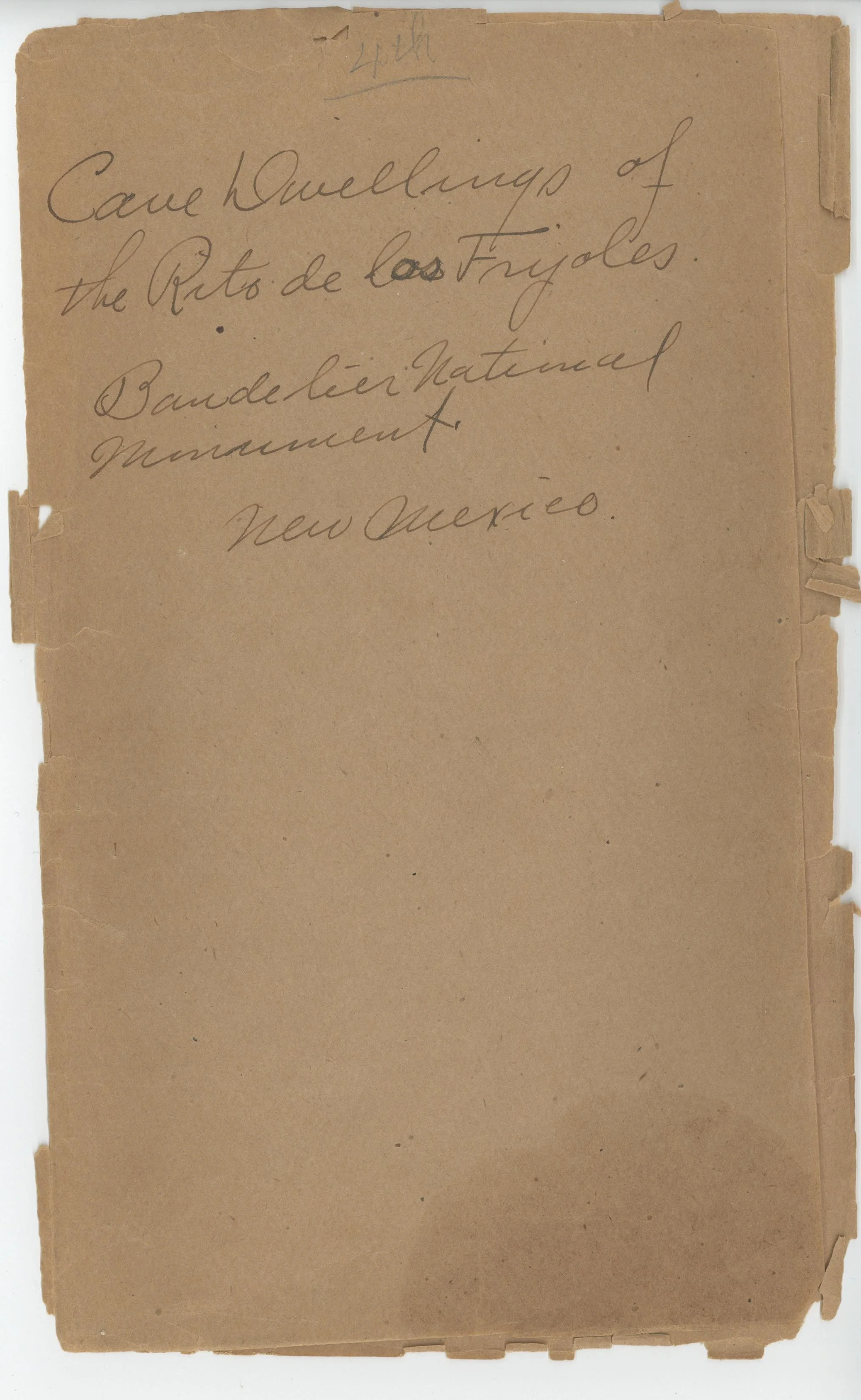 Image 1 of 20
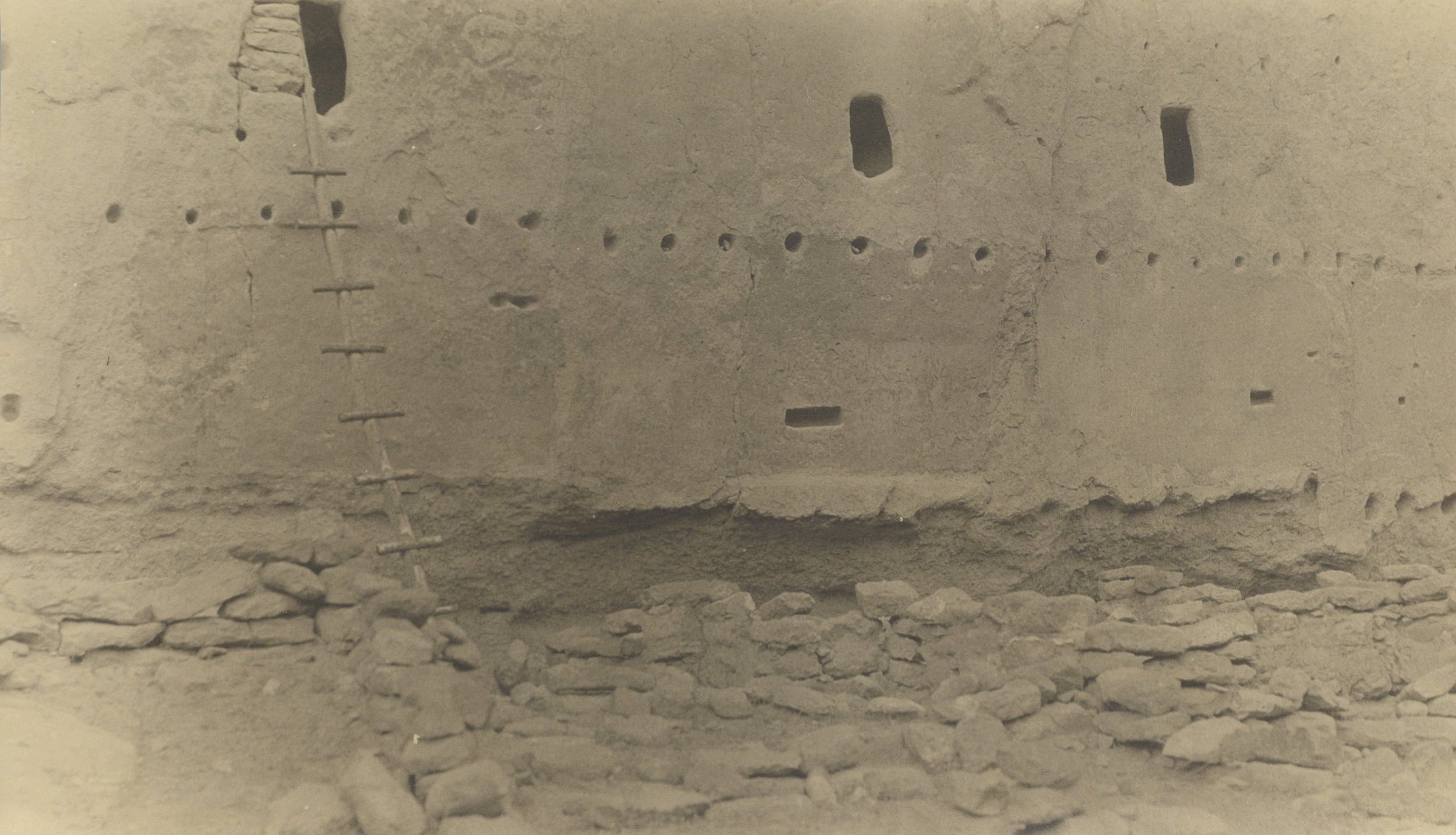 Image 2 of 20
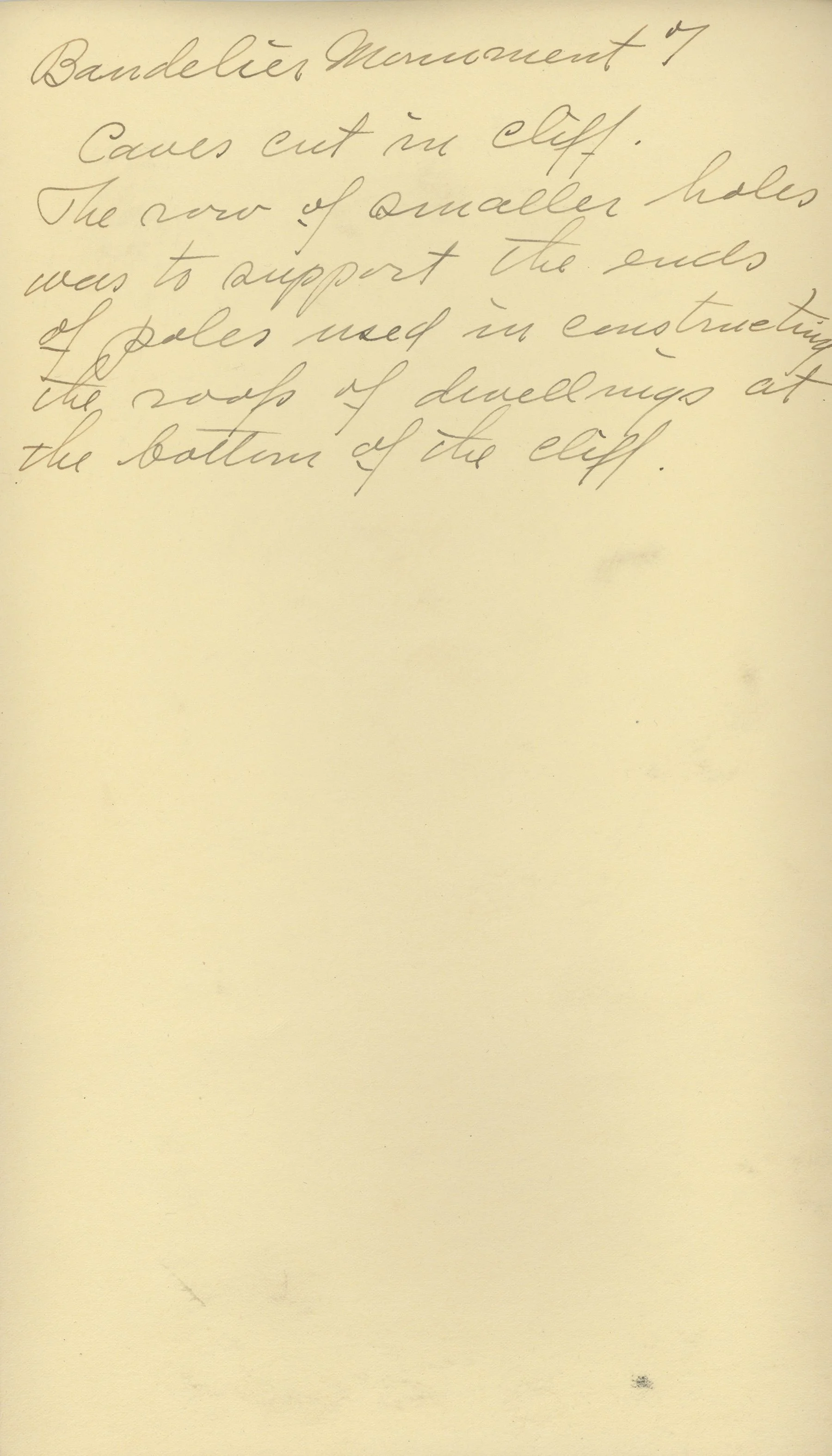 Image 3 of 20
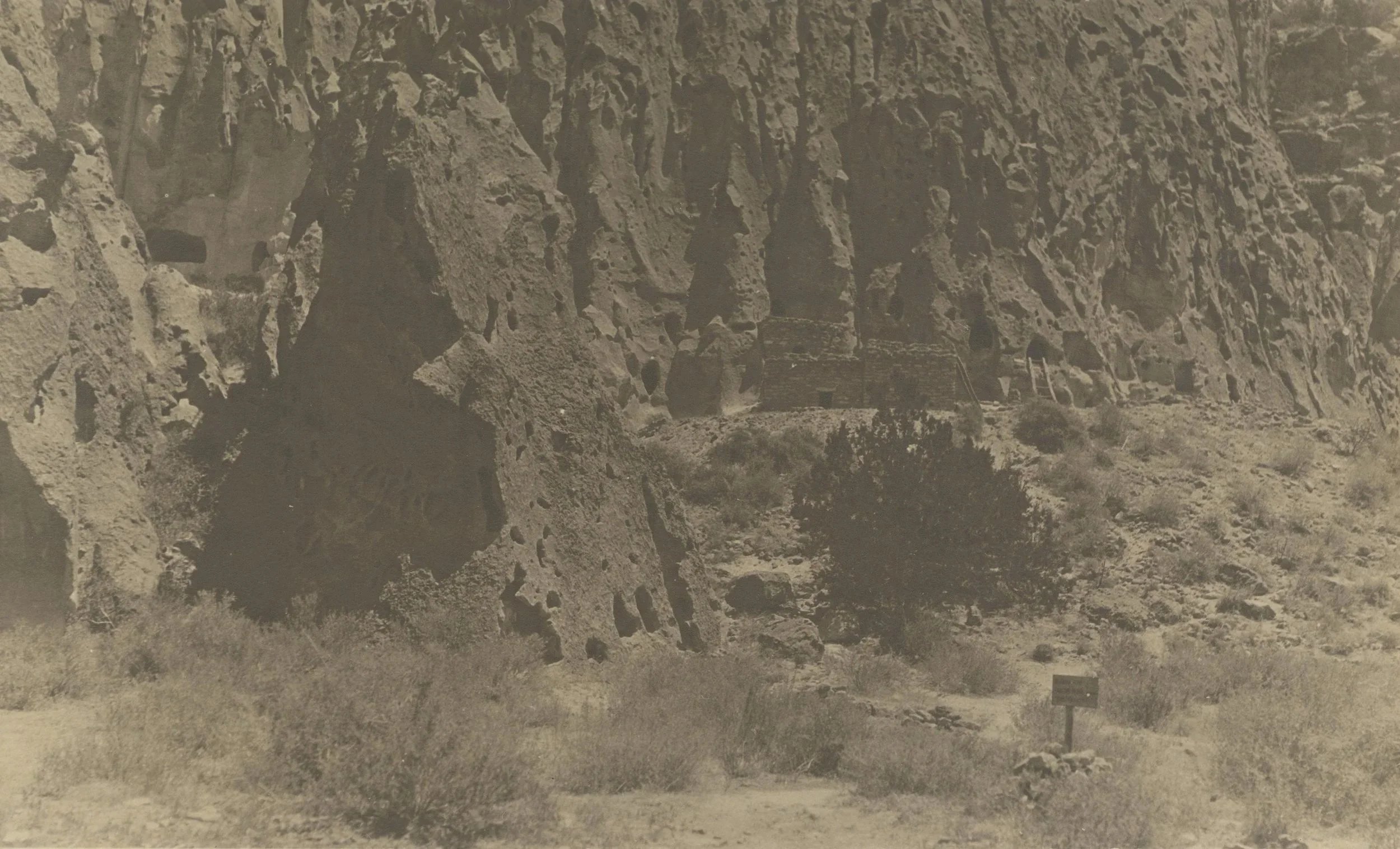 Image 4 of 20
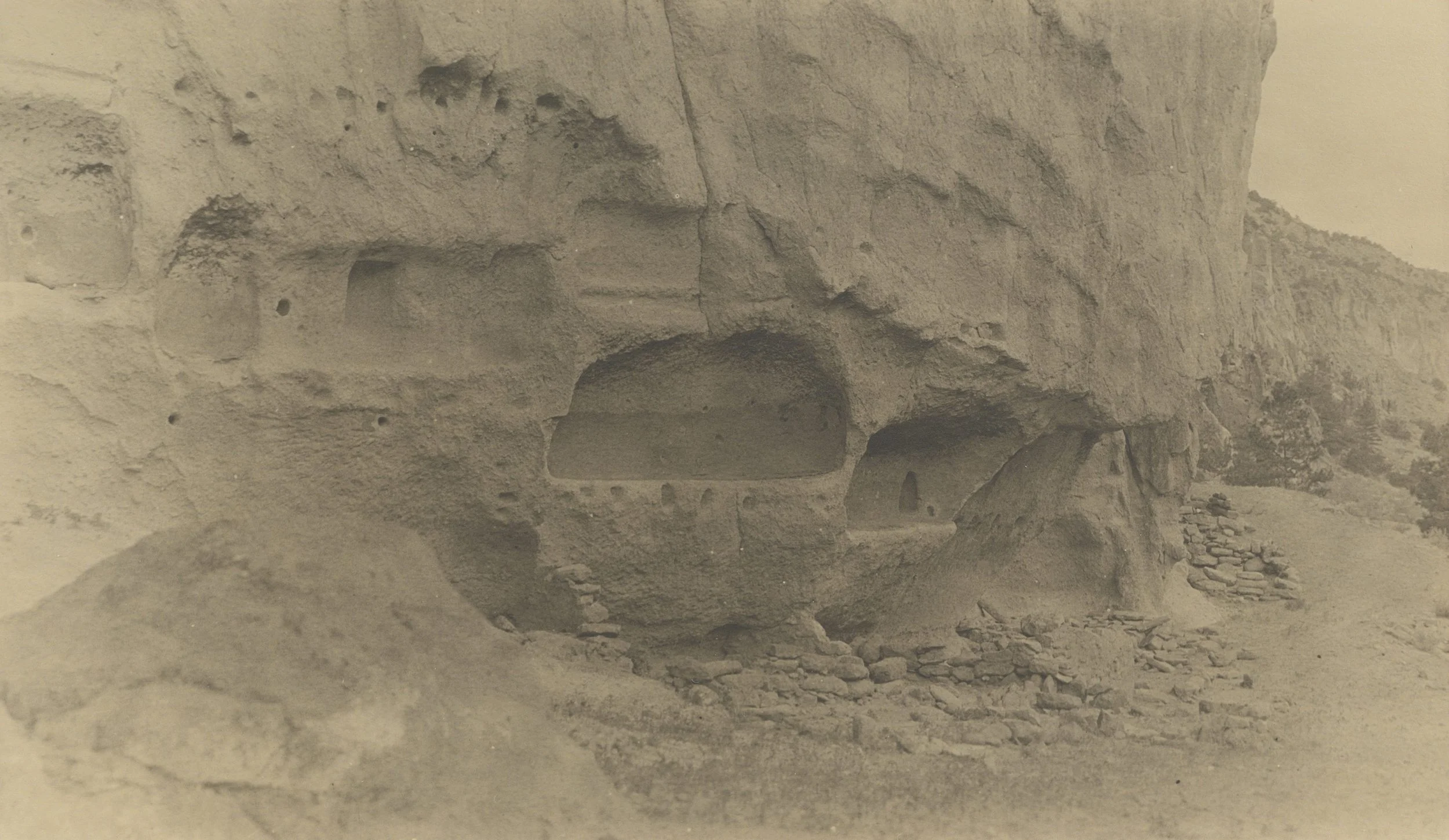 Image 5 of 20
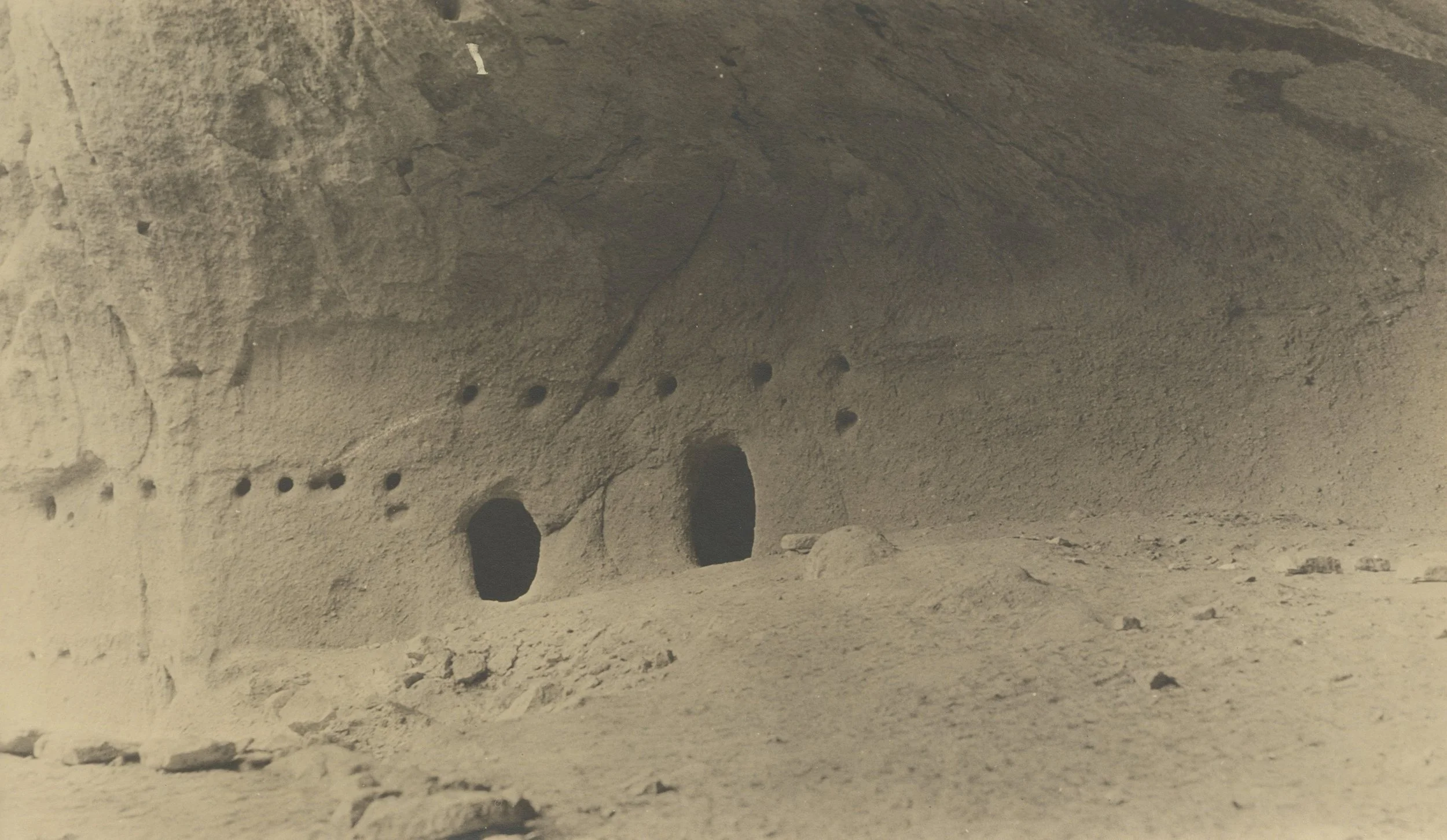 Image 6 of 20
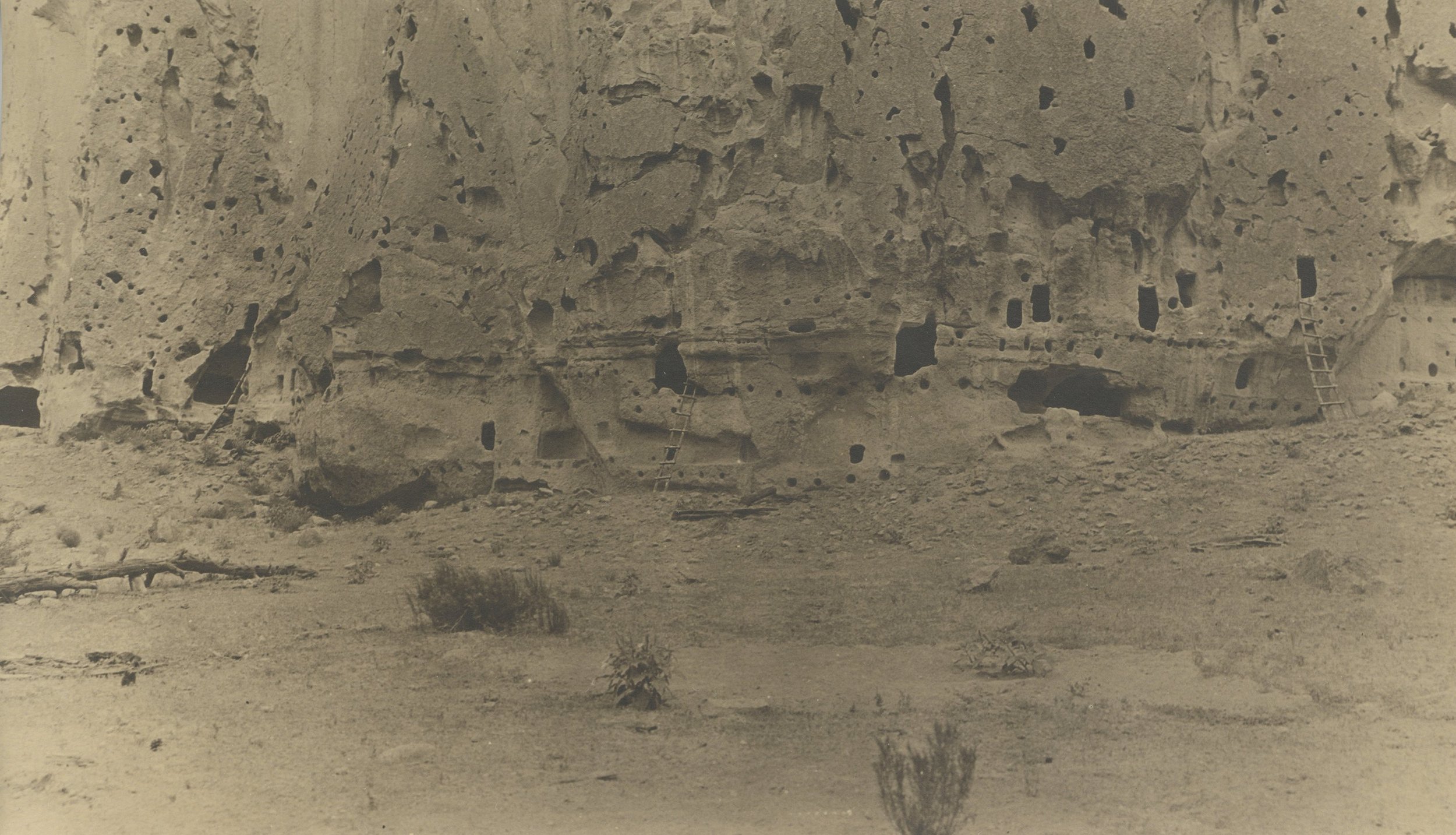 Image 7 of 20
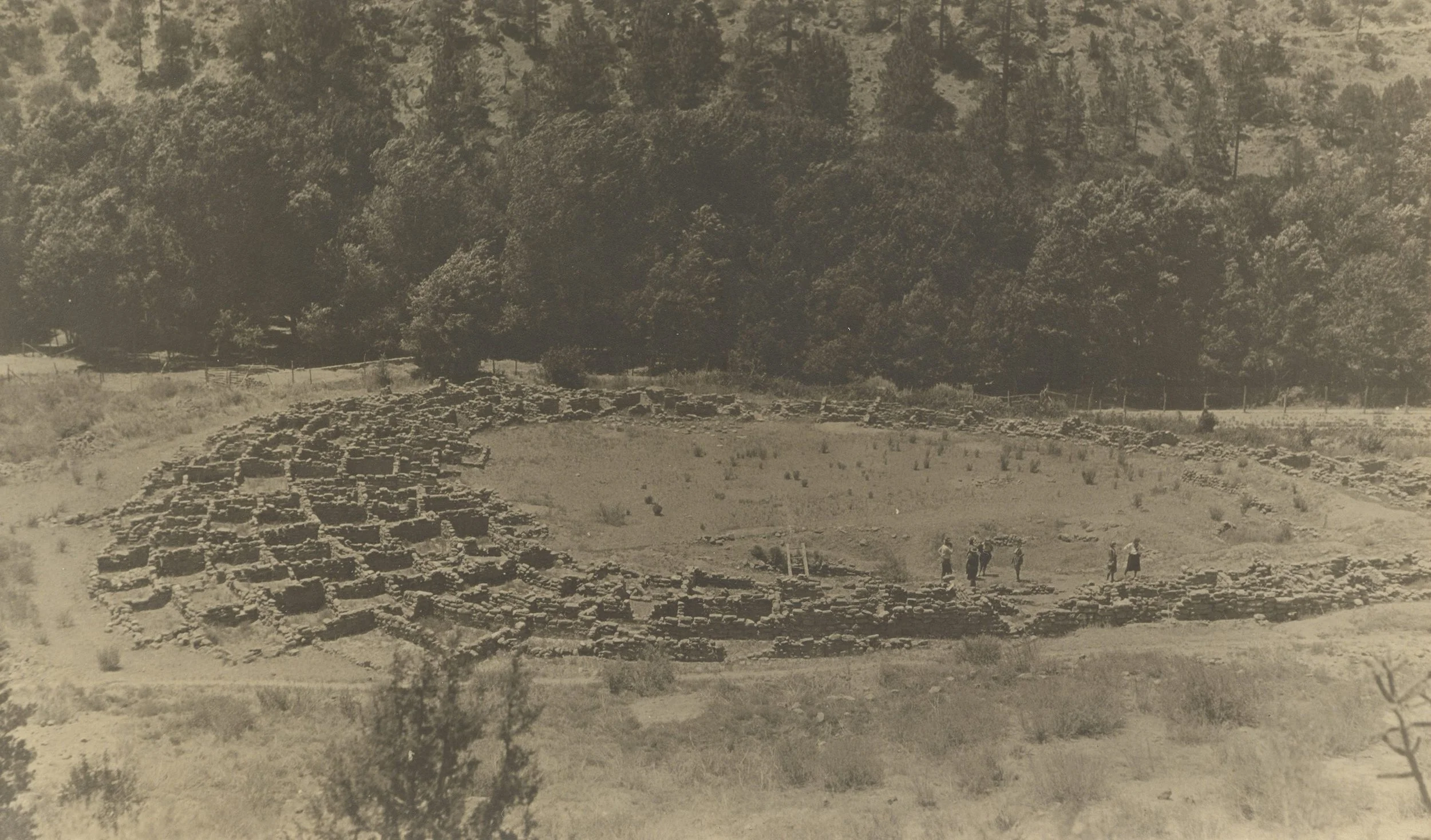 Image 8 of 20
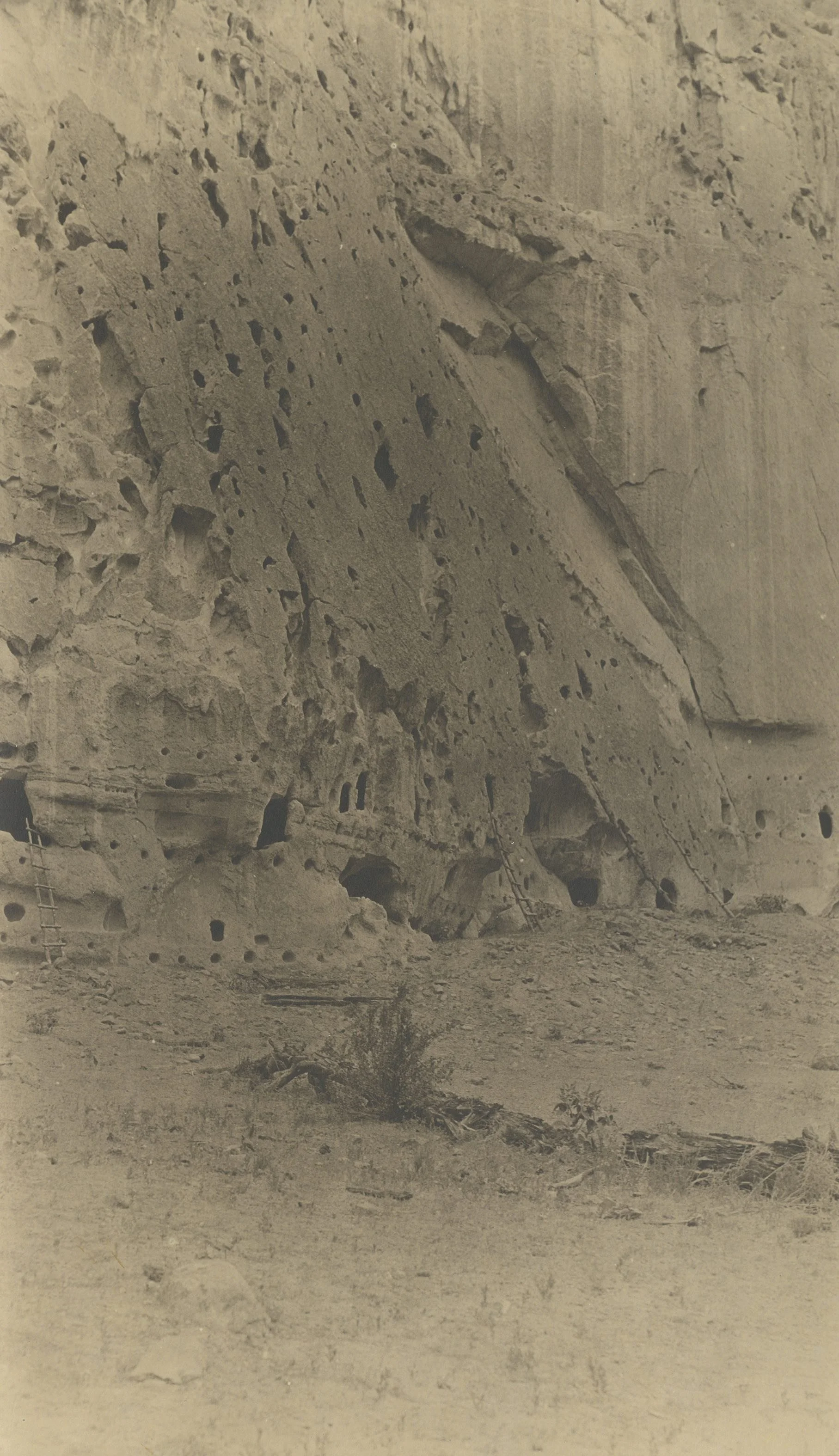 Image 9 of 20
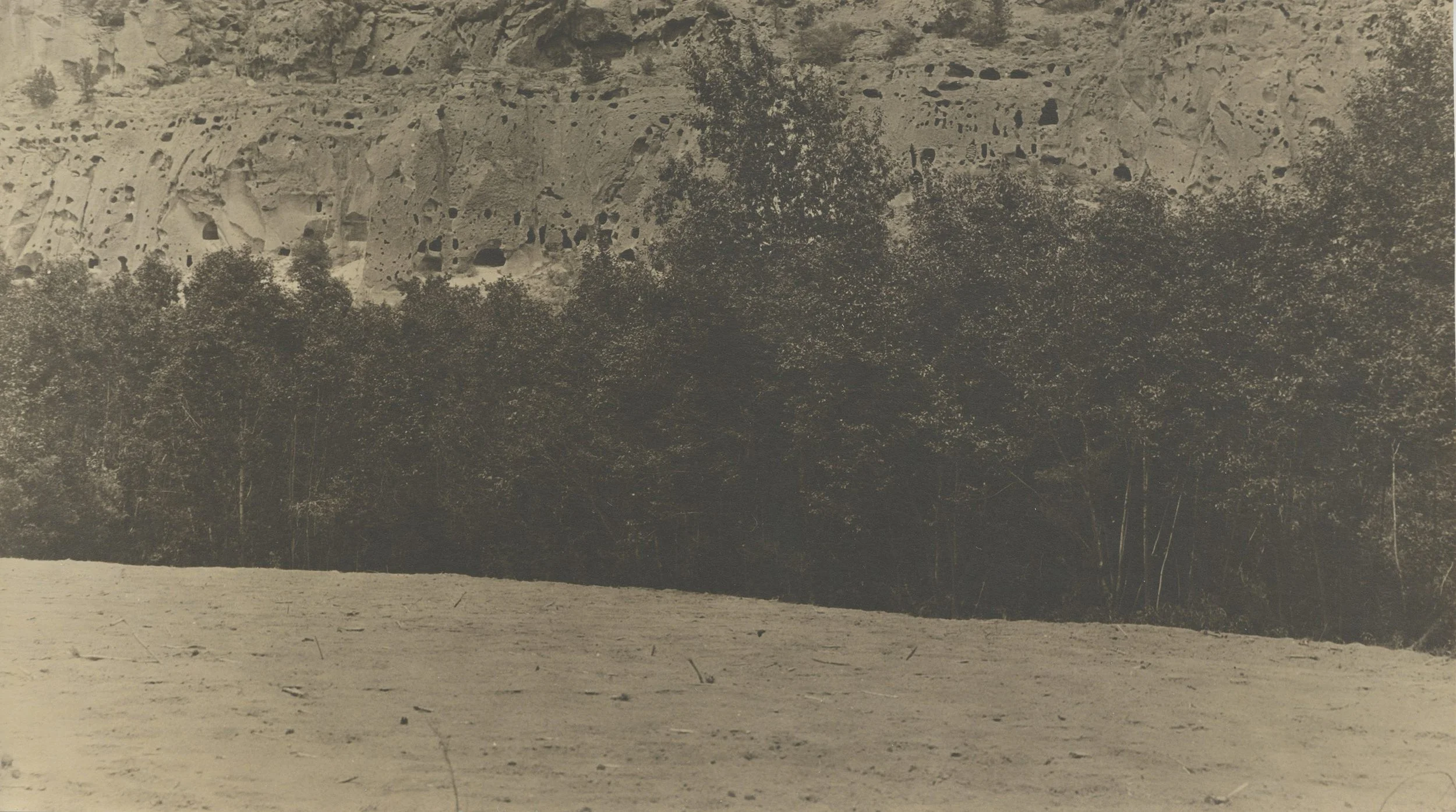 Image 10 of 20
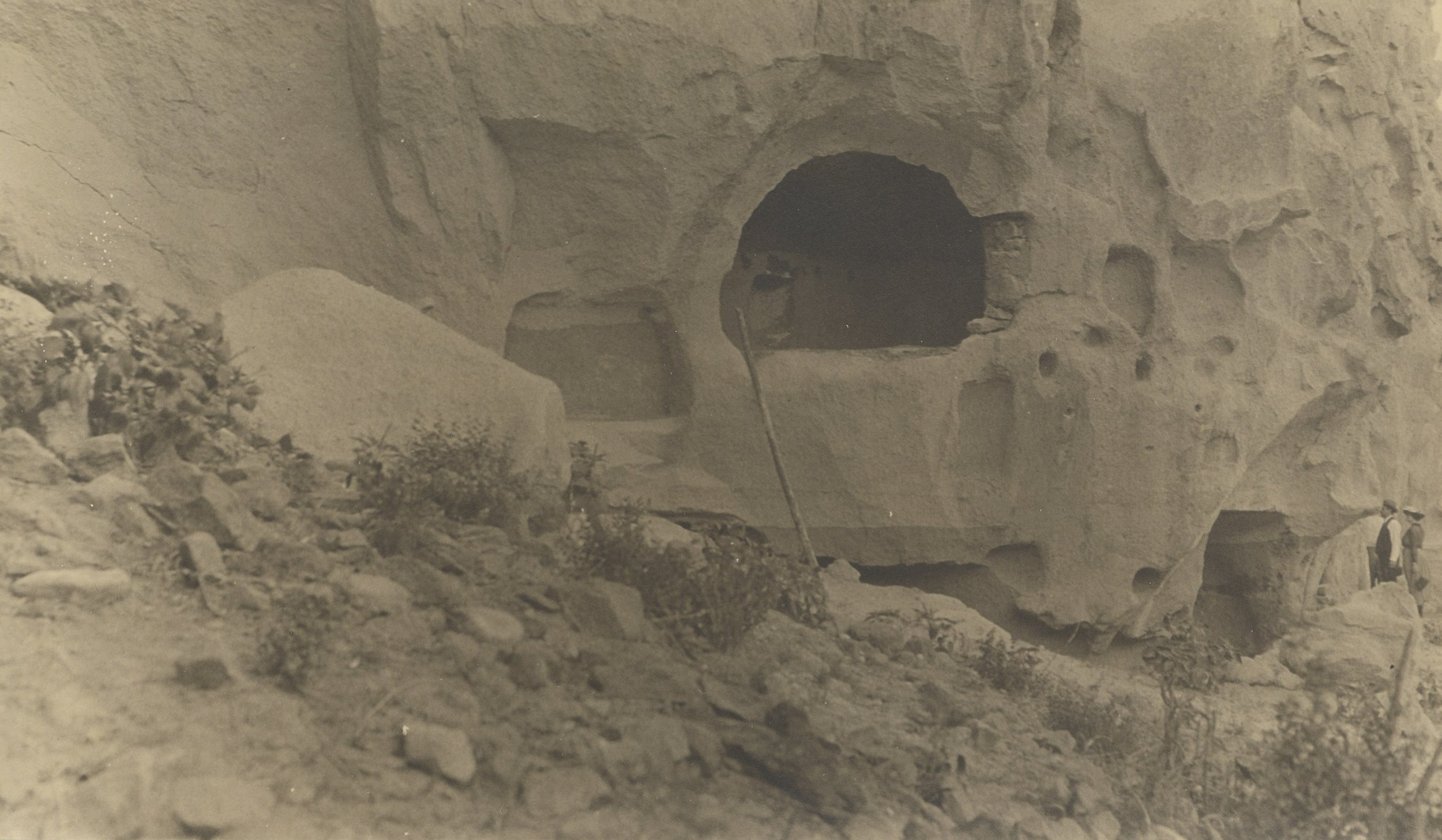 Image 11 of 20
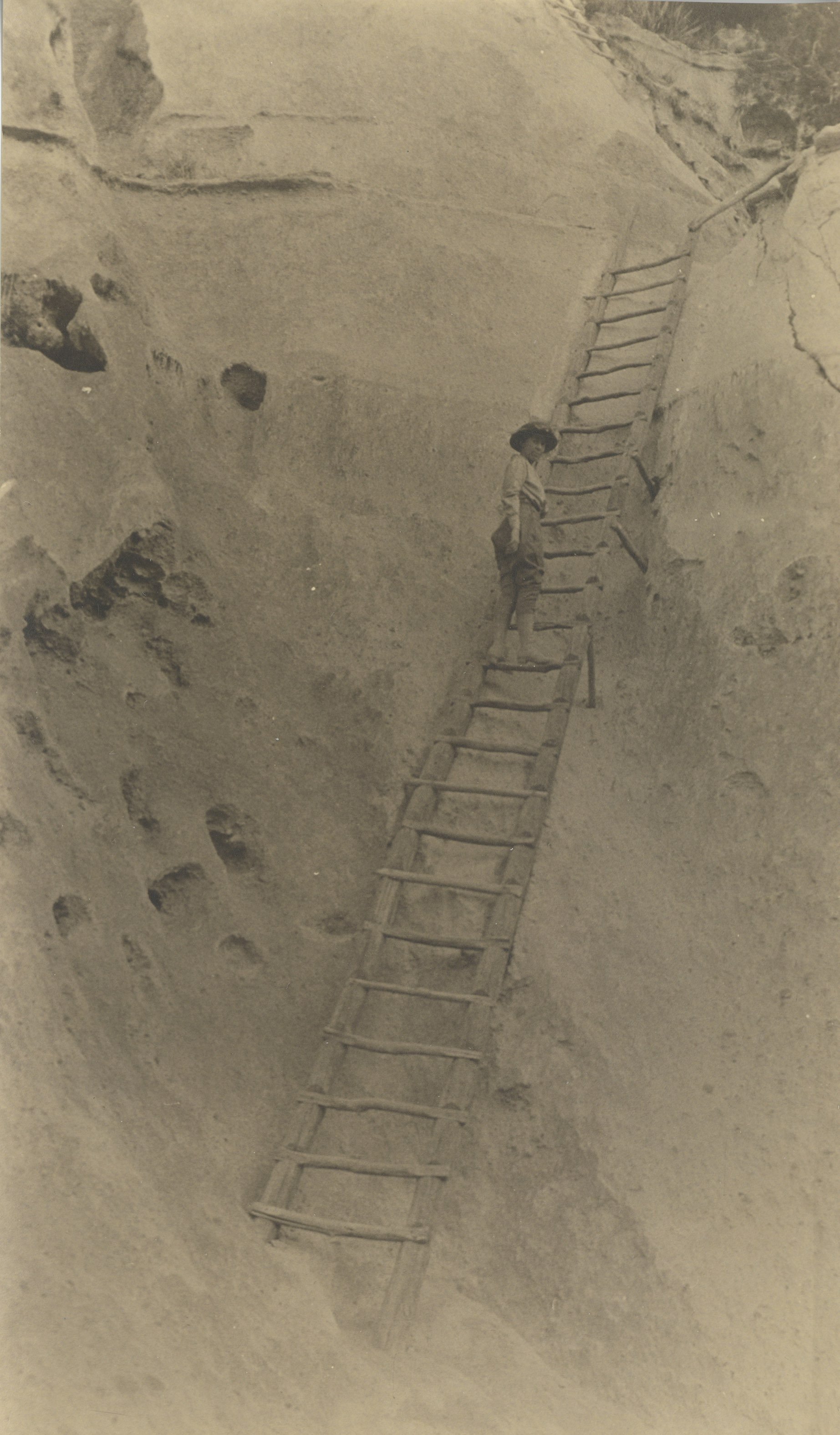 Image 12 of 20
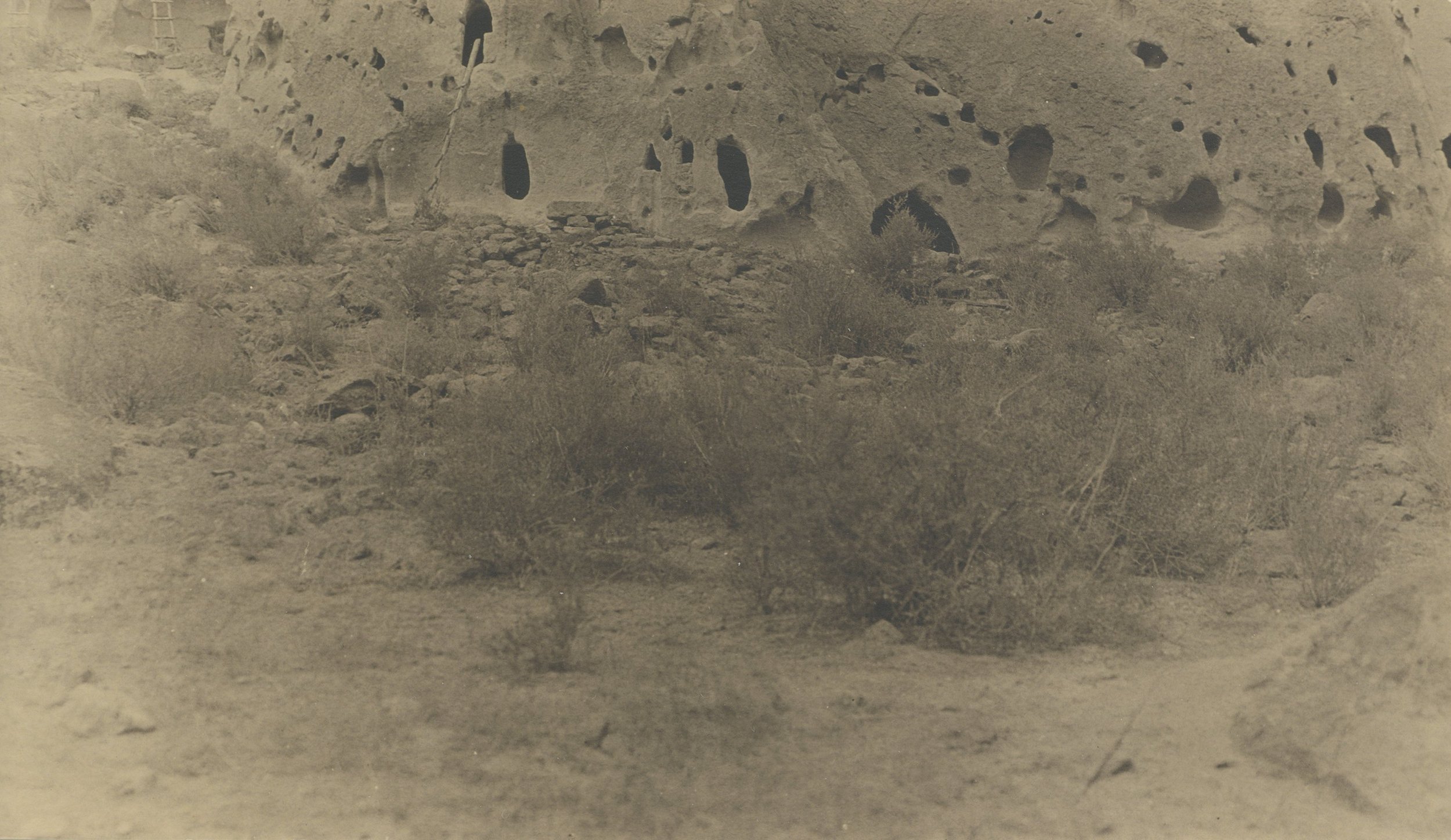 Image 13 of 20
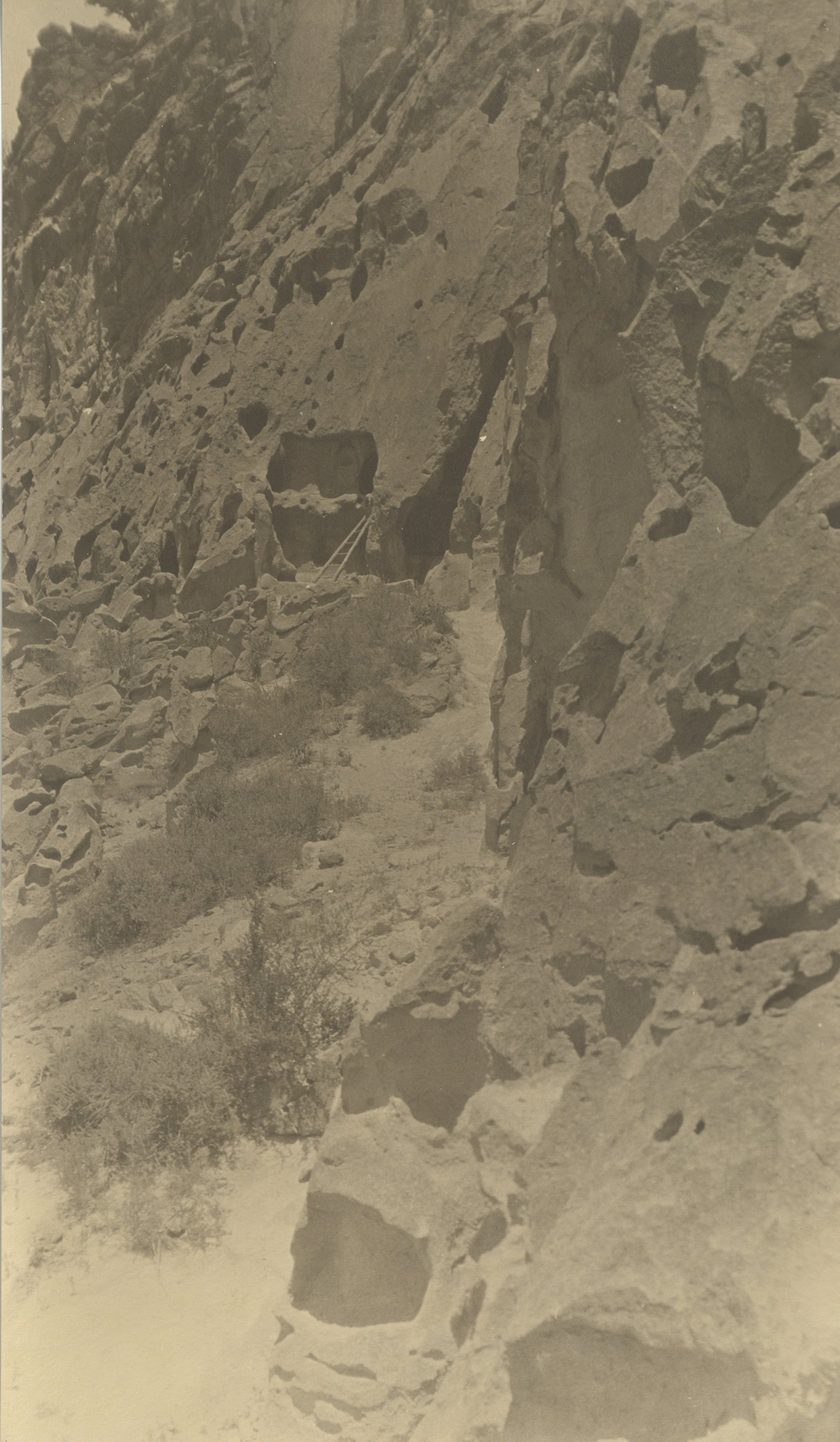 Image 14 of 20
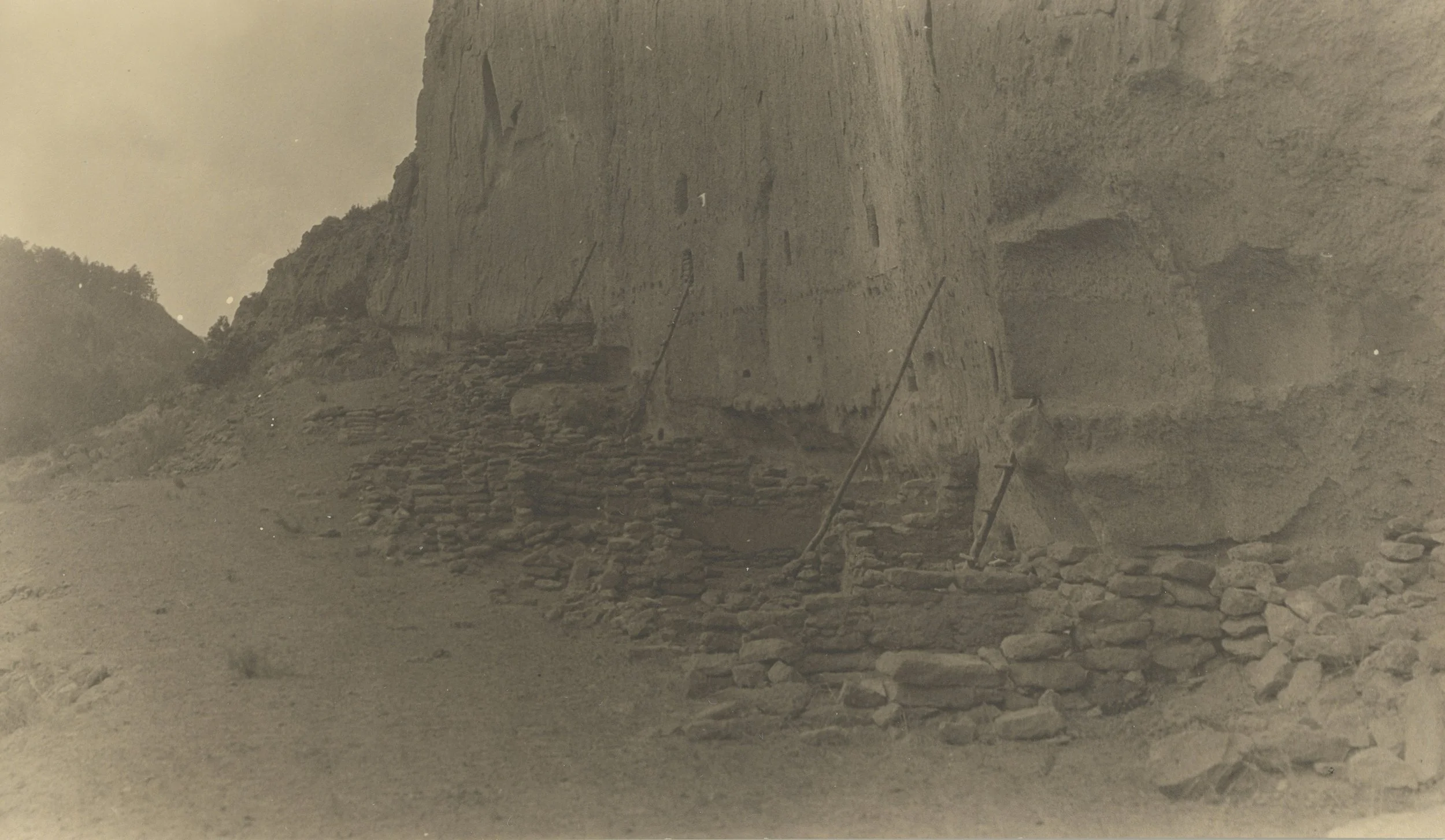 Image 15 of 20
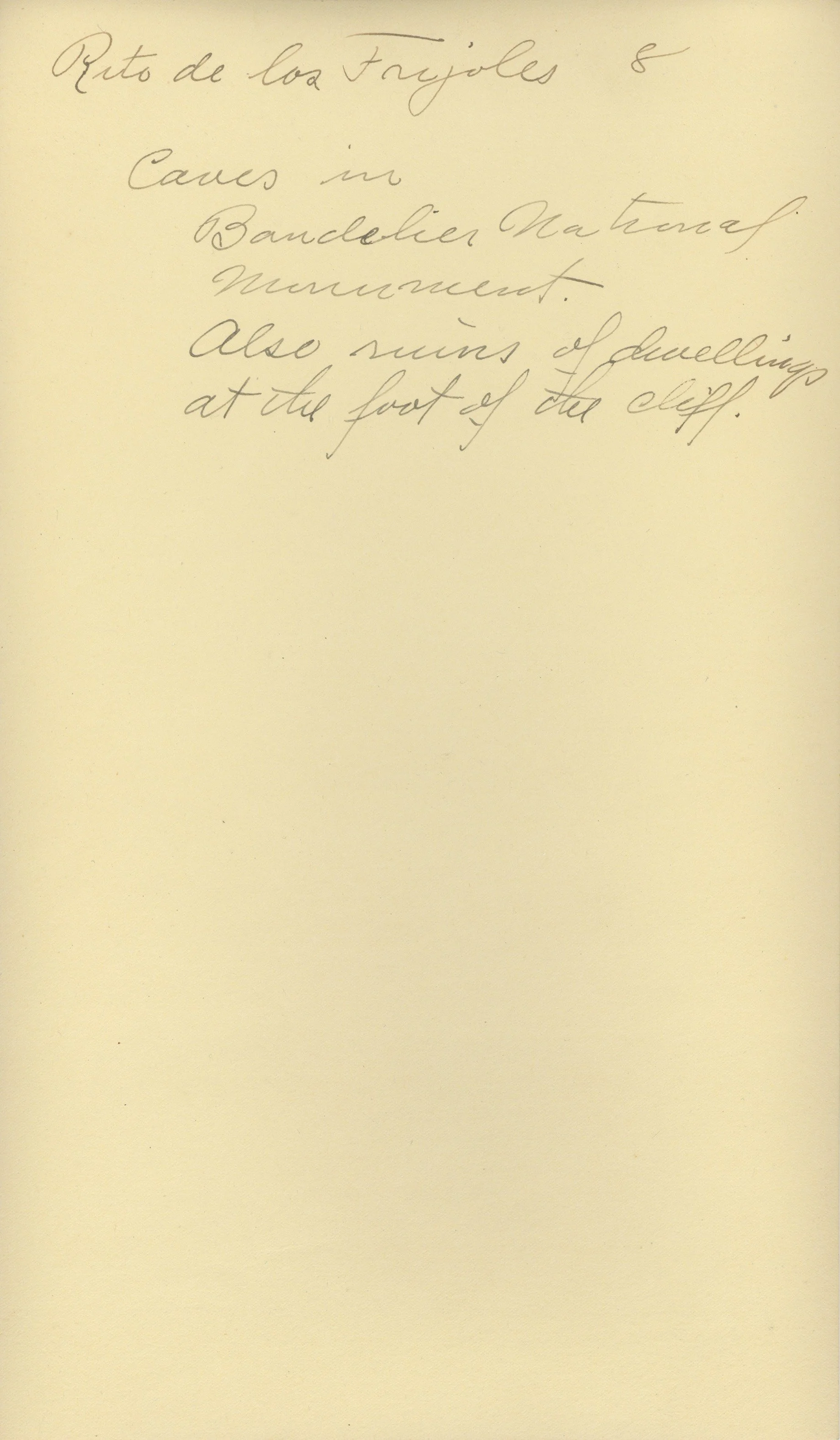 Image 16 of 20
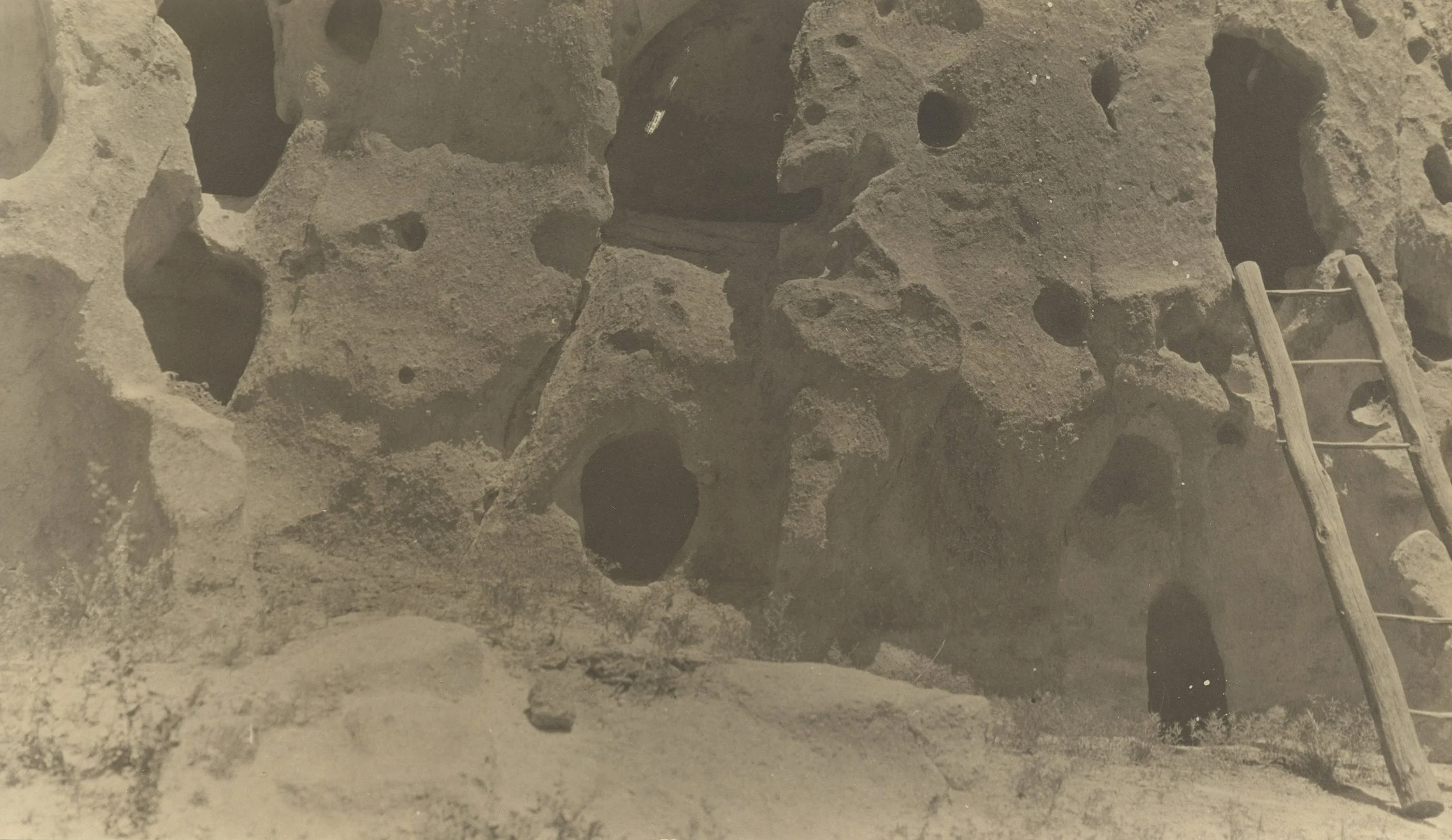 Image 17 of 20
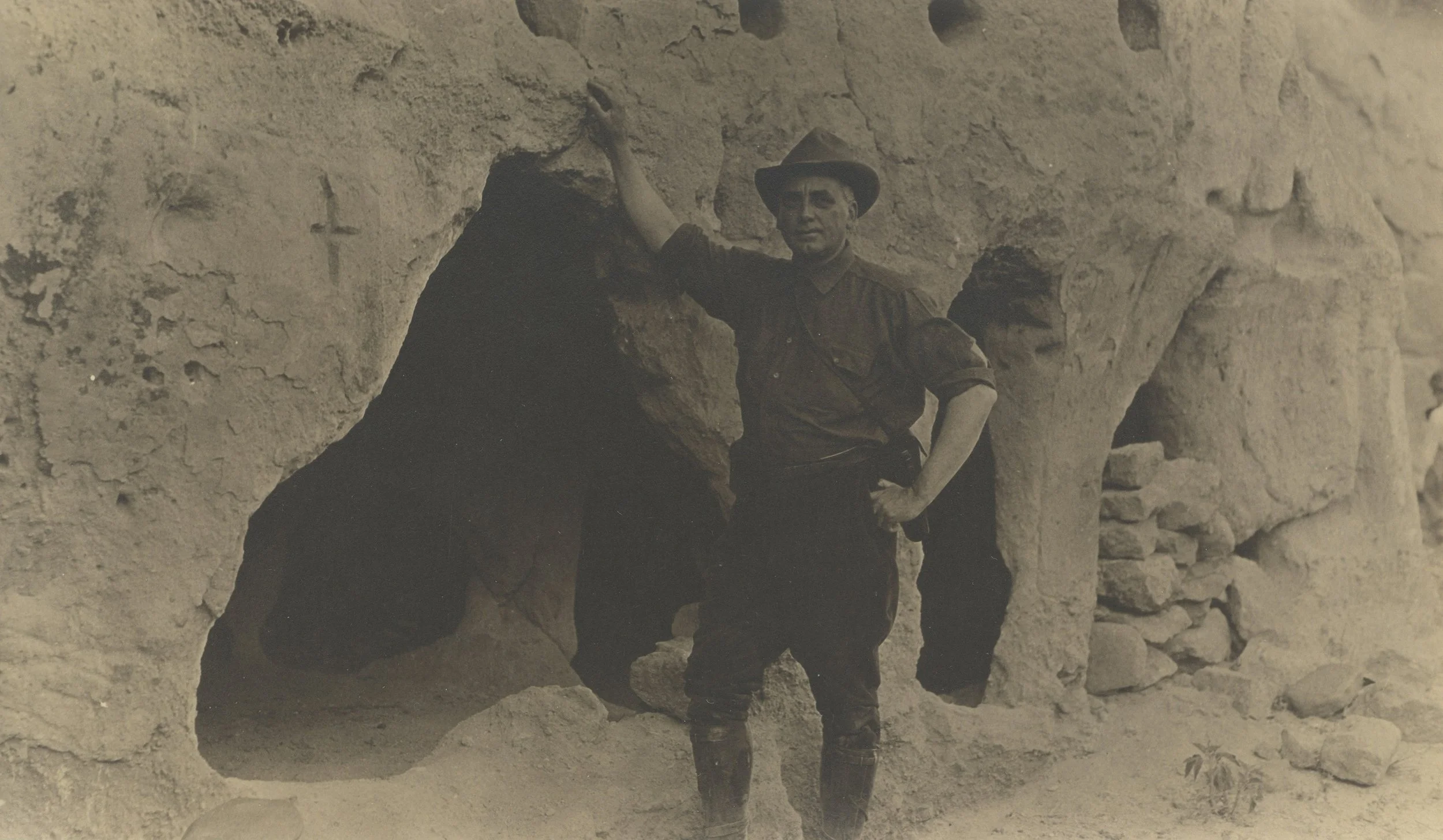 Image 18 of 20
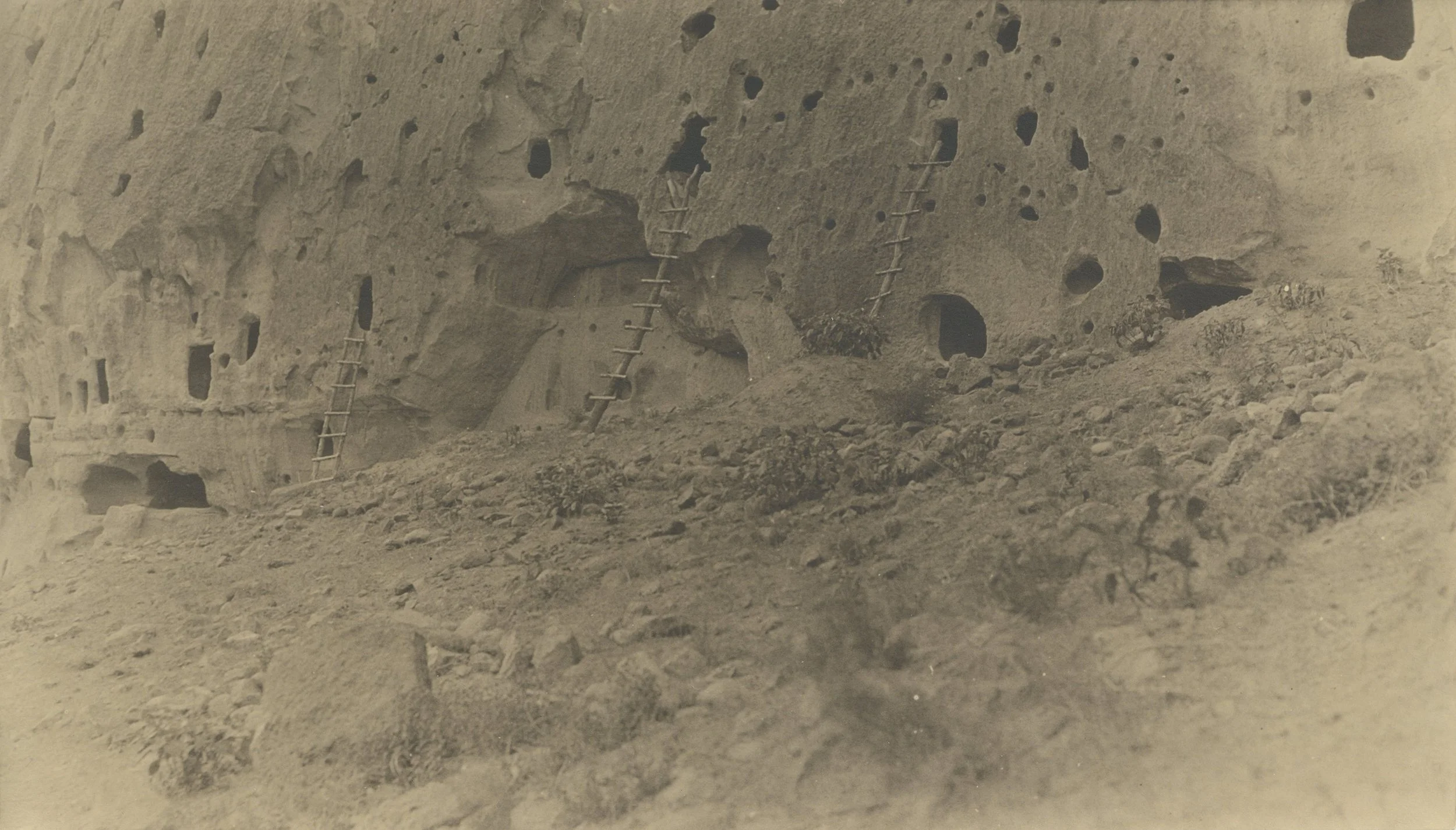 Image 19 of 20
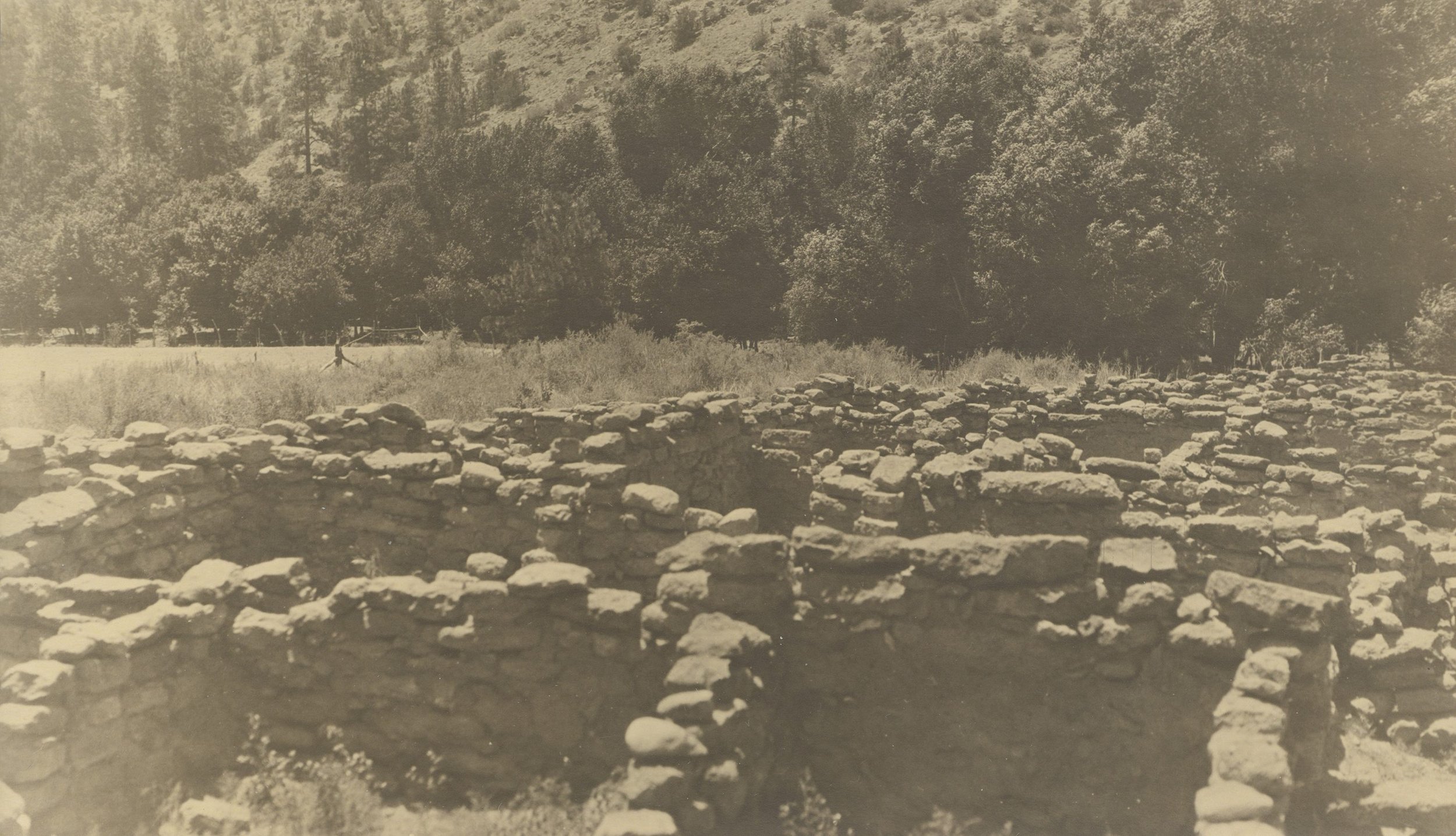 Image 20 of 20