

 Image 1 of 2
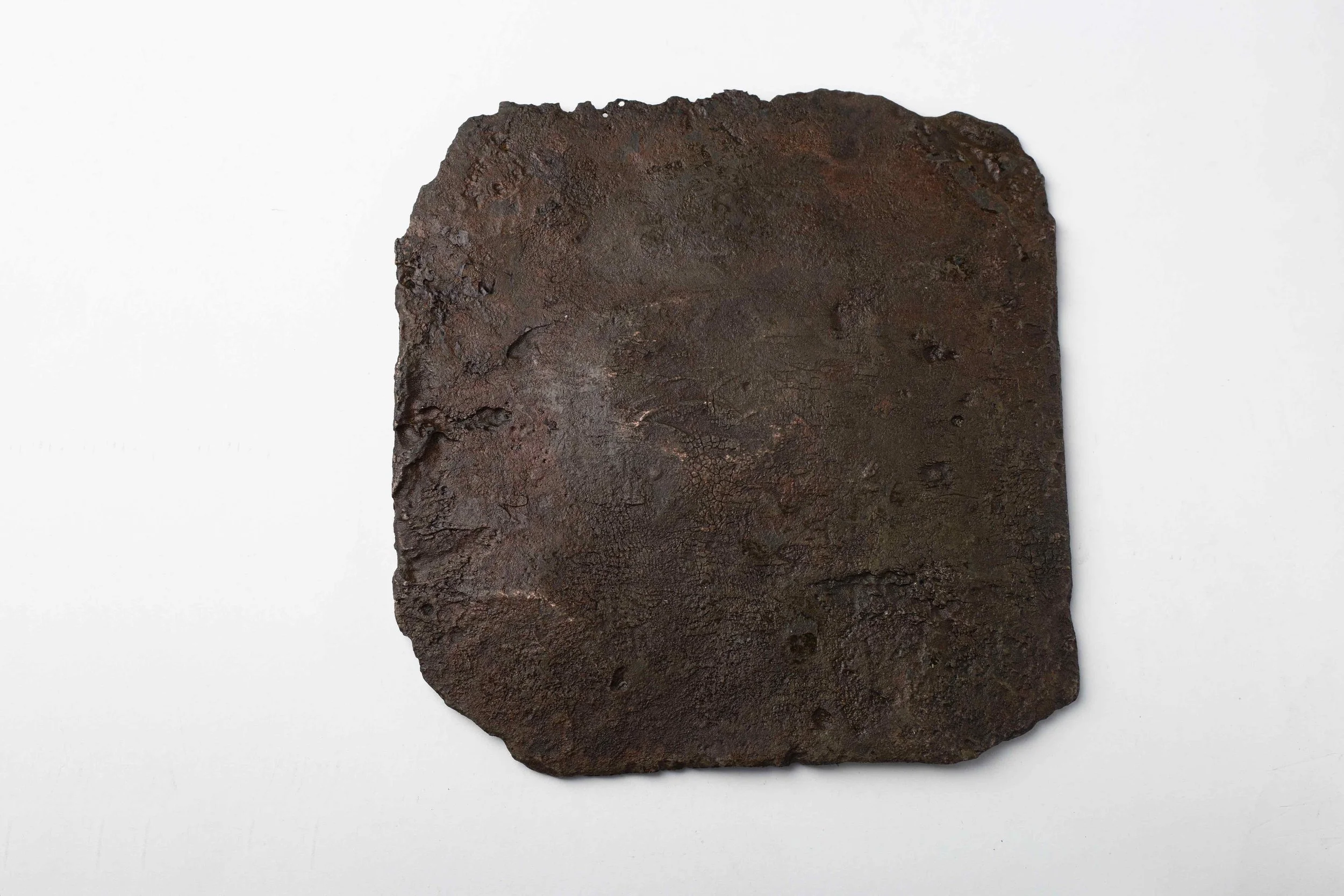 Image 2 of 2
Material: Copper (1.17 kg)
Date: 1733
Measurements: 6 x 7⅛ in.
Provenance: Private collection, Australia; recovered from the wreck of the Danish ship Nicobar, lost 1783 off Quoin Point, Cape Town, South Africa
Note: Certificate of Authenticity (COA) included documenting Nicobar shipwreck provenance
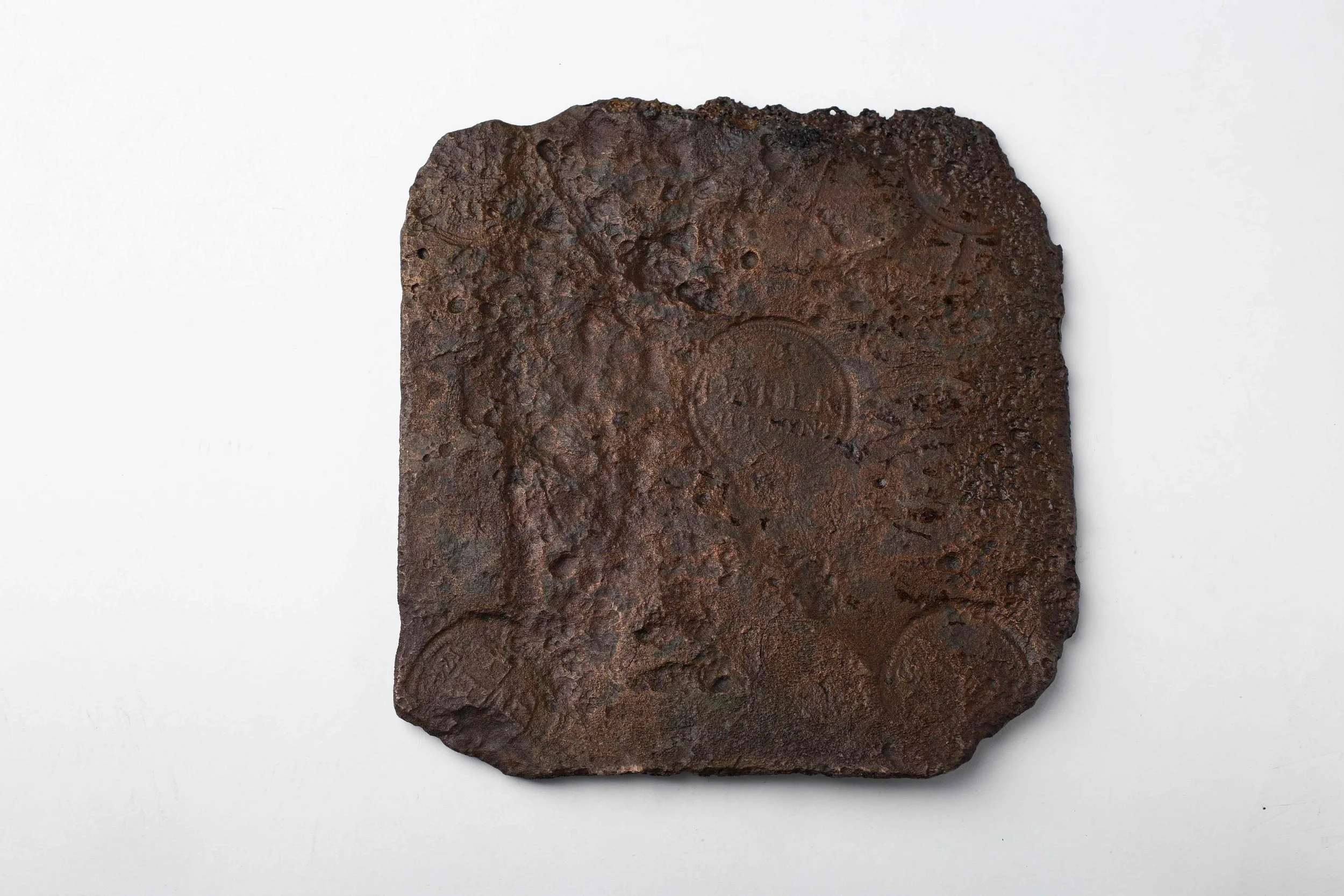
A 1733 Swedish two daler plate money (plåtmynt), struck in copper at the Avesta mint. Swedish plate money was introduced in 1644 during the reign of Queen Christina as a response to Sweden's copper surplus and silver scarcity. Sheets of copper were hammered flat, cut to size, and stamped with five marks — one in each corner and one in the center. Denominations ranged from ½ to 10 dalers. The system contributed to the establishment of Stockholms Banco in 1656, the first institution to issue European banknotes. Production ceased in 1776, and copper devaluation led to the melting down of the majority of surviving pieces.
We ship free anywhere in the world, fully insured, packed by hand
Material: Copper (1.17 kg)
Date: 1733
Measurements: 6 x 7⅛ in.
Provenance: Private collection, Australia; recovered from the wreck of the Danish ship Nicobar, lost 1783 off Quoin Point, Cape Town, South Africa
Note: Certificate of Authenticity (COA) included documenting Nicobar shipwreck provenance
A 1733 Swedish two daler plate money (plåtmynt), struck in copper at the Avesta mint. Swedish plate money was introduced in 1644 during the reign of Queen Christina as a response to Sweden's copper surplus and silver scarcity. Sheets of copper were hammered flat, cut to size, and stamped with five marks — one in each corner and one in the center. Denominations ranged from ½ to 10 dalers. The system contributed to the establishment of Stockholms Banco in 1656, the first institution to issue European banknotes. Production ceased in 1776, and copper devaluation led to the melting down of the majority of surviving pieces.
We ship free anywhere in the world, fully insured, packed by hand